10 Fascinating Vet-Reviewed Facts About Polydactyl Cats (With Pictures)


In this article
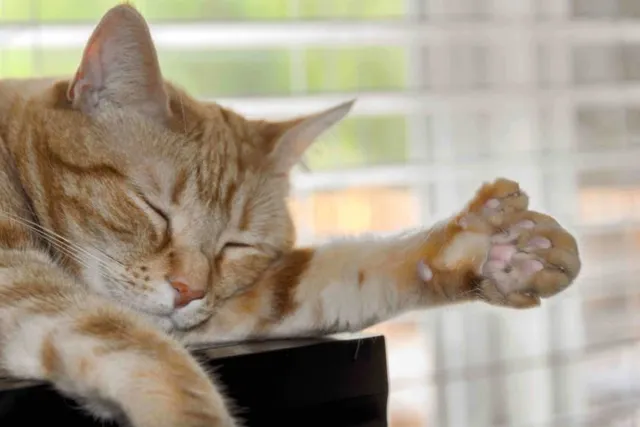
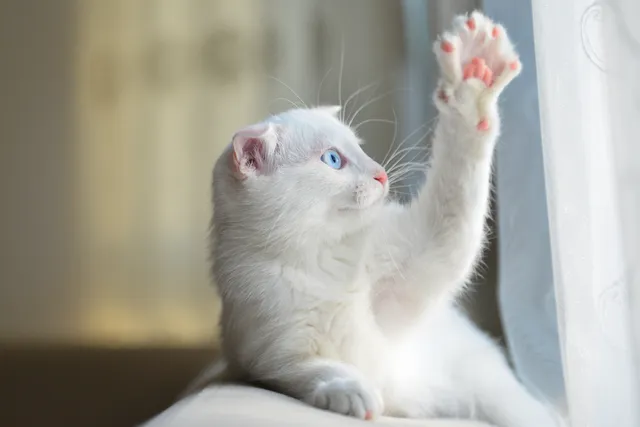
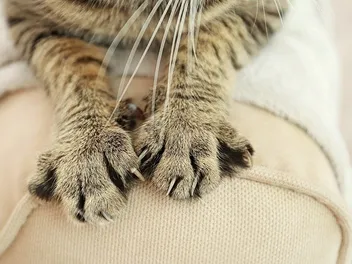
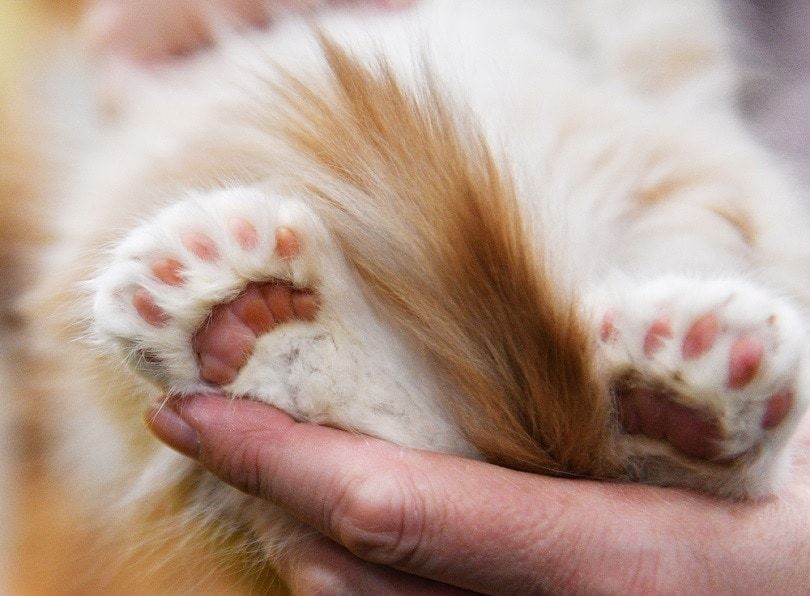
Polydactylism is when an animal has a higher-than-usual number of fingers and toes. It is actually surprisingly common in some animals, including cats. While cats usually have five toes on each of their front feet and four toes on their back feet, there are many cats that have more than this number. Some have as many as 28 toes, in total, and polydactyl cats are often considered lucky. They were once kept on boats, by sailors, to bring them luck to help ensure they returned safely to shore.
Below are some facts regarding polydactyl cats including information on whether it is a new phenomenon and whether polydactyly brings any health complaints or other problems with it.

The 10 Facts About Polydactyl Cats
1. Polydactyly Is a Mutation
Cats usually have five toes on each front paw and four on each back paw. However, polydactyly occurs when a dominant gene is mutated, and this can lead to additional toes. This dominant autosomal trait means that even if only one parent is carrying this gene and passing it to their offspring, the kittens who inherit it will have extra toes. The genetic principle is complex, meaning the expression of the trait is variable and can cause various forms of polydactyly.
Usually, it is the front paws that are affected, but the rear paws can be affected too. In some rare cases, the condition can affect all four paws.

2. It Can Be Beneficial to Some Cats
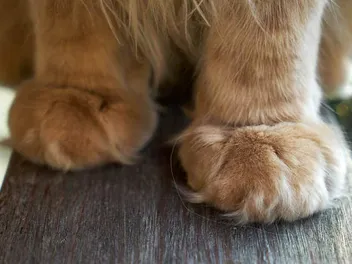
Polydactyly generally does not cause any negative health effects for the cat, although it does mean extra claws on your couch and extra time spent trimming those nails. However, for the cat itself, it can prove quite beneficial. The extra toes cause the paws to be wider and larger and this provides extra balance that can help when running, climbing, and generally getting around.
3. They Bring Good Luck, Especially at Sea
This isn’t necessarily true but cats with extra toes have long been considered a good luck charm. They were once intentionally kept on boats. Not only were they very useful for getting rid of vermin from grain and food supplies but cats with extra toes were thought to bring good luck to sailors.

4. They Are Also Known as Hemingway Cats
Some people have been known to become obsessed with cats with extra digits. One such person was Ernest Hemingway. He was given a polydactyl cat by a ship captain, and he became so obsessed that, when he died, his former home was turned into a museum that also included a home for his cats.
Today, there are approximately 50 cats on the property, all of which descended from Hemingway’s cats, and approximately half of them are polydactyl. This is why polydactyl cats are now sometimes referred to as Hemingway cats.
5. It’s More Common in Maine Coons
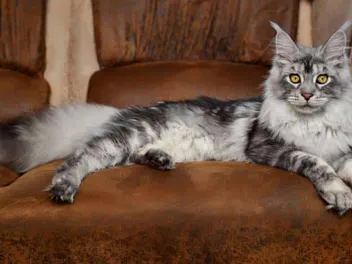
It is thought that, at one point, around 40% of all Maine Coon cats had extra toes, but this is no longer a predominant feature.1 This may have arisen because the extra wide paws and extra digits made it easier to traverse the snowy conditions of Maine. Only one parent cat needs to have polydactyly to pass it on to kittens who will be born with extra digits. This combination and natural selection may mean that polydactyl Maine Coon cats were the most likely to breed.
Although it has, to some extent, been bred out of Maine Coons, it is still more likely in this breed than others.

6. Two Polydactyl Cat Have 28 Toes
Most commonly, a polydactyl cat is born with extra toes on the front paws. Some are born with extra digits on the back paws. Very rarely they are born with extra digits on all four paws. In the case of Jake, a ginger tabby, and Paws, they were both born with an incredible 28 toes, sharing the first spot as the Guiness World Record.
7. They Are More Common in Some Areas
Because of their popularity on ships, and especially on long transatlantic crossings when cats were needed to help protect food supplies from vermin and good luck charms were needed to ensure a successful crossing, polydactyl cats are most often found in Western England as well as in Wales and Canada. They are also found in the Eastern US around Maine.

8. The American Polydactyl Is a Breed With Polydactyly
Such is their prevalence that there are even some breeds that have been bred to encourage the trait. The American Polydactyl is recognized by some cat fancier groups, although it’s not a distinct breed and isn’t officially recognized, and while polydactyly has largely been bred out of the Maine Coon breed, there are still breeders that specifically encourage this mutation. The International Cat Care discourages such practices, as it’s unnecessary to breed cats with a genetic defect and is only for human satisfaction.
9. Polydactyly Has Been Witnessed for More Than 100 Years
The first recorded instance of polydactyly was in a paper titled Extra Digits by anatomist Burt Green Wilder. The paper was published in 1868, although the phenomenon is likely to have been around since much earlier than this.

10. There Are Three Different Types of Polydactyly
There are three different types of the mutation, according to where the extra toes are found. Postaxial polydactyly means that the extra toes are on the outside of the paw. Preaxial means the extra digits are on the inside of the paw and mesoaxial polydactyly sees the extra toes in the middle of the paw. This is the rarest form of the mutation.
Do Polydactyl Cats Have Problems?
Generally, polydactyl cats do not suffer any ill effects or health problems as a result of the genetic mutation. In fact, it can be beneficial for cats to have extra toes because it may provide greater balance and support, which is especially useful when climbing trees or when attempting to traverse difficult terrain.
However, as they have more claws, sometimes these claws may not have as much room to grow and may become too long too quickly or even ingrown. Make sure you monitor your cat’s claws regularly and clip them when needed.
Are Polydactyl Cats Rare?
Polydactyl cats are not as rare as you might think. It’s difficult to know exactly how many cats have this condition, but only one parent cat needs to carry the gene and their kittens will have approximately a 40% chance to be polydactyl, too.

Are Polydactyl Cats More Expensive?
Generally, polydactyl cats are no more expensive than other cats, unless they are purebred cats, but even then, they shouldn’t cost any more than a cat with the usual number of toes of the same breed.
Conclusion
Polydactyl cats have a genetic mutation that causes them to have more than the 18 toes that cats usually have. In most cases, this means extra toes on the front paws, but it can mean extra toes on the back paws and may even result in extra toes on every paw, although this is rare.
The condition generally does not have any negative impact on a cat’s health and the extra agility and stability may prove beneficial to cats in some circumstances.
Sources
Featured Image Credit: Sel_Sanders, Shutterstock
Expert cat care, straight to your inbox
News, insights, and useful advice, delivered to you.

No spam — unsubscribe anytime.
By signing up, you agree to our Terms & Conditions and Privacy & Cookies Policy.
How useful was this post?
Click a star to rate. You can leave written feedback afterwards. (We read all feedback.)
Christian started writing for a local newspaper as a teenager, and he's been involved in the publishing industry for most of his adult life. Combining his love of writing with a passion for animals, he is currently the Director of Editorial at Pangolia and the Editor-in-Chief at Catster.
Christian lives in the Philippines with his wife, son, and four rescue cats: Trixie, Chloe, Sparky, and Chopper.