Ask Dr. Paola - Blind Cats, Clogged Nostrils & Sunshine Spasms (February 10, 2025)

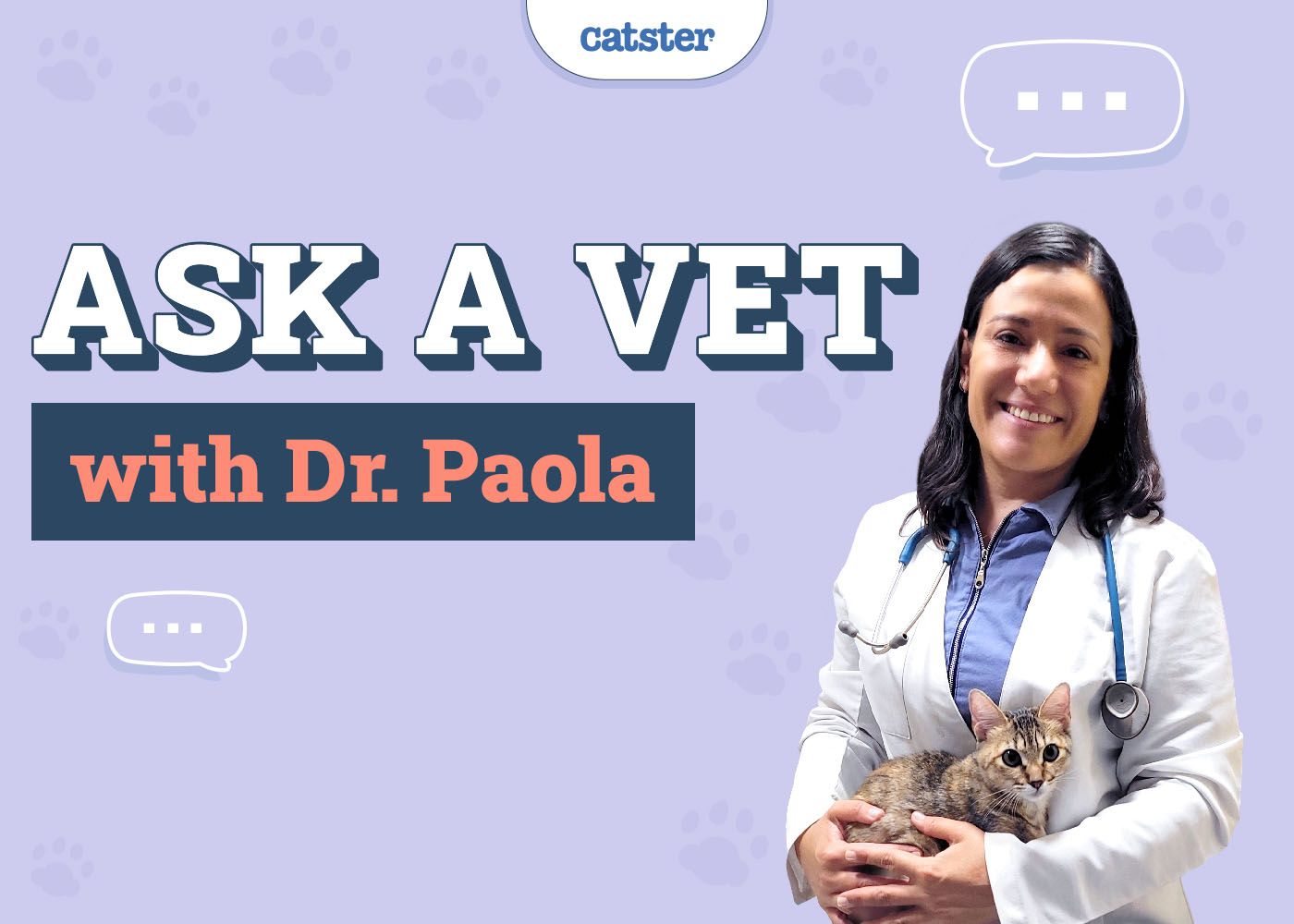
Welcome to our "Ask Dr. Paola" series, where every Monday we bring expert advice straight from Dr. Paola Cuevas (MVZ) to help our readers better understand their cat's health and well-being.
Whether you're a new pet parent or a seasoned cat lover, Dr. Paola is here to provide answers to your most pressing questions. From nutrition tips and preventive care to troubleshooting common behavioral issues, Dr. Paola is ready to offer insights that will keep your kitty happy, healthy, and feline fine. Stay tuned for expert guidance on a range of topics that matter most to you and your cat, so you can make informed decisions and provide the best possible care for your furry companion.
Have a question? Send it in here!

Help! How Do I Keep My Blind Cat Comfortable?
“Dear Dr. Paola,
My cat Linden is 17 years old and has gone blind over the last few weeks. His pupils are wide open all the time now. I am guessing it is cataracts. How can I help him? I can’t afford the cost of a vet and I don’t want to put him to sleep. How can I help him to at least be comfortable? Thank You" - Hollger
I’m sorry to hear about Linden’s vision loss, Hollger. It’s clear how much you care for him, and I want to reassure you that blind cats can still live comfortable, happy lives with some adjustments. While cataracts are one possible cause of his blindness, other conditions such as high blood pressure leading to retinal detachment, glaucoma, or other age-related issues could also be to blame. Even though you’re unable to take him to the vet, it’s important to note that these underlying conditions can cause pain or discomfort if left untreated. In fact, dilated pupils might be a sign of the pain itself.
Monitor him closely for any signs of discomfort, such as pawing at his face, vocalizing more than usual, or changes in appetite. If at any point you’re concerned about his quality of life, I suggest you explore low-cost veterinary clinics or animal welfare organizations that may offer assistance. We also offer a veterinary telehealth service, PangoVet, where you can have a face-to-face call with one of our veterinarians from the comfort of your home. While they are not a replacement for in-person veterinarians, they can help answer all of your questions and give you and Linden a tailored action plan for an affordable price point.
To help Linden adapt to his blindness, you should create a safe and predictable environment. Cats rely heavily on their sense of smell and hearing, so maintaining consistency in your home is essential. Avoid adding new, unknown scents or candles that besides being a threat to their respiratory health, might confuse him. Avoid moving furniture or leaving obstacles in his usual paths. Soft mats or rugs placed near important spots can also serve as tactile landmarks.
Encourage Linden to stay active with toys that make noise, like crinkle balls or feather wands with bells, to stimulate his play instincts through his hearing. Speaking to him frequently in a calm, reassuring tone can help him feel more secure.
Cats are incredibly resilient and can adapt to vision loss when supported by a loving owner like you. You’re doing your best for Linden, and with these adjustments, he can continue to enjoy his golden years in comfort and safety.
Best wishes! Dr. Paola


Help! My Cats Gets Getting a Clogged Nostril!
"Dear Dr. Paola,
My 9-year-old male Cornish Rex, Ringer, has suffered from a clogged nose in the wintertime when the heat is on, every single year. One nostril gets crusty, I have to pick off the dry bit in order for him to breath & the other nostril gets clogged inside. His temperature is normal, and he eats and drinks fine. Any suggestions for how to help and thoughts on why this happens?" - Paulina
Hi Paulina,
Ringer’s recurring nasal congestion in winter sounds uncomfortable for him and challenging for you. Since this pattern aligns with when the heat is on, it’s very likely related to the dry air in your home. Cats, especially those with finer coats like Cornish Rexes, can be extra sensitive to environmental changes, including reduced humidity, which can dry out the mucous membranes in their nasal passages and lead to crusting or clogging.
You can help Ringer by increasing the humidity in your home. A humidifier placed near his favorite spots can make a big difference by adding moisture to the air. If you don’t have a humidifier, you could place bowls of water near heat sources, as the evaporating water will help increase humidity. Or even bringing him inside the bathroom while you have a steamy shower. Regularly cleaning his nose with a damp, soft cloth or a saline nasal spray designed for cats (consult with a veterinarian or an online pet telehealth service to confirm the safest option) can help keep his nostrils clear and prevent crusts from forming.
It is always important to ensure his hydration levels stay optimal, as good hydration supports healthy mucous membranes. Offering him moisture-rich food, or adding a bit of water to his meals can help. Many cats are attracted to moving water so adding in a water fountain is also recommended.
Since you have clearly identified that this is a yearly issue, it’s worth observing if other irritants, like dust or allergens from heating systems, could also be affecting him. Cleaning air vents and using hypoallergenic HEPA filters may also help minimize irritants in the air. If you notice any changes, such as nasal discharge turning yellow or green, or sneezing, these are signs of infection or another underlying issue, and it is something that deems a vet visit. I hope this helps him!
Sincerely, Dr. Paola


Help! My Cat is Spastic in the Sun!
“Dear Dr. Paola,
I’ve got a real mystery here: I have a silver/gray American shorthair cat Sabi. He is very healthy aside from a little bit of a weepy eye, which is kind of standard for that breed. His coat is healthy. His skin is healthy. He loves to be brushed and petted, and is generally happy and healthy. However, every time he goes outside in the sunshine, he gets kind of spastic, like somethings biting him and itchy, and he runs back inside. It’s not fleas, and at this point, as I am asking this question it can’t really be any bugs at all because we’re in the middle of winter in the Pacific Northwest. It’s the first sun we’ve seen in a month. Poor guy just wants to sit out and enjoy it, but he keeps getting attacked by something itchy. – Jamie
Hi Jaime, Sabi’s reaction to sunlight is certainly a curious mystery, but it sounds like he may have a sensitivity or irritation triggered by direct exposure to the sun. While rare, cats can have a form of solar dermatitis or heightened skin sensitivity due to UV rays, even in cooler months when the sun is less intense. Another possibility is that the sun’s heat is amplifying a mild skin irritation or nerve sensitivity he already has, making him feel uncomfortable or “itchy” outdoors.
Since Sabi is otherwise healthy and his skin appears normal, I’d first suggest inspecting his coat for anything that might be heating up in the sun, such as small bits of debris, dust, or even oils from his environment. Sometimes heat can cause these particles to irritate the skin or hair follicles. Brushing him before and after his outdoor excursions may help rule this out. Another potential factor is photodermatitis, which can sometimes affect lighter-colored cats or those with less pigmented areas. Even if his coat looks healthy, the skin underneath may be reacting to UV exposure, especially if it’s thinner in some areas like his belly or around his ears. Drugs, plants, house chemicals, and even liver disease can contribute to this condition. Keeping him indoors during peak sunlight hours or providing shaded areas or a UV-blocking window with a cat hammock for him to lounge in might alleviate his discomfort. If you’d like him to enjoy more time in the sun, consider applying a cat-safe sunscreen to exposed areas of his skin, especially if you notice redness or irritation afterward (be sure the sunscreen is specifically formulated for pets, as human sunscreen can be toxic).
It is also worth considering whether the change in behavior might relate to sensory overstimulation. Bright light reflecting off his surroundings or the warmth of the sun could be triggering a nerve response, making him feel agitated. Cats are very sensitive creatures, and even small environmental factors can create significant reactions.
If Sabi’s signs persist or worsen, I’d recommend consulting one of our veterinarians at PangoVet, our pet telehealth service. They can help narrow down the possibilities and clarify whether there’s an underlying condition such as an allergy, nerve irritation, or skin sensitivity contributing to this, and let you know if a trip to the vet clinic is necessary or recommended. With a little detective work, it is possible to find a solution that lets him enjoy the sun comfortably!
This article is a part of our weekly Ask Dr. Paola series
Expert cat care, straight to your inbox
News, insights, and useful advice, delivered to you.

No spam — unsubscribe anytime.
By signing up, you agree to our Terms & Conditions and Privacy & Cookies Policy.
How useful was this post?
Click a star to rate. You can leave written feedback afterwards. (We read all feedback.)
Dr. Paola Cuevas MVZ (Veterinarian)
Dr. Paola Cuevas is the Senior In-House Veterinarian at Pangolia, the parent company of Catster. She has over 18 years of experience as a veterinarian and animal behaviorist. Paola's focus is on preventive medicine and animal welfare. Paola has a large range of skills in from diagnostic imaging to nutrition and clinical pathology. Paola enjoys sharing her extensive knowledge of animal training with our Catster readers and is always happy to answer reader questions as our in-house veterinarian.