5 Cat Marking Behaviors: Vet-Reviewed Facts & Prevention


In this article
Cats may be small, but they are territorial little things. It makes a lot of sense if you think about your cat’s wild ancestors. They were only able to survive if they were successful hunters with access to a secure and safe home range. While you may know that your cats are perfectly safe in your home, they don’t necessarily know that and may be cautious about any new things, pets, or people in their space. They may feel the need to mark their territory to feel safer in their home.
Read on to learn more about the different kinds of marking behaviors and what you can do to address them.

Why Do Cats Mark Their Territory?
There Are Newbies in the Home

If you have recently welcomed a new pet, your cat may feel their territory is being encroached upon. It is natural for them to want to send a message to this intruder that this is their territory. Your resident kitty will need plenty of time to adjust to the new household member, so you must introduce the two slowly and deliberately. Your new pet should be kept in a closed-off room for several weeks, allowing them time to adjust to their new home and giving your resident kitty some much-needed time to get accustomed to the new scents associated with their brother or sister.
The Cat Might Have Medical Problems
Urine marking behaviors can resemble increased frequency of urination for toileting purposes caused by a medical condition, such as lower urinary tract disease. Therefore, it’s important to get your cat checked out by a vet, especially if they are showing other signs such as excessive licking of the genital area, crying when urinating or blood in the urine.
Certain medical conditions can also cause increased anxiety and pain which may contribute to urine marking behaviors.
Marking Is Related to Mating Behaviors
Both male and female cats can spray, though unneutered males are the most likely to mark their territory this way. They will spray to attract mates, especially if female cats in heat are nearby, as their scent triggers their reproductive instincts.
They Are Stressed
Cats may try to act aloof and like nothing ever bothers them, but they’re creatures of habit. Even the seemingly smallest change to their environment can trigger stress and marking behaviors. Things like bringing home a baby, going away for a vacation, or an unknown kitty prowling the neighborhood can cause your kitty to mark their territory as they’re feeling anxious and trying to relieve those feelings by staking their boundaries.
The 5 Ways Cats Mark Their Territory
1. Rubbing

Cats have scent glands on their cheeks, chin, paws, flanks and at the base of their tail. When they rub themselves against objects (or even humans), they deposit their scent, leaving a message for other animals that this object or person has been claimed to.
2. Scratching
Cats also have scent glands on their paw pads, so they leave their scent behind any time they scratch something. Scratching is a natural behavior of all cats, big and small, so don’t punish yours if they’re ruining your furniture. Instead, train them to use a scratching post so they’ll divert their energy to healthy and non-destructive forms of scratching.
3. Leaving Their Feces Uncovered

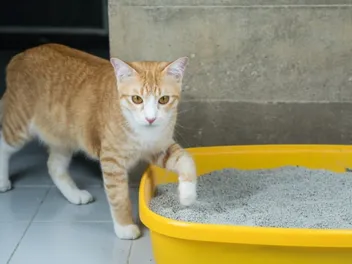
Cats will sometimes leave their poop uncovered as a way to communicate dominance, especially if there’s more than one cat in the home or if you’ve recently welcomed a new one into your life. However, this isn’t the only reason your cat isn’t covering their poop. They’ll sometimes skip the covering step if they don’t like the texture of the litter or if there’s a medical issue afoot. If your kitty is in pain or uncomfortable while doing their business, they won’t want to spend a second in the litter box longer than they have to, thus leaving their feces uncovered.
4. Licking
Feral cats lick each other to leave a smell on the fur of their colony mates. A group of feral cats will develop a group smell that tells them which cats are part of their social group. If your cat licks you or other objects in their space, they may be trying to leave their scent.
5. Urine Marking & Spraying

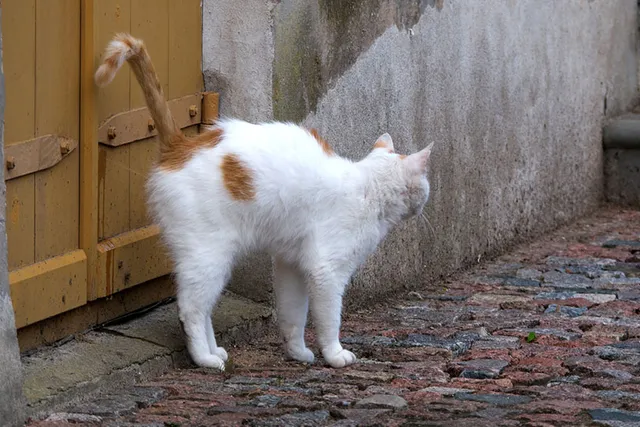
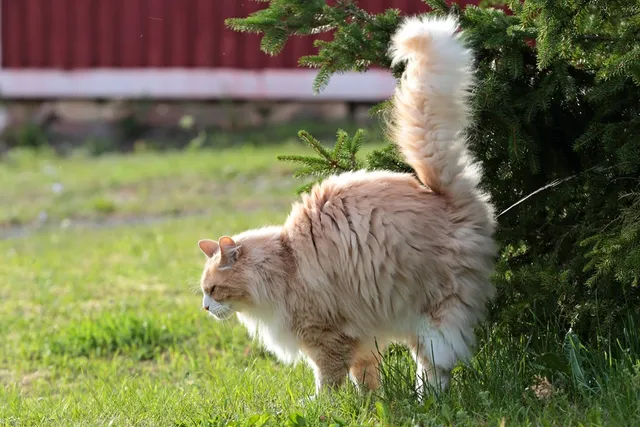
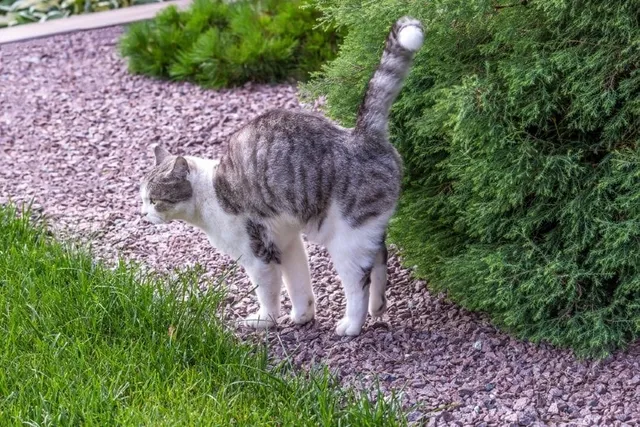
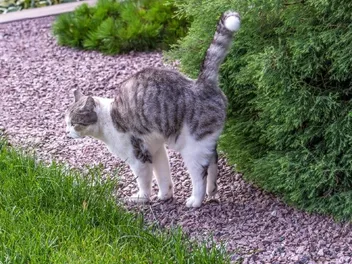
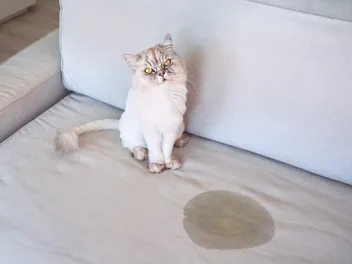
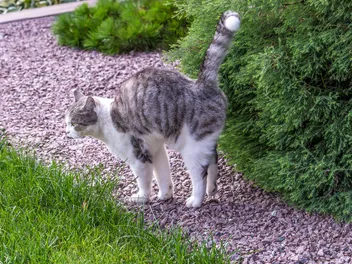
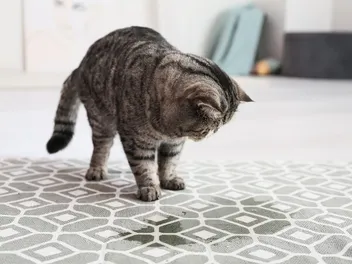
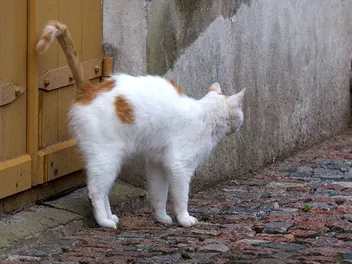
Urine marking happens in one of two ways: spraying urine on vertical surfaces or urinating on horizontal surfaces. The difference between the two behaviors is what your cat does during urination. When a cat sprays, they will back up into the area, may or may not quiver their tail, and urinate. Regular urination occurs when they squat to pee on a horizontal surface.
Both spraying and urine marking are used to mark territory but urine ‘squat’ marking needs to be differentiated from increased frequency of urination for medical reasons.
How to Address Inappropriate Marking Behaviors
Urine marking and spraying can be incredibly messy and stinky, so what do you do if your kitty engages in such behaviors?
Clean thoroughly

A marked spot is at a very high risk of being marked again as your cat can smell themselves and may feel they need to “freshen up” their scent. You need to completely eliminate the urine scent to break this behavior. Use cat-specific enzymatic cleaners and urine absorbers to remove the smell. You might also wish to use a blacklight to find where exactly in the room your cat marked.
Determine the “why.”
Knowing why your cat is marking their territory can help you address the behavior. For example, if they’re stressed out because they can see outdoor cats walking around your yard, you might consider restricting your cat’s access to windows.
Change the significance of the marked areas
Try feeding or playing with your kitty in areas they’ve previously marked. Cats like to keep their meal areas separate from their toileting area, so feeding them where they’ve marked before can help dissuade them from marking there again.
Keep new smells locked away
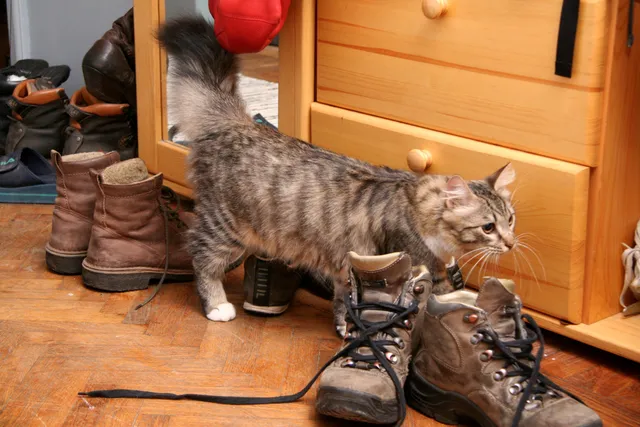
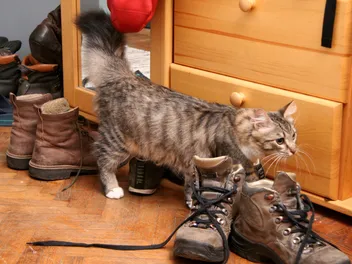
Cats will sometimes urine mark things with unfamiliar scents. Keep new objects or guest belongings in a closed closet or cabinet to prevent your cat from marking them with their scent.
Look at your litter boxes

Though marking isn’t necessarily an elimination problem, conflicts can arise in multi-pet households if there aren’t enough litter boxes to go around. You should have one box for each cat, plus an extra one. Place them throughout your home so there’s always one accessible. Make sure the boxes are cleaned daily.
Distribute resources
Marking behaviors often occur in multi-pet households as your cats may feel there aren’t enough resources to go around. Provide multiple food and water sources, as well as scratching posts and toys, so your kitties don’t feel they claim such objects by marking. Each cat should feel that they have a core territory that’s theirs.
Talk to a vet
A vet can provide some valuable insight and advice as they know your cat(s) and their medical history. They may recommend pheromone therapy or medication, depending on the severity of your cat’s marking behaviors.

Final Thoughts
It is important to remember that territory marking is a completely natural and normal behavior in cats. Your cat is not marking their territory to spite you, as much as it may feel that way, as you clean your floors or furniture with enzymatic cleaners. It might be helpful for you to think of the world through their eyes and try to give each cat what they need or want to stay happy and healthy.
Sources
Featured Image Credit: Elisa Putti, Shutterstock
Expert cat care, straight to your inbox
News, insights, and useful advice, delivered to you.

No spam — unsubscribe anytime.
By signing up, you agree to our Terms & Conditions and Privacy & Cookies Policy.
How useful was this post?
Click a star to rate. You can leave written feedback afterwards. (We read all feedback.)
For Chantelle, writing and animals are the two driving forces in her life. Growing up on the Canadian prairies surrounded by pets, she now shares her home with five cats, two guinea pigs, and a bearded dragon. Chantelle, her husband, and their child pride themselves on being dedicated pet parent, even spending a fortune on wall-mounted cat shelves to provide their cats with an indoor jungle gym. When she's not snuggling with her cats or photographing their humorous moments, Chantelle is exploring the Rocky Mountains, rewatching her favorite Netflix series, and reading up on various random subjects.