Scruffing a Cat: Vet-Reviewed Risks & Safety Advice


In this article
Cats have been beloved companions to humans for centuries; art, writing, and antiquities from cultures across the world feature cats. Due to their popularity, cat enthusiasts often find themselves navigating a vast sea of information on how to best care for their feline friends. One particular topic has caused a large amount of debate—scruffing.
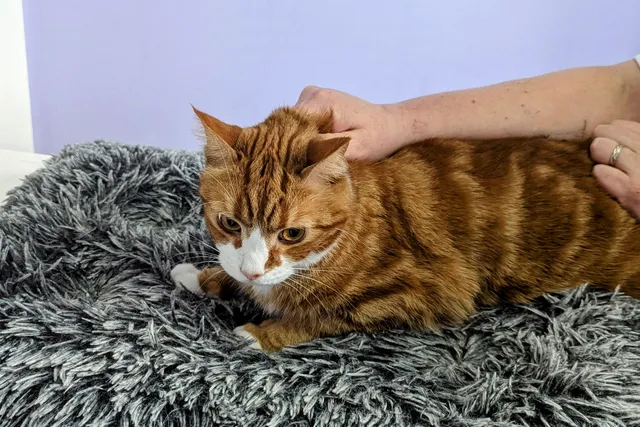
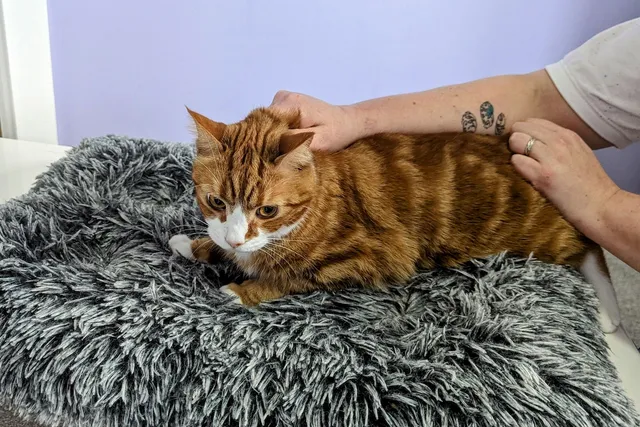
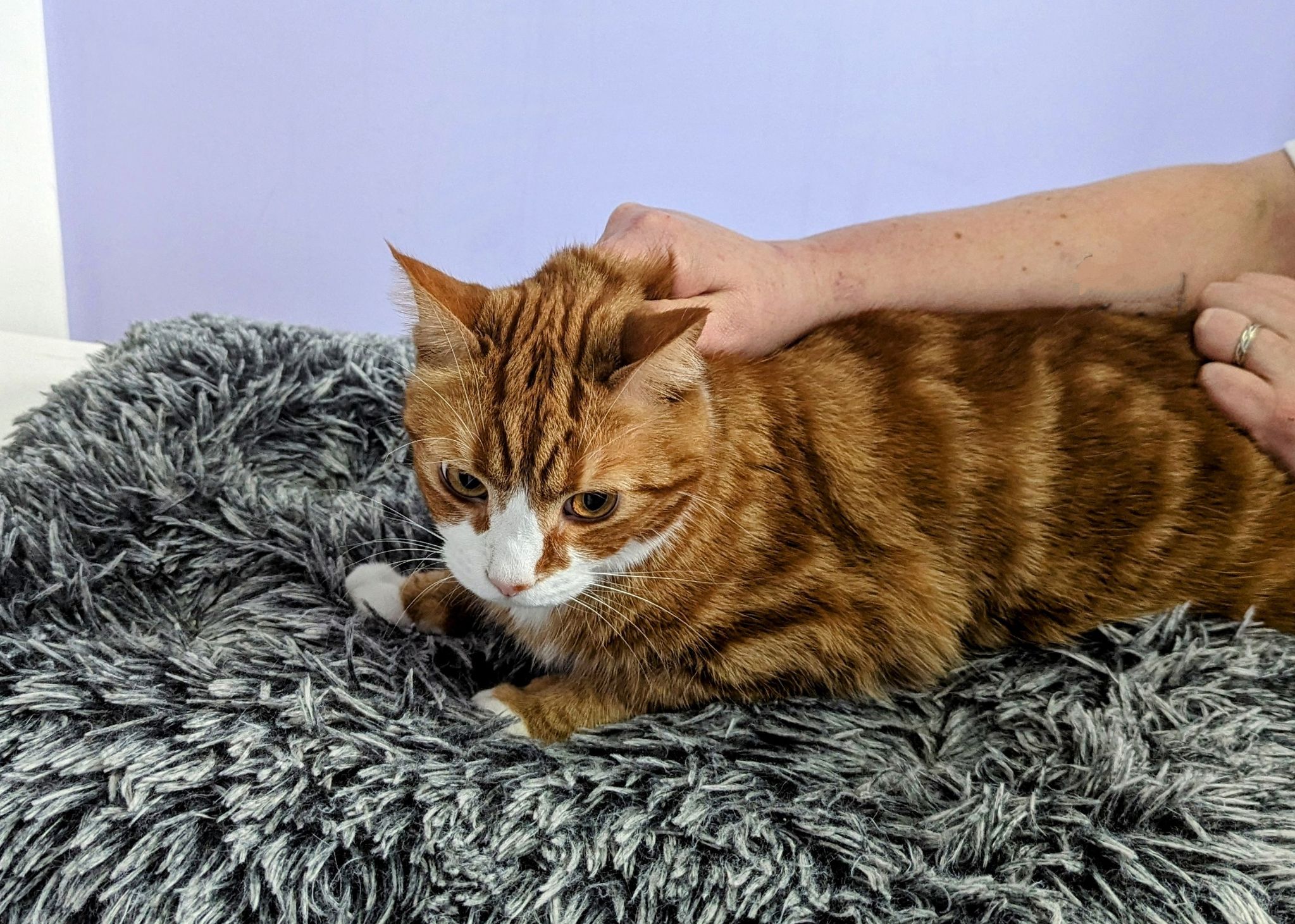
Scruffing is grabbing and holding/lifting a cat by the loose skin on the back of its neck. People might use it as a means of disciplining their cats, getting them into a cat carrier, or restraining them for a vet or grooming visit. This technique has been both praised and criticized, but in recent years, cat experts and veterinarians have agreed that scruffing is not safe and is never recommended as a way of handling your cat 1.
In this article, we'll delve into the information surrounding cat scruffing and learn why it could potentially harm our furry companions.

A Bit of Scruffing History
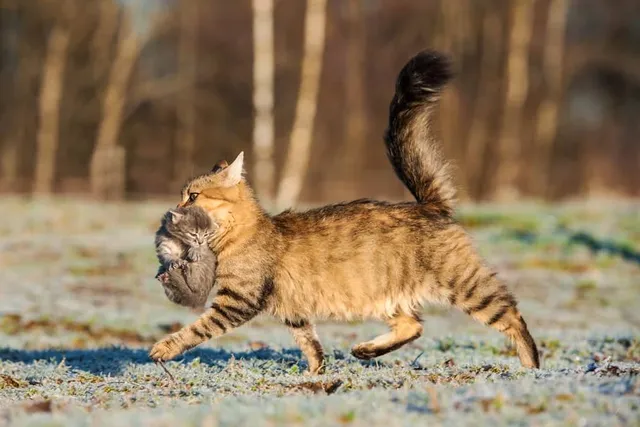
The concept of scruffing traces its roots back to kittenhood. Mother cats transport their kittens during their early stages of life by carrying them in their mouths. The loose skin on the back of a kitten's neck is the perfect grip for a mama cat who needs to move her brood safely from one place to another.
It's important to recognize that this behavior is natural for mother and kitten, and her mouth grip differs significantly from how humans might attempt to scruff a cat using their hands.

The Case Against Scruffing
People who scruff cats certainly don’t mean any harm; they’re copying what seems to be an intuitive and natural technique for cats. For context, mama cats only scruff their kittens when they’re tiny and unable to see or hear; at this stage of development, their necks and spines aren’t as vulnerable. The truth is that people scruffing a cat at any stage of life can be harmful, painful, and potentially traumatic for cats.

The Verdict Is In: Scruffing Is Out
According to veterinarians, the loose skin on the back of a cat's neck is a sensitive and important part of a cat’s body. Improper scruffing can cause physical and emotional damage to your feline friend. Here are some specific reasons why scruffing is a practice that should be left to mother cats:
1. It’s uncomfortable and hurts
The loose skin on the back of a cat's neck is connected to the scruff, a sensitive area containing many nerves and adjacent to the spinal cord. Improper or forceful scruffing can cause pain and discomfort for the cat. If the technique is used excessively or inappropriately, it may lead to physical stress and potential injury.

2. It stresses your cat out and makes them anxious
Cats are not all the same in behaviors and traits: they are individuals with unique personalities, and not all respond positively to scruffing. For some cats, being grabbed by the scruff can be a very frightening or stressful experience. This can lead to increased anxiety and fear around you and other people, potentially causing behavioral issues and undermining the trust between the cat and its owner.
3. It causes negative associations.
Some people scruff cats to deter or curtail inappropriate behavior quickly. If that behavior is happening because your cat is experiencing stress or discomfort, it may start to associate scruffing with those negative situations. This can result in an aversion to handling, grooming, or other interactions with the owner.
4. It doesn’t work.
Discipline rooted in pain and fear may result in minor change, but it will absolutely damage your cat’s psyche and relationship with them. Positive reinforcement techniques, such as rewarding good behavior with treats or praise, are more effective in shaping desirable behavior without the negative consequences of scruffing.

How Can I Discipline My Cat in a Way That Isn’t Damaging?
Of course, sometimes, feline behaviors need to be steered in a different direction. Litterbox avoidance, damage to furniture, or aggression can be very frustrating for a cat owner. Now, we know that scruffing is harmful and won’t help change things, but what will?
Positive reinforcement has gained popularity as a more humane and effective approach to training and handling cats. Using treats, toys, and praise to reward good behavior encourages a positive association between the cat and the desired actions. This method helps build trust and a stronger bond between the cat and its owner. Clicker training and interactive play can also help build a strong bond between cat and owner without resorting to potentially distressing techniques like scruffing.

What if I Need to Restrain My Cat Safely?
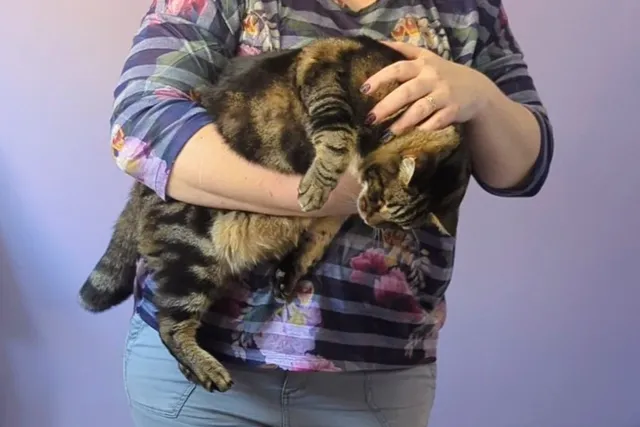
Safe restraint is sometimes necessary in various situations, including grooming, administering medication, or during visits to the veterinarian. Cats can be sensitive to restraint, and we know scruffing is dangerous, so it's crucial to approach restraint calmly and consider the cat's comfort. Here are some tips on how to safely restrain a cat:
1. Stay Calm and Gentle
Approach the cat calmly and speak to it in a soothing voice. Sudden movements or loud noises can startle and stress the cat.
2. Use a Towel or Blanket
Wrapping the cat in a towel or blanket can provide security and limit its movement. This is especially helpful when administering medications or grooming.

3. Cat Bag or Restraint Device
Commercial cat restraint bags or devices are available and can be useful for certain procedures. These devices allow access to specific areas of the cat's body while keeping them safely contained.
4. Consider a Towel Wrap
For grooming or administering medications, you can create a towel wrap by gently wrapping the cat in a towel, leaving only the head exposed. This can help keep the cat calm and prevent sudden movements.
In Conclusion
As cat owners, we are faced with potentially contradictory or out-of-date information about cat care. One topic with conflicting information and opinions is scruffing; let us reassure you that it is not safe or effective.
While scruffing may be inspired by natural maternal behaviors, it is essential for cat owners to be aware of the potential risks and drawbacks associated with this technique. Opting for alternative, positive reinforcement methods that prioritize the cat's well-being and emotional health can contribute to a more harmonious and trusting relationship between cats and their human companions.
Featured Image Credit: Dr. Karyn Kanowski, Catster.com
Expert cat care, straight to your inbox
News, insights, and useful advice, delivered to you.

No spam — unsubscribe anytime.
By signing up, you agree to our Terms & Conditions and Privacy & Cookies Policy.
How useful was this post?
Click a star to rate. You can leave written feedback afterwards. (We read all feedback.)
Catster is a cat magazine and cat website where cat lovers come together and get expert advice about cat behavior, cat health and cat news.