Can Cats Drink Milk? Vet Approved Nutrition Facts & FAQ


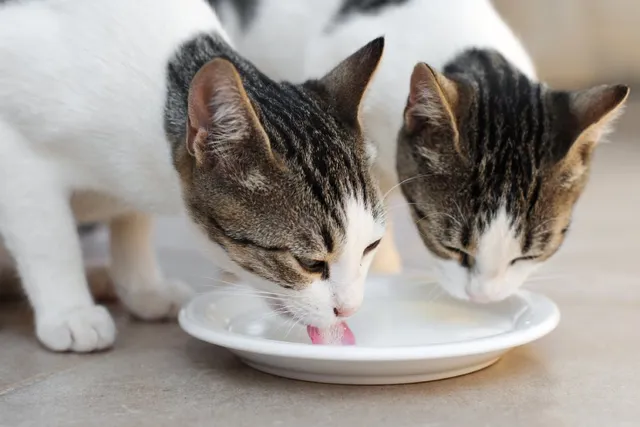
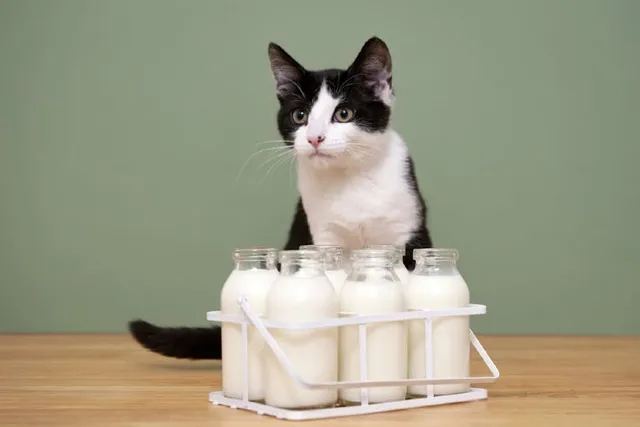
Cats drinking a saucer of milk or cream is something we can all picture. Cats have been drinking milk in advertisements, cartoons, and even through popular sayings like the "cat that got the cream," but can cats really drink milk? Despite what pop culture led us to believe, most cats are lactose intolerant. While cats can drink milk (and some will suffer no ill effects), most cats start to lose the enzymes that allow them to digest certain sugars in milk from the time they are weaned.
This loss of enzymes can cause digestive problems for many cats when they drink milk. This article will examine why most cats are lactose intolerant, what happens if they drink milk, what kind of milk cats can drink, and whether milk harms cats. Take a look and see why leaving a bowl of fresh milk out for your cat is most likely not a good idea!

Why Can't Cats Drink Milk?
Cats begin life with the enzymes they need to digest their mother's milk present in their gastrointestinal system. Lactase, the enzyme that digests the sugars in milk, is necessary so kittens can gain all the nutrients they need from their mother's milk to grow and thrive. As kittens age, the number of enzymes in their gastrointestinal system steadily decreases. When a kitten reaches around 1 year old, most (if not all) of these enzymes are completely gone, and the cat will be lactose intolerant. Some cats keep these enzymes and can digest milk, but they still shouldn't be given milk.
Most cats are lactose intolerant because they can't digest lactose, so it remains undigested as it travels through their gastrointestinal system. This milk sugar causes problems in the cat's intestines, drawing in water and fermenting. When water is brought into the intestines, it causes diarrhea, which can sometimes be sudden and explosive. Fermentation of the sugars in the intestines also causes gas buildup, vomiting, bloating, and flatulence, along with other signs of allergies. This combination is unpleasant for the cats and their owners, so it's advised not to give your cat milk to drink unless recommended by your vet.
Is Milk Bad for Cats?

Milk isn't toxic for cats, but it isn't good for them. As we've mentioned above, many cats are lactose intolerant as adults; giving these cats a saucer of milk will only make them sick and feel terrible. However, milk isn't great for cats, even if they aren't lactose intolerant, since it’s high in fats and calories. The People's Dispensary for Sick Animals (PDSA) says that one saucer of milk has the equivalent number of calories for a cat as an entire 12-inch pizza for a human, so even the smallest sip can cause cats to pile weight on! Drinking milk can also mean your cat gets less nutrition in the long run, so it's best to avoid milk in favor of plain water.
Can Cats Drink Other Types of Milk?
While cow's milk is usually the type referenced when talking about lactose intolerance, there are other kinds of milk that cats can and can't drink. While goat's milk doesn't have as much lactose as cow’s milk, it can still potentially upset a cat's stomach due to still having some lactose remaining. Goat's milk is also very high in fat and calories (more than cow's milk), so it shouldn't be fed to your cat.
Plant-Based Milk

Plant-based milk is also available on the market for people with lactose intolerance. Almond milk, soy milk, and oat milk are not suitable for cats because cats are obligate carnivores and it offers them no useful nutrition. Some plant milks may also include ingredients that are potentially harmful for them to drink.
Almond milk is created by blending almonds with water and straining the solids. Cats can drink almond milk without issues, but only in small amounts. Large amounts may give them digestive problems and the low protein levels and high fat content is not ideal for our cats.
Soy milk is another milk made by soaking and then crushing soybeans. Soy milk isn't toxic to cats, but as with all plant-based products, it cannot meet your cat’s nutritional needs and so they won’t benefit from drinking it. Soy and other plant-based milk can contain high amounts of fats and oils, which can cause digestive upset such as vomiting, diarrhea, and gas, so it's better to serve water to your pet than plant-based milk.
Can Kittens Drink Cow’s Milk?
Kittens shouldn't be given cow's milk under any circumstances. The only milk kittens should drink is their mother’s milk, or a specific kitten milk replacement formula. Cow's milk does not provide the essential nutrition a kitten needs and is likely to cause adverse digestive effects. Kittens can suffer with malnutrition if fed cow's milk, and will become dehydrated very quickly if they begin to vomit or develop diarrhea.
Why Do Cats Love Milk?

Despite most cats being lactose intolerant, they seem to fall head-over-heels for milk! The fact is that milk is creamy, fatty, and rich; cats love milk because it tastes good to them. Cats can immediately smell the high-protein, high-fat liquid and are naturally drawn to it, which doesn't help when you're trying to avoid giving it to them.
If your cat is milk-crazy, you can buy specially made “cat milk” from the store. They are created without lactose and are often flavored, so they're much less likely to give your cat an upset stomach. However, they are still very high in fat, so they shouldn't be fed regularly, and kittens shouldn't be given this milk as it's not a substitute for their mother's milk.

Final Thoughts
Cats and milk are synonymous with each other, but it's important not to give in to your cat's pleading. Milk is bad for cats all around; if your cat is lactose-intolerant (which almost all are), they'll likely have an upset stomach which can include gas, diarrhea, and vomiting. If your cat is not intolerant to lactose, they can still suffer adverse effects such as excessive weight gain from drinking milk. Plant-based milk and goat's milk are also not great for cats, plant milk does not offer nutritional benefits and goat's milk is very high in fat and calories. Cats are happy with fresh water, so you don't need to supplement their diet with milk.
Related Reads:
Sources
Featured Image Credit: bogdan ionescu, Shutterstock
Expert cat care, straight to your inbox
News, insights, and useful advice, delivered to you.

No spam — unsubscribe anytime.
By signing up, you agree to our Terms & Conditions and Privacy & Cookies Policy.
How useful was this post?
Click a star to rate. You can leave written feedback afterwards. (We read all feedback.)
Beth is a mom to two toddlers: one with four legs, one with two. Beth has years of practical experience as a veterinary care assistant, working in both the operating room and in consult, expanding her knowledge to gain certification in her favorite subject: feline behavior and welfare! When she's not writing about her favorite topics (cats and creature comforts), she's looking after her two-year-old daughter and her mischievous eight-year-old Nebelung, Kiba. When she gets a moment's respite, Beth loves to delve into fiction books. Horror is her favorite genre, with fantasy and rich history being her second go-to's.