11 Hypoallergenic Cat Breeds for People With Allergies (With Info & Pictures)

In this article
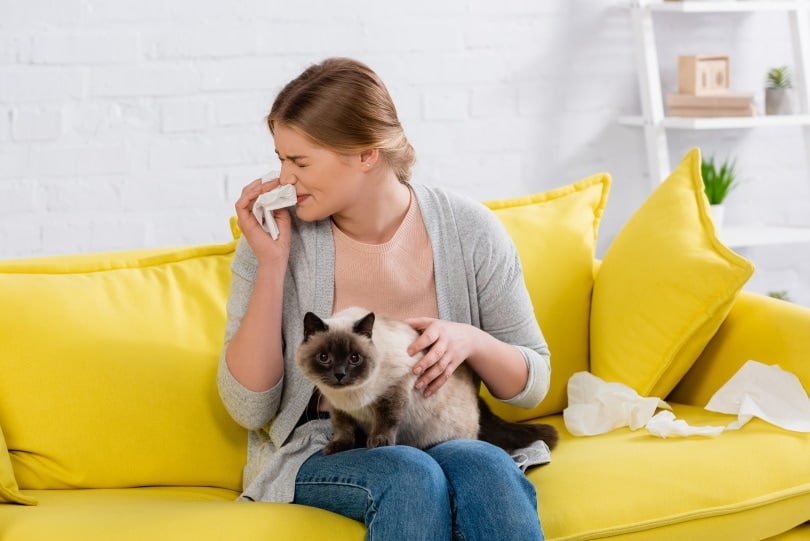
Cats are extraordinary companions that give us love, cuddles, and often more than a few laughs. No wonder they're one of the most popular pets on the planet. While being around animals has health benefits, hanging out with cats can be unpleasant for people with allergies. Allergies occur when your body responds to common irritants like pollen, dust, and pet dander.
Most cat allergies are specifically triggered by a protein found in the saliva, known as Fel d 1. All cats produce the Fel d 1 protein, so there's no such thing as a truly hypoallergenic cat. However, a few breeds trigger fewer or milder reactions in those with sensitivities to cats. Keep reading to learn more about 11 lower-allergen cat breeds for people with allergies.

The 11 Hypoallergenic Cat Breeds for People With Allergies
1. Devon Rex Cats

| Lifespan: | 15–20 years |
| Size: | 7–12 pounds |
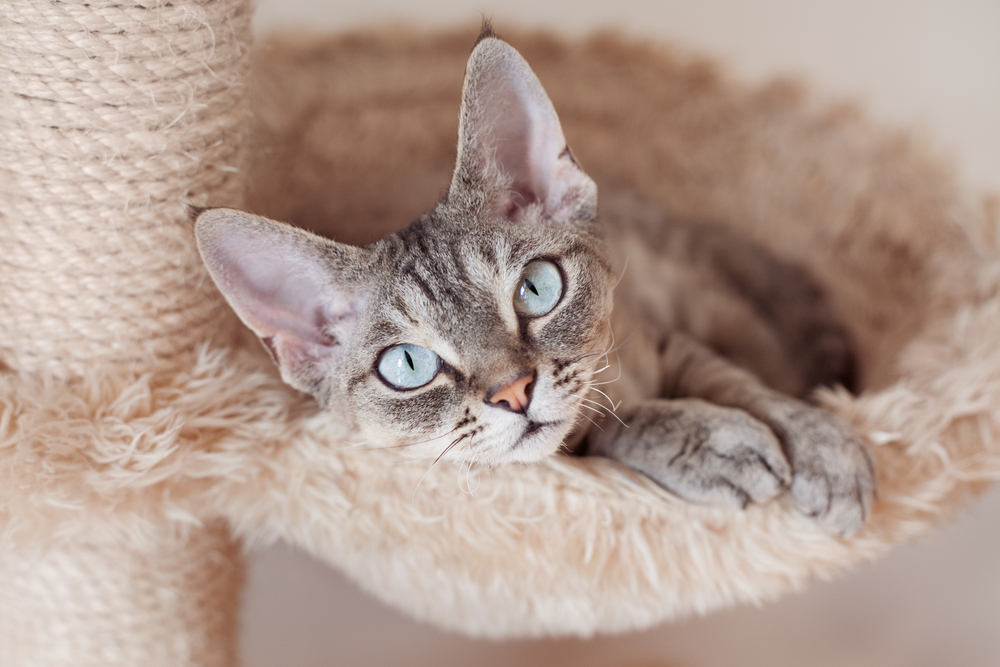
Devon Rex cats have gorgeous big eyes that perfectly complement their large ears. They're typically slender and athletic, with graceful, slightly bowed front legs. Their soft, curly coats come in almost every color imaginable and don't require much attention. Most are accomplished jumpers that love to spend time hanging out in high places.
Devon Rex cats are often dog-like due to their tendency to seek human companionship and are known for becoming particularly attached to one person. They don't shed much but produce the protein that causes most allergic reactions in people.
2. Burmese Cats

| Lifespan: | 15–20 years |
| Size: | 8–12 pounds |
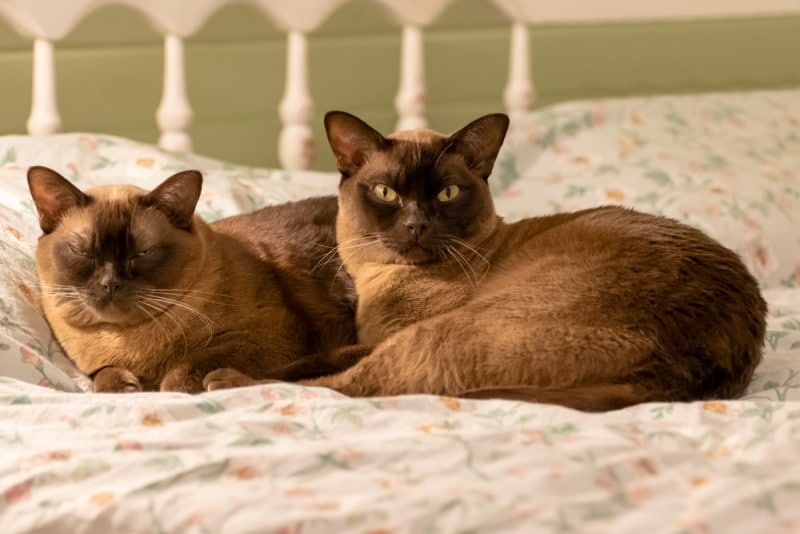
This breed originates from the area between Thailand and Burma (Myanmar). They have short, dense coats that require little grooming since they’re not excessive shedders.
Burmese cats come in several colors, including sable, champagne, platinum, and blue. Most love spending time around people and are known for enjoying snuggles and hanging out on their favorite person's lap. Often referred to as the dogs of the cat world, some enjoy playing games like fetch!
3. Bengal Cats

| Lifespan: | 12–15 years |
| Size: | 6–12 pounds |
A mix between domestic cats and Asian leopard cats, Bengals are known for their gorgeous spotted fur, wild looks, and energetic personalities. They're usually incredibly smart and can be trained to walk on leashes and come when called. Bengal Cats generally have high mental stimulation and physical activity needs.
They require plenty of daily exercise and are happier in homes where they can interact with family members. Bengals that don't receive sufficient attention and exercise can become stressed, which can lead to destructive behavior and litter box issues. They usually don't shed much but produce the Fel d 1 protein.
4. Sphynx Cats

| Lifespan: | 15–20 years |
| Size: | 8–10 pounds |
Sphynx cats have large eyes and delightful upright ears. If there was ever going to be a hypoallergenic cat it would be the Sphynx cat, right? While most people think the breed is hairless, these kitties can have soft, sparse fur. Although they're often considered good for allergy sufferers, even the hairless variants produce the Fel d 1 protein that triggers most pet allergies.
Hairless cats don't require brushing, but they need regular baths to prevent oil build-up on their skin, and extra warmth provided in the colder months. They're playful, curious, and quite talkative. Sphynx Cats are usually highly social felines that thrive in environments where they can spend time with their favorite people.
5. Russian Blue Cats

| Lifespan: | 12–15 years |
| Size: | 7–13 pounds |
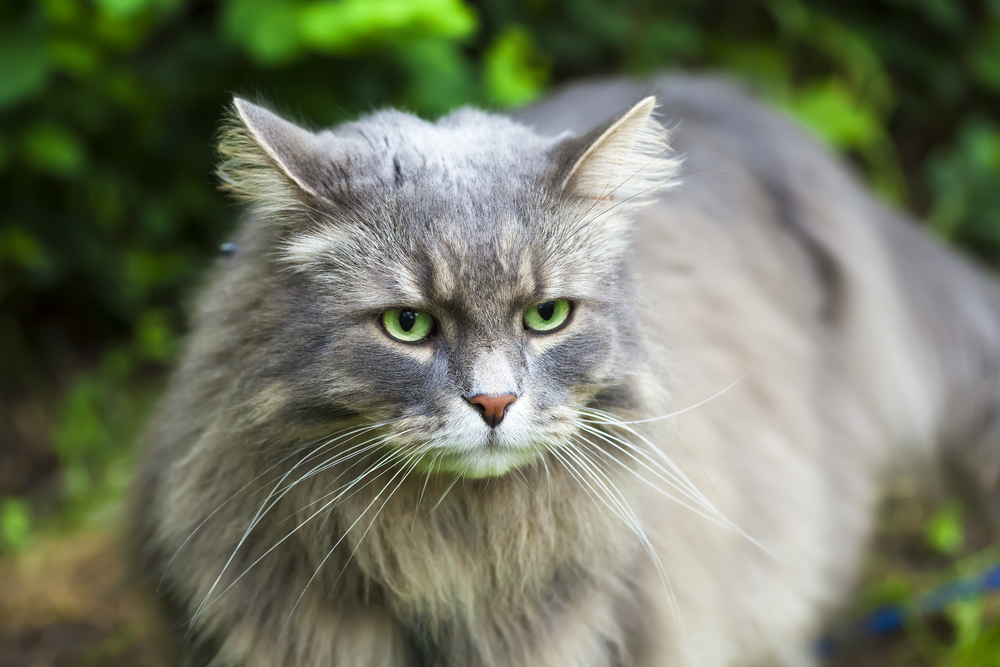
Russian Blues have beautiful dense gray coats and striking green eyes. These medium-sized kitties are loving but independent, and many aren't fond of cuddling. Russian Blues are relatively quiet and prefer homes without too much activity.
They're usually delighted to spend time alone, and most don't become stressed when left alone for reasonable periods. Although they produce Fel d 1, Russian Blues are considered good choices for allergy sufferers.
6. Siberian Cats

| Lifespan: | 12–15 years |
| Size: | 12–20 pounds |
Siberian cats are stunning felines with luxurious, thick medium-long coats. They're a natural breed that's native to the cold forests of northern Asia. These incredibly large cats can easily weigh up to 20 pounds.
Although they have incredibly thick fur, Siberians are often good options for allergy sufferers since most produce less of the Fel d1 that triggers allergic reactions in people. They can live for up to 15 years and are known for their mellow personalities and adaptability.
7. Javanese Cats

| Lifespan: | 12–15 years |
| Size: | 6–12 pounds |
Javanese are medium-sized kitties with short, silky, pointed coats that come in shades of cream, red, and smoke. They're not heavy shedders, and they don't require much brushing to look sharp.
They prefer to spend time with people and dislike being left alone. Javanese are vocal pets, and many regularly have "conversations" with their owners. They are closely related to Siamese and Balinese cats, and it's usually pretty easy to train them.
8. Cornish Rex Cats

| Lifespan: | 15–20 years |
| Size: | 6–8 pounds |
Cornish Rex Cats have large ears, striking cheekbones, and soft, silky, wavy to curly fur that doesn't shed much. They often maintain kitten-like personalities even when they’re all grown up. Many are fine being picked up and carried around and love to be around their owners. They have high energy levels and prefer exercising with their human family. For some reason, many Cornish Rex Cats love nibbling on vegetables!
9. Balinese Cats

| Lifespan: | 15–20 years |
| Size: | 5–8 pounds |
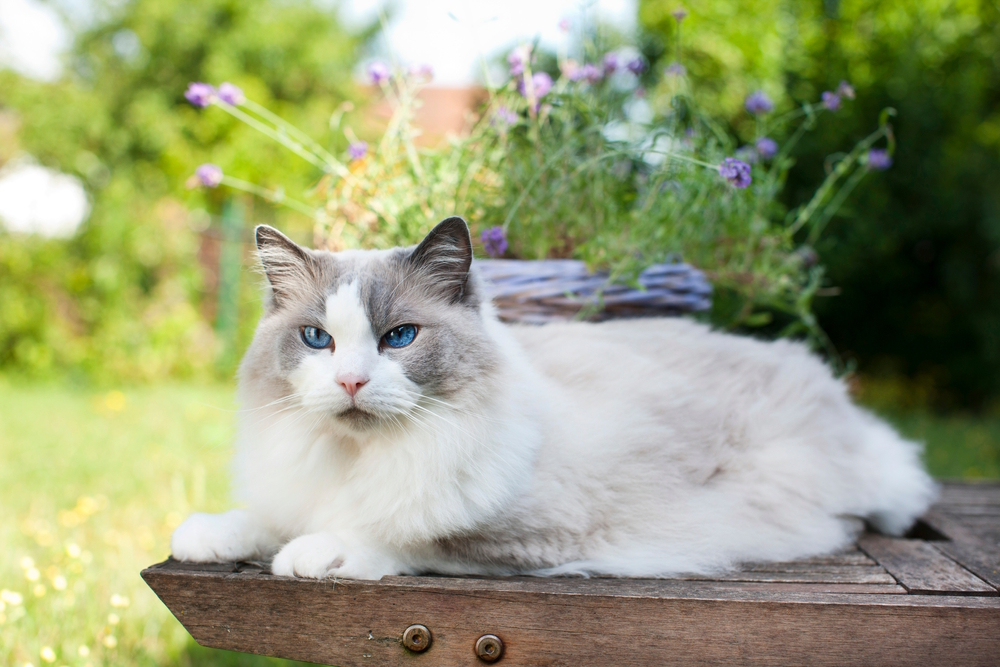
Balinese cats are essentially Siamese kitties with long hair, and the two breeds share several personality traits. Balinese are friendly and sociable and are more than happy to express their discontent with meows.
They're incredibly smart, and with patience and a few treats, many can learn to do tricks. Balinese don't require much when it comes to grooming and are light shedders. They typically love spending time in high places, and cat trees and shelves are often popular hangouts.
10. Oriental Shorthair Cats

| Lifespan: | 15–20 years |
| Size: | 7–12 pounds |
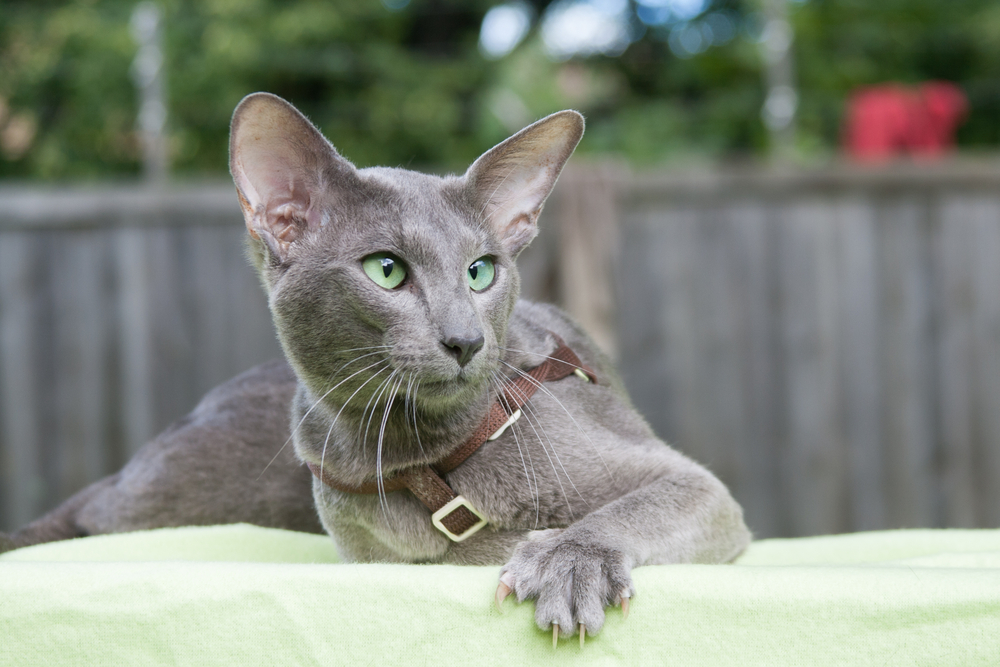
Oriental Shorthair cats are closely related to Siamese Cats and share similar body types and personalities. However, Oriental Shorthairs come in more colors and tend to be less vocal than Siamese Cats.
Oriental Shorthairs have adorably large ears and elegant triangular heads that give them a slightly different appearance than their Siamese Cat relatives. They're often active and benefit from regular physical activity to help manage their energy. Bored Oriental Shorthair Cats are smart enough to cause serious trouble!
11. Siamese Cats

| Lifespan: | 12–15 years |
| Size: | 5–8 pounds |
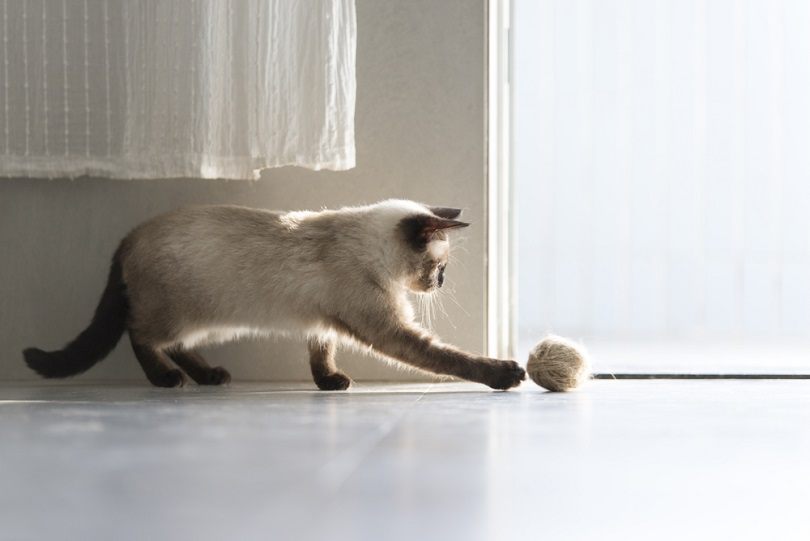
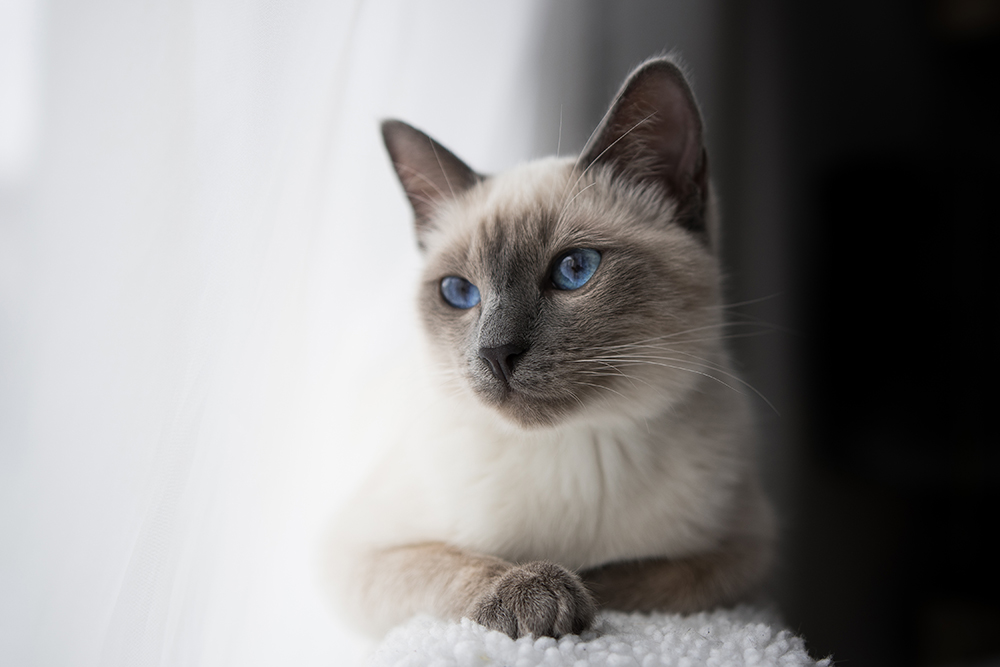
Siamese Cats have gorgeous, pointed fur in several colors, including lilac, blue, seal, and chocolate. They're originally from Thailand (formerly called Siam), but have become popular worldwide due to their fun personalities and unique appearance. They're sleek, athletic cats weighing between 8 and 14 pounds. Most have relatively large ears and large blue eyes. Siamese become quite attached to their favorite people, and many don't enjoy being left alone. They’re incredibly smart and have relatively high stimulation and interaction requirements. Unfortunately for owners living in apartments, Siamese are loud cats!
Tips for Minimizing Cat Allergens
While there may be no such thing as truly hypoallergenic cats and it's impossible to eliminate allergens, there are ways to limit the cat dander swirling about, which can reduce the frequency and severity of mild allergy symptoms.
Get Serious About Vacuuming
Regular vacuuming goes a long way in reducing the severity of allergy symptoms. Make sure to spend extra time in areas where fur and dander often accumulate, such as in corners and around floorboards. Places where pets enjoy spending time, like on couches, benefit from extra attention. Vacuum all upholstered furniture well, and remember to use the crevice tool for a solid deep clean.

Get Rid of Carpets
Hardwood floors are better for those with allergies who live with cats. Materials such as parquet, engineered wood, and vinyl flooring don't hold onto allergens and are generally easier to keep clean. When cleaning, use a moist cloth or mop to prevent allergens from becoming airborne.
Make Bedrooms Cat-Free Zones
Most people spend most of their time at home in the bedroom, so it often pays to keep sleeping areas as allergen-free as possible. Keeping bedrooms off-limits for cats can significantly decrease the amount of dander and fur in the area. Regularly laundering sheets, comforters, and pillows can also help. And running a HEPA air filtration system continuously can reduce the particulates in the air, which may improve some allergy symptoms.

Use a Damp Cloth or Brush When Grooming
Even low shedding cats will need a tidy up now and then. Using a slightly damp cloth or brush with the bristles wet with some water can help to give your cat their beauty treatment without sending too much dander into the air. You can even pick up grooming sprays that can be used just for this purpose.
Future Options
There is research being conducted into isolating and concentrating a specific protein found in eggs to cat foods to help reduce the allergen status of Fel d 1, which may be an exciting development for cat allergy sufferers. Keep an eye out for this!
Conclusion
While there's no such thing as truly hypoallergenic cats, some feline breeds are reasonably good choices for allergy sufferers. but keep in mind that all cats produce the protein responsible for causing most allergy symptoms in people. Being around even "hypoallergenic" cats can cause symptoms in some allergy sufferers. However, regular vacuuming, using HEPA air filters, and keeping cats out of bedrooms can help manage minor allergy symptoms. There is more work being done into reducing the allergen load of feline saliva through diet modification, so there is more hope for the future!
See also:
Featured Image Credit: Marie Charouzova, Shutterstock

Expert cat care, straight to your inbox
Vet-reviewed advice, behavior tips, and the best of Catster. Free, and you can unsubscribe anytime.
By signing up, you agree to our Terms & Conditions and Privacy & Cookies Policy.
Christian started writing for a local newspaper as a teenager, and he's been involved in the publishing industry for most of his adult life. Combining his love of writing with a passion for animals, he is currently the Director of Editorial at Pangolia and the Editor-in-Chief at Catster.
Christian lives in the Philippines with his wife, son, and four rescue cats: Trixie, Chloe, Sparky, and Chopper.
Join the conversation
Ask a question, share your story, or send private feedback.