Turkish Angora Cat Breed: Info, Pictures, Traits & Facts

In this article
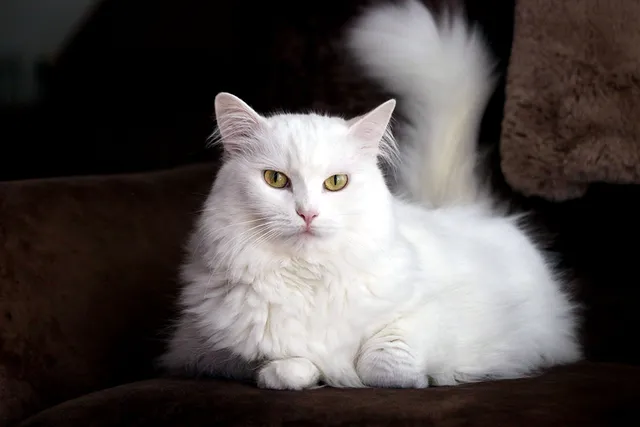
Nicknamed the “Border Collie of the cat world,” the Turkish Angora is not a breed that’s easy to forget once you’ve met one. You might not be familiar with them because they're less well-known in the United States, but the Turkish Angora is worth introducing. Keep reading for all the facts and information about this unique cat.
Breed Overview
Length:
Weight:
Lifespan:
Colors:
Suitable for:
Temperament:
The Turkish Angora is believed to be native to central Turkey, with a history dating back hundreds of years. Since the early 20th century, the Ankara Zoo in Turkey has maintained a breeding program for the cats and protected them from near extinction. With their silky coats and outgoing personalities, the Turkish Angora makes a lovely pet.
Turkish Angora Characteristics

Turkish Angora Kittens

If you’re looking for a Turkish Angora kitten, your best bet is to find a reputable breeder. All registered Turkish Angoras must be able to trace their ancestry to Turkey, but breeding operations can be found throughout the United States. Turkish Angora cat prices vary based on color, pattern, and quality (show or pet).
Those who prefer to adopt rather than shop can find Turkish Angora rescues. However, you’re likely to find more adult cats than kittens available at rescues or shelters. Most breeders send Turkish Angora kittens to their new homes when they’re 12–16 weeks old. You can expect a Turkish Angora kitten to be extremely active and playful.
Because they’re light and fine-boned, try not to let your kitten jump from great heights or perform other high-impact activities. You can take advantage of your Turkish Angora kitten’s natural intelligence and start training routines early. The cats are social by nature, but exposing your kitten to different people, pets, and situations will help them be more accepting of change as they grow older.

Temperament & Intelligence of the Turkish Angora 🧠
Turkish Angoras are intelligent felines and incredibly friendly. Because of their boundless energy, they thrive with active families and require adequate exercise and enrichment to keep them happy. Their intelligence helps with training, but they bond closely with owners like dogs and may act out if left alone for too long.
Are These Cats Good for Families? 👪
The affectionate, loyal Turkish Angora bonds closely with their human family. Their active, playful nature makes them a good fit for families with older kids. However, because they aren’t the sturdiest of breeds, they may not be the best choice for families with toddlers or kids who don’t know how to handle a cat gently.
Turkish Angora cats enjoy socializing, so they’re a good match for families who frequently have guests over. However, they don’t enjoy being left alone, so families who are rarely home may not be a suitable match. The Turkish Angora needs more attention than some other breeds, which is another factor for busy families to consider.

Does This Breed Get Along with Other Pets? 🐶🐱
The Turkish Angora’s social nature also extends to other four-footed family members. They tend to get along with dogs and other cats. However, it's best to supervise interactions with dogs, especially large ones, to ensure the kitty’s safety.
The Turkish Angora personality can be quite dominant and they prefer to be “in charge” of the animal family. They may clash with other assertive dogs or cats, so you may need to spend more time allowing the household pets to get used to the Turkish Angora.
Allowing a Turkish Angora to interact with birds, reptiles, or small exotic pets is unsafe. The cat is likely to view the animals as either fun toys or delicious prey, neither of which end well for the smaller pets.
Things to Know When Owning a Turkish Angora
Before searching for a Turkish Angora to adopt, you can study some of the vital factors to consider, including their food and diet requirements, below.
Food & Diet Requirements 🐡
Turkish Angoras require a nutritionally balanced feline-specific diet. To ensure they receive all the nutrients they need, you can select a formula designed for their current life stage—kitten, adult, or senior. Ask your veterinarian to help you calculate how many calories your cat needs each day.
Because they’re so energetic, Turkish Angoras burn more calories than less active breeds. However, they need to stay at a healthy weight due to their delicate frame. Extra weight puts too much strain on their joints.

Exercise 🐈
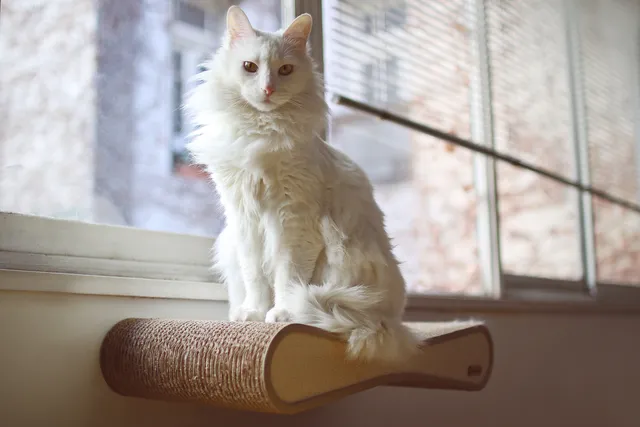
Knowing that Turkish Angoras are compared to Border Collies should give you an idea of how much energy they have! They need plenty of space to run, climb, and play. It’s best to provide them with cat trees, shelves, or perches for vertical space.
Turkish Angora cats should have a variety of toys to play with, especially ones that allow them to use their instincts, like stalking and pouncing. Spend time playing with your cat daily to ensure they exercise enough to stay fit and happy.
Training 🧶
Turkish Angoras are known for their intelligence and curiosity. Combined with their strong bond with humans, they are typically easier to train than other cats. You can use positive, reward-based training methods for the best results.
Besides the usual litter training, Turkish Angoras can learn basic commands and tricks. Since they enjoy being the life of the party anyway, why not teach them fun tricks to entertain friends at your next get-together?
Training will also help prevent the Turkish Angora from developing bad habits. Mental stimulation will keep the active feline occupied and avoid destructive behavior due to boredom.

Grooming ✂️
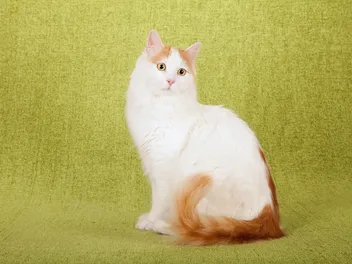
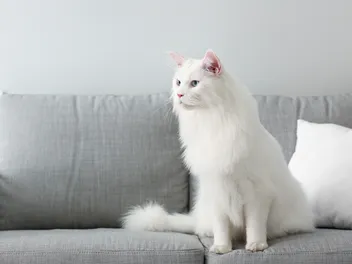
The beautiful, flowing coat is one of the defining Turkish Angora characteristics. They don’t have an undercoat, and their hair is very fine. You can control shedding and prevent tangles by brushing one or two times weekly.
During warm months, you may need to increase the brushing frequency. Also, it's vital to keep your cat’s nails trimmed to prevent them from getting snagged and torn as they climb and play. Check and clean their ears as needed and provide regular preventative dental care.
Health and Conditions 🏥
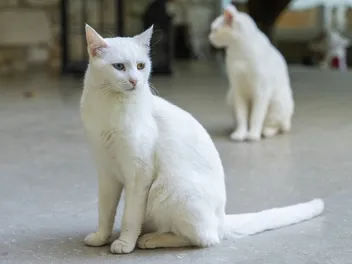
Generally, the Turkish Angora is considered a healthy breed. As you are researching prospective breeders, ask about any health issues in the family history of their cats. Turkish Angoras can suffer from hypertrophic cardiomyopathy, which is a common heart condition among purebred cats. White-coated, blue-eyed Turkish Angoras are often deaf due to an inherited trait.
Male vs Female
Male Turkish Angora cats are generally a bit larger than females, but there are few behavioral differences in fixed males and females. Unneutered males are typically more active and assertive and may engage in behaviors like territorial marking. Female cats will go into heat at least twice yearly and may be moody and vocal during these times.
You can talk to your vet about spaying or neutering your Turkish Angora if you don’t plan to breed them.
3 Little-Known Facts About the Turkish Angora
1. They May Have Been the First Longhaired Cats to Reach Europe.
In 1520, a longhaired white cat came to Europe from Ankara, Turkey, the native home of the Turkish Angora. Before the Turkish Angora could gain popularity, the Persian cat arrived to steal the attention. The Turkish Angora nearly went extinct in Europe but was saved by breeders in Turkey.
2. Americans Discovered the Turkish Angora at the Zoo.
To save the Turkish Angora, the Ankara Zoo developed a breeding program in 1917 that continues today. In the 1960s, an American couple vacationing in Turkey spotted Turkish Angora cats on display at the zoo and fell in love with the breed. They convinced the zoo to give up a breeding pair of cats and brought them back to the United States.
3. They Prefer to Look Down on the World From Above.
Turkish Angora cats not only like to climb but also prefer to observe the world from above. You can often find them perched on top of cabinets and refrigerators. Some Turkish Angoras will even ride on their owner’s shoulders around the house.

Final Thoughts
The Turkish Angora is outgoing and affectionate, yet occasionally demanding, and is one of the most interesting purebred cats in the world. They fit easily into families with seniors, older kids, and dogs but don’t expect them to appreciate being left alone. If you can provide the attention, exercise, and training the cat needs, the Turkish Angora will offer endless loyalty and love in return.
See Also:
Featured Image Credit: Aymara Herrera, Shutterstock
Expert cat care, straight to your inbox
News, insights, and useful advice, delivered to you.

No spam — unsubscribe anytime.
By signing up, you agree to our Terms & Conditions and Privacy & Cookies Policy.
How useful was this post?
Click a star to rate. You can leave written feedback afterwards. (We read all feedback.)

Elizabeth Gray is a lifelong lover of all creatures great and small. She got her first cat at 5 years old and at 14, she started working for her local veterinarian. Elizabeth spent more than 20 years working as a veterinary nurse before stepping away to become a stay-at-home mom to her daughter. Now, she is excited to share her hard-earned knowledge (literally--she has scars) with our readers. Elizabeth lives in Iowa with her family, including her two fur kids, Linnard, a husky mix and Algernon, the worldʻs most patient cat. When not writing, she enjoys reading, watching all sports, and spending time outdoors with her family.