What Cats Can Teach Us About Long Covid
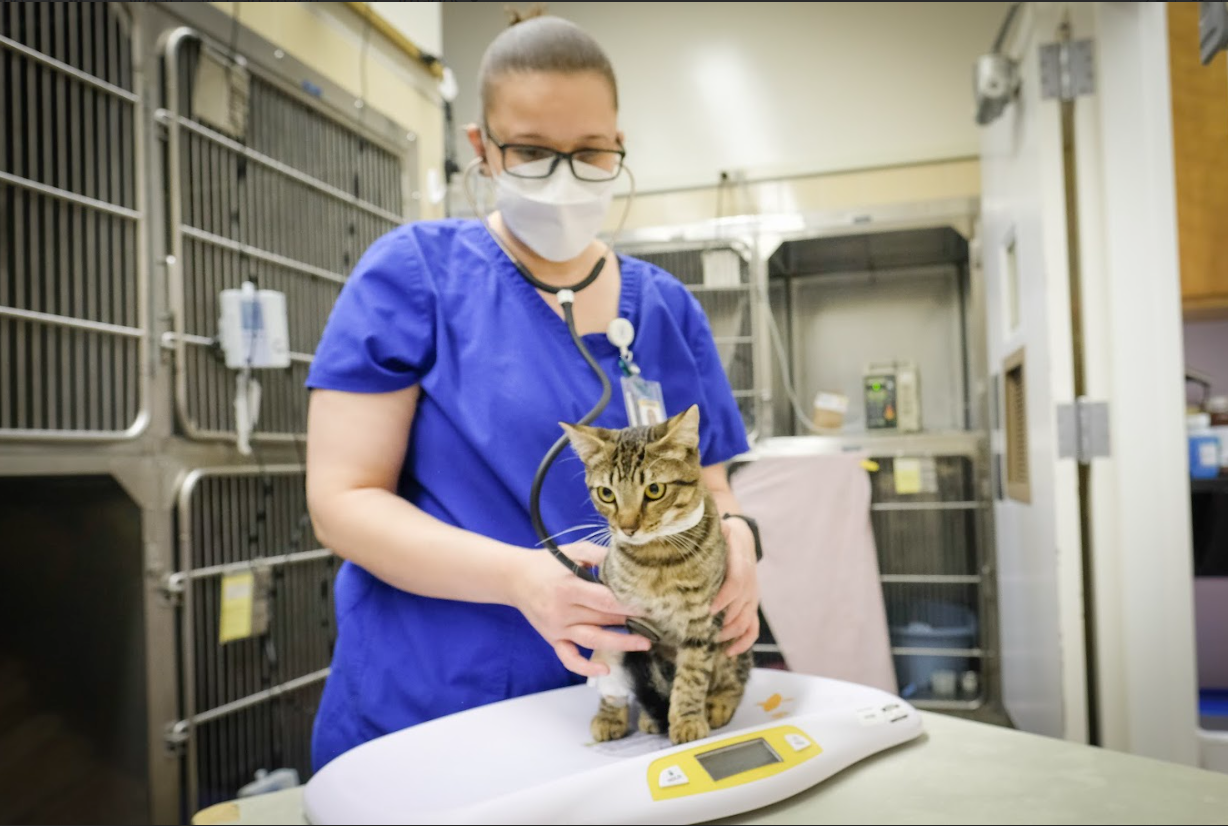
Remarkably, it has been over six years since the world stood still for Covid-19, and whether you are amongst those who were deeply affected by the pandemic, or someone who believes that 7 million people worldwide dropped dead as part of an epic hoax, for many, the effects of the virus are still being felt. Something you may not be aware of is how much the research into feline coronavirus, more commonly known as Feline Infectious Peritonitis or FIP, has both benefited and been benefitted by the emergence of this most recent viral strain.
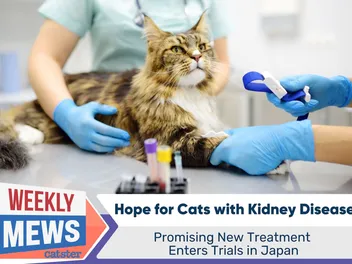
Not too long ago, we reported on some groundbreaking new FIP treatments that have become available over the past five years, turning a previously fatal illness into one with a relatively high recovery rate, thanks in very large part to Professor Neils Pederson, who has dedicated more than half-a-century of research into this perplexing disease.1 Prior to 2020, a diagnosis with FIP was a death sentence; one that was seemingly more heartbreaking as most patients were kittens under the age of 12 months. Although the injectable antiviral drug, Remdisivir, produced mixed results in humans,2 it remains the only recommended antiviral for use in hospitalized patients with COVID-19.3 It also paved the way for successful FIP treatment with miraculous results, and now an oral formulation has also been developed. In addition to the mutually beneficial parallels in the treatment of feline and human coronavirus, there have also been some cross-species advancements made in the development of vaccines.
How Did They Do It So Fast?

When the first Covid-19 vaccine was announced, there was great suspicion regarding the speed of its development. What most people didn't realize (and those behind the development of these vaccines are not widely advertising), is that the vaccine was being formulated back around 2005, following the outbreak of an earlier coronavirus strain causing severe-acute respiratory syndrome (SARS-CoV) in 2002-2004.4 However, predictions of a global SARS pandemic proved to be exaggerated, which was likely a huge blow to those invested in the vaccine production. As a result, research and development slowed down, but as much of the groundwork had been laid, mass vaccine production was able to occur at a rapid rate when a far greater viral outbreak rocked the world in late 2019, providing great relief to the global population and pharmaceutical investors. Now, if you’re really after a conspiracy theory, that’s one worth looking into!
Although the Covid-19 crisis has subsided, there are millions of people still suffering with long-term effects of the virus, with post Covid-19 condition (PCC) or ‘long covid’. Similar in many ways to the debilitating myalgic encephalomyelitis/chronic fatigue syndrome (ME/CFS), long covid presents in human patients with a previous history of infection with the virus as an array of clinical signs including:
- profound fatigue
- aches and pains in muscles or joints
- feeling breathless
- headaches
- difficulty in thinking or concentrating (brain fog)
- alterations in taste
- digestive problems
- light sensitivity
Most frustrating for sufferers is the lack of understanding of the condition, with no effective treatment in sight…until now. A team of researchers at the University of California, Davis, have discovered a feature of feline coronavirus (FIP) that may have huge implications for humans.
Humans Helping Cats Helping Humans

For years, the prevailing belief was that the virus infected just one type of immune cell, but in a recent interview, Amir Kol, lead author of the scientific study, shared the exciting discovery.
“What we found is that it actually infects a much broader range of immune cells, including those that are critical for fighting infection.”
The team found viral material inside several types of immune cells, including B lymphocytes, which produce antibodies, and T lymphocytes, which are a key component of long term virus recognition and defense. Even more significant was evidence that the virus was actively replicating itself inside these immune cells, not just leaving behind harmless fragments.
Although scientists have long suspected that the clinical signs of long Covid may be due to the virus persisting in the body, the lack of access to human lymph tissues for research has limited their ability to prove their hypothesis.
“This is where cats give us a unique opportunity,” Kol said. “We can directly study infected immune tissues in a naturally occurring coronavirus disease – something that’s very difficult to do in people.”
The research found that traces of the virus remained in immune cells after treatment had ended and the cats appeared to have made a full recovery. Because some immune cell types live for years, this could explain why some clinical signs persist or relapse.
Although human and feline coronaviruses differ, they share enough similarities that the findings of the research in cats could act as a real-world model for improving the understanding of the behavior of the human infection. Just as our feline patients have benefited from the fight against human coronavirus, the fight against FIP may provide the answers millions of people around the world are desperately seeking in their struggle with long Covid.
Did You Know?
- Our brand-new posts are rounded up and included in our weekly emails. Don't miss out on the latest - sign up for our newsletter below!
Expert cat care, straight to your inbox
News, insights, and useful advice, delivered to you.

No spam — unsubscribe anytime.
By signing up, you agree to our Terms & Conditions and Privacy & Cookies Policy.
How useful was this post?
Click a star to rate. You can leave written feedback afterwards. (We read all feedback.)

Dr. Karyn Kanowski BVSc MRCVS (Veterinarian)
Dr. Karyn comes from Queensland, Australia, and has lived in the UK for the past 10 years. In 2010, she graduated from The University of Queensland School of Veterinary Science and also has a Bachelor’s degree in Zoology. She is passionate about using evidence, experience, and owner collaboration to provide the best solutions for pets, and believes in making reliable information about animal health accessible to all. Dr. Karyn shares her home with five cats, four dogs, and one husband. When she is not in the scrubs, she spends her time writing, gardening, and cleaning up pet hair!