
Better a Bald Head Than a Cat That’s Dead: This Common Hair Growth Formula Is Killing Pets
Humans have a rather complex and contradictory relationship with their hair. Many of us willingly put ourselves through torturous procedures to remove it from our legs, armpits, and just about anywhere else, while, at the same time, the quest to keep a full and lustrous head of hair fuels a billion-dollar hair growth industry. Since the 1980s, a chemical called Minoxidil has become increasingly popular as both a topical and oral treatment for baldness, but what few people realize is that the very product promising hair growth poses a serious risk to their pets. The American Academy of Dermatology (AAD) is warning consumers about minoxidil toxicity in cats and dogs, highlighting a danger that deserves considerably more attention.
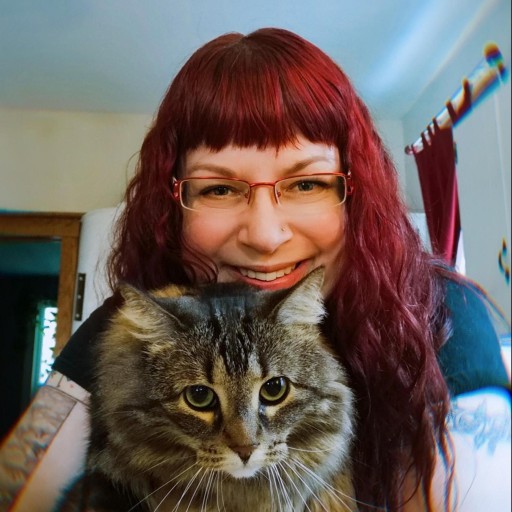
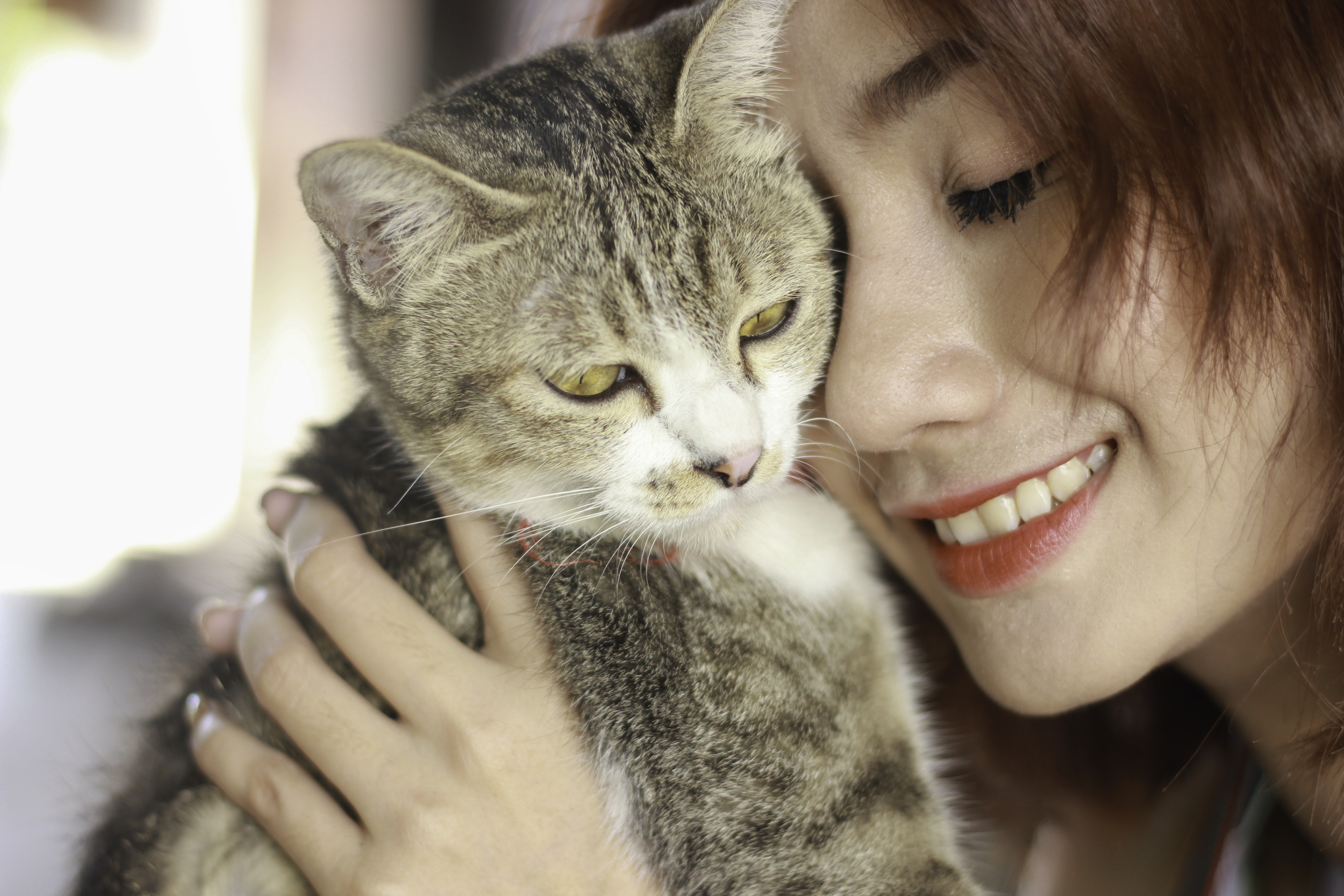
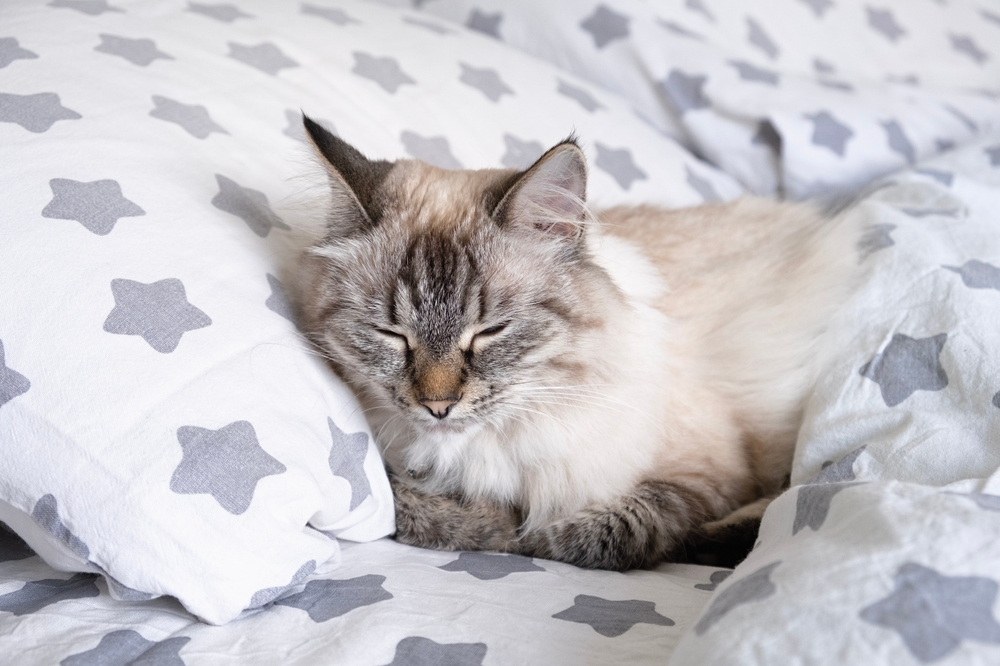
Anyone who shares a home with a cat knows that personal space is more of a suggestion than a household rule. Cats rub against our heads, groom our hair, curl up on our pillows, and somehow manage to investigate just about everything we touch. These perfectly normal feline behaviors can turn deadly when minoxidil enters the picture.
A Hair-Growth Miracle With a Dark Side
The history of minoxidil shares similarities with another well-known human drug: Viagra, which essentially took a common side effect of the heart medication, sildenafil, and turned it into its primary purpose. In the 1970s, researchers developing a new blood pressure medication found that a common side effect of the drug, minoxidil, was hypertrichosis, aka excessive hair growth. Like the story of sildenafil, the makers of minoxidil leaned into this side effect, repurposing the drug as a treatment for hair loss.1
In 1988, the FDA officially approved minoxidil, and it quickly gained popularity in products like Rogaine. Minoxidil works by widening blood vessels, a process called vasodilation, and altering the hair growth cycle to stimulate hair growth. But what helps us fight hair loss can be dangerous for our feline roommates.
A 2021 study published in the Journal of the American Animal Hospital Association examined 211 reported cases of topical minoxidil exposure in dogs and cats. Of the 87 animals that developed signs of poisoning, 62 were cats, and 25 were dogs. Eight cats died. A 2025 review in the Journal of the American Academy of Dermatology identified another 94 reported cases, including 68 cats, ten of which died. Notably, 55 of 57 cases involving accidental exposure to a person's minoxidil treatment involved cats.

How does this happen? Topical minoxidil is applied directly to the scalp, either as a liquid using a dropper or as a foam spread with the fingers. Medication can remain on the hands, hair, or nearby surfaces. Cats don't need to break into the medicine cabinet; a little grooming, an affectionate head rub, or a snooze on a contaminated pillow may be enough to expose them. Some were even exposed through everyday contact with their follicle-challenged cat parents.
A Heartbreaking Consequence of Hair-Growth Treatment
Minoxidil works by relaxing blood vessels and improving blood flow. In cats, however, the effects can become dangerously disruptive.
When absorbed, it can cause blood pressure to drop dramatically, a condition called hypotension. To compensate, the heart beats faster, but this doesn't necessarily solve the problem. Serious complications can follow, including fluid accumulation in the lungs (pulmonary edema) or in the space surrounding them (pleural effusion). Breathing becomes increasingly difficult, and severe poisoning can progress to cardiovascular and respiratory failure.
Now, what should you look out for? You might notice unusual tiredness, weakness, vomiting, or a sudden loss of appetite. More concerningly, your kitty may start breathing faster than usual or appear to struggle for air. And here's the tricky part: some cats may initially seem perfectly fine.
That's why a suspected exposure should never be brushed off simply because your cat appears normal. Waiting for visible signs of poisoning can waste valuable time.
Now that we are beginning to appreciate the risks this product poses to our pets, we have to wonder how many unexplained cat and dog deaths could be attributed to unknown minoxidil exposure.
Keeping Rapunzel Dreams Intact Without Losing Your Cat
Rapunzel may have had a tower to keep her hair safe, but cat owners need a different strategy: keeping minoxidil well away from curious paws.
If you use topical minoxidil, make sure you apply it in a room your cat cannot access. Wash your hands thoroughly with soap and water immediately afterward, and clean up any spills promptly. Used tissues, cotton pads, applicators, and empty containers should go straight into a secure bin. That tissue you casually leave on the bathroom counter? To your cat, it might look like just another interesting thing to investigate.
And what about bedtime? If you apply minoxidil in your bedroom, make closing the door part of your nighttime routine. Your cat may protest being left out of the bedroom, especially if your pillow is their favorite sleeping spot, but keeping them away from treated hair, skin, pillows, and bedding can help prevent accidental contact with medication residue. Remember, allowing the product to dry does not guarantee that every surface is free from contamination.
You might be wondering whether switching to oral minoxidil would solve the problem. Unfortunately, not entirely. Oral minoxidil is also toxic to cats if they accidentally ingest a tablet. Whichever formulation you use, keep the medication securely stored and well out of paws' reach. Or better yet, look into options that don’t put your pet at risk.

Discuss your household's furry residents with the prescribing dermatologist and establish a routine that prevents accidental exposure. Cats are wonderfully persistent creatures. They may not appreciate a closed door or understand why their favorite pillow is suddenly off-limits, but a little inconvenience is a small price to pay for keeping them safe.
If Your Cat Is Exposed, Don't Wait for Signs
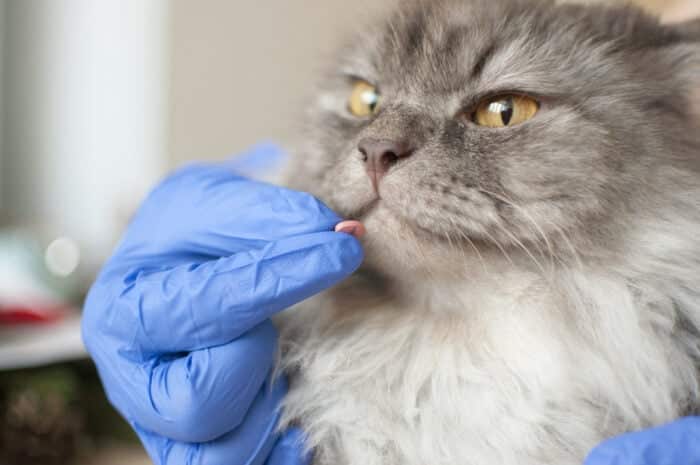
If your cat licks minoxidil, contacts a spill, or may have groomed contaminated fur, contact your veterinarian or an animal poison control service immediately, even if your kitty seems perfectly fine.
Treatment depends on the exposure and your cat's condition. It may involve hospitalization, cardiovascular monitoring, oxygen therapy, intravenous support, and medications to manage complications such as low blood pressure or fluid accumulation.
Never attempt to induce vomiting or administer home remedies unless specifically instructed by a veterinary professional. If medication is still on your cat's coat or skin, ask your veterinarian how to handle decontamination safely rather than delaying emergency care.
Unfortunately, not every cat survives minoxidil poisoning, making every accidental exposure a veterinary emergency.
hhttps://www.instagram.com/reel/DeF7upKOC-1/?utm_source=ig_web_copy_link&dmpr=NTc4MTIwNjQ2YQ==
Better Bald Than Catless
Hair loss can affect confidence, and wanting to treat it is perfectly understandable. Minoxidil can be a valuable treatment for people experiencing certain types of hair loss, but sharing a home with a cat adds an important responsibility.
Preventing accidental poisoning starts with awareness. As pet parents, we need to be mindful of the products we bring into our homes, even those that seem perfectly harmless to us. From seemingly innocent houseplants and everyday foods to cleaning products, medications, and personal care treatments, many things we use routinely can pose risks to our feline companions. Before introducing something new into your home, take a moment to consider whether it is safe for your cat. A little research and a few precautions can make a world of difference.
Cats will continue doing what cats do best: following their humans, investigating everything, claiming the pillows, and showing affection on their own terms. We cannot expect them to understand why a particular patch of skin or a freshly treated pillow is suddenly off-limits. That responsibility belongs to us.
Thinning hair can be frustrating, even damaging to self-esteem, but it’s not a life-threatening condition. Losing a beloved pet to an avoidable medication exposure is a tragedy no one should have to experience.
Better bald than catless. Every single time.
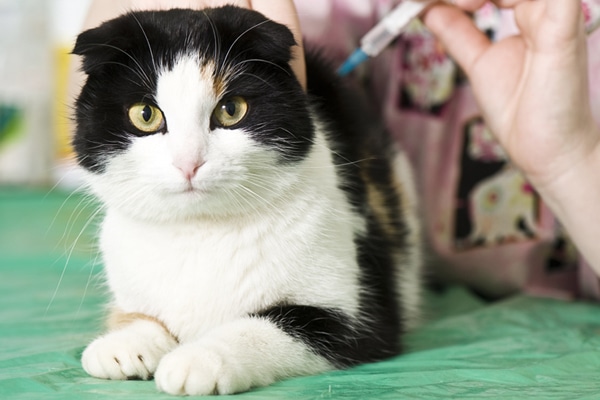
Feature Image Credit: Elena Gr, Shutterstock
Expert cat care, straight to your inbox
Vet-reviewed advice, behavior tips, and the best of Catster. Free, and you can unsubscribe anytime.
By signing up, you agree to our Terms & Conditions and Privacy & Cookies Policy.
Dr. Paola Cuevas MVZ (Veterinarian)
Dr. Paola Cuevas is the Senior In-House Veterinarian at Pangolia, the parent company of Catster. She has over 18 years of experience as a veterinarian and animal behaviorist. Paola's focus is on preventive medicine and animal welfare. Paola has a large range of skills in from diagnostic imaging to nutrition and clinical pathology. Paola enjoys sharing her extensive knowledge of animal training with our Catster readers and is always happy to answer reader questions as our in-house veterinarian.
Join the conversation
Ask a question, share your story, or send private feedback.