Scottish Fold Cat Breed Info: Pictures, Traits & Facts (Vet-Reviewed)


In this article
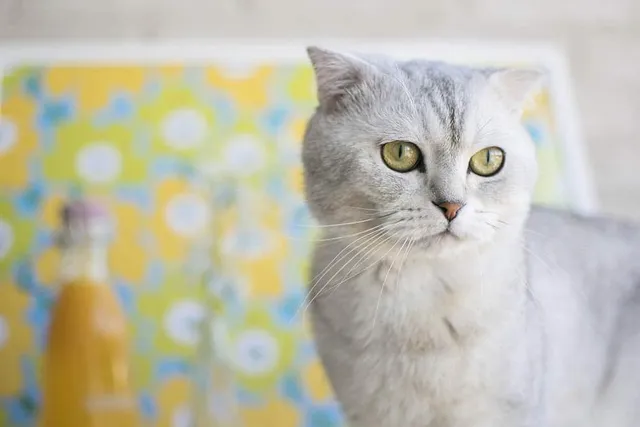
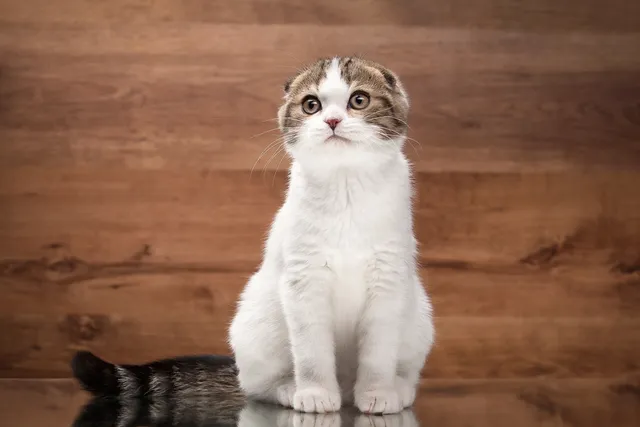
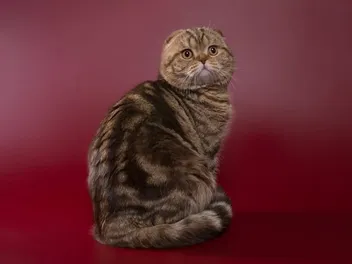
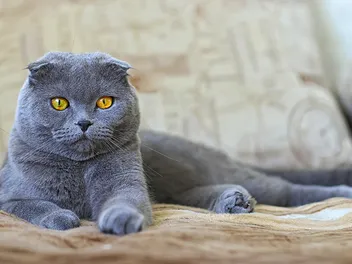
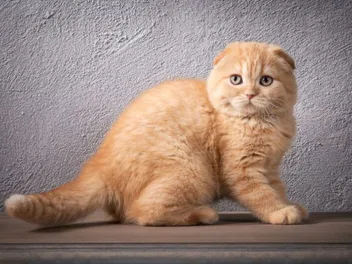
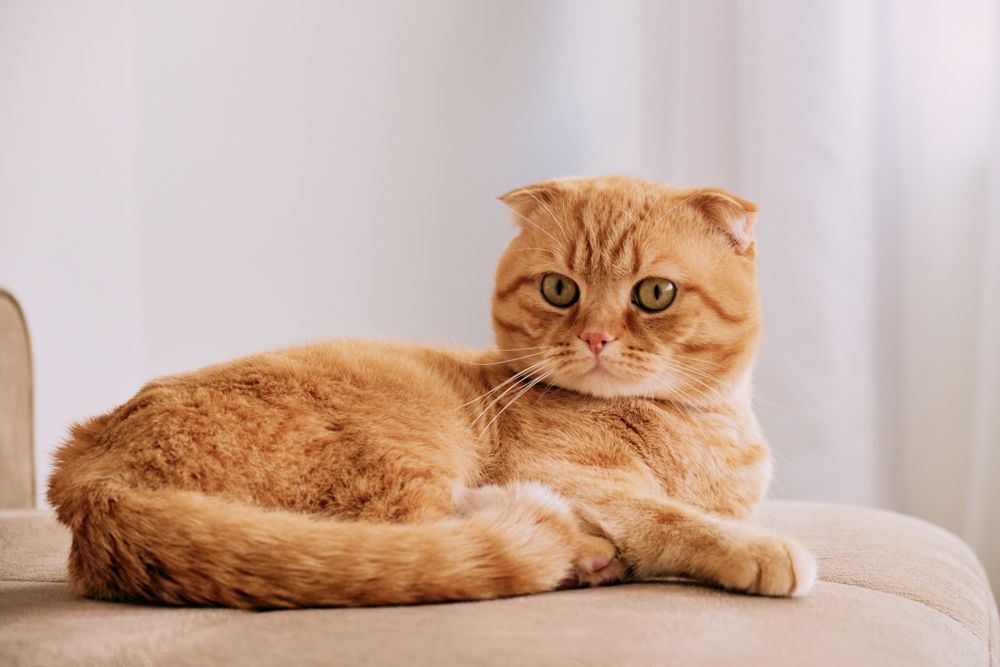
Scottish Folds are known for their round faces and folded ears, but what many people don’t realize is that those trademark ears are actually the result of a serious health condition called osteochondrodysplasia. The severity of the condition is dependent on the genetic makeup, with some cats just having the ears affected, while for others, the mutation also causes problems in the joints as well. Some cats have mild signs throughout their lives, while others can be severely affected. So although Scottish Folds’ ears may seem like an appealing, endearing trait, it is actually a sign of a harmful genetic mutation that is being encouraged through breeding.
Here at PangoVet, animal welfare is our top priority, and we cannot endorse breeding or acquiring animals with a health issue that will inevitably cause them a varying degree of pain and suffering. The purpose of this article is to bring awareness about the breed and help each cat owner make an informed decision.
Breed Overview
Height:
Weight:
Lifespan:
Colors:
Suitable for:
Temperament:
*The estimate of a Scottish Fold's lifespan largely depends on their genetic makeup and the severity of osteochondrodysplasia, as well as predisposition for other health issues, which can affect the quality of their life and may result in euthanasia at a young age.
The Scottish Fold is a medium-sized cat that comes in many colors. They are friendly, calm, and not excessively vocal. Many people find the Scottish Fold’s qualities incredibly appealing, while not realizing the serious and painful health issues this breed is experiencing. It’s crucial to raise awareness on the breed’s welfare and quality of life to reduce their suffering. Many reputable animal organizations and veterinary associations discourage breeding and keeping Scottish Folds, while the breed is becoming banned in many countries around the world.
Scottish Fold Characteristics

Scottish Fold Breed Kittens

As mentioned before, the Scottish Fold is not a breed that we encourage, especially for first-time owners. They require ongoing veterinary care throughout their lifetime, and this means plenty of dedication and knowledge as well. The rarity of this breed, as well as the health issues they experience, increases the price of Scottish Fold kittens, so for those who are intended to purchase one, accepting all the risks and welfare implications of the breed, you will have to make sure that you have room in your budget for the purchase and ongoing veterinary care.
If you plan to purchase your Scottish Fold from a breeder, consult with a vet first and do thorough research to understand the welfare implications and ultimately ensure that you work with an ethical, experienced, and reputable breeder who performs the recommended health testing and works closely with their vet. Still, be mindful that every Scottish Fold will have a varying degree of osteochondrodysplasia, and the only way to improve the breed welfare is to opt against purchasing such cats, which discourages further breeding. Before bringing your kitten home, make sure you can provide the essentials. This includes food, feeding and drinking dishes, litter, litter box, veterinary care, toys, and more.

Temperament & Intelligence of the Scottish Fold 🧠
Scottish Folds generally have excellent temperaments when raised and socialized properly. They are known to be docile and friendly, and quick to grow attached to their favorite humans. You won’t want to stay away from your Scottish Fold for too long. If you work often or are away from home for other reasons, you should consider a regular pet sitter, a friend, or a family member who can keep them company.
The Scottish Fold is ideal if you are looking for a cat that loves to cuddle. At the same time, your Scottish Fold will love to participate in playful activities. However, they are not the most active cat breed due to the osteochondrodysplasia, which causes them varying degrees of pain and discomfort.
The Scottish Fold is an intelligent cat. This means they will require a lot of mental stimulation, and you can provide interactive puzzle toys to keep your cat entertained. You may also want to train your Scottish Fold to walk on a leash or perform fun tricks to keep your cat’s mind busy.

Are These Cats Good for Families? 👪
The Scottish Fold is gentle, sweet, and an overall excellent companion for the right owners, who understand their needs. They love to give and receive attention. Their calm, kind personalities mean they are often patient with children; however, it is important to teach younger children boundaries and how to handle cats gently under supervision, particularly keeping in mind that Scottish Folds often have painful joints, depending on the severity of their osteochondrodysplasia.
This breed is incredibly affectionate, so you can expect plenty of cuddles and snuggles. They may follow you around the house as you go about your day, and won’t hesitate to venture out to meet unfamiliar guests.
Does This Breed Get Along With Other Pets? 🐶🐱
Scottish Folds can be friendly with other pets, assuming all animals involved have been socialized and introduced properly.
However, be aware of what animals you are trying to house together. If you bring home a bigger dog with a high prey drive, your dog may see the Scottish Fold as prey and may be inclined to chase or play rough. While the Scottish Fold is friendly and calm, they will certainly not appreciate being pursued around the house, especially if their mobility is impaired.
Things to Know When Owning a Scottish Fold
Before bringing a Scottish Fold home, it’s best to familiarize yourself with the breed so that you’ll know what to expect, particularly considering their health issues and osteochondrodysplasia. Below, we’ll examine some of the most important characteristics to consider, including the cat’s food and diet requirements, veterinary care, and how much exercise they require.
Food & Diet Requirements 🐡
Scottish Folds, like many other cats, may be prone to obesity, so it is vital that you monitor your cat’s diet. While you are still allowed to give your Scottish Fold treats, it may be best to focus on low-calorie, healthy treats in moderation rather than those that are high in fat and calories.
A healthy feline diet will have an animal-based product listed as the first ingredient, such as chicken, turkey, duck, or salmon. It will also follow the guidelines set out by The Association of American Feed Control Officials (AAFCO). For more individual recommendations, speak to your veterinarian.
Exercise 🐈
The Scottish Fold is not always a particularly active cat, due to the joint issues and pain they experience as part of osteochondrodysplasia. They may be perfectly content to play occasionally, follow you around the house, and spend most of their time cuddling or napping. However, being active is still an essential part of your cat’s health, so it is necessary that you encourage your Scottish Fold to exercise regularly but in moderation, in accordance with their health status, level of pain or discomfort, based on your vet’s recommendations.
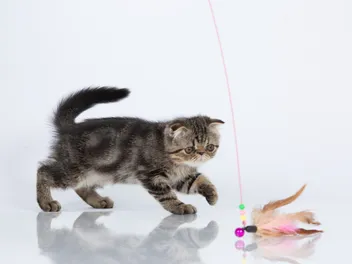
As much as 15 minutes several times per day may be enough to ensure that your Scottish Fold is getting the necessary physical exercise, tailored to their age and health. Using a teaser wand with a feather or catnip mouse will get your cat moving, but make sure to follow your vet’s guidelines.
- Our Recommendations: Best Interactive Cat Toys – Catster’s Reviews & Top Picks

Training 🧶
The Scottish Fold is intelligent and will respond to training using positive reinforcement. Although you must be careful with the number of treats you give your pet, you can use cat treats to entice your Scottish Fold to learn a few tricks. However, most kittens will quickly learn to use the litter box properly without your encouragement.
Grooming ✂️
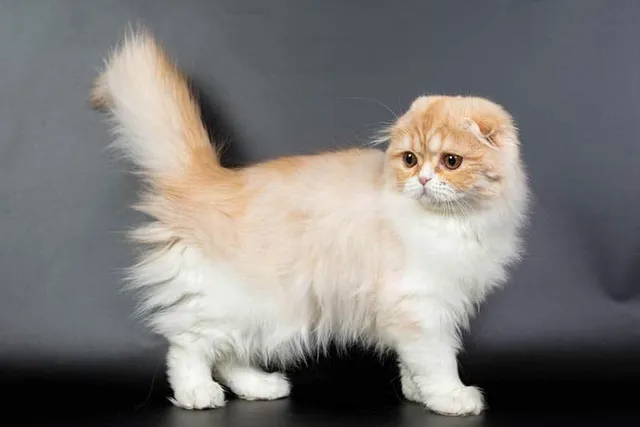
Scottish Folds are moderate shedders and do not require much maintenance to keep their coats shiny and healthy. If you have a short-haired Scottish Fold, brushing them once a week will be sufficient. However, if you have a long-haired Scottish Fold, you must brush them several times weekly, if not daily. Like any cat, you should brush the Scottish Fold’s teeth every few days, if not daily, and trim their nails when necessary.
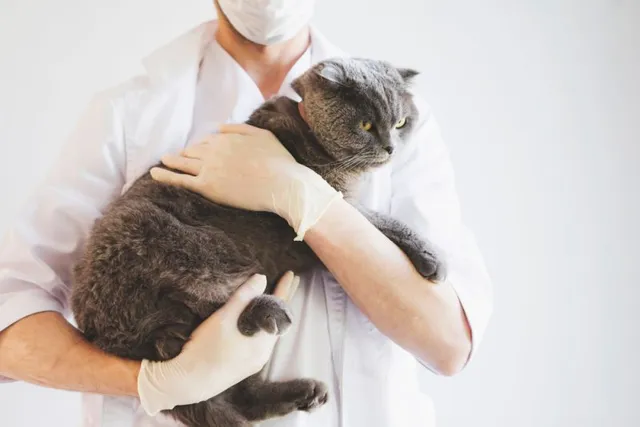
You will need to pay special attention to the ears of your Scottish Fold. While all cats should have their ears regularly inspected, checking the Scottish Fold’s ears is crucial due to their predisposition for ear infections. If you notice issues with your Scottish Fold’s ears, contact your vet promptly for a complete examination.
Health and Conditions 🏥
Osteochondrodyplasia is a genetic condition of all Scottish Folds in which your cat’s cartilage develops abnormally, leading to the obvious trait of folded ears as well as a deformation of cartilage development in most joints. As a result, your cat may experience pain and discomfort, as well as reduced mobility of the joints and other structures of the limbs, as well as early onset arthritis. The severity of the condition depends on the cat’s genetic makeup, and while some will only carry one copy of the mutated gene and experience slowly progressing mild to moderate signs during their lifetime, cats that have both copies will suffer from a quickly progressive and painful degenerative joint disease from a young age, making everyday life a struggle, significantly impairing mobility.
Another condition that the Scottish Fold is prone to is polycystic kidney disease, in which your cat develops cysts in the kidneys. The cysts can develop as early as your cat’s birth, and they typically get bigger with age. As time goes on, they may impair the function of the kidneys and even lead to kidney failure. While there is no cure for this condition, it can be managed with a prescription diet, fluid therapy, and symptomatic treatment.
Brachycephalic obstructive airway syndrome is another health condition that some Scottish Folds may suffer with more than others, based on their facial anatomy, nostrils, and soft palate. Arthritis is also common in Scottish Folds due to their abnormal cartilage and bone formation.

Male vs Female
There are typically no discernible differences in personality between fixed male and female Scottish Folds. The most notable difference between males and females will be their size since males tend to be larger on average.
3 Little-Known Facts About the Scottish Fold
1. Scottish Folds Used to Be Known as “Lop-Eared Cats.”
2. American Singer-Songwriter Taylor Swift Owns Two Scottish Folds.

3. Despite Their Name, Scottish Folds Are Not Recognized as an Official Breed in Scotland Due to the Welfare Issues and Ethical Concerns Raised Around Their Breeding.
Final Thoughts
Scottish Folds are rare cats and, unfortunately, a breed that is the result of a genetic mutation, leading to a serious health condition called osteochondrodysplasia. The signs these cats experience throughout their lifetime are variable, from mild and moderate to progressive loss of mobility and, inevitably, euthanasia. If you are thinking of adding one to your home, you will need to make sure you fully understand the responsibility required to care for this breed, as well as the implications of seeking a rare breed like the Scottish Fold, encouraging continuation of their breeding, despite discouragement from reputable veterinary and animal welfare organizations. If you decide to purchase one, consult with a veterinarian and find a reputable breeder while preparing for the responsibility and cost of owning such a breed. If you adopt a Scottish Fold from a shelter, you’ll discover they’re remarkably affectionate, friendly, and docile. Whether you live alone, with a family, or with several other pets in the home, your Scottish Fold will be welcoming to everyone they cohabitate with, as long as they are properly socialized. We hope this article has taught you everything you wanted to know about the Scottish Fold, particularly the welfare concerns related to their breeding.
Read Also:
Featured Image Credit: Alexander Sobol, Shutterstock

Expert cat care, straight to your inbox
Vet-reviewed advice, behavior tips, and the best of Catster. Free, and you can unsubscribe anytime.
By signing up, you agree to our Terms & Conditions and Privacy & Cookies Policy.
Christian started writing for a local newspaper as a teenager, and he's been involved in the publishing industry for most of his adult life. Combining his love of writing with a passion for animals, he is currently the Director of Editorial at Pangolia and the Editor-in-Chief at Catster.
Christian lives in the Philippines with his wife, son, and four rescue cats: Trixie, Chloe, Sparky, and Chopper.
Join the conversation
Ask a question, share your story, or send private feedback.