How to Cool Down a Cat: 9 Vet-Approved Tips

In this article
When the hot weather rolls around, it is imperative to know how to look after your cat. All felines, just like humans, can be at risk of overheating when it’s hot and humid, with the potential of causing heatstroke.
Although cats will usually find shelter to keep themselves out of the heat, we need to be able to protect them and keep their body temperatures normal. This is necessary to prevent illness, severe health complications, and even death. As we know, global temperatures are consistently rising across the planet, making this information even more important. So, read on to find out the best ways to cool your cat down.

The 9 Ways to Keep Your Cat Cool
1. Keep Them Hydrated

Hydration can be achieved in various ways, but using all of the below suggestions in your daily routine gives your cat the best chance of being in a sufficiently hydrated state, thus keeping them cool.
- Always provide accessible clean and fresh water for your cat, both indoors and outdoors.
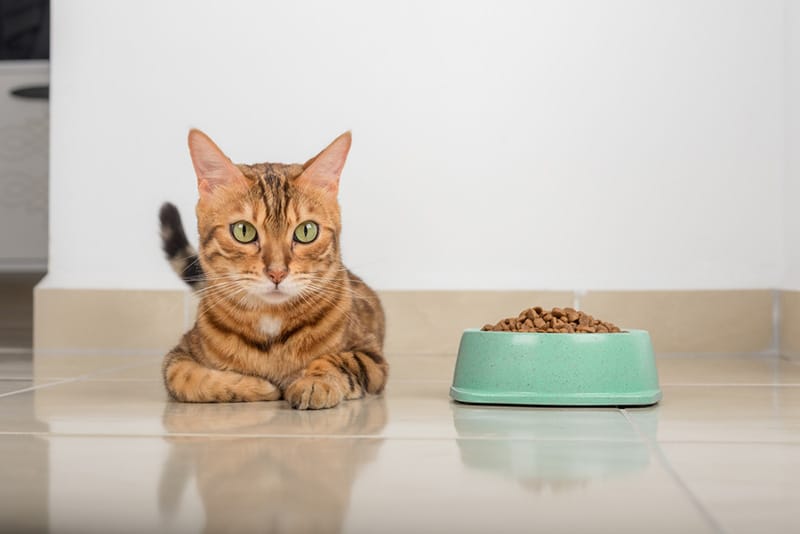
- Try different bowls. Some cats prefer metal bowls, while others prefer plastic or ceramic. In any case, if they don’t like the substance or smell of the bowl, they won't drink from it.
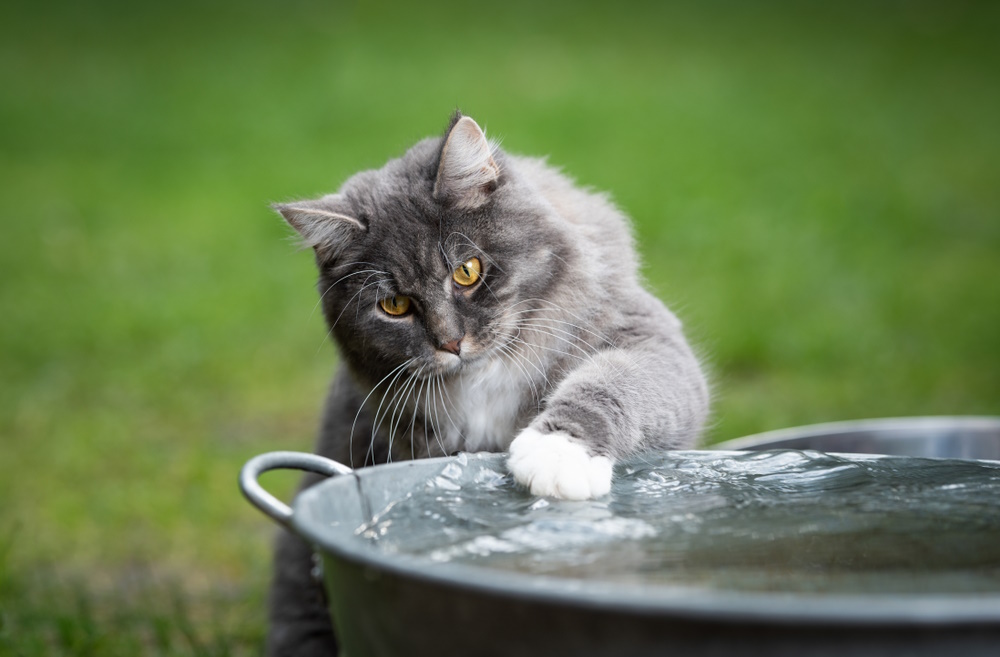
- Add a cat fountain to your home. Cats love fresh, running water, and they’re a great way of providing that.
- Clean your food and water bowls daily to prevent the growth of algae and bacteria.
- If you provide water for outdoor cats, make sure the bowl is placed somewhere that it will be shaded all day. Don’t use metal bowls outside in hot weather as they will heat up more quickly; ceramic is best.
2. Stay on Top of Grooming
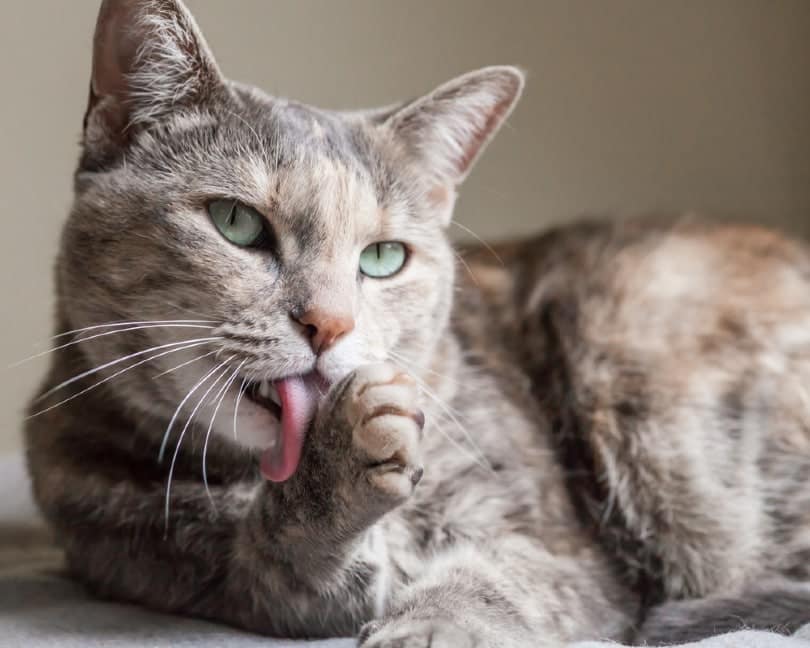
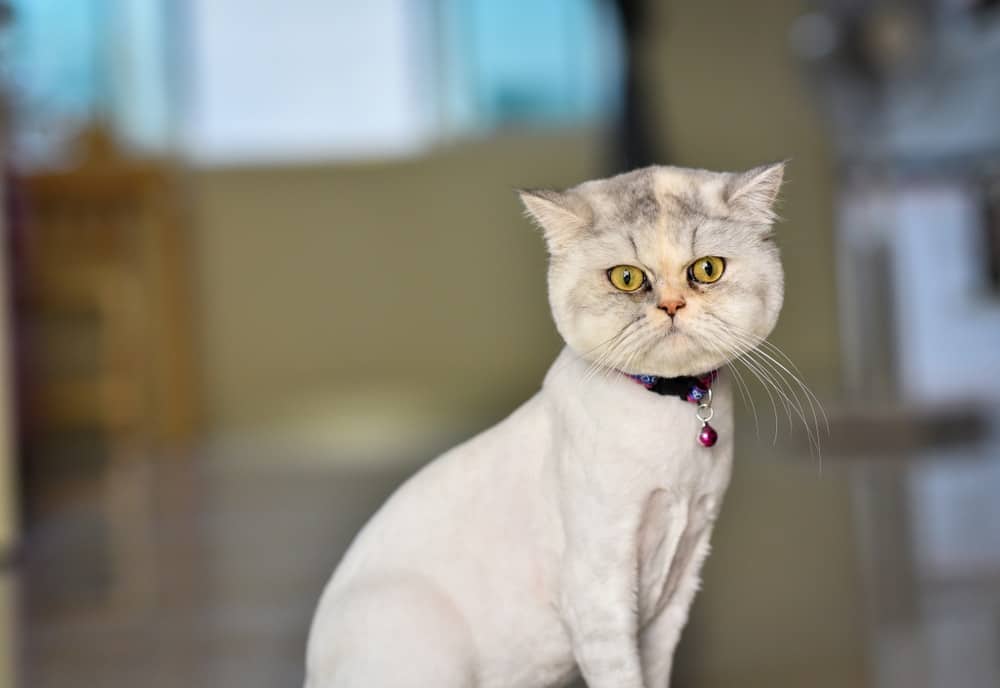
Keep on top of their grooming needs by brushing or combing your cat daily, especially if they are long-haired or thick-coated. This helps to remove dead and loose hair, and removing excess fur helps to keep them cool. Cats use their fur to help with thermoregulation, so it’s important that their coat remains clean and free from matts.
3. Cooling Mats and Ice Packs

Commercial cooling mats are an ideal way to keep cats feeling cool and comfortable. Place them in their bed or in their favorite sleeping area. Alternatively, wet towels or ice packs wrapped in a blanket or tea towels provide a similar effect, but often not as long lasting. Take care not to place any ice or ice packs directly on their skin, as this can cause cold burns.
4. Provide Shade
If you have an outdoor cat, be sure to provide extra shaded areas, even if trees and general garden items already do this. Items such as cardboard boxes, children's playhouses, and patio umbrellas can all be used effectively. Before bed, check any outbuildings, sheds, and greenhouses to make sure your kitty is not inside before locking up.
5. Ice Treats

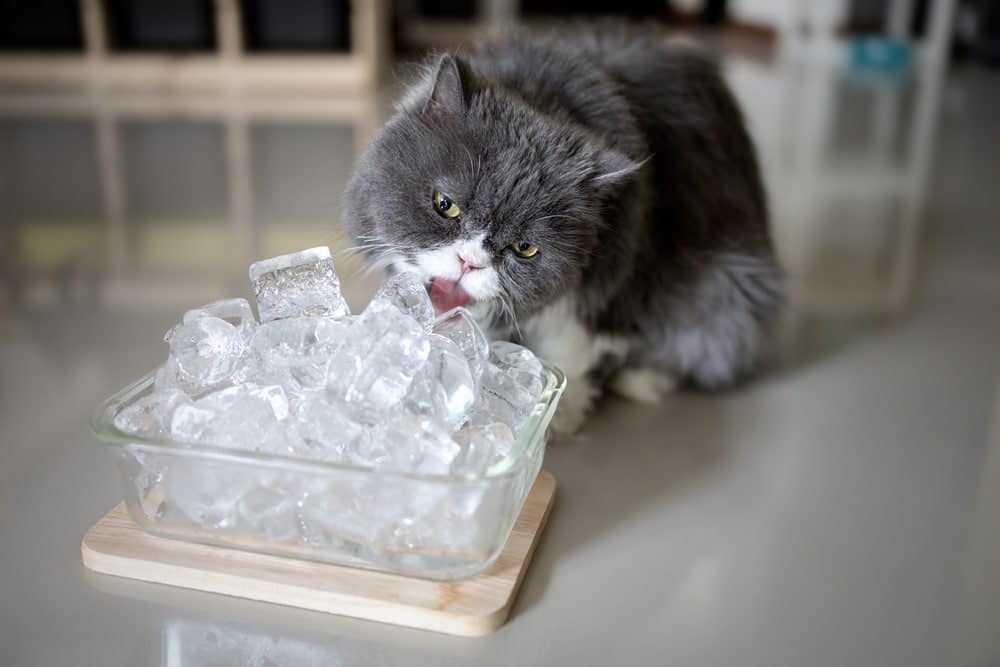
Make your cat a fun yet healthy and hydrating popsicle! Drain the water from a can of tuna or freeze low-sodium, cat-safe chicken stock into popsicle molds for a delicious, tasty treat. Ice cubes can also be utilized as fun toys to play with and lick.
6. Keep Them Indoors
Even if they are outdoor cats, if the temperatures rise significantly, bring your pets indoors. Try to only let them out during the cooler times of the day, which are early mornings and late evenings. Fans and air conditioning can be used in the house to help cool and provide ventilation as well.
7. Take Care in the Car

Dogs may be more frequent travelers in cars than felines, but if your cat is in the car, be sure to use air conditioning if available and provide water in the basket. To avoid spills, you can place a wet face cloth in a bowl, so they can lick the water without flooding the car. Choose to use a basket that has a wire mesh door, as these provide more ventilation. Do not leave your cat in the car alone under any circumstance. Cars heat up inside tremendously fast in the heat, and your cat is at risk of hyperthermia in these cases and could deteriorate rapidly.
8. Keep Them Calm
Being busy and providing activities increase your cat’s body temperature, which you want to avoid in the heat. Try to keep them calm and quiet during the hotter parts of the day. Save the chase games and playtime for cooler times of the day or when the heatwave has passed.
Cats sleep away the majority of the day, so finding a bed that's supportive, warm and secure is key. Most cats find the modern design of the Hepper Nest Bed irresistible, making it a practical option if you're looking for a rest spot your cat will use consistently. It's supportive and caters to felines of all ages, sizes and ailments. The portability means that your cat can nap wherever you go - your desk, couch, side table or even your bed. Learn more about the heavenly Nest here.

- COMFY KITTY - Your cat or kitten will have an amazingly deep sleep in this self warming, nesting cat bed. The warm, fluffy cat bed lining provides calming stress relief for cats of all ages.
- PRETTY HOME - This round cat bed has a modern and unique design that’s perfect for a sleek indoor look. We don’t think of it as cat furniture but think of the Cat Nest as a “cat home”.
- SPACE SAVER - Reclaim your desk, window sill, or couch from kitten encroachment. This calming nest cat bed has an elevated, space-saving hideout so comfortable your kitty can't resist!
At Catster, we’ve admired Hepper for many years and decided to take a controlling ownership interest so that we could benefit from the outstanding designs of this cool cat company!
9. Use Pet Sunscreen

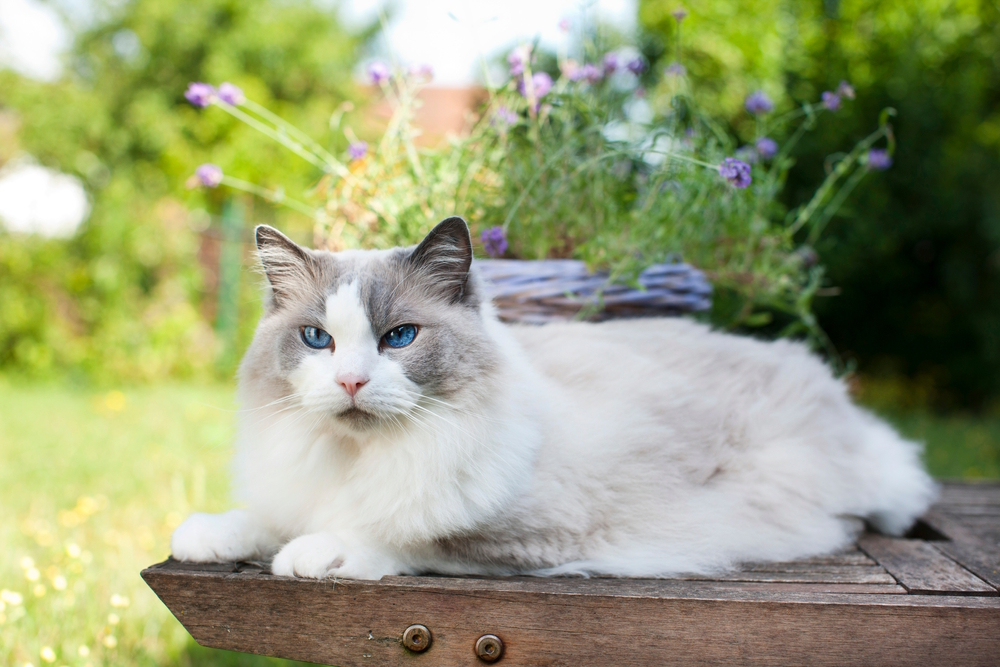
Light-colored cats are more at risk from sunburn and sun cancers, particularly on their eyes, nose, and other areas with thinning or sparse hair. Applying a pet-safe sunscreen to these areas helps protect cats from the negative effects of the sun. If you can, try to keep them away from sunny window sills too.
Signs of Heat Stroke (Hyperthermia) in Cats
Sometimes, despite our best efforts, our cats can become overheated. Hyperthermia is extremely dangerous; it can lead to organ damage and death without swift intervention, and is considered a veterinary emergency.
The following signs can individually and collectively indicate hyperthermia, as well as a number of worrying conditions:
Unlike dogs, cats rarely pant. The exception is in younger, adolescent cats that are running around in zoomy mode. Generally, if you notice that your cat is panting or open-mouth breathing, you need to call a vet immediately.
If you suspect your pet has heat stroke, wet a towel with cold water and place it over them. If you have a fan, point this in their direction, and then contact the vet. Do not use ice packs or ice baths etc, as cooling the body down too rapidly can also be dangerous.
Conclusion
Hyperthermia and overheating are preventable conditions. Of course, we can’t always keep an eye on our cats, and circumstances beyond our control do sometimes happen. However, in the same way that we take extra care of young and old relatives and friends in the heat, we also need to extend this attention to our cats.
The above suggestions are all great ways to prevent cats from getting too hot in the first place and also help to cool them down should that scenario arise. If you are worried that your cat may be suffering from heat stroke/hyperthermia, don’t delay in contacting a vet.
Featured Image Credit: Standret, Shutterstock

Expert cat care, straight to your inbox
Vet-reviewed advice, behavior tips, and the best of Catster. Free, and you can unsubscribe anytime.
By signing up, you agree to our Terms & Conditions and Privacy & Cookies Policy.
Annaliese qualified as a veterinary nurse from Edinburgh and went on to attain a diploma in advanced veterinary nursing in surgery from London. Throughout this time, she worked in both small and mixed veterinary practices and gained head nurse status.
Having cared for thousands of patients and owners, and after more than two decades in the veterinary and pet care industries, both as a vet and a writer, she has now officially retired her scrub suit and now works as a full-time writer.
Join the conversation
Ask a question, share your story, or send private feedback.