17 UK Cat Statistics & Facts All Cat Lovers Should Know (2026 Update)
In this article
Note: This article’s statistics come from third-party sources and do not represent the opinions of this website.
Ever since they were first attracted to grain stores, cats have evolved to coexist happily alongside humans and in their homes. While most modern cats are domestic pets rarely required to deter grain-stealing rodents, our love affair with them has continued. The UK, like virtually all countries in the world, has a large population of cats, between 10–12 million, according to various estimates, with the most commonly cited reasons for ownership being that they bring happiness and reduce anxiety levels.
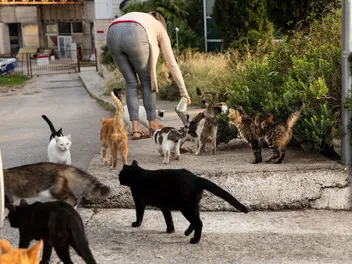
However, while the cat is well-loved in the UK, there is a considerable problem with strays and abandoned cats, with population surveys suggesting that a quarter of a million urban cats do not have a home.
Read on for 17 statistics and facts about cats in the UK, including ownership and welfare statistics.

Top 17 UK Cat Statistics
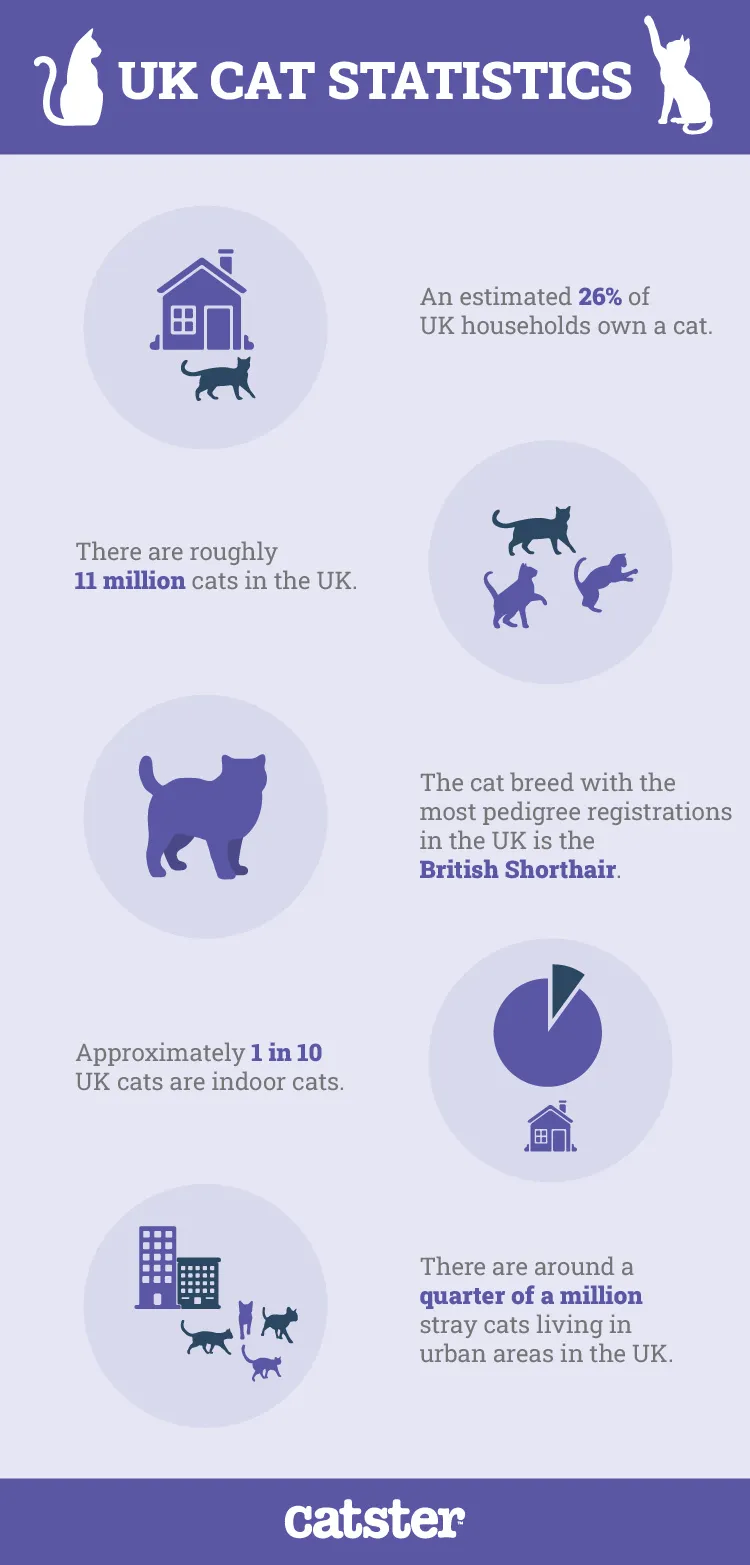
There are 11 million cats in the UK.
26% of households own a cat.
Out of all of the UK, Welsh households have the highest percentage of cat ownership at 29%.
The average cat owner has 1.5 cats.
24% of cat owners acquired their cats during the COVID pandemic.
More than half of cat owners got their cats for companionship and to reduce stress.
63% of UK cats are moggies.
The Lykoi is the UK’s most expensive cat breed, costing £1,300 for a kitten.
There are 40 recognized cat breeds in the UK.
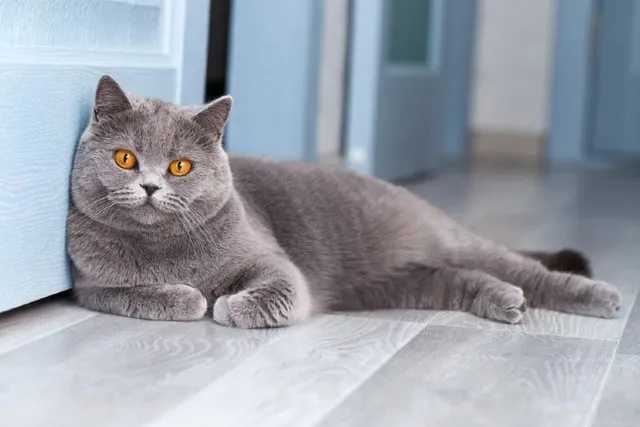
The cat breed with the most pedigree registrations is the British Shorthair.
The average life expectancy of a cat is around 14 years, but some can live into their 20s.
A single cat can be responsible for 20,000 descendents in just 5 years.
97% of owned cats are neutered by the time they are 11 years old.
Owners should expect to pay at least £70 per month for each cat they own.
Approximately 1 in 10 UK cats are indoor cats.
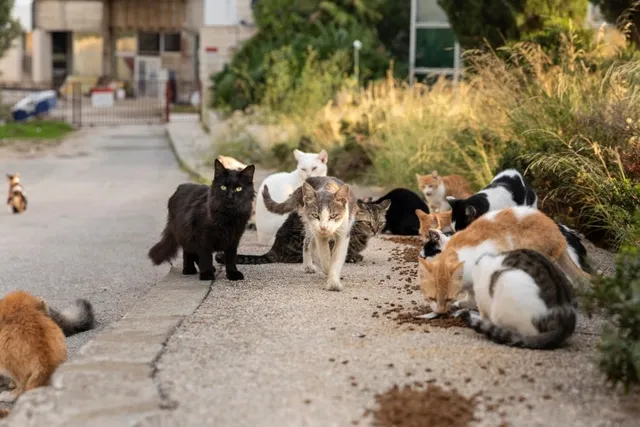
There are approximately a quarter of a million stray cats living in urban areas.
Approximately 150,000 cats end up in shelters and rescue centres every year.

Cat Ownership Statistics
1. There are 11 million cats in the UK.
(Statista 1)
It is a bit hard to accurately state how many cats currently reside in the UK. There is no official register of cat numbers, and there are believed to be a quarter of a million or more stray cats that are difficult to count. However, according to some figures, there could be as many as 11 million cats in the country.
2. 26% of households own a cat.
(Cats Protection 1)
There are an estimated 27.8 million households in the UK, and just over 1 in 4 own at least one cat. The population of cats owned in the UK increased by 600,000 in 2021 when compared to 2020. This 5% increase is likely a result of COVID lockdowns when people found they had more time to look after pets and purchased or adopted new animals. In 2020, just 23% of households owned one or more cats.
3. Out of all of the UK, Welsh households have the highest percentage of cat ownership at 29%.
(Cats Protection 2)
The Welsh sure do love cats! A poll done in 2023 shows that almost 30% of Welsh households own at least one cat, jumping from 28% in 2022. England places second, with 26%, then Scotland with 22%. 21% of Northern Ireland's population own at least one cat as well, a decrease from 26% in 2022.
4. The average cat owner has 1.5 cats.
(Cats Protection 3)
The average cat-owning home has nearly 1.5 cats. This indicates that many cat owners choose to have two or more cats rather than just one.

5. 24% of cat owners acquired their cats during the COVID pandemic.
(PDSA)
While there are many different reasons people choose to own cats, some of the most commonly given reasons are to reduce loneliness and to reduce stress. During the COVID-19 pandemic and resulting lockdowns, loneliness and anxiety were major concerns for a lot of people. Roughly 24% of current cat owners say that they acquired their cats during the pandemic meaning 5.4 million pets have been acquired since March 2020.
6. More than half of cat owners got their cats for companionship and to reduce stress.
(Statista 2)
Stress reduction and companionship are important reasons for getting an animal companion, whether it be a cat, dog, or other pet. More than half of all cat owners say that they got their cat to reduce stress and anxiety and for companionship.

Cat Breed Statistics
7. 63% of UK cats are moggies.
(Cats Protection 4)
“Moggie” is the term given to a cat that is genetically made up of three or more distinct breeds, usually called Domestic Shorthair Cats. Moggies tend to be cheaper to buy and cheaper to insure, and there are many more of them available than pedigree cats. As a result, nearly two-thirds, or 63%, of cats owned in the UK are moggies.
8. The Lykoi is the UK’s most expensive cat breed, costing £1,300 for a kitten
(Scotsman)
Although moggies are the most common type of cat, pedigree breed ownership is on the rise, although the cost of buying a pedigree is often seen as an obstacle to owning one. This is especially true of certain rare and unique breeds. The Lykoi is the most expensive breed in the UK and, depending on lineage and breeder, can cost £1,300 for a single kitten.

9. There are 40 recognized cat breeds in the UK.
(GCCF)
The Lykoi might be the most expensive breed, but all pedigrees tend to cost more than a moggie. In total, the General Council of Cat Fanciers (GCCF), which is the official registry of cats and cat breeders in the UK, recognizes 40 individual breeds. This is quite a low figure, with the International Cat Association recognizing 73 standard breeds.
10. The cat breed with the most pedigree registrations is the British Shorthair.
(GCCF)
The breed with the most pedigree registrations, according to the GCCF, is the British Shorthair. The British Shorthair is one of the oldest recognized breeds of cat, having been introduced to the country by the Romans. It has a soft coat, round body, and large eyes. It is sometimes referred to as a living teddy bear.


Cat Welfare
11. The average life expectancy of a cat is around 14 years, but some can live into their 20s.
(RVC)
Cats can share our lives and homes for many a year, and while it is always heartbreaking to lose a feline companion, it may be heartening to learn that while the average life expectancy of a cat is about 14 years, some live into their early 20s. Some of the factors that determine how long a cat is likely to live include whether they are neutered, whether they are indoor or outdoor cats, and how well cared for they are.
12. A single cat can be responsible for 20,000 descendents in just 5 years.
(Cats Protection 5)
There is a considerable population of stray cats in the UK, and part of the reason for this is that cats are prolific breeders. Female cats can start to breed from the age of 4 months old and can have two seasons a year. While an average litter consists of four or five kittens, some litters consist of as many as 12 kittens. A single unneutered female cat can have as many as 18 kittens a year (although this number is usually smaller), which means a single cat could have hundreds of offspring, with each of these having the potential to have hundreds more. As you can imagine, these numbers add up quickly.

13. 97% of owned cats are neutered by the time they are 11 years old.
(National Library of Medicine)
Neutering is the single most effective way to reduce the number of stray cats on the streets because it prevents unwanted litters. It should be done before or when a cat reaches 4 months of age because this is when they reach sexual maturity. Estimates suggest that 97% of cats are neutered by the time they hit 11 years old, which is a high figure, but it also means that many cats are still intact at a young age, meaning they’re contributing to the overpopulation of strays and ferals.
14. Owners should expect to pay at least £70 per month for each cat they own.
(PDSA 2)
There are lots of good reasons to own a cat, including companionship and anxiety reduction, but before buying or adopting a cat, potential owners need to consider the ramifications of owning a feline companion that can live up to 20 years or more. A cat will typically cost at least £70 a month, so a cat that lives to be 15 years old will cost its owner more than £12,000 in total.
15. Approximately 1 in 10 UK cats are indoor cats.
(Blue Cross UK)
There is some debate over whether cats are better kept as indoor cats or are allowed some time outdoors. On the one hand, they do benefit from being able to explore the outside world, and they get more exercise. However, letting a cat outside exposes them to more threats and potential dangers, including traffic and even humans. In the UK, it is common for cats to be kept as outdoor cats, with only 10% being kept solely as indoor cats.

Stray & Abandoned Cats
16. There are approximately a quarter of a million stray cats living in urban areas.
(Nature)
As well as pet cats, there are feral cats and stray cats. Feral cats are not socialised with people, and they tend to live on or near farms or other sources of food. They have never been owned. Stray cats are those that have been socialised and have typically been owned and abandoned. There are estimated to be 250,000 stray cats living in urban areas around the country.
17. Approximately 150,000 cats end up in shelters & rescue centres every year.
(National Library of Medicine 2)
Despite the efforts of organizations like Cats Protection and the RSPCA, there is still a large number of cats that are abandoned or given over to shelters and rescue centers. As the country comes out of lockdown and people head back to the office and other venues to work, the number will likely increase, but these effects have not yet been measured. It has recently been estimated that 150,000 cats a year were handed to shelters and rescues.

Frequently Asked Questions About UK Cats

What Is the Friendliest Cat Breed?
Friendliness and other cat characteristics are primarily determined by the individual cat, as well as factors like socialisation and how often the cat was handled as a kitten, so it is impossible to say whether a cat will be friendly or not based on its breed. However, some breeds do have the potential to be more friendly than others. The Ragdoll, for example, is so named because it goes completely limp like a doll when it is handled, and it loves nothing more than love and attention from its humans. (Purina)
How Much Does Neutering Cost?
Neutering is the process of removing a cat’s reproductive organs to prevent that cat from reproducing. As well as preventing unwanted pregnancies, it can also prevent some cancers and other illnesses and is considered, by many vets and feline experts, to be one of the most important things a cat owner can do. Cost varies according to the gender of the cat and even region, but you should expect to pay between £50 and £100. (Cats Protection 6)
When Should a Cat Be Neutered?
Cats reach sexual maturity at the age of 4 months, and it is advised that the cat be neutered by the time they reach this age. Doing so can also help prevent males from spraying and may prevent unwanted behavioural problems in male and female cats.
How Many UK Cats Are Microchipped?
Microchipping a cat means that it can be reunited with its owner in the event that the cat gets lost or goes missing. The process can be completed by vets, and some charities offer reduced-cost microchipping in certain circumstances. Approximately a quarter of cats in the UK do not have a microchip, so 75% are chipped. (UK Government)
Is It Law to Have Cats Microchipped?
Thanks to a new law passed, starting June 10, 2024, all cats in the UK are required to have a microchip and be registered on a database by the time they reach 20 weeks old. This applies to both dogs and cats, and if you don’t follow the law, you could be fined up to £500. (UK Government 2)
How can I get a job with cats in the UK?
There are many jobs available to cat lovers in the UK. Some are as simple as cat sitting which requires no qualifications at all.
Fortunately, specialized job sites like Veterinary Jobs UK now exist to help connect qualified candidates with veterinary opportunities to work with cats.

Conclusion
Cats make great companions and are kept as loving pets by millions of people in the UK, with moggies being the most popular type of cat and the British Shorthair the most popular pedigree breed. Despite the nation’s love of cats, however, there is still a serious problem with stray and abandoned cats. Neutering and microchipping can help prevent and tackle these problems, and the number of cats that are neutered and chipped is increasing. Thankfully, laws have been recently put in place to boost these numbers even more.
Related Reads:
Expert cat care, straight to your inbox
News, insights, and useful advice, delivered to you.

No spam — unsubscribe anytime.
By signing up, you agree to our Terms & Conditions and Privacy & Cookies Policy.
How useful was this post?
Click a star to rate. You can leave written feedback afterwards. (We read all feedback.)

Christian started writing for a local newspaper as a teenager, and he's been involved in the publishing industry for most of his adult life. Combining his love of writing with a passion for animals, he is currently the Director of Editorial at Pangolia and the Editor-in-Chief at Catster.
Christian lives in the Philippines with his wife, son, and four rescue cats: Trixie, Chloe, Sparky, and Chopper.