Why Has My Cat Stopped Eating Dry Food But Still Eats Treats? 6 Reasons


In this article
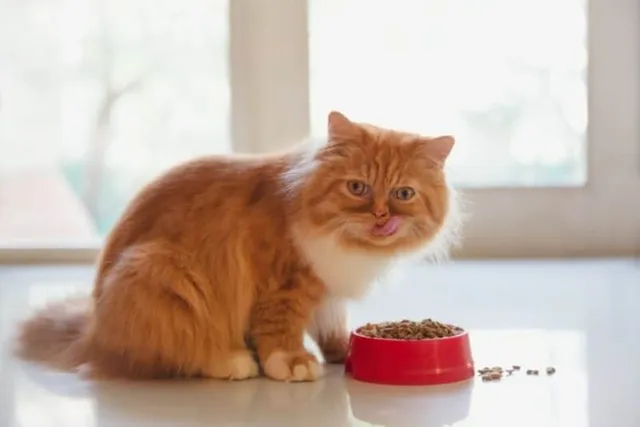
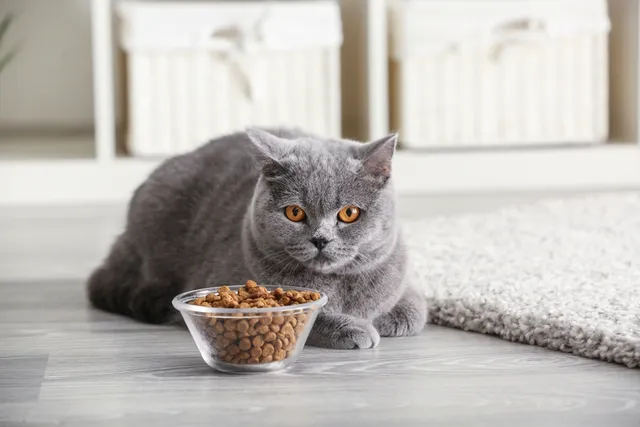
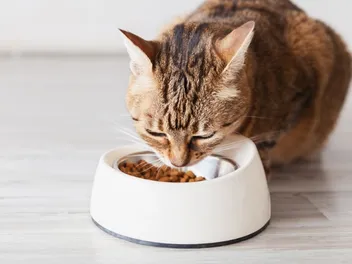
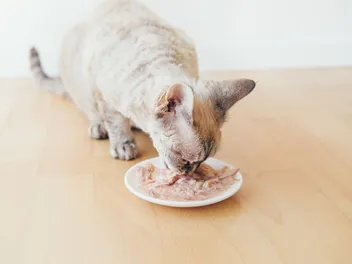
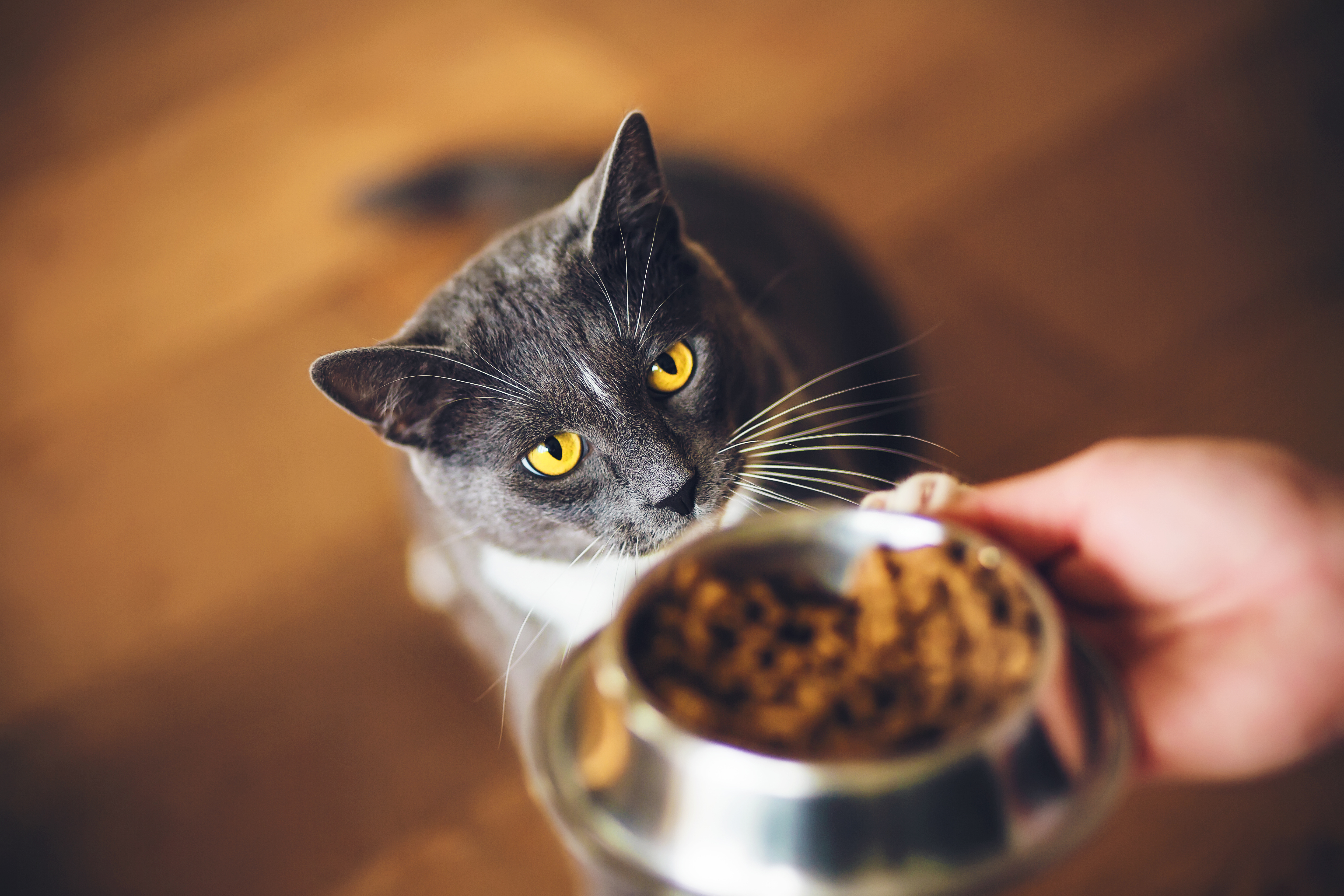
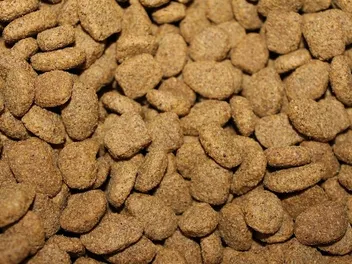
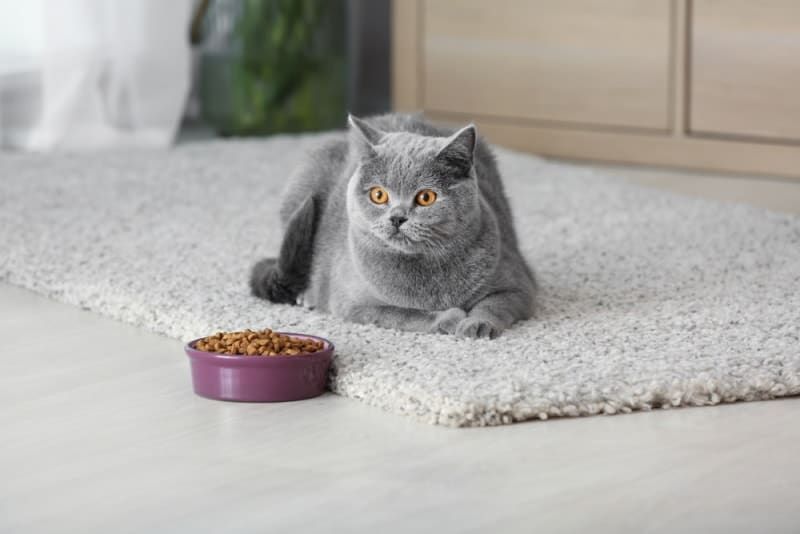
Dry food is one of the most common foods for cats. It’s quick, easy, and affordable — depending on the brand that you choose. Once you find a flavor that your cat loves, they’re often happy enough to devour it for every meal. However, there are occasions when your kibble-loving cat decides that they prefer the treats hidden away in the food cupboard instead of their regular meal.
Cats can turn their noses up at dry food for a variety of reasons, including boredom and having their appetite spoiled by too many treats. Here are several reasons that your cat is refusing to eat dry food but still eats treats.

The 6 Reasons Your Cat Stopped Eating Dry Food
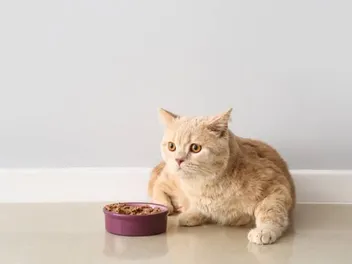
Many cats can be fussy about their food. If your cat has only just gone off their food, there’s likely a reason for the abrupt behavior change.
1. Dehydration
Dry food doesn’t have much moisture content. Provided that your cat has easy access to clean drinking water, this isn’t a bad thing. However, it can pose a problem if the weather is hotter than usual or you’ve forgotten to fill your cat’s water dish.
If your cat is thirsty, eating a bowl filled with dry food will only make them thirstier. Not having enough water can also lead to other, more serious health problems, so make sure there is always clean drinking water within your cat’s reach.
2. Flavor
Cats are picky by nature, and they might just have gotten tired of eating the same thing day in and day out. Not eating their dry food could be their way of saying, “This again?”
Many cats also notice when the recipe of their favorite food changes. Even if the company that makes the food hasn’t announced any formula alterations, your cat will be able to tell. An abrupt change can make your fussy feline turn up their nose at even their favorite cat brand.

3. Health Issues
Dental issues, parasites, or digestive distress can interfere with your cat’s desire to eat. If their teeth hurt, crunching through hard kibble will feel like far too much trouble and may even be painful. Similarly, if your cat has an upset stomach, they’ll wait to eat until their digestive system has settled down. If your cat is not eating their main meals and is showing any other signs of illness you should get them checked over by a vet.
4. Spoiled Food
Usually, dry food lasts a long time, as it was designed to be an easy and cheap way to feed pets without the short shelf-life that wet food has. However, if it’s not stored properly or the bag is left open for too long, dry food can have a much shorter shelf life.
If moisture gets into the bag, the dry kibble can soften and grow mold. It can even make your cat sick if they eat it. If the food smells off to your cat, they’ll refuse to eat it.

5. Stress
Although they might not seem so sensitive, cats like routine and hate it when something changes. To us, the change might be something minor, like moving the couch to clean up dust bunnies, but to our cat, it can be disconcerting. If your cat doesn’t feel safe, they won’t eat.
Something simple like accidentally startling your cat while they’re eating can put them off their food too.
6. Too Many Treats
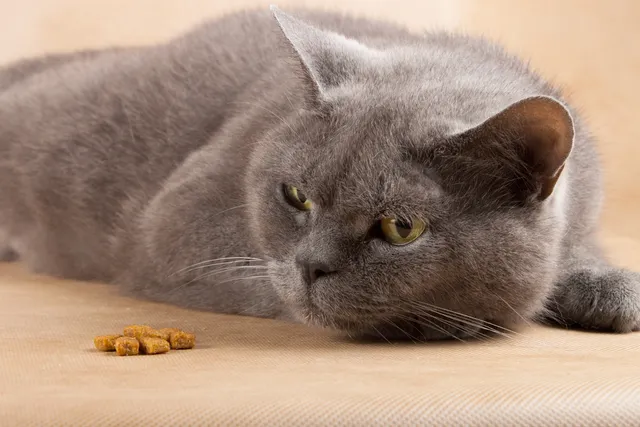
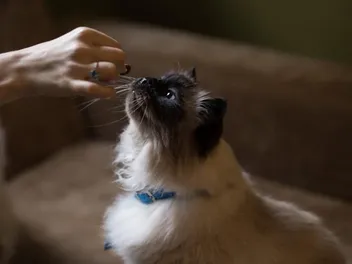
Sometimes, the reason your cat doesn’t want to eat dry food is simply that they’ve been spoiled. Treats are designed to be tasty and enticing. Unfortunately, this means your cat can quickly become wise to this and hold out for the tasty treats. When given the choice between a bowl of boring kibble or the treats in the cupboard, you can probably guess which one your cat will prefer.

- NO MESS - The 360° tray on this cat food and water bowl set has a raised design to catch and contain stray crumbs and drips. Protect your indoors and floors from wet and messy meals!
- WHISKER FRIENDLY - Shallow and wide metal containers with flat bottoms ensure your kitty can enjoy mealtime free from whisker fatigue!
- CHEW-SAFE MATERIALS - Kittens and cats love chewing on silicone and soft rubber - but it's a choking hazard. Our cat feeding station materials are anti-chew for a 100% safe feeding frenzy!
Or, you could treat your cat to something entirely different, the Hepper NomNom Cat Bowl. It offers them a wealth of health benefits and is the perfect modern addition to any home! Click here to learn more.
At Catster, we’ve admired Hepper for many years and decided to take a controlling ownership interest so that we could benefit from the outstanding designs of this cool cat company!

Can Too Many Treats Hurt Cats?
You might assume that as long as your cat is eating something, it doesn’t matter that they’re not eating dry food. After all, treats are designed for cats too. Some brands even claim that you can use them as meal replacements, so how bad can they be?
The problem is that cat treats aren’t supposed to be the only things that your cat eats. They’re designed to reward your cat for good behavior or as something new to munch on. While they might have added benefits, like a special design for cleaning teeth, treats aren’t nutritionally balanced to keep your cat healthy.

One or two a day won’t hurt your cat, but if treats become a major part of their diet, they’ll soon develop health issues, like obesity or a nutrient deficiency. Only feeding treats to your cat would be like a human eating nothing but candy. It might taste delightful, but in the long run, it’ll cause health problems.
Cats can also develop hepatic lipidosis, or fatty liver syndrome, if they don’t eat at all or only eat small amounts of food a day. This condition is caused when excess fat gets stored in the liver due to your cat’s inability to process it. If left untreated, it can be fatal.

How to Encourage Cats to Eat Dry Food in 5 Steps
It can be frustrating to put food down for your cat only for it to be ignored, especially since it’s dangerous to let your cat go hungry for days on end. Not all is lost, though. Try these tips to encourage your cat to start eating their dry food again.
1. Build a Feeding Routine
Stress isn’t always the simplest problem to find a solution for, but introducing a routine can help ease some of your cat’s discomfort. Instead of leaving dry food out in their bowl all day, give them meal-sized portions at the same times every day. This can help prevent food spoiling too, as you’ll be giving your cat fresh kibble for every meal.

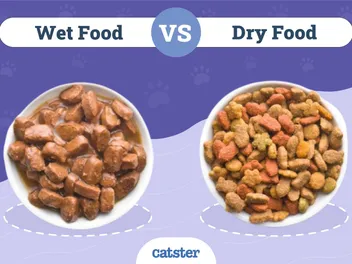
2. Mix in Wet Food
If dehydration or boredom is the problem, try mixing dry food with wet food. Not only will wet food provide moisture to fend off the threat of dehydration, but it’s also often easier to add a variety of flavors to your cat’s diet with canned food options, especially if you prefer to buy big dry food bags. The added flavor and texture might just be enough to encourage your cat to eat their dry food too.
3. Provide Water
Whether your cat mostly eats dry or wet food, they should always have access to clean water. For cats on dry food diets, it’s even more essential to ensure that their water bowl is topped up at all times. You can also encourage them to drink more by using a cat fountain instead of a regular bowl. The running water is naturally more enticing to cats.

4. Try a Different Flavor or Brand
Dry food is convenient, but the big bags do make it more likely for your cat to grow bored of the flavor before they’ve finished the supply. If you’ve been feeding your cat the same flavor for a while, try introducing a new flavor of the same brand.
If the brand that you’re using has recently changed its recipes, try a different brand to see if your cat will prefer a new formula entirely. Remember to introduce any new flavors or brands slowly. Introducing new food too quickly can lead to digestive upset.
5. Consult a Veterinarian
If none of the other tips are working and your cat still isn’t eating properly, it’s time to reach out to a veterinarian. Your cat might have an underlying health issue that requires a proper diagnosis and treatment. A veterinarian will be able to diagnose and treat the issue to get your cat healthy again.
Conclusion
Cats can suddenly decide that their dry food is no longer good enough for them. If they’ve been spoiled with treats lately because you can’t resist their pleading eyes, they’re likely to prefer treats instead of their regular meals. It’s not just too many treats that can be the problem, though. Sometimes, health issues, boredom, or stress can be factors in your cat’s refusal to eat their kibble.
Try to keep their routine as stable as possible, and don’t allow treats to become a major part of their diet. Also, consider visiting a veterinarian if your cat shows signs of underlying illnesses that could interfere with their appetite.
Related Reads:
Featured Image Credit: Pixel-Shot, Shutterstock
Expert cat care, straight to your inbox
News, insights, and useful advice, delivered to you.

No spam — unsubscribe anytime.
By signing up, you agree to our Terms & Conditions and Privacy & Cookies Policy.
How useful was this post?
Click a star to rate. You can leave written feedback afterwards. (We read all feedback.)
Christian started writing for a local newspaper as a teenager, and he's been involved in the publishing industry for most of his adult life. Combining his love of writing with a passion for animals, he is currently the Director of Editorial at Pangolia and the Editor-in-Chief at Catster.
Christian lives in the Philippines with his wife, son, and four rescue cats: Trixie, Chloe, Sparky, and Chopper.