Can Cats Have Chicken Broth? Vet Reviewed Facts


In this article
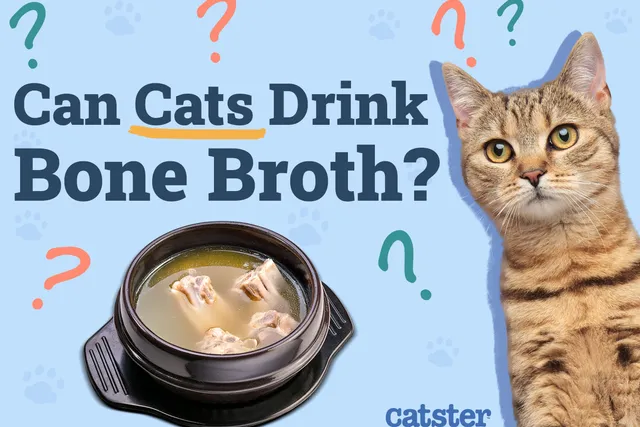
Many people struggle with getting their cats to drink enough water, and since they can eat chicken, you might wonder if chicken broth can be a good way to keep them hydrated. Fortunately, chicken broth is safe for cats if you make it fresh, though there can be several dangers if you purchase it at the store. Here, we discuss the possible benefits and risks of feeding chicken broth to your cat.

What Is Chicken Broth?
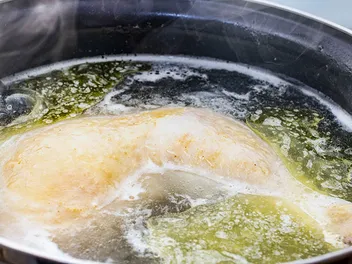
Chicken broth is a flavorful liquid typically made by simmering portions of chicken with bones in water. It’s often used as a base for soups, stews, sauces, and other dishes. Making chicken broth involves slowly cooking the chicken and vegetables to extract their flavors, nutrients, and overall essence. Simmering can last several hours, which means the flavors and nutrients can infuse the liquid. The idea is to allow the minerals of the chicken bone to be released into the broth. When everything finishes cooking, the whole batch goes through a strainer to remove the solid ingredients, leaving behind a clear or slightly yellowish liquid.

Benefits of Chicken Broth for Cats
You might be thinking is chicken broth good for cats, and there are benefits to your kitty from chicken broth.
Hydration
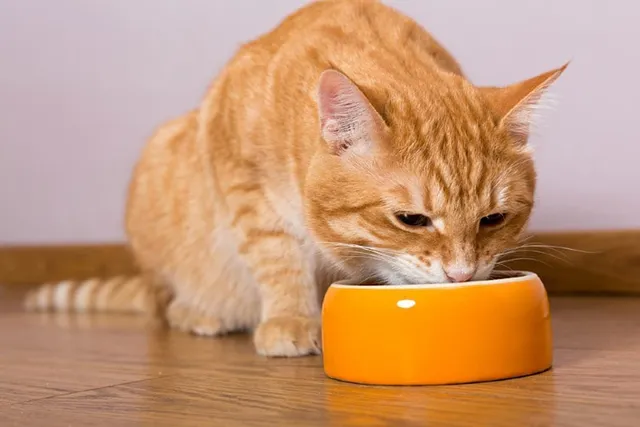
Cats are notorious for having low thirst drives, which can put them at risk of urinary issues, particularly if they only consume a dry kibble diet. As an occasional treat, chicken broth may encourage increased fluid intake, promoting proper hydration.
Appetite Stimulation
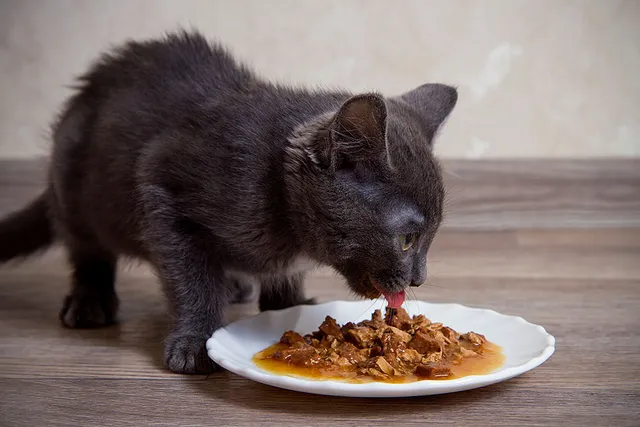
Cats can be picky eaters, resisting change and refusing to try new foods. Some may even lose interest in their current food due to illness, stress, or other factors, so the aroma and taste of chicken broth might entice a reluctant cat to eat.
Nutrition
Chicken broth contains the amino acid glycine, the main ingredient in collagen. It’s responsible for many health benefits in other species, including improved coat and joint health, and provides antioxidants.
Risks of Chicken Broth for Cats
Preservatives
Store-bought chicken broth can contain preservatives that might be unsuitable for cats. It is best to DIY your own chicken broth so you are sure only natural ingredients go to your kitty's plate.
Onion and Garlic
Some chicken broths contain onions and garlic, which are toxic to cats. These ingredients can lead to an upset digestive system, anemia, and other serious health problems. This is why it is always best to prepare your own, kitty-safe chicken broth so you can ensure that there are no garlic or onions. Another possibility would be to buy a chicken broth made specially for cats.
Allergies
Cats can have allergies or sensitivities to certain ingredients. Monitor your cat for signs of an allergic reaction after they consume chicken broth, such as vomiting, diarrhea, or skin issues, and consult a veterinarian immediately if you notice any.

Feeding Chicken Broth to Cats
1. Make sure It’s Cat-Safe
Select a chicken broth specifically formulated for cats, or make your own at home. If you’re using store-bought broth, opt for no-preservative varieties, and ensure that it doesn’t contain harmful ingredients like onions or garlic. If you’re making your broth, avoid using any seasonings, cats do not need them and some might be toxic.
2. No Bones Please
If you prepared your own chicken broth please make sure you strain it. It's ok to offer bits of chicken meat to your cat, as long as there are no bones remaining. Cooked chicken bones should never be offered to a pet because they become brittle and easily break into sharp pieces that might hurt your cat’s mouth or even worse cause a gastrointestinal perforation. So please make sure you only offer the liquid without bones.

3. Offer Small Portions
Start by offering your cat just a teaspoon or two of chicken broth to see how your cat reacts. Cats have sensitive digestive systems, and introducing new foods too quickly can lead to gastrointestinal upset.
4. Observe Your Cat
Observe your cat’s reaction to the chicken broth. The scent and taste may attract some cats, while others might be more hesitant. If your cat shows interest, it’s a positive sign, but don’t force the issue if they seem disinterested or refuse to consume it.
5. Monitor for Allergic Reactions
Keep a close eye on your cat for any signs of allergic reactions or digestive upset after they consume the broth. Signs to watch for include vomiting, diarrhea, lethargy, or changes in behavior. If you notice any of these, discontinue feeding the broth and consult your veterinarian.

6. Warmth and Presentation
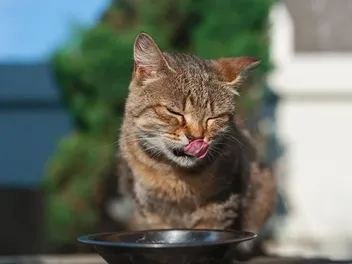
You can warm the diluted chicken broth slightly to make it more appealing and comforting for your cat. Just make sure it is only lukewarm and not hot to avoid issues for your cat. Serve it in a shallow bowl or dish that your cat can easily access.
Extra Tips for a Healthy Diet & Cat
- Before making any changes to your cat’s diet, consult your veterinarian.
- Choose commercial cat foods that list animal-based protein sources, such as chicken, turkey, fish, or beef, as the first ingredients.
- Overfeeding can lead to obesity, a common health concern for cats. Follow the feeding guidelines on the cat food packaging, and adjust portion sizes based on your cat’s age, weight, activity level, and metabolism.
- Regularly monitor your cat’s weight and body condition. If you notice weight gain or loss, consult your veterinarian to adjust their diet accordingly.
- Always have fresh, clean water available for your cat. Proper hydration is essential for their overall health and helps prevent urinary tract issues.
- Kittens, adults, and senior cats have different nutritional needs. Choose cat food formulated for your cat’s life stage.
- Dental health is essential for overall well-being. Incorporate dental care into your cat’s routine, such as dental treats or regular teeth brushing.

- NO MESS - The 360° tray on this cat food and water bowl set has a raised design to catch and contain stray crumbs and drips. Protect your indoors and floors from wet and messy meals!
- WHISKER FRIENDLY - Shallow and wide metal containers with flat bottoms ensure your kitty can enjoy mealtime free from whisker fatigue!
- CHEW-SAFE MATERIALS - Kittens and cats love chewing on silicone and soft rubber - but it's a choking hazard. Our cat feeding station materials are anti-chew for a 100% safe feeding frenzy!
Learning about what your cat can and cannot eat is a crucial part of keeping them happy and healthy! Choosing a bowl to serve cat-friendly foods in is another important decision pet owners face. Satisfy the specific needs of your cat with the innovative design of the Hepper NomNom Cat Bowl. Learn why it’s our (and our cats!) favorite food and water dish here.
At Catster, we’ve admired Hepper for many years and decided to take a controlling ownership interest so that we could benefit from the outstanding designs of this cool cat company!
Summary
Cats can eat chicken broth if it is cat-safe recipe containing no garlic, onions, or other harmful ingredients. It can be quite beneficial, helping to hydrate your pet and providing important nutrients that may help to keep your pet’s fur, skin, and joints in good health. If you’re purchasing it commercially, choose a brand that is formulated specifically for cats. Before feeding anything to your cat you should check that it doesn’t have any garlic, onions, or other harmful ingredients, and watch your cat carefully after they consume it to ensure that they don’t have an allergic reaction.
Sources
Featured Image Credit: Madeleine Steinbach, Shutterstock
Expert cat care, straight to your inbox
News, insights, and useful advice, delivered to you.

No spam — unsubscribe anytime.
By signing up, you agree to our Terms & Conditions and Privacy & Cookies Policy.
How useful was this post?
Click a star to rate. You can leave written feedback afterwards. (We read all feedback.)
Ed Malaker is a veteran writer who has contributed to a wide range of blogs that cover tools, pets, guitars, fitness, and computer programming. When he’s not writing, Ed is usually performing DIY projects around the house or working in the garden. He’s also a musician and spends a lot of time helping people fix their guitars and composing music for independent films.