Get

In Your Inbox

Catster is reader-supported. When you buy via links on our site, we may earn an affiliate commission at no cost to you. Learn more.

Why Is My Cat’s Jaw Swollen After Dental Work? Common Causes & Recovery Tips (Vet-Verified)

Share

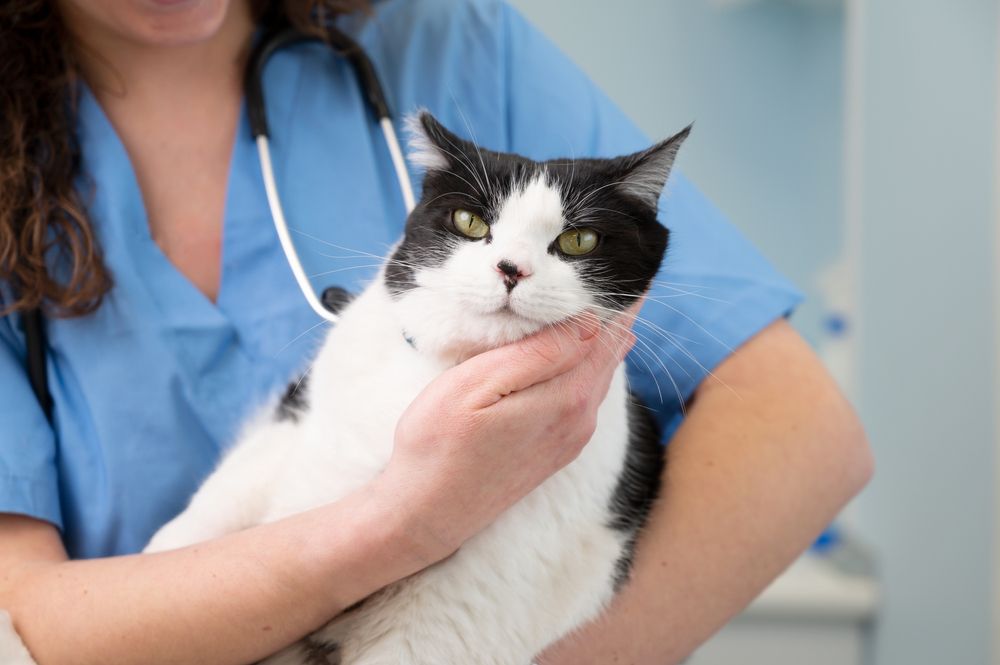
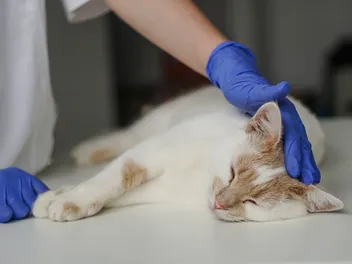
cat being observed by a female veterinarian

Given that dental disease and its subsequent problems are very common in cats, a staggering 50 to 90% of cats over 4 years old have some form of dental disease present. It may be no surprise to have discovered that your kitty is one of them and needs some dental work. Many dental problems are preventable, but in cats, the most common issues seen are gingivitis (inflammation of the gums), periodontitis (a more severe form of dental disease affecting the teeth, tissues surrounding the teeth, and the bone), and tooth resorption (destruction of the crown and root).

Dental procedures are common in veterinary practice, and your cat is usually discharged the same day, provided there are no complications, but it may be alarming to find your cat’s jaw swollen when you were expecting them to be well. While this can be a normal reaction, let’s look at all the possibilities to explain the swelling.

divider cats oct 2024

Why Is My Cat’s Jaw Swollen After Dental Work?

A simple scale and polish procedure is unlikely to cause a swelling in their jaw, but if your cat has had a procedure such as a tooth extraction or another form of dental or oral surgery, a certain amount of swelling may be expected. A veterinarian will inform you of this so as not to startle or shock you. Usually, this settles within a few days as the body heals itself. Your cat will also likely be given a special analgesic to kill the pain and reduce the swelling.

Other reasons to explain the swelling, particularly if it is excessive or causing your cat pain and irritation, include:
  • Trauma or Injury: During dental procedures, accidental trauma or injury to the jaw or surrounding tissues can occur, especially if it is a more complex procedure. This can all lead to swelling.
  • Infection: Following any dental procedure, infections can develop due to bacteria, or an infection may have already been present. This can cause swelling of the affected area as the body tries to fight off the infection.
  • Allergic Reaction: Cats can have allergic reactions to medications, anesthetic drugs, or materials used during dental procedures and/or surgery. Allergic reactions often bring about swelling or puffy-looking tissues.
  • A Tumor: A lump or tumor (benign or malignant) may be present, but realistically, this would have been noted beforehand. A fluid-filled or pus-filled lump is possible post-surgery, though.

Once you are comfortably at home with your fur baby, monitor them closely for any signs of discomfort or worsening infection. Check out our list further down for signs to watch out for and when to call the vet.

If you need to speak with a vet but can't get to one, head over to PangoVet. It's an online service where you can talk to a vet online and get the advice you need for your pet — all at an affordable price!

PangoVet_Mention-in-Content for PangoVet2 save money

Is Swelling Normal After Cat Tooth Extraction?

Tooth removals are frequently performed on cats, and some swelling at the extraction site can be considered normal as any interference or trauma to the body elicits an inflammatory response. Generally, you will not notice this type of swelling at home. Therefore, noticeable swelling, severe pain, bleeding, or any signs of infection (for example, pus or a foul smell) warrants a prompt call to a veterinarian for advice or further treatment.

To manage the temporary swelling and help the healing process, the veterinarian may recommend one or all of the following:

  • A cold compress: Applying a wrapped ice pack or a cold cloth to the area can help reduce swelling. Be sure not to apply ice directly to the skin, as it can cause cold burns.
  • Pain management: A vet most likely will prescribe pain relief medication to keep your cat comfortable and to aid the healing process.
  • Restricted activity and diet: Encourage your cat to rest and avoid activities that could disturb or move the head and mouth too much. The vet might also recommend a soft diet for a few days to prevent irritation of the extraction site and to make eating less painful and difficult.

What to Watch for After Your Cat’s Dental Surgery

The majority of the time, your cat will recover quickly and easily, as most dental work is very successful. However, there are times this won’t happen, and no procedure is without risk. Keep an eye on your cat, and if you spot any of these signs, call a veterinarian, as they may need a check and further treatment.

  • Behavioral changes, such as aggression or avoiding people
  • A foul smell coming from your cat’s mouth
  • Lethargy or dullness
  • A slight swelling on the lower or upper jawline or under the eye
  • Reduced appetite or not eating
  • Bulging eye
  • Pawing at the mouth or head
  • Fluid or blood coming from the mouth or nose
  • Drooling
  • Rubbing their head on the floor
  • Dropping food while eating
  • Vocalization
  • Difficulty breathing
  • Altered drinking pattern (reduced or increased)

How Long Does It Take a Cat’s Mouth to Heal From Dental Surgery?

cat with swollen lower lip contain being examine by vet surgeon at vet clinic
Image By: M. Sam, Shutterstock

The healing time for a cat’s mouth after dental surgery varies depending on the complexity of the surgery, the type of work carried out, and your cat’s overall health. The mouth and oral tissues, in reality, heal well and quickly, barring any complications. In general, it can take anywhere from a few days to around 2 weeks for your cat’s mouth to heal fully.

You can help your cat recover quickly by following the care guide the veterinarian will have given you when you collected your cat and keeping post-operative check-up appointments. Offer your cat the food advised by the vet. Usually, this is soft food. Administer any medication the vet gave you. This is important to prevent any infections or to treat existing ones while also controlling pain relief.

divider 3 paws

Conclusion

Dental work on cats is very commonplace and, for the most part, is uneventful. Some swelling is to be expected. However, anything that is worrying you or causing further pain and swelling needs to be looked at by a veterinarian.

See Also:


Featured Image Credit: David Herraez Calzada, Shutterstock

Want content like this delivered to you?

Sign Up For Our Newsletter

News, insights, expert advice, and everything cat

* By submitting, you agree to our Terms & Conditions and Privacy & Cookies Policy.


How useful was this post?

Click on a star to rate (you can leave written feedback after clicking submit)

Help us improve Catster for pet parents!

Your feedback really matters.

What did you like about this post? Also how can we improve it?

Join the conversation

Leave a Reply

You’re very welcome to leave a comment or question. Please know that all comments must meet our community guidelines, and your email address will NOT be published. Let’s have a positive and constructive conversation.


Talk With A Vet Online

Peace of mind,
anywhere, anytime

Affordable vet advice

Why Chicken Bones Are More Dangerous for Cats Than Most Parents Realize

Chicken bones seem harmless enough, but for cats, they can cause serious damage quickly. Whether your cat swiped a piece off the counter...

Fantastic Pet Pantries and Where to Find Them

Let’s face it: times are really tough right now, and those of us in the 99% are struggling with the cost of just...

Ask Dr. Paola – Help! My Cat Refuses to Drink Water! (April 13, 2026)

Welcome to our “Ask Dr. Paola” series, where every Monday we bring expert advice straight from Dr. Paola Cuevas (MVZ) to help our...

Why Healthy Cats Still Vomit Sometimes (And How to Respond)

A cat that just vomited needs a specific kind of care, and the feeding decisions you make in the next few hours actually...

More related

How Long Do Bombay Cats Live? Vet-Verified Facts & Data

The medium-sized and short-haired Bombay cat has an intriguing personality and striking appearance, which makes it an excellent companion for any pet parent....

Can Cats Eat Mums? Vet-Approved Risks & FAQ

Chrysanthemums are popular flowers that make dynamic and colorful additions in your garden or in a vase. Due to their long and challenging-to-spell...

Can Cats Eat Yams? Vet-Approved Nutrition Facts

Yams are a big part of meals in autumn and winter. As you prepare for holiday dishes, you may be wondering if you...

Chlamydia in Cats: Our Vet Explains the Causes, Signs & Treatments

Chlamydophila felis (formerly Chlamydia felis) is a bacterium that can infect cats of any age, although young kittens are most often impacted. Clinical...

Keep reading

Cat Not Eating But Still Purring? 7 Vet-Reviewed Possible Reasons & Solutions

When cats aren’t feeling well, they can exhibit a range of behaviors, including hiding away from the rest of the family and avoiding food. What if your cat is not eating but still behaving normally, such as purring? Does that...

picky cat not eating

Does Lavender Calm Cats? Vet-Reviewed Facts & FAQ

Cats that spend time outside have likely come across many different types of plants, flowers, and foliage during their adventures. Some of the scents that they smell can have effects on them, such as making them feel happy, excited, or...

Lavender—Lavandula varieties

Why Don’t Cats Make Eye Contact With Other Cats? 4 Vet-Reviewed Reasons

A cat’s eyes are big and enchanting, but did you know that they’re also incredibly expressive? If you’ve just adopted a cat, you might need time to understand what your pet is trying to say with their eyes. But seasoned...

two cats looking at each other

Where Do Cats Like to Sleep? 5 Typical Places

If you are a cat owner, you know how much cats love to sleep. Most cats sleep up to 16 hours a day, and when choosing a place to sleep, most indoor cats love their particular sleeping spots. According to...

grey cat sleeping in bed beside a person's foot

When Do Mother Cats Leave Their Kittens in the Wild? Vet-Verified Facts & FAQ

Female cats are unique creatures that form strong bonds with their young during the early stages of life. Though mother cats may be fiercely protective of their kittens, they also teach them how to be independent, preparing them for adulthood....

hiding litter of kittens

Why Are My Cats Fighting All of a Sudden? 5 Vet-Approved Reasons & Tips

There is something so disheartening about two best pals turning into enemies. If your cats have always gotten along but seem to be at each other’s throats all the time now, you know there has to be a reason. Sometimes,...

cats fighting

Can Cats Eat Walnuts? Vet Approved Facts & FAQ

As a pet owner, you may already know that nuts are the arch-enemy of dogs. Cats aren’t the biggest fans of them either. However, felines, unlike dogs, don’t need to be rushed to your local emergency vet practice if they...

Can Cats Eat Walnuts

Why Is My Kitten Sneezing? 5 Vet Approved Reasons

Kittens are some of the most adorable creatures on earth. They often weigh just a few ounces at birth and quickly grow into sweet bundles of feline perfection. But kittens, just like human babies, sometimes sneeze, refuse to eat, and...

a kitten sneezing in pink background

Love Cats? So Do We! Join the Catster Community

Stay informed with expert pet care insights delivered straight to your inbox! Discover professional guidance on animal behavior, feeding tips, trusted product picks, and much more.


Sign up for the Catster Email Newsletter

Stay informed with expert pet care insights delivered straight to your inbox! Discover professional guidance on animal behavior, feeding tips, trusted product picks, and much more.