Get

In Your Inbox

Catster is reader-supported. When you buy via links on our site, we may earn an affiliate commission at no cost to you. Learn more.

Why Do Cats Cough After Surgery? Medical Facts Explained (Vet Answer)

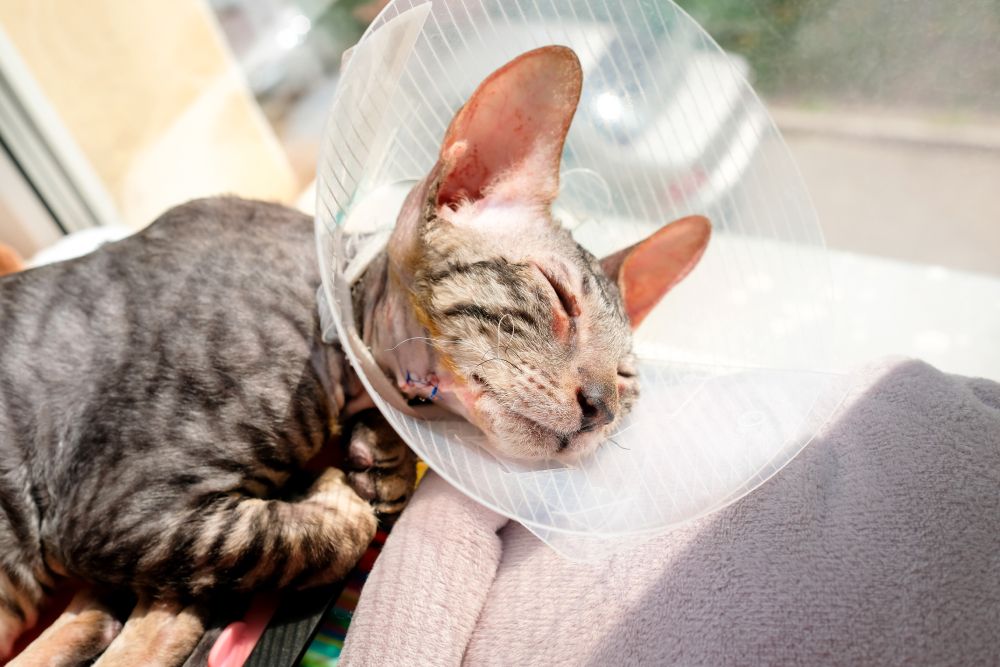
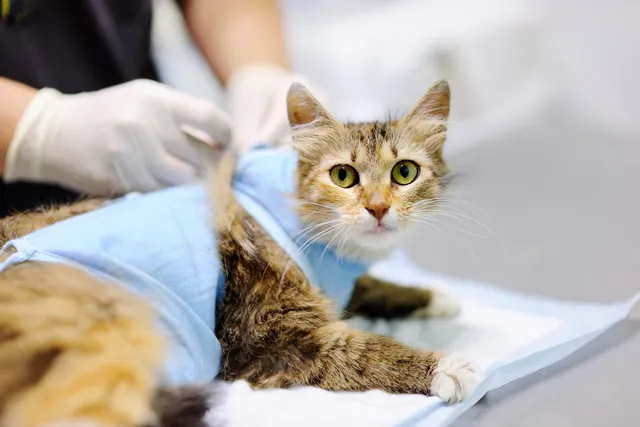
cat after surgery to remove a polyp in the ear and the seam is visible. Wearing a protective blanket

When your feline friend undergoes surgery, it can be a scary time. What can be even worse is when your cat comes home safe and sound from the procedure but is now experiencing strange issues. You know that you should follow your veterinarian’s post-surgery instructions to help avoid potential complications, but should you be concerned about your cat coughing following a surgery?

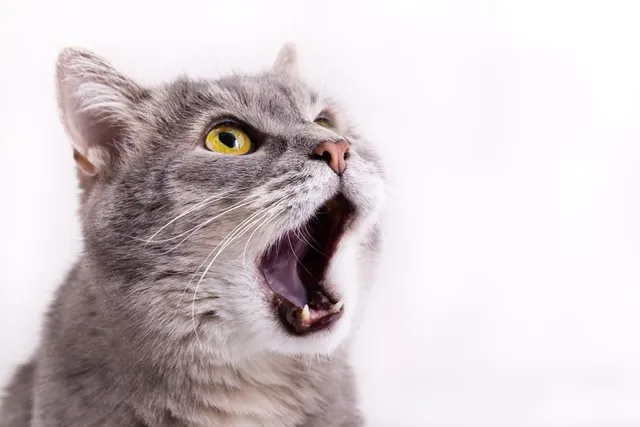
A cough after surgery is typically the result of minor irritation due to the endotracheal tube that your vet used during the surgery. It will typically go away within a few days, but be sure to contact your vet if it doesn’t or if it gets worse.

divider cats oct 2024

Is It Normal for Cats to Cough After Surgery?

The first part of any type of surgery in cats is sedation and anesthetization. This can involve a combination of injectable sedatives, intravenous medications, and gas anesthesia. To administer the anesthesia, your cat will have a tube placed down their mouth and into their trachea to deliver the gases and oxygen directly to their lungs.

This tube is made of firm plastic and sized to fit snugly into the trachea. As you can imagine, though, this is a foreign object to the trachea, which normally only feels air going in and out of the lungs. While it’s a necessary component of the whole operation, the endotracheal tube can cause irritation afterward, which can present as a cough.

abyssinian-cat-meowing-at-the-sofa
Image Credit: New Africa, Shutterstock

How Long Does Post-Surgery Cough in Cats Last?

If your cat’s post-surgical cough is caused by irritation from an endotracheal tube, it will take the trachea a few days to heal. That means your cat could have a mild cough for 2 or even 4 days post-surgery. This time frame can be completely normal, as long as the cough isn’t severe, doesn’t get any worse, and isn’t accompanied by other signs, such as a fever, inappetence, runny nose, or difficulty breathing.

If the cough doesn’t go away within a few days or you notice any of these signs, see your veterinarian.
You can also consult a vet online if you need quick and easy access to an expert’s opinion.

If you need to speak with a vet but can't get to one, head over to PangoVet. It's an online service where you can talk to a vet online and get the advice you need for your pet — all at an affordable price!

Preventative wellness PGV mention keep cat healthy Preventative wellness PGV mention keep cat healthy mobile

How Do You Get Rid of a Cat’s Cough After Surgery?

Your cat’s post-surgical cough will likely go away on its own within a few days following surgery. Just make sure they are eating and drinking normally. Your cat should be relaxing, not overexerting themselves, which can lead to more coughing. Follow your vet’s other post-surgical instructions, and have them rechecked if you’re at all concerned.

What Are the Side Effects of Anesthesia in Cats?

Orange cat drooling
Image By: Ling_Chen, Shutterstock

Your veterinarian will likely keep your kitty for a while following surgery to monitor their recovery from the procedure and anesthesia. Even with these safety measures in place, though, some cats might not be 100% back to normal by the time they go home.

Anesthesia can take a bit of time to completely wear off, so don’t be surprised if your kitty acts slightly differently for the first 24–48 hours following surgery. Signs that you may see include:

  • Nausea: The medications used can make your cat drool more or not want to eat. Withhold food for the time allotted by your vet, and then introduce small amounts more frequently until your cat regains their normal appetite.
  • Grogginess: It can take cats a while to fully wake up following anesthesia. Just make sure to provide them with a safe place to sleep it off and comfort them as needed.
  • Shivering: Anesthesia can mess with a cat’s body temperature, which can take time to regulate. Provide your kitty with a comfy bed in a quiet, heated room to help them stay warm.
  • Disorientation/Confusion: It may take a while for your cat to think clearly. Give them a safe place to recover, and offer them comfort with familiar objects or attention.

divider cats oct 2024

Conclusion

If your cat comes home with a cough following surgery, it’s likely residual irritation from the endotracheal tube used for gas anesthesia, and the cough should go away within a few days. If it lasts longer than that or gets worse or your cat starts showing other concerning signs, be sure to contact your veterinarian.


Featured Image Credit: Elena Loginova, Shuttetstock

Want content like this delivered to you?

Sign Up For Our Newsletter

News, insights, expert advice, and everything cat

* By submitting, you agree to our Terms & Conditions and Privacy & Cookies Policy.


How useful was this post?

Click on a star to rate (you can leave written feedback after clicking submit)

Help us improve Catster for pet parents!

Your feedback really matters.

What did you like about this post? Also how can we improve it?

Join the conversation

Leave a Reply

You’re very welcome to leave a comment or question. Please know that all comments must meet our community guidelines, and your email address will NOT be published. Let’s have a positive and constructive conversation.


Talk With A Vet Online

Peace of mind,
anywhere, anytime

Affordable vet advice

Manx Cat vs American Bobtail Cat: Key Differences (With Pictures)

The Manx Cat and the American Bobtail Cat share one physical characteristic: they both have short, cropped tails. However, while the Bobtail cat...

How to Make a Super Mario Cat Tree: A Step-by-Step Guide

Anyone who has a cat should be very familiar with the beige scratching posts and climbing structures sold at your average pet store....

My Cat Makes Weird Noises When Drinking: 6 Vet-Verified Explanations

Are you worried that your cat has an odd way of drinking water? You’re not alone in this thought process. It’s a common...

Siamese Cat vs. Oriental Shorthair Cat: Which One To Choose (With Pictures)

Both the Siamese and Oriental Shorthair have similar physical traits. It can be hard to tell the difference between these two breeds, which...

More related

Are Cats Lactose Intolerant? Vet-Reviewed Facts & FAQ

Cats are infamous for their love for milk. However, it turns out that cats might be lactose intolerant. But how true is that...

The Dark Side of Cat Cloning: Cost, Process, Ethics & More

In the almost three decades since the creation of Dolly, the world’s first cloned sheep, the technology of cloning has been tweaked and...

Do Cats Get Seasick? Vet-Reviewed Facts & Info

Everyone gets a little uneasy sometimes when their body is being tossed this way and that. Some animals get motion sickness far easier...

Why Do Cats Stretch When They See You? 5 Vet Verified Reasons

Picture this. Walking in your front door after a long, grueling day at work. The house is quiet, but then you hear it...

Keep reading

Can a Cat Ride on a Motorcycle Safely? Vet-Reviewed Facts & Tips

As a cat owner and frequent motorcycle rider, you may wonder if you can have your cat join you on a ride. We strongly advise against having your cat join you on a motorcycle ride, as this carries a lot...

maine coon cat in the carrier riding the car

British Shorthair Cat Health Problems: 7 Vet-Reviewed Health Issues

Getting a new cat is always an exciting time! Part of the fun of adopting a pet is figuring out which breed will be the best fit for you and your family—that means doing some research. You’ll need to learn...

Catster_Health Problems of British Shorthair

Why Do Cats Put Things in Their Water Bowl? 6 Possible Reasons

It has been said that curiosity killed the cat, but in reality, their curiosity often keeps them safe. A cat’s curiosity leads them to investigate everything they encounter, from new smells to strange noises. This inquisitiveness often puts them in...

cat drinking water

Can Cats Eat Raw Pork? Vet-Reviewed Facts & FAQ

Raw diets for pets have become all the rage within the last decade or so, with many people attempting this diet at home on their own without guidance from a veterinarian or a veterinary nutritionist. Many people tout the benefits...

Can Cats Eat Raw Pork

Does Lavender Calm Cats? Vet-Reviewed Facts & FAQ

Cats that spend time outside have likely come across many different types of plants, flowers, and foliage during their adventures. Some of the scents that they smell can have effects on them, such as making them feel happy, excited, or...

Lavender—Lavandula varieties

Diamond Naturals Cat Food Review of 2026: Recalls, Pros & Cons

Review Summary Diamond Naturals makes healthy yet affordable food for pet owners. The company makes a wide range of both dog and cat food, including recipes for specific ages and breeds of animals. One of its most popular ranges is...

Diamond Naturals Cat Food

Why Are Cats Weird About Water? 5 Reasons Why Their Behavior Is Strange

Cats seem to have a complicated relationship with water. They may hate getting baths, but they’ll still have fun playing with water running from the faucet. Some cat breeds are even known to enjoy swimming. While we don’t know exactly...

blue tabby maine coon cat playing with water coming out of a garden sprinkler

Is Caladium Toxic to Cats? Vet Approved Facts & Safety Tips

The pinkish-red and green heart-shaped leaves of the caladium plant make it a vibrant addition to any household. However, its pretty appearance is deceptive: Caladium is toxic to cats, dogs, horses, and humans1. Ingesting the plant can make your cat...

Catster_Is Caladium Toxic to Cats

Love Cats? So Do We! Join the Catster Community

Stay informed with expert pet care insights delivered straight to your inbox! Discover professional guidance on animal behavior, feeding tips, trusted product picks, and much more.


Sign up for the Catster Email Newsletter

Stay informed with expert pet care insights delivered straight to your inbox! Discover professional guidance on animal behavior, feeding tips, trusted product picks, and much more.