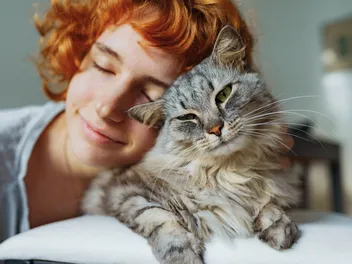
8 Vet-Reviewed Signs Your Cat Wants Attention From You (With Pictures)

Cats have many interesting ways of capturing our attention to get the affection they desperately want. Some methods are more calculated, while others are blatantly obvious and even comical. Even the most independent feline can find creative ways to get our attention and look adorable. The truth is that many cats enjoy our attention, and since they cannot speak to us in ways we understand, they show us other signs instead.
If you are interested in learning about the 8 signs your cat wants your attention, this article is for you.

The 8 Signs Your Cat Wants Attention
1. Pawing at You

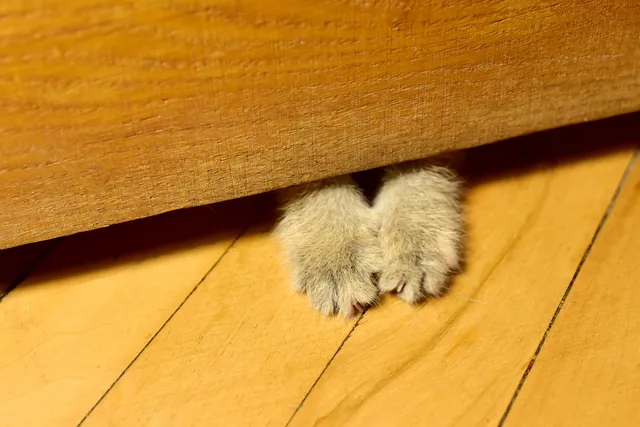
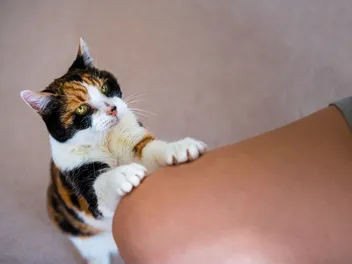
The most obvious sign that your cat wants your attention is when they paw at you. Cats generally do this because it draws your attention to them and makes you notice them quicker. Some cats do it as a last resort, while others do it first because it might work every time.
Therefore, if you notice that your cat paws at you, whether you are working or relaxing on the couch, they likely want your attention. This form of attention could stem from a simple head scratch or indicate that they want playtime, food, or interaction. It is heartwarming to see your feline so interested in your attention that they demand it by pawing at you.
2. Meowing

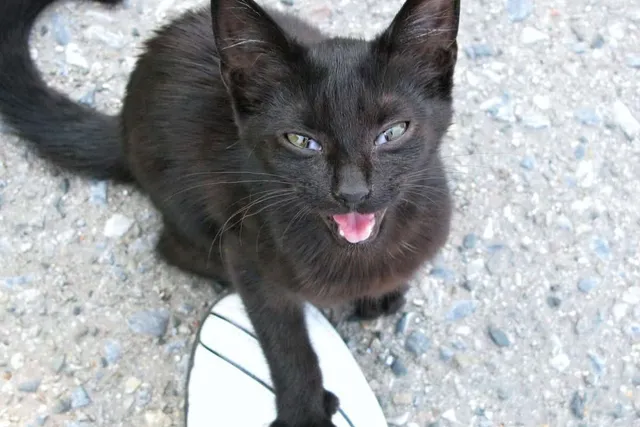
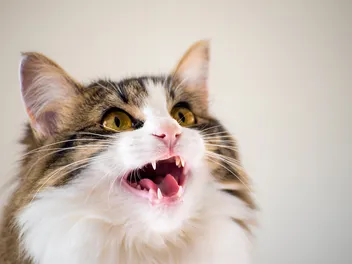
Aside from body language, cats can use vocalizations to get our attention. Meowing is a form of cat communication directed mainly toward humans and has various meanings. Many cat parents know what their cat's different types of meows mean depending on their tone and the situation.
For example, a cat meowing while pawing at you is probably trying to get your attention. Furthermore, a cat meowing near their food bowl probably wants you to feed them. If you are rubbing your cat and suddenly stop, they might start meowing and rubbing against you to encourage you to continue.
3. Rubbing Against You

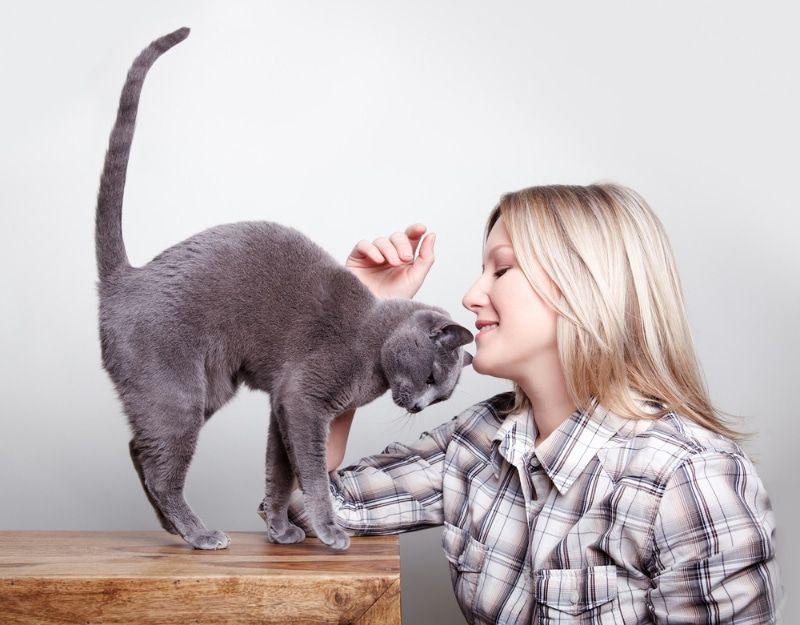
Although there are several reasons your cat rubs against you, one of them is to get your attention. Cats have scent glands along their cheeks, chins, and the tops of their heads. They play a role in feline communication and contain pheromones. They help cats claim objects and people through scent, but could also be a form of greeting, social bonding, or gathering information.
A cat seeking attention might rub against us when communicating a specific need, such as food or affection. Many cats enjoy being petted after rubbing against us and enjoy the attention they get from doing it.
4. Staring

Cats have a way of getting our attention simply by staring at us. They seem to have mastered the art of getting our attention by staring intensely at us from across the room and speaking with their “eyes.” Although some cat owners may find this behavior creepy, cats do it because they are observant animals that like to assess their environment.
Your cat's longing gaze could also signal they want to be fed, especially if they do it from their feeding area. However, some cats will stare until we eventually give them attention, whether it is in the form of cuddles, a toy, or their favorite treat.
5. Lying on Top of Your Things

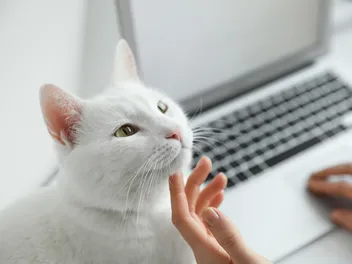
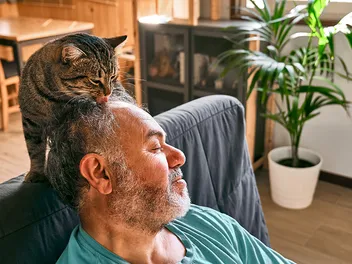
Cats can become demanding about getting your attention to the point that they try to distract you from your current task. You could be working or reading a book and find your cat lying on top of it. While cats can do it because the laptop or book is a comfy resting place, it could also be their way of redirecting your attention to them instead.
Either their other signals for attention were not working, or your cat knows that the best way to get attention is to stop you from doing your current tasks. They may also be drawn to the warmth of electronics or to your scent on the object, which adds comfort.
6. Trying to Sit on Your Lap

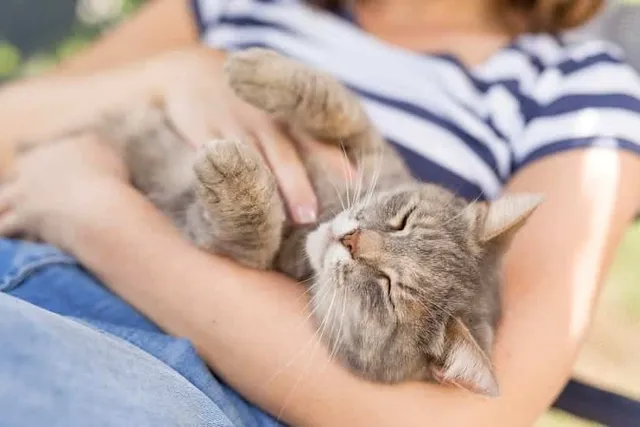
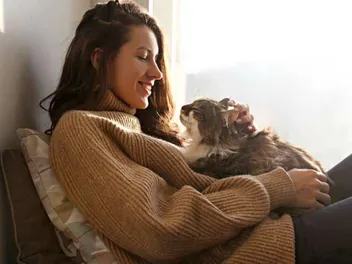
A cat choosing to sit or lie on your lap is a clear sign of trust and love, but it is no surprise that some cats do it to get our attention. Most cat owners automatically start rubbing their cats when they sit on our laps, so cats may do it to get the attention they crave. It could also be their way of communicating that they want food or fresh water once they have our attention. Lap-sitting can also help a cat feel secure, warm, and socially connected.
7. Following You Around

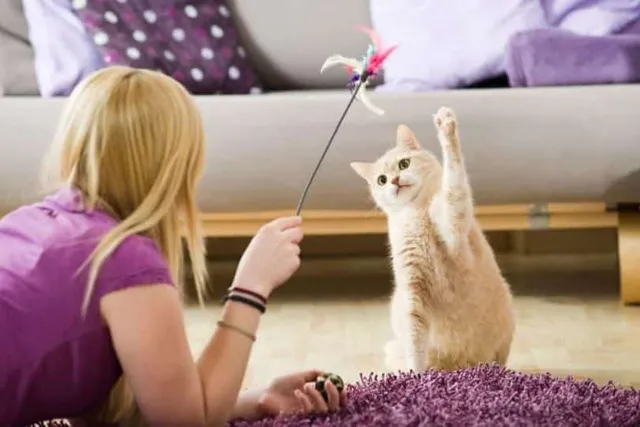
If your cat is following you, it could be a sign that they want your attention. Many cats do it around feeding time to signal they want to be fed, but others do it because they crave attention. Kittens may start following their owners around because they want to play, as it is what they would do to their littermates.
Some cats are clingier than others and have learned that following you around gets your attention when you are moving around the house. Once you are sitting down or occupied with another task, they may choose to interrupt it to get your attention and resume the following when you get up again.
Remember that a cat who constantly follows you around might be feeling anxious or stressed and not necessarily wanting attention. Do not hesitate to take your cat to a veterinarian if you notice concerning changes in their behavior.
8. Waiting For You By The Door

Coming home to your feline waiting for you by the door is welcoming. Although cats may do it as a greeting, it could also be a sign that they want attention. Your cat may have associated your return home with dinner time or playtime. Furthermore, cats might wait for us by the door to get our attention so that they can direct us to something they want, such as food or toys. This greeting behavior often reflects attachment and social bonding. Your cat is happy to see you back home.

Conclusion
Cats try to get our attention in many ways, whether by staring at us, distracting us, or even following us around. If you pay close attention to your cat's behavior and vocalizations, you can understand them better. Once you can do that, you can determine what your cat could be trying to convey once they have your attention. Recognizing these signs strengthens your relationship and helps ensure your cat’s emotional and physical needs are met.
Featured Image Credit: Nailia Schwarz, Shutterstock

Expert cat care, straight to your inbox
Vet-reviewed advice, behavior tips, and the best of Catster. Free, and you can unsubscribe anytime.
By signing up, you agree to our Terms & Conditions and Privacy & Cookies Policy.
Sarah Psaradelis is an avid young writer with dual passions for literature and animals. She enjoys sharing knowledge of animal care and helping others. Sarah has over 8 years of writing experience and is currently studying veterinary science. She resides in South Africa where she takes care of fish, aquarium snails, dogs, and rodents. Sarah is a passionate vegan activist and animal rescuer pursuing her path to make the world a better place for humans and animals alike.
Join the conversation
Ask a question, share your story, or send private feedback.