5 Reasons Why My Cat Wants To Play All The Time
In this article
While playing is very normal and healthy for cats, having a cat that wants to play all the time can be very frustrating. Trust me. I’ve been there! Your feet (and everyone else’s feet) are never safe.
Not only can constant playing make living in your home a bit hazardous, but it’s also easy to think that something is wrong with your cat. Not all cats play all the time, so why is your cat needing to be so active?
Here are some common reasons cats are so playful, as well as some quick fixes you may want to try.

The 5 Reasons Why Your Cat Wants to Play All the Time
1. Natural Instincts
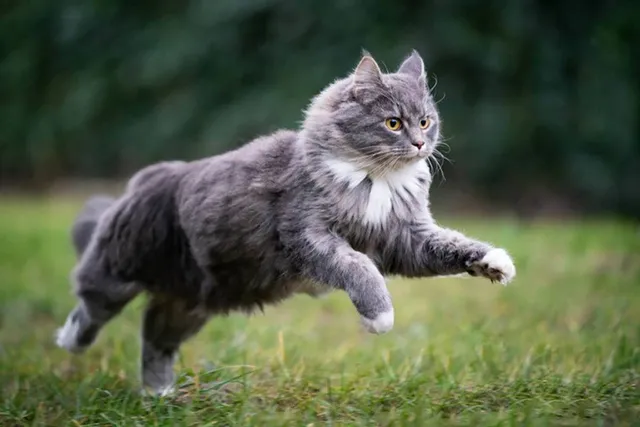
Cats have natural instincts that drive them to hunt. Therefore, it’s very normal for cats to stalk and pounce. In our homes, they don’t need to hunt to eat. However, that doesn’t mean that they don’t enjoy “hunting,” even if they get nothing out of it.
Play also helps cats practice their hunting skills and stay sharp. In the wild, play would have increased a cat’s hunting proficiency, allowing them to be more successful while actually hunting.
These instincts are ingrained and cannot be trained away.

2. Exercise
Just like humans, cats need to exercise. If you’ve ever had to stay in bed due to an illness or injury, you know just how antsy you can get after too much inactivity. Our cats often feel the same way, though how long a feline can go between movement sessions varies.
Unlike humans, cats often don’t have much to do in our modern world. We take care of all their needs. Therefore, they have to “make up” something to do, which typically comes in the form of play. If you have toys and other activities available for them to do, they’ll often use them whenever they’re feeling antsy.
Our cats don’t want to sit around all day any more than we do. Exercise provides them with something to do.
3. Development
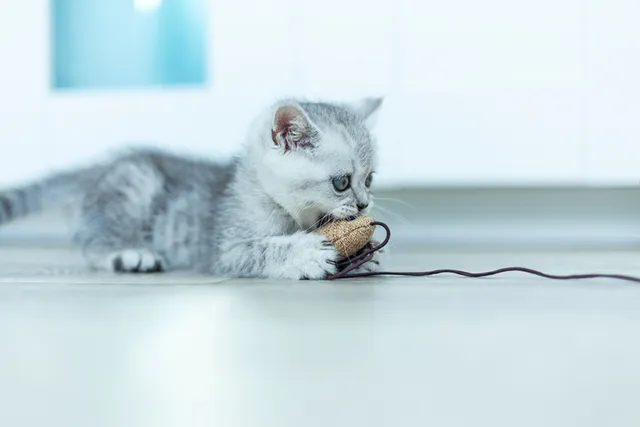
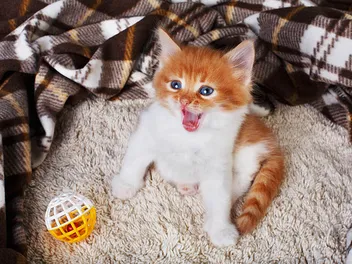
Kittens often play more than adults because they are developing. Kittens are “programmed” to practice their hunting skills and develop their muscles before their mothers stop looking out for them. Otherwise, they would find surviving on their own very challenging. For this reason, kittens are almost always more playful than adults.
It’s very common for kittens to be extremely active. However, this level of activity typically drops by their first birthday. The type of cat does matter, of course, as some cats take longer to develop than others. Larger cats tend to have a bit of a longer kittenhood than smaller cats.
Expect your kitten to be extremely playful, but remember that this is just a phase. Now is the perfect time to socialize your cat and teach them the rules of the house.

4. Lack of Stimulation
If your feline doesn’t have enough toys or activities, they may become bored. Unable to fulfill their stimulation needs, they will continue to look for more stimulation. As you might imagine, this can easily lead to endless playing.
Luckily, this can be solved by increasing the amount of stimulation your cat gets. You should plan on adding more toys and activities to your home. Cats have fun playing with toys, as well as climbing and scratching. Having several kinds of activities helps keep your cat from getting bored.
Cats can also become bored if they aren’t getting enough attention. Most cat breeds are pretty social creatures, so they need attention from humans. If you’re gone for much of the day, they may try to fix their loneliness through other means. They may also become very excited when you do get home, prompting a bout of playing.
Looking for toys that will cater to the many needs of your cat? The Hepper Hi-lo Cat Scratcher is one of our favorite cat products, and it will encourage your cat to get active. Its clever three-angle design offers multiple ways for your cat to climb, stretch, and exercise. Made of a sturdy plywood base and a replacement cardboard insert, this scratcher is an option that cats can enjoy for years to come. If your cat requires a little encouragement for self-play, the Hepper Catnip Mice Toy Set is a fantastic choice for their instinctual needs. Made with natural, bite-resistant hessian fabric and filled with organic catnip. Cats can satisfy their natural prey instincts while getting the physical activity they need to thrive.
| Image | Product | Details | |
|---|---|---|---|

|
Hepper Hi-Lo Cat Scratcher |
|
Check Price |

|
Hepper Catnip Mice Toy Set |
|
Check Price |
At Catster, we've admired Hepper for many years, and decided to take a controlling ownership interest so that we could benefit from the outstanding designs of this cool cat company!
5. Medical Issues
Sometimes, extreme activity increases can be the result of a medical issue. Often, this is only worrisome for cats that go from not playing a lot to playing almost constantly. Cats that have extreme changes in behavior should be taken to the vet for a check-up. Cats are often very good at hiding their illnesses, and you may only get a sign or two that they’re sick.
Hypothyroidism is a common condition that often leads to hyperactivity. In this condition, the thyroid produces too many hormones, causing your cat to feel a bit too energetic. Cats with this condition often have weight loss, increased appetite, and increased thirst. They’ll burn more calories than they should be, which often means that they need to take in more calories (or end up losing weight).
Only a vet can determine if your cat has a health condition or not, usually by performing some basic blood tests. The faster these conditions are diagnosed, the easier they are to treat usually. Therefore, it’s important not to delay.
How to Make a Cat Calm Down
There is no set way to make your feline quit playing so much. Some breeds are simply more active than others, and individual variance also plays a huge role. However, there are some things you can do to encourage your cat to meet their needs, which may help them calm down a bit.
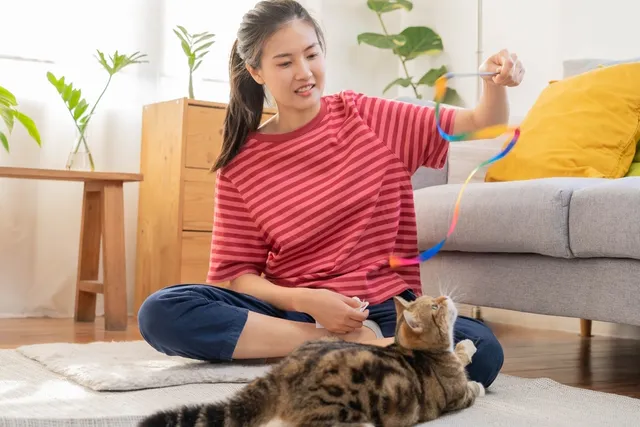
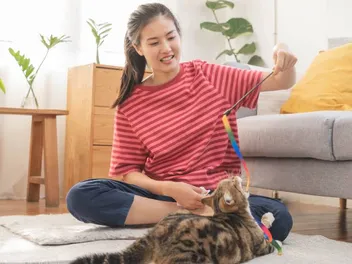
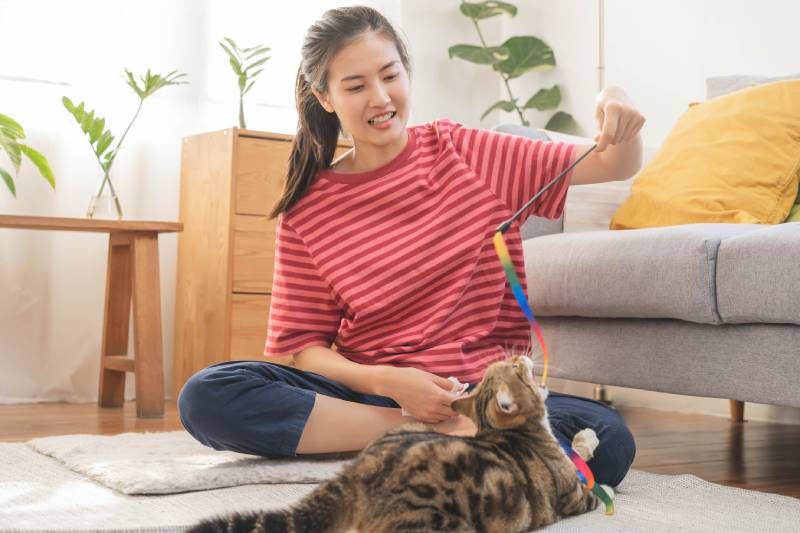
You should start by setting aside dedicated playtime with your cat. Just like you would walk a dog a couple of times a day, you should also play with your cat a couple of times a day. Start with two 15-minute sessions spread throughout the day. Use interactive toys like cat wands and encourage as much intense play as your cat will engage in.

Next, you should also provide an enriching environment so that your cat can play by themselves. Add scratching posts and cat trees. Interactive toys (like battery-powered wands) and puzzle feeders can provide extra entertainment when you are away. Your goal is to keep your feline entertained and stimulated when you aren’t there to play directly with them.
Consider rotating toys to keep them new. Some cats tire of toys quickly, much like a child. By rotating toys, you help things stay fresh. Cat toys are often inexpensive, so you don’t have to spend a lot to get a variety of wonderful toys for your feline to play with.
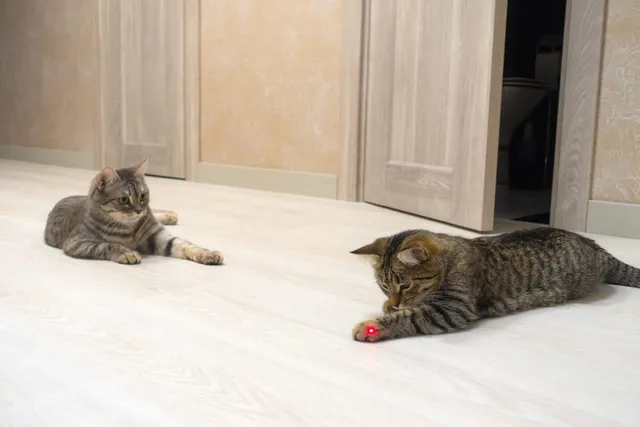
You can consider a playmate if your cat is very active. However, this does not always work as much as cat owners hope. There is no guarantee that the cats will like each other or that the new cat will be just as active as your current one. Plus, some cats simply don’t play together, even if they do like each other.
Final Thoughts
All cats play. However, some cats can become hyperactive and play a little too much. Often, this is due to a cat’s individual preferences but sometimes, cats just like to play!
Extra stimulation and attention can help a cat calm down a bit. If a cat’s exercise and needs are met proactively, they tend to be less hyperactive. You may need to set aside time to exercise your feline, just like you would set aside time to walk a dog.
Sources
Featured Image Credit By: Kmpzzz, Shutterstock
Expert cat care, straight to your inbox
News, insights, and useful advice, delivered to you.

No spam — unsubscribe anytime.
By signing up, you agree to our Terms & Conditions and Privacy & Cookies Policy.
How useful was this post?
Click a star to rate. You can leave written feedback afterwards. (We read all feedback.)

Kristin is passionate about helping pet parents create a fulfilling life with their pets by informing them on the latest scientific research and helping them choose the best products for their pets. She currently resides in Tennessee with four dogs, three cats, two fish, and a lizard, though she has dreams of owning chickens one-day!