Keeping Cats Safe in Summer: 7 Tips That Don't Just Involve the Heat


When it comes to summertime, many people focus on the heat. There are plenty of resources about how to keep a cat cool but very little advice about the other things that summer brings to the table compared to winter or autumn. Unfortunately, focusing too much on the heat can leave you with gaps in your knowledge and preparation for this season. Summer brings a whole slew of changes that can affect your cat, especially if you have a cat that is allowed to spend time both indoors and outdoors. Here are seven tips on how to keep your cat safe during the summer that don’t solely focus on the heat.

The 7 Tips to Keep Cats Safe in Summer
1. Keep Your Cat on Preventative Medication
Veterinarians recommend keeping your cats on flea and tick prevention year-round, but summer is the season when these pests are the most numerous and active. When the weather starts to get warmer and the days longer, you should ensure that your cats are on the proper flea and tick medication for your area. You should also ensure that your cat is on heartworm medication. Cats can get heartworms from mosquitoes, and mosquitoes are the most active during the summer. Do not let your important medications lapse, especially during the summer months.
2.Put a Bell or Large Collar on Your Cat to Hamper Hunting
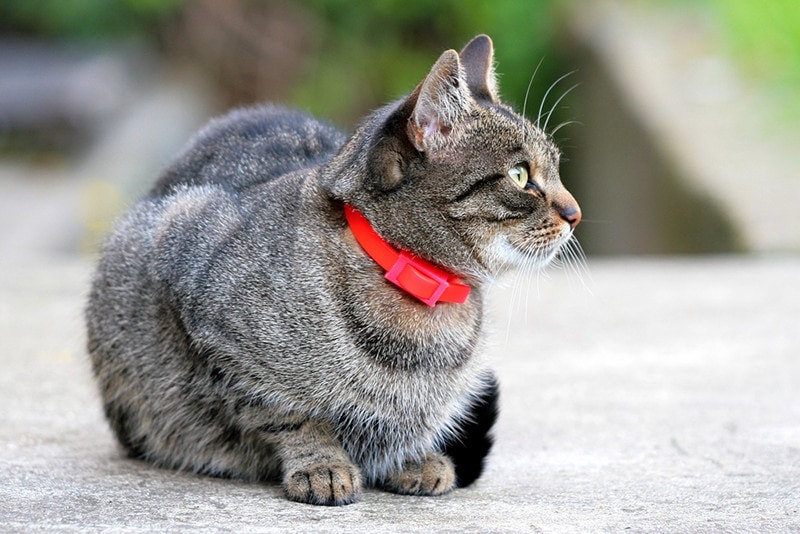
Summer is also a season where there are more prey animals out and about than normal. If your cat likes to hunt or stalk prey, they could become distracted when outdoors. They might even bring animals home, like squirrels or snakes, which can be a headache to have to remove. If you have a cat that likes to hunt, you might want to consider putting a bell on them or a large collar that will hinder their ability to hunt.
A bell can make it so that your cat will have a harder time catching prey, which can reduce the chance that they run into an animal with a disease or come across a venomous animal like a snake. Of course, make sure any collar that you use is a breakaway type that will come off if it gets snagged, preventing them from getting hung up somewhere.
3. Watch for Seasonal Predators
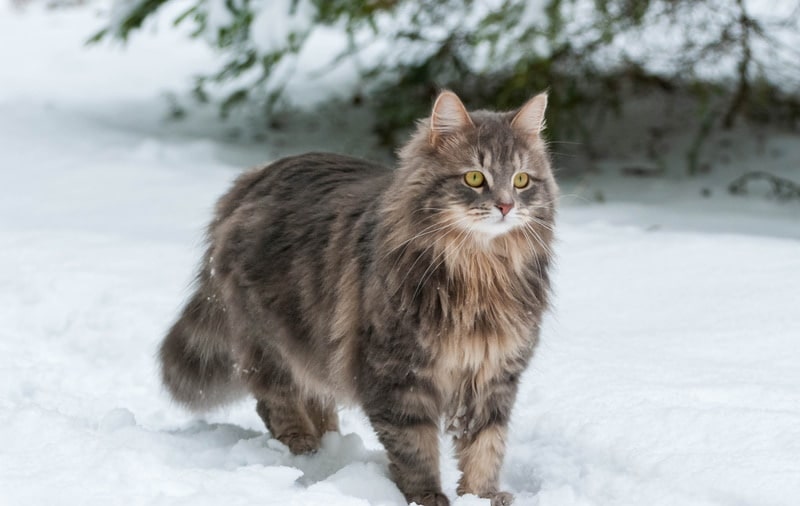
Long, warm days can make some predators more active than they are during the winter. Animals like dogs, coyotes, and bobcats may roam around during the summer looking for food and mates. You want to ensure that your property is safe from these types of predatory animals. Ensure that you have proper fencing and barriers to keep these kinds of animals away from your home. Animals like coyotes and bobcats can attack and harm your cats if you are not careful. You want to keep an eye out for predators like these and ensure that your cats are kept safe or kept indoors if you suspect that they are around.

4. Be Wary of Mating Behaviors (and Possibly Keep Your Cat Indoors)
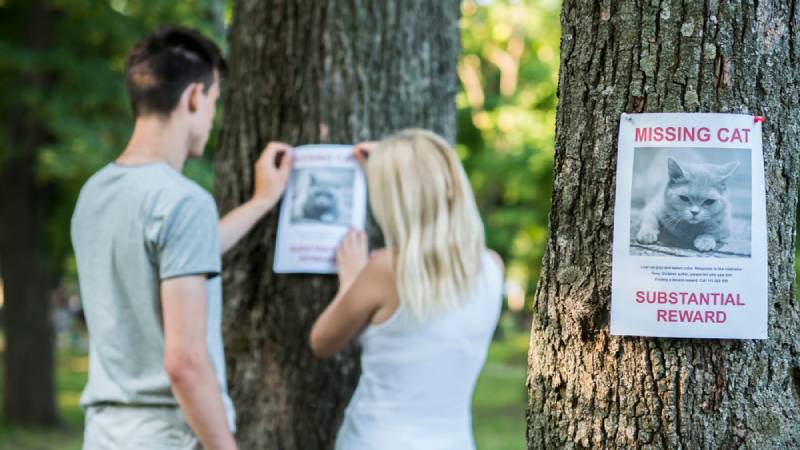
Mating season for cats spans from early spring to fall, encompassing the entire summer. Wild cats may be on the prowl, looking for other cats to breed. If they have not been fixed, your cat could start feeling feisty and will want to get out and seek a mate during the summer. This can make your cat more likely to try and run out the door. It can also make it so that your cat does not come back when they normally would. If you are not careful, you could end up with a pregnant cat.
The mating drive can also cause your cat to roam farther from home than they usually do, which can put them in dangerous situations. Your cat might end up crossing busy streets, getting lost, or running into dangerous predators. Even if your cat does not show signs of wanting to leave your property or go outside during the rest of the year, summer mating season can cause them to act in ways that they usually don’t. You might want to consider keeping your cat indoors during mating season to mitigate these risks. You might also want to consider getting your cat spayed or neutered, if you haven’t already, to cut out the mating urge during the summer.
5. Keep Your Property Free of Standing Water and Unnecessary Lights
Another way to help keep your cats safe from pests, like mosquitoes, is to ensure that your property is free of standing water and unnecessary lights. Lights can attract bugs, and many people have outdoor lights that they don’t use but still turn on after dark. Having lights burn all night may only attract more insects to your property, which can interact with your cat and cause problems. Similarly, mosquitoes breed in standing water, and even small puddles can incubate thousands of mosquitoes in certain climates. Dump out standing water from things like old flowerpots, trash cans, or bins and turn off unused lighting to reduce the number of harmful mosquitoes that live and breed on your property. These efforts can help keep your cat safe from harmful insects during the summer.
6. Track When Your Cat Goes Outside and When They Come Back
Summer is an active time for most animals. As discussed, there are predators, prey, and cats looking for love all out and about during this time. To help keep your cat safe, it is a good idea to track when your cat goes out and when they come back during the summer. Your cat’s schedule is likely to change during this season. They may stay out longer and come back later during the summer due to the longer daylight hours. Knowing where your cat is and their normal schedule for going in and out will help you keep your cat safe. It will also put your mind at ease.
7. Don’t Forget About the Heat (Have a Plan for Vacations and Hot Days)
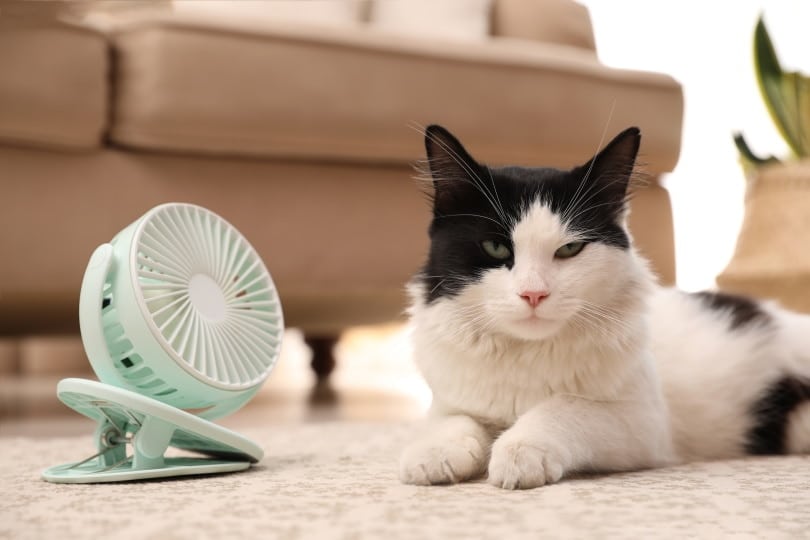
You can’t talk about summer safety without mentioning the heat. You need to ensure that your cat has access to fresh water and shade during the summer months. You also need to have plans in place in case you decide to leave your cat for a summer vacation. You should consider boarding your cat instead of leaving them alone. But if you decide to leave them alone while you go out of town for a couple of days, make sure to keep your air conditioning on, provide plenty of food and water, and draw the shades. Have someone check on your cat to ensure that your house is cool, and the cat has everything they need to be comfortable during the hottest part of the year.
Heat is just one factor in a long list of factors that need to be considered during the summer months, but it is one that should not be ignored. Heat can be dangerous for your cat if you are not careful.

Conclusion
Most people focus on the heat during the summer, but heat is just one thing that you need to be aware of if you have a cat, especially an indoor-outdoor cat. Summer is a time filled with insects, prey, mating, and predators. Animals tend to be much more active during the summer, and your cat can get caught up in some unfavorable situations if you are not careful. Use these tips to raise your awareness about the situation and the dangers that can befall your cat when they are out and about during the longest days of the year.
Sources
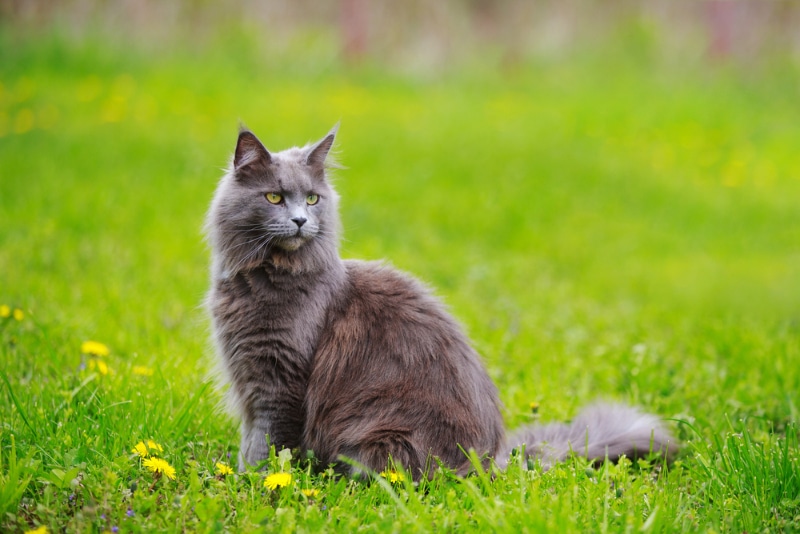
Featured Image Credit: Utekhina Anna, Shutterstock

Expert cat care, straight to your inbox
Vet-reviewed advice, behavior tips, and the best of Catster. Free, and you can unsubscribe anytime.
By signing up, you agree to our Terms & Conditions and Privacy & Cookies Policy.
Grant is a freelance writer with years of experience writing about a diverse range of topics. He currently lives in his home state of Florida with his wife. His days are spent writing, raising a rambunctious son, and caring for eight animals (two horses, two donkeys, two goats, and two dogs). In his free time he enjoys slowly carving out a quaint hobby farm from the Southern scrub.
Join the conversation
Ask a question, share your story, or send private feedback.