Get

In Your Inbox

Catster is reader-supported. When you buy via links on our site, we may earn an affiliate commission at no cost to you. Learn more.

Cat FIP Signs & Treatment: Vet-Reviewed Facts & FAQ

Share

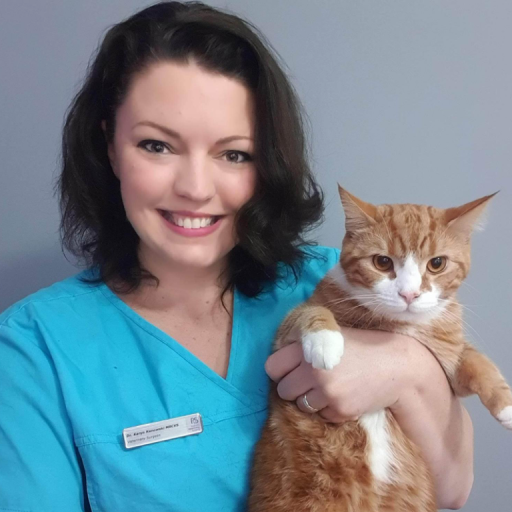
cat and vet.

Feline infectious peritonitis (FIP) is a disease caused by a mutation of the FeCv virus. Known as the feline coronavirus, FeCv isn’t the same as COVID-19 and isn’t contagious to humans. Most of the time, a cat exposed to FeCv will not get sick because only 10% of cases morph into FIP. If it does turn into FIP, the prognosis typically isn’t good.

There may be good news ahead, however; though not yet FDA-approved, there is a new drug that may help cure FIP. Continue reading to learn more about cat FIP signs and treatments.

divider cats oct 2024

FIP Causes & Signs

FIP is caused by a mutation of the FeCv virus. This genetic change can occur at any time after your cat is exposed to FeCv, even years later. Strains of feline coronaviruses will usually live dormant in your cat’s stomach, but for reasons that are still not understood, sometimes it will morph into FIP.

If your cat is exposed to FeCv, they might have diarrhea and/or mild respiratory signs, but most times your cat’s immune system will build antibodies that will make it immune against the virus within 7–10 days after exposure. In certain cases, however, your cat’s immune system won’t fight it off correctly and the virus will mutate into FIP at some point in your cat’s life.

The struggle between the virus strain and your cat’s immune system is what causes FIP, not the virus itself. If FeCv mutates, you’ll notice signs for either the effusive or non-effusive form. As the disease progresses, your cat may have signs of both. Regardless of which form they eventually develop, most cats with FIP share common non-specific signs such as fever, weight loss, depression, and loss of appetite.

Effusive specific signs (more common):
  • Diarrhea
  • Gradual swelling of abdomen (pot-bellied appearance)
  • Accumulation of fluid in the chest cavity
  • Difficulty breathing
  • Sneezing, runny nose
  • Lethargy
Non-effusive specific signs:
  • Anemia
  • Poor growth in kittens
  • Jaundice
  • Diarrhea
  • Inflammation of various parts of the eye
  • Neurological symptoms (e.g., loss of ability to coordinate movements, loss of vision)

Is your cat presenting any of these signs? We suggest you speak with a vet online.

If you need to speak with a vet but can't get to one, head over to PangoVet. It's an online service where you can talk to a vet online and get the advice you need for your pet — all at an affordable price!

Preventative wellness PGV mention keep cat healthy Preventative wellness PGV mention keep cat healthy mobile

divider cats oct 2024

How Is FIP Diagnosed?

veterinary-blood-test
Image Credit: PRESSLAB, Shutterstock

There is no simple blood test for FIP. If your cat has been exposed to feline coronaviruses, they will test positive, regardless of whether they developed immunity or not. Because of this, a FIP diagnosis will require a combination of blood tests with physical symptoms.

Even so, it’s estimated that 50% of FIP cases are misdiagnosed, it is a challenge to achieve a diagnosis and you are likely to have many trips to the veterinarian during this time. The implications of this are challenging because, especially in the past, it was recommended for cats to be euthanized shortly after an FIP diagnosis. This was to shorten the cat’s suffering, but also to minimize FIP transmission. However, most cats who are exposed to the FeCv virus will not develop FIP, so that advice may be outdated.

divider cats oct 2024

What Are the Treatment Options?

Until recently, there was no known cure for FIP. Over the past few years, an injectable treatment called Remdisivir has been effectively used to treat cats in Australia, the UK, and Europe but until now it had not been approved for use in the US.

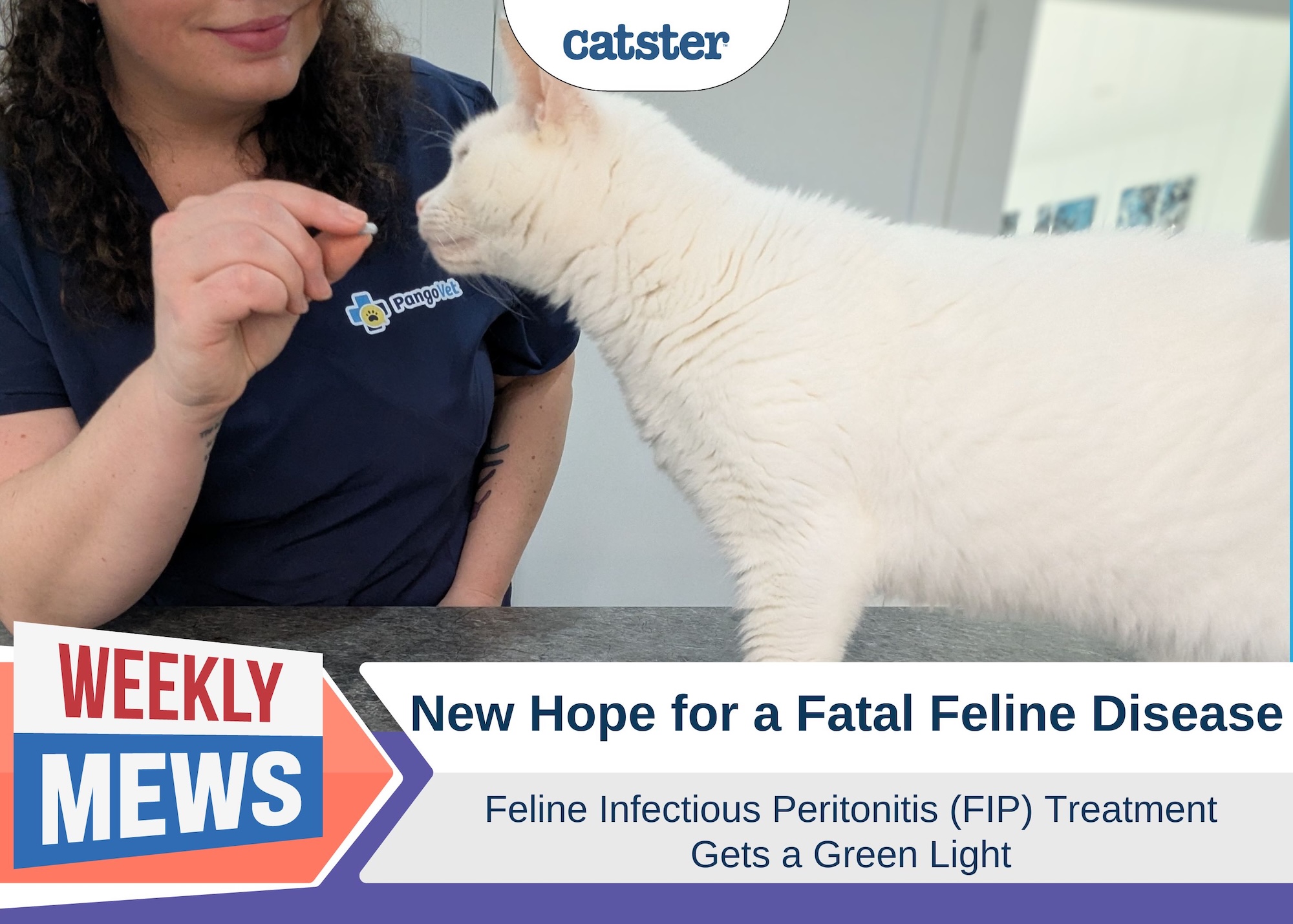
In 2024, an oral formulation of the same drug, known as GS-441524, was approved by the FDA, with very promising results, providing a safe and effective treatment for this once-fatal disease.

How to Prevent Your Cat From Developing FIP

We don’t understand this illness yet, so we don’t know exactly what causes it. Catteries, animal shelters, or other places where many cats live together in close quarters tend to have more FIP-positive cats than domestic households, but we don’t know why.

Until we know more, just make sure you do your part to keep your cat healthy and stress-free as stress can lower their immune system.

Should My Cat Get Vaccinated Against FIP?

Veterinarian at vet clinic giving injection to cat
Image Credit: Tom Wang, Shutterstock

The American Animal Hospital Foundation does not recommend the vaccination for FIP. Cats who received this vaccine in laboratory studies developed Antibody-Dependent Enhancement at a higher rate than the control group of unvaccinated cats. The cats’ naturally occurring antibodies attacked the virus that originated from the vaccine. These cats had more severe symptoms than cats who developed FIP in natural conditions, and they died shortly thereafter.

While there’s always some level of risk in vaccination, separate studies concluded that there seem to be no benefits. One study in Switzerland studied kittens who were infected at an FIP-infected cattery. These cats were given the vaccine and then evaluated a year later. Roughly half of the cats died and the vaccinated cats died at a higher rate than the unvaccinated cats. Another concern is that the manufacturer recommends giving the vaccine for the first time at 16 weeks of age.

By that time, many kittens have already been exposed to FeCv and their survival will depend on the effectiveness of their own antibodies.

divider cats oct 2024

Conclusion

Feline coronaviruses are common in the kitty world, but thankfully most infections will not result in FIP. While this disease remains a medical mystery, hopefully, there will soon be more treatments on the market to improve the prognosis, which has always been fatal until recently.

Whether you have a cat who tested positive or you’re simply trying to learn more about your cat’s health, treasure each day you have with your furry friend. Taking care of their overall health plays a huge role in prevention because having a healthy immune system is the main way your cat can defeat FIP.

See Also:


Featured Image Credit: Maria Sbytova, Shutterstock

Want content like this delivered to you?

Sign Up For Our Newsletter

News, insights, expert advice, and everything cat

* By submitting, you agree to our Terms & Conditions and Privacy & Cookies Policy.


How useful was this post?

Click on a star to rate (you can leave written feedback after clicking submit)

Help us improve Catster for pet parents!

Your feedback really matters.

What did you like about this post? Also how can we improve it?

Join the conversation

Leave a Reply

You’re very welcome to leave a comment or question. Please know that all comments must meet our community guidelines, and your email address will NOT be published. Let’s have a positive and constructive conversation.


Catster's Digital Magazine is Back!

Vet-approved health & behavior advice

Real cat stories & community features

The Surprisingly Simple Ways to Help a Cat With Hairballs

Cats spend an astonishing amount of time grooming. It is part hygiene routine, part comfort ritual, and part instinct that traces back generations....

What a CATastrophe! A Tire-ing Ordeal For a Pony in the UK

As you would expect, our weekly news updates are usually centered around feline topics – we are a cat care website after all...

Ask Dr. Paola – Help! My Cat Has Stopped Eat His Wet Food! (June 1, 2026)

Welcome to our “Ask Dr. Paola” series, where every Monday we bring expert advice straight from Dr. Paola Cuevas (MVZ) to help our...

Chatting About Fake News in the Pet World, AI Again, and New Age Journalism | Chatty Cattys, Episode 23

Navigating the modern digital landscape requires a sharp eye to distinguish fact from fiction. In this episode of Catster’s podcast, Chatty Cattys, Nicole...

More related

Can Cats Eat Macadamia Nuts? Vet-Approved Facts & FAQ

There’s no denying that macadamia nuts are a delicious treat for us humans, and you might even find your cat is interested in...

How Many Cats Can You Own in New Jersey in 2026? Facts & FAQ

As a cat parent, you are tempted to adopt every stray cat you see. Sadly, of course, you know that it’s just not...

Can Cats Drink Sunflower Oil? Nutritional Facts & FAQ

Cats are incredibly curious creatures that like to poke their noses, tongues, mouths, and paws into anything and everything. An inquisitive cat in...

What Should I Do for Adopt a Cat Month? 5 Great Ways to Help

We have International Cat Rescue Day, which falls on March 2nd, and National Adopt a Cat Month each June. These events are in...

Keep reading

How to Give a Cat a Flea Bath Without Getting Scratched: 3 Vet-Verified Tips

Cats get fleas from time to time, just like other animals. However, cats are so hairy that spotting the signs of fleas can be too late to stop them in their tracks. So, how can you effectively get rid of...

bathing cat

Don’t Panic Yet: What Happens When Cats Eat Silica Gel Packs

If your cat just chewed on a “DO NOT EAT” packet, take a breath. This is one of the most common pet-parent panics, and it happens because cats insist on investigating anything crinkly, tiny, or mildly forbidden. Silica gel may...

silica gel

How to Clean a Cat’s Butt: Vet-Approved Step-by-Step Guide

Cats are generally experts at cleaning themselves, butts included. But sometimes, your feline pal needs a little extra help in the hygiene department. Cleaning a cat’s butt is mildly unpleasant and can also be a health risk, so ensure you...

A-curled-cats-tail-close-up

Can Cats Eat Feta Cheese? Vet-Approved Risks & Alternatives

It’s a common scenario: you’re enjoying a delicious snack or meal, and your feline friend gazes up at you with those pleading eyes (or reaches up with a desperate paw!). If your treat of choice is feta cheese, you might...

Can Cats Eat Feta Cheese

Do Cats Grieve for Their Owners? A Vet-Verified Helpful Guide

Although cats may sometimes seem aloof or independent, research and clinical veterinary observations indicate that they can form strong social bonds with their owners. Formal scientific research on feline grief is limited, but one well-known 1996 study—the ASPCA Companion Animal...

sad, bored or sick cat

Why Did My Cat Have Only One Kitten? 3 Possible Reasons

If your cat mistakenly or intentionally became pregnant, you’re probably excited about the birth. But if the big day comes and you keep checking the mother to see how many little kitties you have to love on, you might be...

mother cat giving birth to her child

Feline Hyperesthesia Syndrome: Vet-Reviewed Signs, Treatment & FAQ

Feline hyperesthesia syndrome (FHS) is a condition in which a cat’s skin becomes ultra-sensitive1. It’s also known as twitchy cat disease and most often involves the fur and skin on a cat’s back, especially close to the tail. Cats with...

a woman's hands petting a cat

Can Cats Eat Almond Butter? Vet Approved Facts & FAQ

As a responsible pet owner, you want to be sure that almond butter is safe for your cat to eat before feeding some to them. The good news is that almond butter is not toxic for cats, but that doesn’t...

Can Cats Eat Almond Butter

Love Cats? So Do We! Join the Catster Community

Stay informed with expert pet care insights delivered straight to your inbox! Discover professional guidance on animal behavior, feeding tips, trusted product picks, and much more.


Sign up for the Catster Email Newsletter

Stay informed with expert pet care insights delivered straight to your inbox! Discover professional guidance on animal behavior, feeding tips, trusted product picks, and much more.