My Indoor Cat Got Outside - What Do I Do? 6 Vet-Verified Tips


In this article
Many cats that live indoors are curious about the great outdoors. Some cats may prefer to stay inside and simply look outside, but there are many cats that will attempt to slip out of open doors or windows to go exploring. Once outside, though, it’s not uncommon for cats to find the outdoor world very scary, which can lead to them hiding. It can be difficult to find a missing cat, but it’s not impossible. There are a lot of things you can do to increase the likelihood of finding your little escapee.

What to Do When an Indoor Cat Goes Outside
1. Stay Calm
The most important part of searching for your lost cat is staying calm. If you’re in a panic, then you’re not going to be thinking through the best options to find your cat. If your cat is hiding nearby, then your panic may cause them to be even more fearful. This may cause your cat to hunker down even further in their hiding spot and make them hesitant to make themselves known. If your cat goes missing, do an initial search, and then start working through these other tips.

2. Start Searching
If you didn’t see your cat escape from the house, then you might start by checking all of their favorite hiding spots inside the house. Some cats can hide extremely well in a familiar environment, which may lead you to believe they’ve escaped. If your cat isn’t in the house, then you should take a look outside.
Most indoor cats that get outside will be hiding nearby, so start by searching within a few hundred feet of your home. Check under cars, in and around bushes, in open crawl spaces and holes under buildings, in trees, and in storm drains. Anywhere that looks like a cat might hide is worth checking out. If you have lots of clutter in your yard or garage that your cat could’ve accessed, check through these things thoroughly.
3. Use Your Scent
Even if your cat is newly adopted, if you’ve begun to build trust with them, they may find comfort in your scent. You can put dirty clothes, blankets, or bedding on your porch or in your yard near places your cat might hide. Your scent may encourage your cat to come home, and it also may give them comfort if they’re fearful of being lost.
It may be necessary to replace the items every day or two to maintain the potency of the scent. Remember that cats have a much stronger sense of smell than humans do, so you don’t necessarily need to use your stinky gym clothes to attract your cat.

4. Offer Food
Food is a major motivator for many cats, and putting food outside for your cat can encourage them to come out of hiding and make it home. Strong-smelling foods are a great way to capture your cat’s attention from a distance, but stick to foods that your cat is already familiar with and that they enjoy. A familiar but strong food scent can be comforting and encouraging to your cat.
Keep in mind that food will likely attract other animals, including dogs, opossums, raccoons, and other cats. If possible, keep the food somewhere that your cat can get to but that most other animals either can’t reach or won’t feel comfortable approaching.

5. Get Help
Lean on the help of your friends and neighbors to find your cat. If you’ve done an initial search and haven’t had any luck, call some friends to help you search. You may also go door to door to your neighbors to find out if they’ve seen your cat and to let them know to be on the lookout. Some neighbors may even be willing to come out to help you search. Don’t forget to talk to neighbors before you begin searching on their property, especially if you need to enter fenced areas.
6. Use Posters and Social Media
Posters may be the old-fashioned way to find a lost pet, but they can also be highly effective. Check the laws in your area before putting up posters and signs. You can take posters with you and hand them out as you go door to door. You may also consider dropping off posters at places like vet clinics and animal shelters.
Social media is the modern way of getting the word out about a lost pet, and it can also be highly effective. Consider posting in lost-and-found pet social media groups in your area, as well as posting to your social media pages.

7. Consider a Live Trap
Live traps, also called humane traps, are a safe but effective way to catch a loose animal. These traps are baited with food, and once the animal goes in to eat the food, the door closes and traps them inside. They are a great way to catch animals that are fearful and hesitant to approach people—even people that they know.
Live traps can be purchased at most hardware stores, but you may also be able to find a rescue, shelter, or friend who owns one that they’ll let you borrow. Just remember that many animals might be attracted to the food in the trap, so don’t be surprised if you catch an opossum or raccoon!
What to Do After Finding Your Cat
8. Spay or Neuter Them
One of the biggest reasons that cats may try to wander is that they’re looking to breed. Female and male cats will both seek out a mate, and it’s extremely common for intact pets to escape and come back pregnant or mated with another pet.
Having your cat spayed or neutered is one of the best ways to keep them safe and keep them from escaping in the first place, as well as ensuring that you’re preventing unwanted kittens from coming into the world. There is a huge overabundance of cats without homes, with many euthanized every year. It’s the job of responsible pet owners to ensure their pets aren’t contributing to the problem.

9. Microchip Them
Much like spaying and neutering, microchip implantation is something you should do early enough, before your cat could go missing. A microchip doesn’t track your cat’s movements, but it does carry your information, ensuring that your cat makes it home to you if someone finds them. Many microchip companies will also help you find your cat by sending out missing posters to other microchip owners in the area. Microchips are proven effective, with some pets finding their way home after many years.
10. Consider a GPS Collar
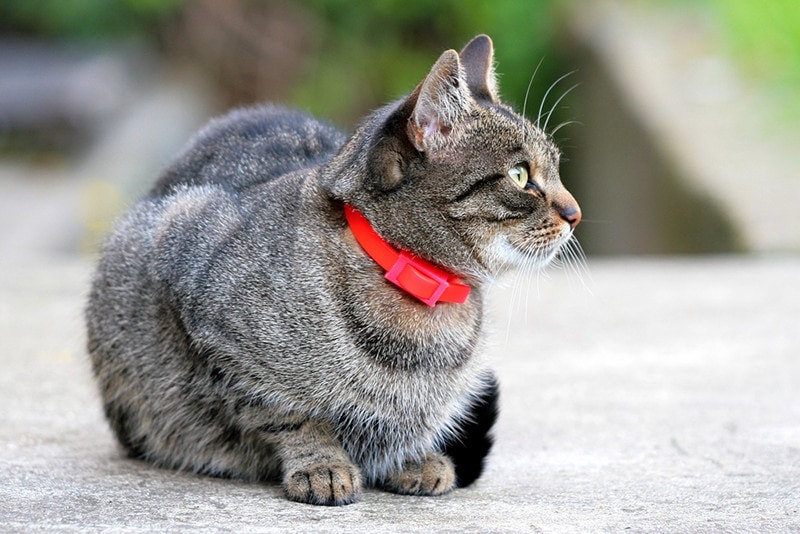
There are many GPS products on the market now, from small Apple Tags and Tiles to full-blown GPS collars. If you keep a GPS of some sort on your cat, it can make them much easier to find if they go missing.
Don’t forget that it’s usually recommended to keep breakaway collars on cats to prevent strangulation, so there is a possibility that your cat will lose their GPS monitor if they manage to lose their collar. However, finding a way to securely get a GPS monitor on your cat without risking their safety can help ensure they get home to you.
Conclusion
When it comes to a cat getting loose, there are lots of steps you can take before they go missing to prevent them from getting lost and not finding their way home to you, as well as many steps that will make it easier for you to find your cat faster. Lean on the help of others to have extra sets of eyes looking for your cat. You should also ensure that your home is secure enough that your cat won’t escape. Make sure that screens are securely in place in open windows and that doors aren’t left open.
Featured Image Credit: Nils Jacobi, Shutterstock

Expert cat care, straight to your inbox
Vet-reviewed advice, behavior tips, and the best of Catster. Free, and you can unsubscribe anytime.
By signing up, you agree to our Terms & Conditions and Privacy & Cookies Policy.
Brooke Billingsley, a former veterinary assistant for nine years, became a nurse in 2013. She lives in Arkansas with her boyfriend of five years, surrounded by her beloved pets: three dogs, two cats, five fish, and two snails. Brooke has a soft spot for special needs animals, caring for a three-legged senior dog and a widely known cat with acromegaly and cerebellar hypoplasia. She has developed a keen interest in fish keeping and is always learning how to provide the best environment for her aquatic pets. In addition to her passion for animals, Brooke enjoys gardening and maintains a vegetable garden during the summer. She stays active with yoga and received her 200-hour yoga teacher certification in 2020. Brooke also hosts a podcast that delves into folklore and myth, dedicating her spare time to research and writing. She embraces the philosophy that every day is an opportunity for learning and growth, continually working to acquire new skills and knowledge.
Join the conversation
Ask a question, share your story, or send private feedback.