Get

In Your Inbox

Catster is reader-supported. When you buy via links on our site, we may earn an affiliate commission at no cost to you. Learn more.

Kittens Meowing: When, How, & Why Baby Cat’s Meow (Vet-Approved)

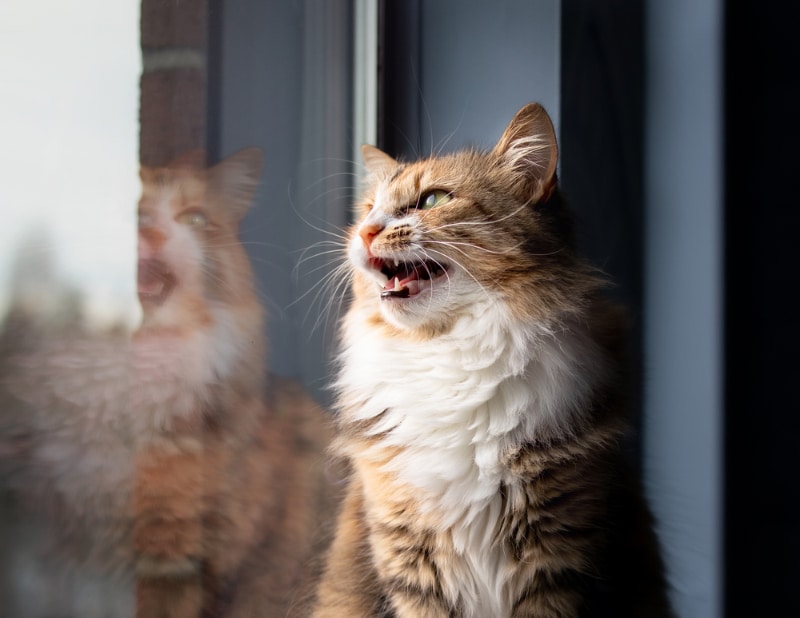
cat-meowing-or-trilling-by-the-door

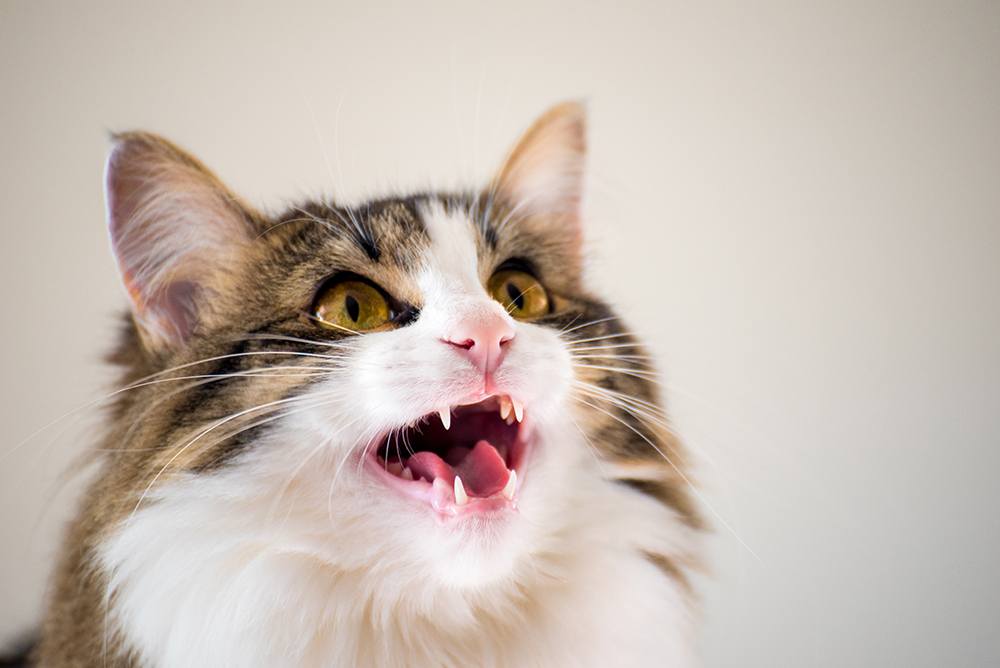
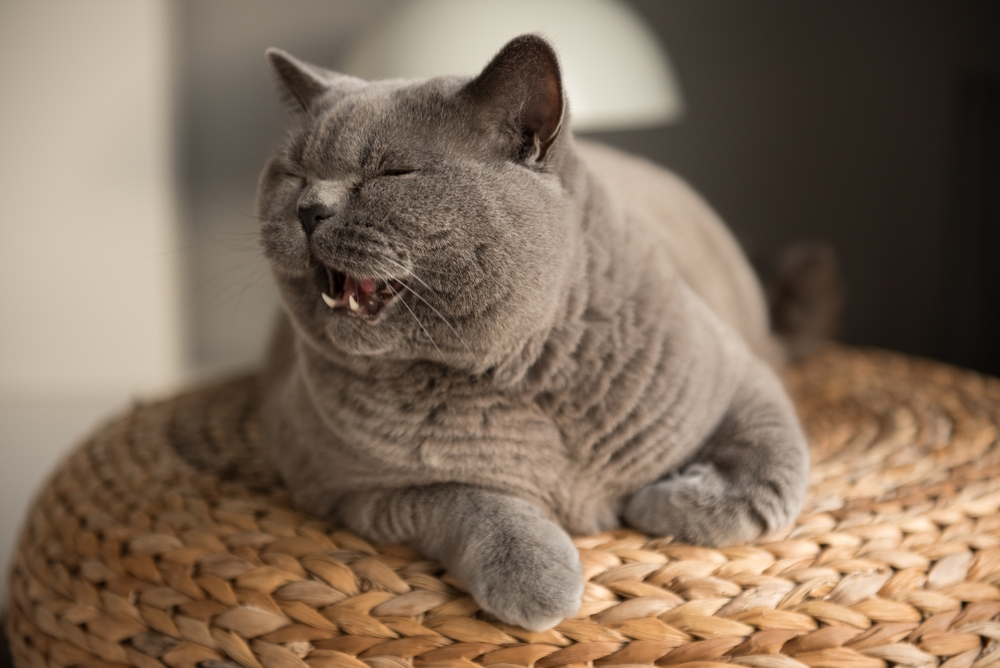
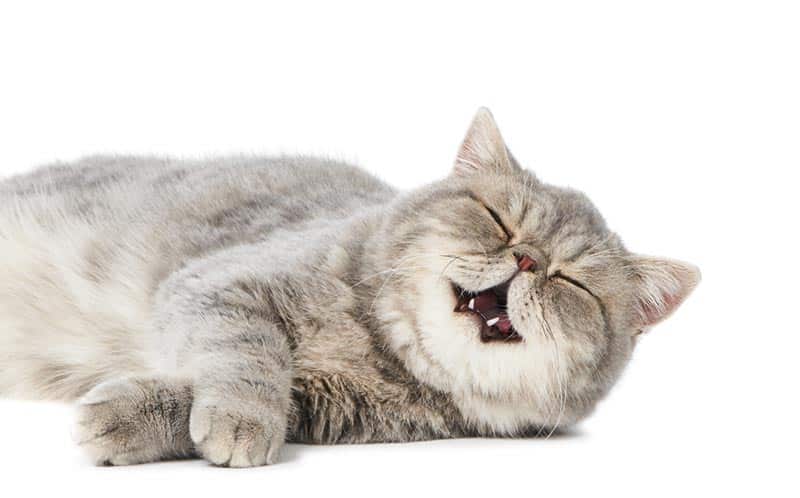
Kittens rely on meowing to communicate their wants, needs, and feelings. Most kittens meow at their siblings and mothers for the first few weeks of their lives but they primarily meow at humans as adults.

A kitten’s meows can have different tones depending on what they are trying to communicate. Some kittens are more vocal than others, while some kittens are quieter, and reserve their meows for specific needs like food.

If you are interested in learning more about when, how, and why your kitty is meowing, this article has the answers for you.

divider 2 cats

When Do Kittens Start Meowing?

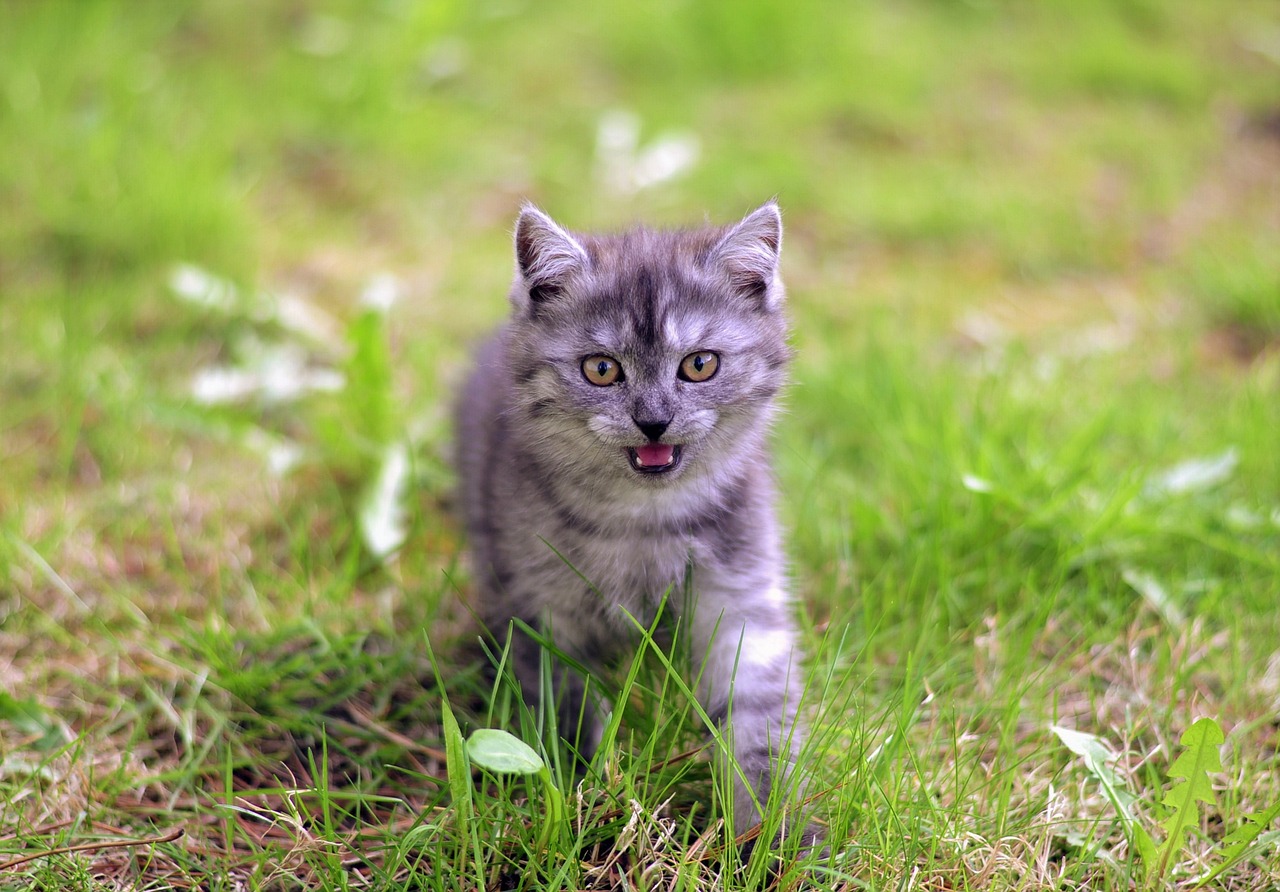
Kittens can start mewing a few days after they are born.  Newborn kittens are deaf and blind but they will mew and wriggle if they are handled. However, their mews will sound more like high-pitched whines or chirps rather than a distinguishable “meowing” sound. Kittens make sounds soon after birth as it’s an important form of communication between them and their mother. Mewing usually stops at about 2-3 months old.

As kittens get older, their mews turn into meows.  Their noises start to become more distinctive around the same time they begin walking and playing with their siblings. It’s normal for their meows to become deeper as they get older and they lose their adorable high-pitched meows by about 9-14 months of age.

Kittens generally produce a wider range of meows with various tones, volume, and duration as they get older. It’s normal for kittens to meow more often than adult cats because they are dependent on their mother for food, warmth and protection, so they meow to make sure those needs are met.
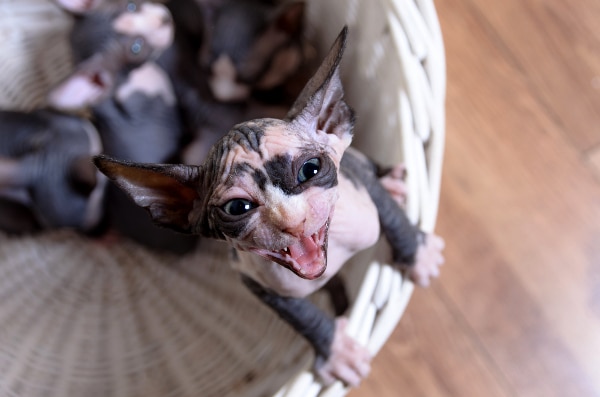
Sphynx kittens meowing.
Image Credit: Oleg Mikhaylov, Shutterstock

divider 2 cats

How Do Kittens Meow?

If you have been listening to a kitten’s meows for some time, you might notice that their meows have different tones. Although you may find it difficult to decipher what their different meows could mean, each tone has a meaning that mother cats can interpret.

Kittens produce much higher-pitched meows than adult cats. The maturity of a kitten’s vocal cords, larynx, and sinuses generally affects the pitch of their meows. Their meows and other vocalizations start to sound deeper when their vocal cords mature.

Cats have a vocal fold on each side of the larynx which they use to make both high pitched meows and low pitched purring sounds.  Connective tissue embedding in the vocal folds are used to produce the low-frequency sound of purring.

divider 2 cats

Why Baby Cat’s Meow

Kittens primarily meow to communicate specific needs to their mother. These needs range from hunger to warmth, and protection. However, they can also meow to communicate these needs to us or to express their emotions. Some kittens may also meow because they are looking for attention or want to alert that something is wrong. Mother cats will communicate with their kittens by meowing too.

As kittens get older, they generally start meowing less towards their mothers and more towards people instead. This is likely because cat to cat communication amongst adult cats very rarely involves a meow.  They use their tails, whiskers and body language when communicating with other adult cats. Communication through meowing is mostly reserved for cats to “speak” to their humans, once adulthood is reached.

Cats might start to meow at us and quickly realize that their meow makes things happen for them; they get fed or cuddles or let outside.  This positive reinforcement means that cats continue to meow at their humans in order to get what they want or need.
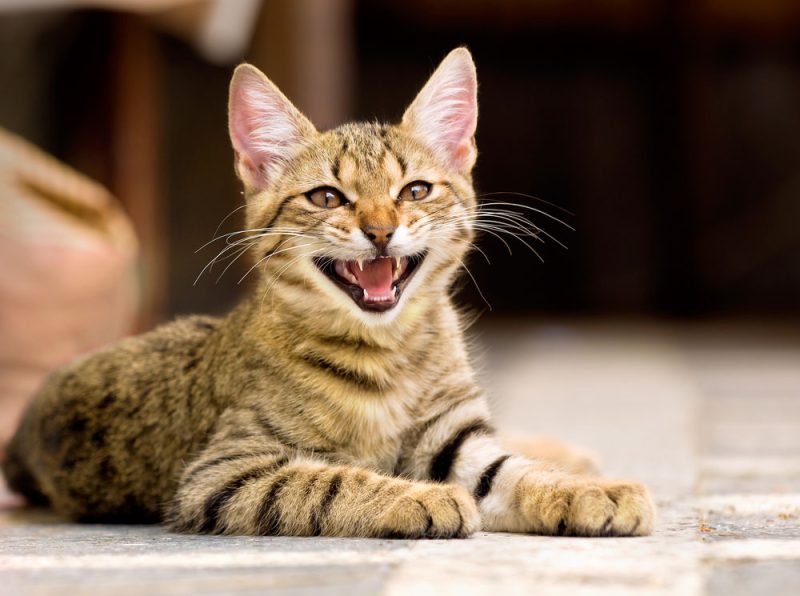
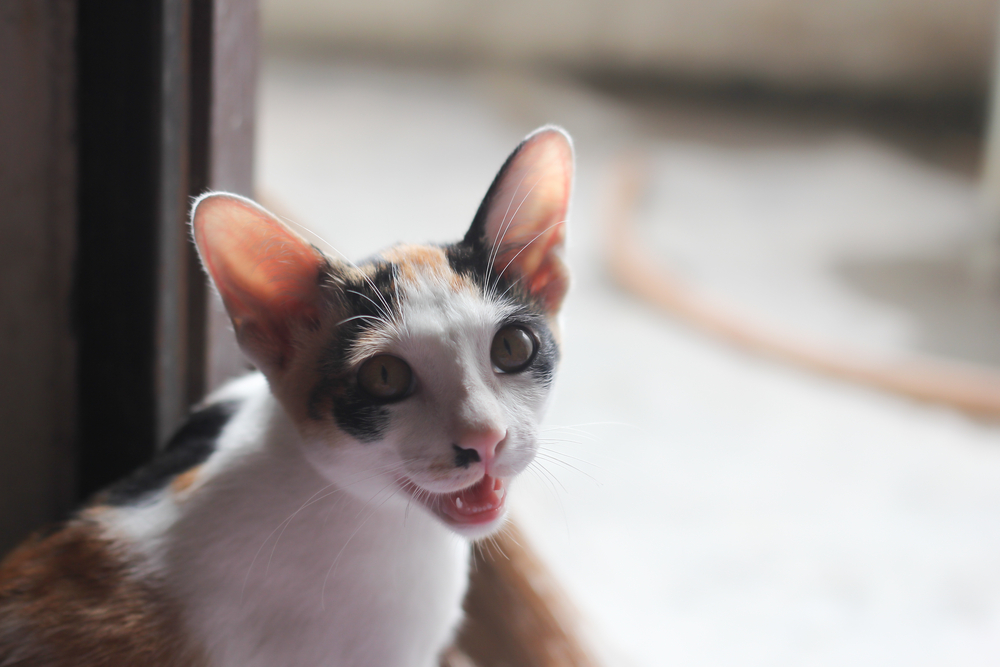
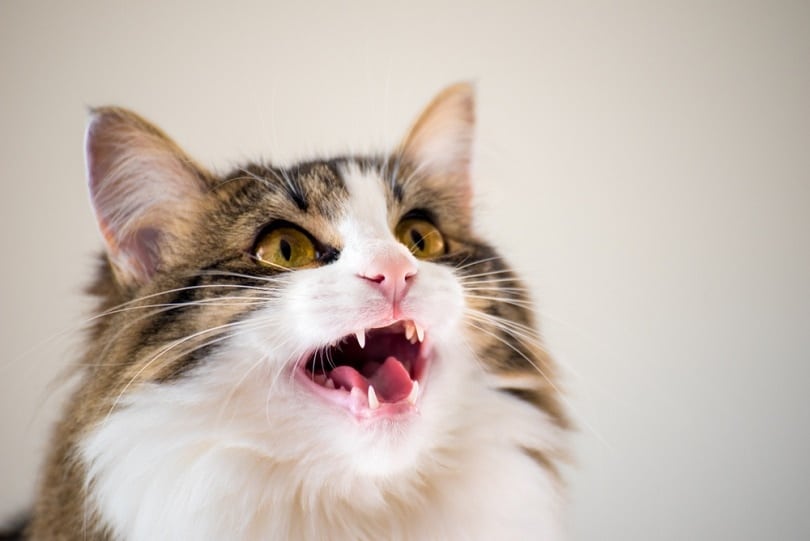
cat meowing
Image Credit: Stanimir G.Stoev, Shutterstock

divider 2 cats

Conclusion

Kittens start mewing when they are only a few days old. They use these noises to communicate with their mother and she meows back at them. Their meows generally sound much higher pitched than adult cats because their vocal cords and larynx haven’t matured yet.

Kittens primarily meow to have one of their needs met, such as hunger and warmth. They also meow to express themselves to humans and demand attention.


Featured Image Credit: Chan Deshpong, Shutterstock

Want content like this delivered to you?

Sign Up For Our Newsletter

News, insights, expert advice, and everything cat

* By submitting, you agree to our Terms & Conditions and Privacy & Cookies Policy.


How useful was this post?

Click on a star to rate (you can leave written feedback after clicking submit)

Help us improve Catster for pet parents!

Your feedback really matters.

What did you like about this post? Also how can we improve it?

Join the conversation

2 Responses

  1. I found this kitty alone in 205 degree heat. He was only about 3 weeks old. Anyways he was dehydrated and very hungary and so skinney.
    Hes all well now. This Kitty does not meow at all. He can purr but that's it.
    I was wondering if you know why.
    Thank you.

    1. HI Jennifer,

      Thank you for sharing your story and for rescuing that little kitty—it sounds like you’ve given him a second chance at life! It’s heartwarming to hear that he is doing better now.
      Regarding your concern about him not meowing, there could be several reasons why a kitten might not vocalize. Some kittens are naturally quieter than others, while some may have experienced stress or trauma that affects their behavior.
      If you’re still concerned about his lack of meowing or if he shows any other unusual signs, it might be helpful to consult with a veterinarian. At Pangovet.com, we offer online consultations where you can speak with one of our veterinarians who can provide more insight and guidance tailored to your kitten’s situation.

      Best wishes,

Leave a Reply

You’re very welcome to leave a comment or question. Please know that all comments must meet our community guidelines, and your email address will NOT be published. Let’s have a positive and constructive conversation.


Talk With A Vet Online

Peace of mind,
anywhere, anytime

Affordable vet advice

Best Way to Feed a Cat: Times, Amounts & Frequencies Explained

Many cats are more than happy to make it known when they want to be fed, but they may not know when and...

Can Cats Get Kidney Transplants? Our Vet Discusses Facts & Considerations

Kidney disease is one of the most common causes of illness and death in cats, with almost 80% of cats over 15 years...

Can Cats Sense the Death of Another Cat? Feline Truth Unveiled

Cats have many strange behaviors and are associated with many myths and legends. People often even attribute magical properties to them. However, one...

Is It Illegal to Relocate Feral Cats? Dangers, Legalities & FAQs

Although feral cats may be a nuisance, relocating them can be an illegal act in many cases. In this article, we’ll discuss the...

More related

How to Care for a Blind Cat: 7 Vet-Reviewed Tips

When your cat starts to lose their vision, you might start to worry about how much harder it will get to care for...

10 Cat-Friendly Couch & Furniture Fabrics for Cat Hair and Claws

We understand your frustration when your cat seems to think the new sofa you bought is another toy for them, but they see...

How to Cat Proof Windows With 9 Simple Tips

Most cats love windows. However, it is possible for cats to love windows a bit too much. This can result in your cat...

How to Socialize Your Kitten: 6 Vet-Approved Methods

It’s always exciting to bring home a new kitten. Not only are they incredibly cute, kittens are also full of personality and charm....

Keep reading

Why Does My Cat Rub Against Things? 6 Vet-Reviewed Reasons

Cats can do certain things that leave us feeling puzzled. One common behavior that cats often engage in is rubbing themselves against people and objects. It is not always entirely clear why cats will do this, but cat behaviorists and...

cat-rubbing-its-face-on-wood

How Long Can My Cat Stay in Their Crate? Vet Reviewed Safety Guide

Cat fanatics know too well that their beloved felines can become real monsters at night and wreak havoc in the house. This makes the idea of putting them in a crate quite tempting. However, you should be aware that keeping...

cat in cat carrier

Cat Eye Discharge (Boogers): Vet-Verified Facts & Care Advice

Have you ever noticed a watery, goopy, or crusty discharge around your cat’s eyes? While these cat eye boogers can be gross to look at and deal with, you mustn’t ignore them. This discharge may indicate a problem that requires...

cat with eye discharge

8 Best Cat Foods With Taurine (2026) – Reviews & Top Picks

When it comes to selecting the best cat food for your precious feline, it can seem like there are way too many options to choose from. While most of us know that a high protein diet is important for our...

tabby cat eating from a bowl outside

Can Cats Eat Alfalfa Sprouts? Vet-Approved Benefits & Advice

Alfalfa sprouts may be a regular part of your healthy diet. Known for their fiber, high water content, and vitamins, they are an easy way to add to your nutrition. But what about your cat? Can he benefit from them...

Can Cats Eat Alfalfa Sprouts

4 Natural Home Remedies to Treat Cat Vomiting: Vet-Approved Methods

Caring for a cat is usually full of cute and rewarding moments, but it’s another story entirely if they experience vomiting. The underlying cause can be one of a variety of reasons, but no matter what, it’s no fun to...

sad, bored or sick cat

Do Essential Oils Work for Calming Cats? Vet Approved Advice

As cat owners, we know that sometimes our feline buddies can get a little wild (especially late at night) or even anxious and scared. It can be difficult to determine what to do in these situations if we want to...

essential oils

How to Tell If Your Cat Is Having a Seizure: 3 Vet Reviewed Signs to Look For

If you’ve seen your cat drooling, thrashing around, or having difficulty controlling its movements, you might wonder if your feline friend has been having seizures. Watching anyone you love, human or feline, experience a medical emergency where they shake and...

russian blue lying down

Love Cats? So Do We! Join the Catster Community

Stay informed with expert pet care insights delivered straight to your inbox! Discover professional guidance on animal behavior, feeding tips, trusted product picks, and much more.


Sign up for the Catster Email Newsletter

Stay informed with expert pet care insights delivered straight to your inbox! Discover professional guidance on animal behavior, feeding tips, trusted product picks, and much more.