Mobile Vet Clinics & Care: Our Vet Discusses Pros, Cons & FAQ

In this article
Your cat is wonderful at home but turns into some sort of Tasmanian devil the moment she gets to your veterinarian's office. Is there an easier way to get her preventative care done so that you know she's healthy? Let us dive into mobile veterinary clinics.

How Do Mobile Vets Work?
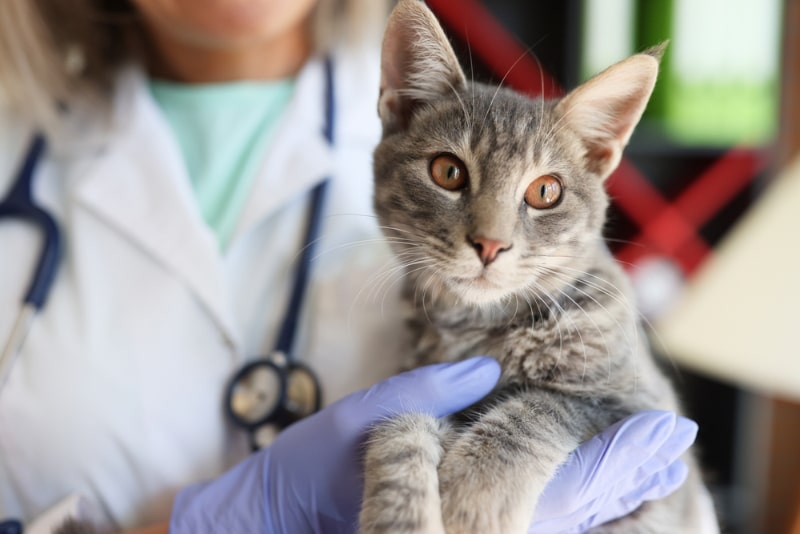
Mobile veterinarians are just like your hospital-based vet. They are licensed in the state they practice in. Some even have a hospital as a home base, so you might be able to see them either out and about or working in the hospital.
You'll call to schedule your pet's appointment. The receptionist will likely give you some guidelines, such as the following:
- The vet needs a well-lit place to work and examine your pet.
- Guests may need to be kept to a minimum to keep your pet from becoming overly stressed.
- Some teams suggest no cell phone usage while the veterinarian is working to ensure clear communication.
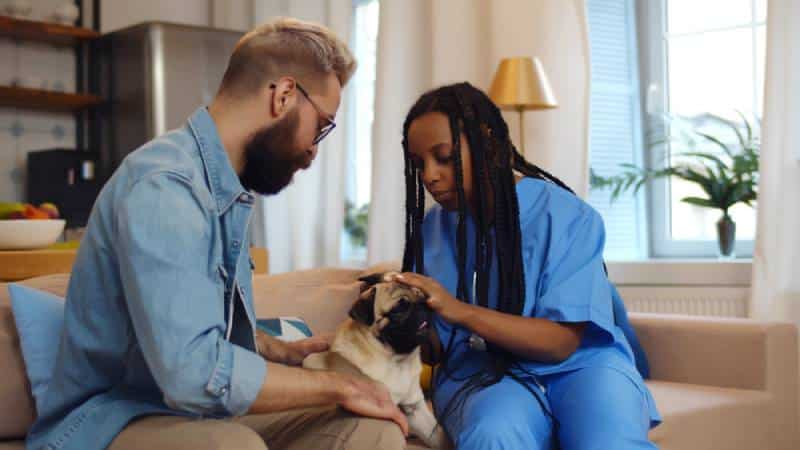
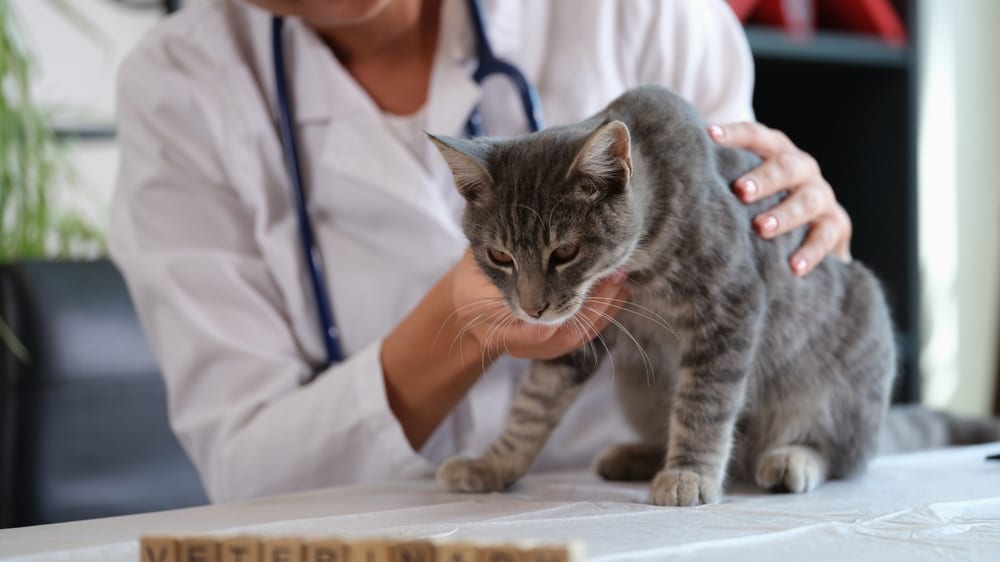
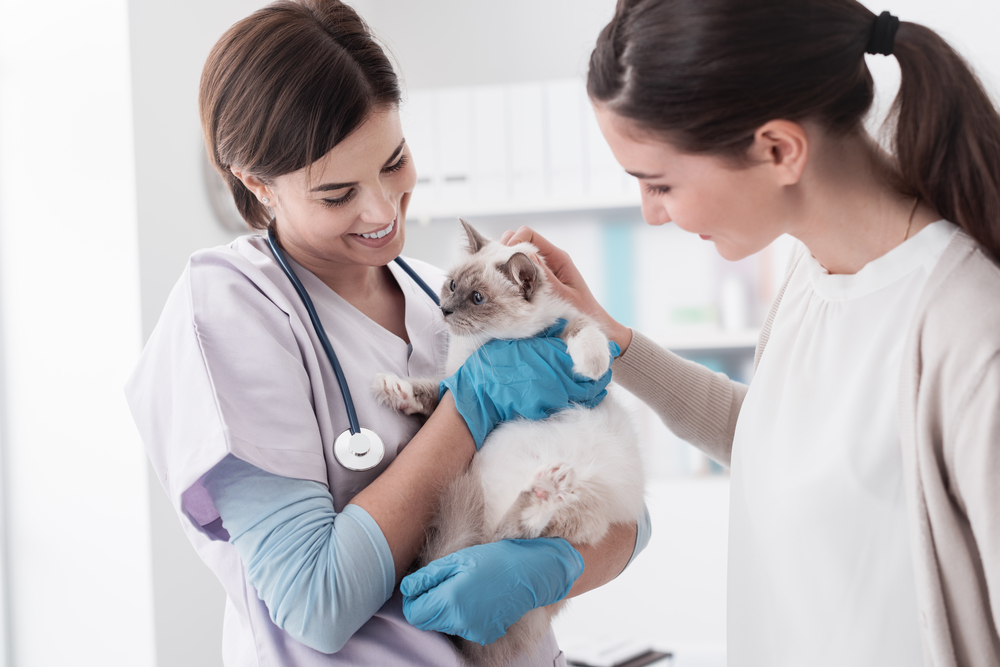
In most circumstances, the veterinarian will visit your house in a mobile clinic, essentially making a house call. Some vets examine pets in their vehicle, which is set up quite literally as a mobile office. Many other veterinarians will bring a technician or assistant and work with your pet in a room in your house.
Typical services offered by mobile veterinarians include:
- Vaccinations
- Routine heartworm testing
- Fecal sample collection
- Weight consults
- Sick visits, such as upper respiratory infections
- In-home euthanasia

How Much Do Mobile Vets Cost?
Mobile veterinary visits are often comparable to in-hospital visits. You'll have an exam fee, which may or may not include a travel fee to account for your veterinarian's travel time. These fees may vary based on your address and how far the vet travels. Some mobile clinics charge $50, while others charge $130.
Service fees are usually about what you would pay at a brick-and-mortar location. It is important to note that your vet may have limited medication options and need to send samples to a lab for testing rather than running them in-house as your standard veterinary hospital might.
Benefits of Using a Mobile Vet
The main benefit of utilizing a mobile veterinary service is the convenience. You have already got so many things to do in your day. Having the vet come to you means you don't have to load your cat and kids up in the car, drive across town, and sit in a waiting room for half an hour.
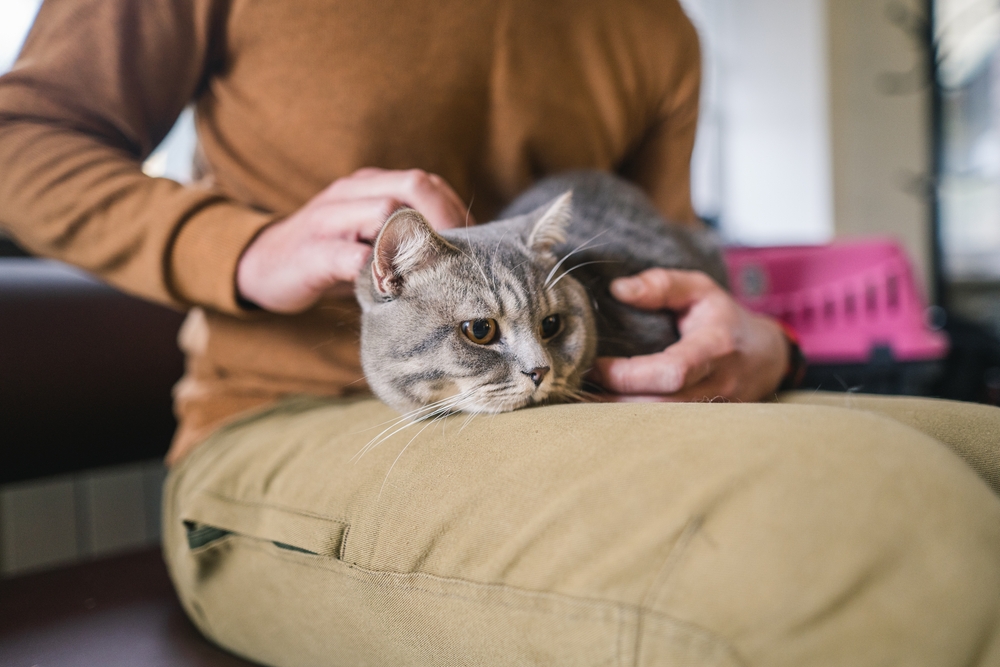
Not having to wrangle the furry and human family members can also reduce your pet's stress levels. Many cats get stressed out the moment they see the carrier. The car ride can be jostling. The sounds in the vet hospital are stressful. And did a dog just lunge at your cat's carrier? Now your heart is racing, too! Your veterinarian and their team members will usually utilize fear-free techniques, a growing standard in the pet care industry, to help allay your dog or cat’s fears.
Using a mobile veterinary team helps keep the focus on your pet. It's usually quieter, with fewer distractions. Instead of your vet thinking about the radiographs (X-rays) their team takes while talking to you, they're solely attuned to your pet.
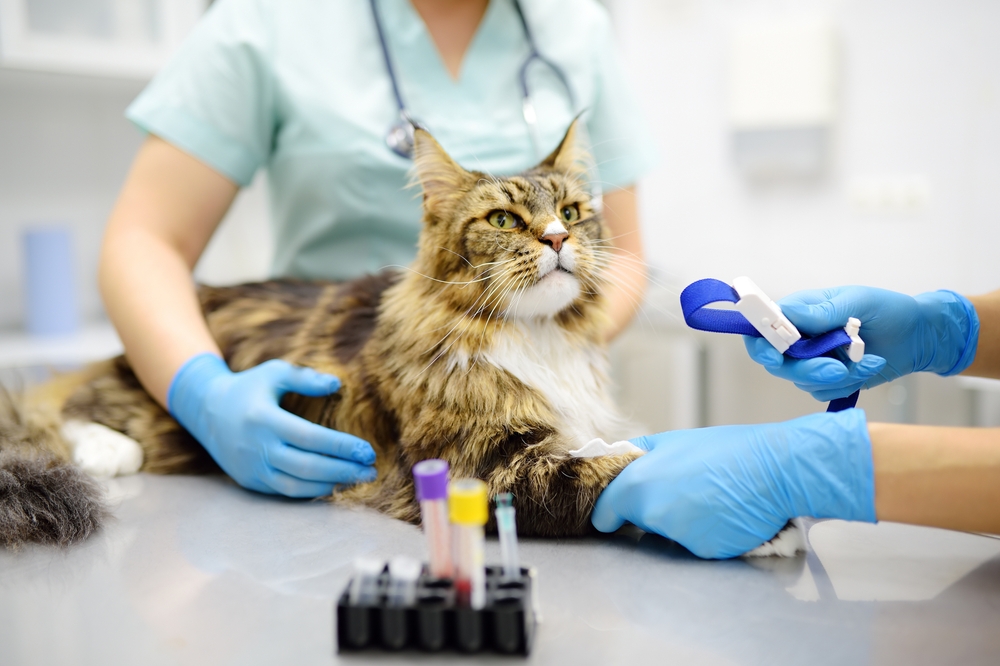
If your cat is less stressed and you have more time, you're more likely to have your cat seen for those preventative care visits that are more than just a rabies booster and scratches under the chin. Most cats and dogs will be more amenable to blood draws for routine annual blood work. Another example is if your cat is less stressed, your veterinarian might be able to pick up on ocular changes while your kitty's pupils aren't fully dilated from fear.

Downsides to Using a Mobile Vet
Mobile vets are often limited in what they have on hand. They might only carry a handful of medication choices, so they may have to prescribe for you to fill at a human pharmacy. The good news is that your veterinarian can work with a pharmacy like Chewy to deliver medication to your door if it's not urgent.
Most mobile veterinarians won't be doing surgery out of their vehicles. Your cat or dog may need to go in for dental cleanings periodically. The same goes for your critter's spay, neuter, or mass removal.
Generally speaking, mobile veterinary clinics cannot handle serious illnesses or injuries. Broken limbs, hit-by-car incidents, and parvo infections are just some of the many issues better handled by a brick-and-mortar hospital with 24-hour staffing, radiograph (X-ray), and surgery capabilities. That said, your mobile veterinarian may be able to triage and assess your pet to see if an ER visit is warranted. They might even have X-ray and ultrasound equipment they can use right there in their vehicle.
If your mobile veterinarian stays busy, it may be difficult to contact them when you have questions. Some mobile veterinarians, such as high-volume vaccine clinics that meet at specific areas like feed stores, still utilize paper records. If you lose your copy, it can be hard to get up with them to get a new copy of your pet’s rabies vaccine or other health care records. Thankfully, many clinics are moving towards digital records, which make it easier for you to access your pet’s documents.

Frequently Asked Questions (FAQ)
Is a mobile vet visit like a telemedicine visit?
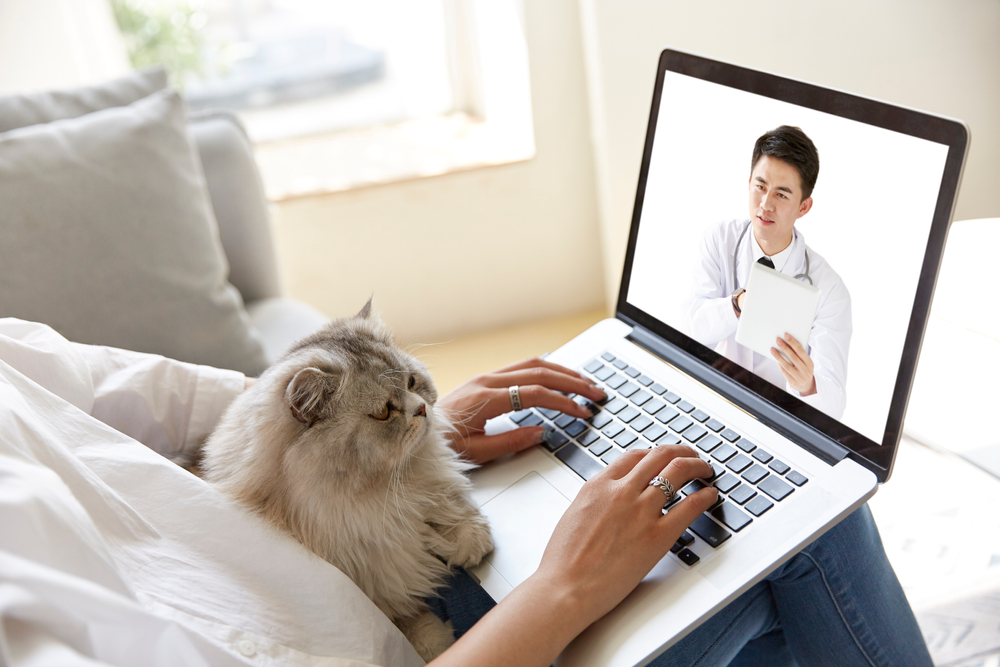
Mobile veterinary visits are a little different from telemedicine or virtual visits. Your veterinarian will examine your pet, listen to it, and palpate its abdomen. With a virtual visit, your vet will rely almost entirely on the history you give them and possibly a visual inspection of your pet. Many veterinarians are utilizing a combination of virtual visits and in-person visits to give patients the best care possible.
Are mobile vets more expensive than traditional vets?
Often, mobile vets charge a house call fee in addition to the fees associated with their services. However, their prices are usually comparable to those of a veterinarian practicing in a permanent location.

Conclusion
Mobile vet clinics are a great way to help your pet receive the appropriate preventative care while limiting their stress and saving you time. You might need to wait for test results for an extra day or two, but the convenience of having a doctor come to you is hard to beat.
Featured Image Credit: Yana Vasileva, Shutterstock

Expert cat care, straight to your inbox
Vet-reviewed advice, behavior tips, and the best of Catster. Free, and you can unsubscribe anytime.
By signing up, you agree to our Terms & Conditions and Privacy & Cookies Policy.
Dr. Samantha Devine DVM (Veterinarian)
Samantha Devine is a practicing veterinarian who loves to share her experience with animal species and their health. Whether it's a guinea pig question or a pressing matter about something your cat ingested, she strives to provide clear answers. She is passionate about preventative care and firmly believes in the old adage, "An ounce of prevention is worth a pound of cure."
Dr. Devine has been practicing veterinary medicine for over 12 years and has spent a great deal of that time writing online to educate pet owners. In addition to general practice small animal medicine, she has worked with horses. zoo animals and aquatic species. She enjoys all aspects of preventative medicine, from nutrition to vaccines.
Dr. Devine received her degree from the Virginia Maryland Regional College of Veterinary Medicine.
Join the conversation
Ask a question, share your story, or send private feedback.