Are Laparoscopic Spays Preferable to Traditional Ones? Pros & Cons (Vet Answer)

In this article
Veterinary medicine has come a long way over the past several decades. Medical advances have changed a veterinary visit from something out of a James Herriot novel to something that rivals human medicine in many areas. One such area is surgical techniques, with laparoscopy being a relatively new procedure used for many everyday surgeries, including spays.
A laparoscopic spay has many advantages over the traditional method, including decreased recovery time, smaller incisions, and often, less pain. But it’s not for every animal and can’t replace the traditional spaying method in all cases. Here’s what you need to know to make the decision between the laparoscopic or traditional method of spaying for your cat.

What Is a Traditional Spay?
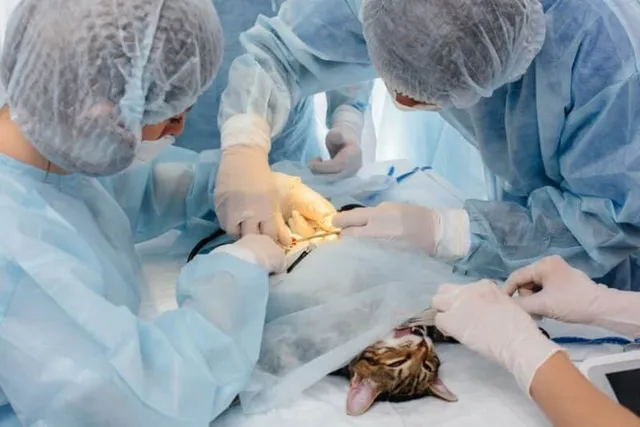
The traditional method of spaying involves an open incision and scalpel to get the job done. Depending on the size of the animal, an incision 2–4 inches long is made through the skin and abdominal wall. This gives the vet visualization and access to the female reproductive tract. The ovaries and often, the uterus are removed using various tools, sometimes including the vet’s hands. The blood vessels are typically tied off using a suture or in some cases, cautery.
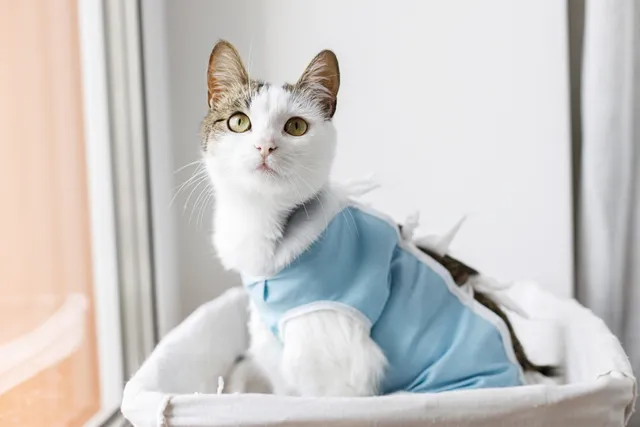
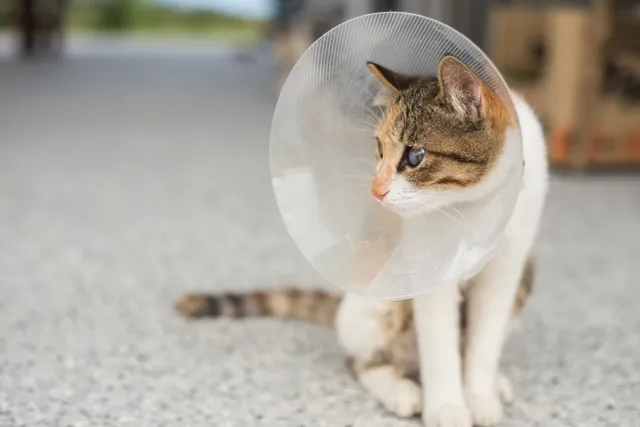
The incision is then sutured closed, and pets will need to keep calm and quiet, with no bathing, licking, or chewing the incision for at least 2 weeks. The animals are often sent home with pain medications and sometimes antibiotics.
What Is a Laparoscopic Spay?
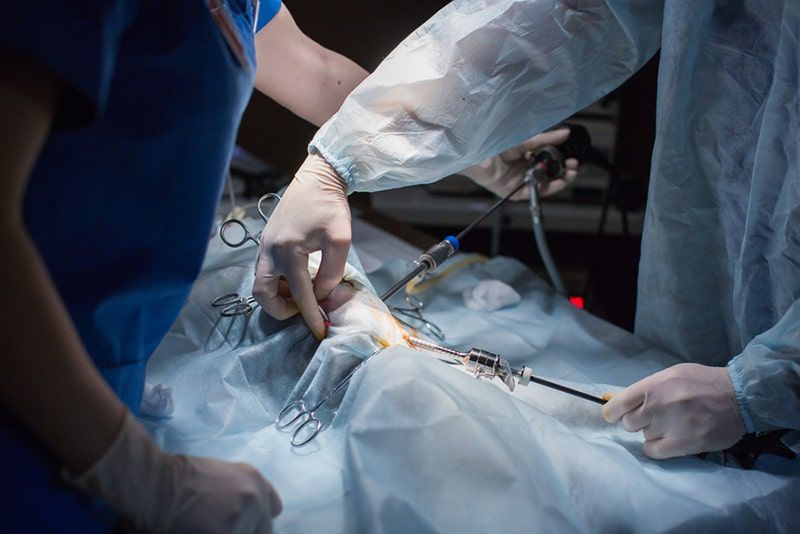
A laparoscopic spay follows the same basic outline but with a few major details changed. The main difference is instead of creating an incision that is large enough for the vet to see inside the abdomen, a few small incisions (less than ½ inch) are made to allow for the insertion of a couple of ports. These ports accommodate a tiny camera and the surgical instruments.
The abdomen is inflated with CO2 to allow better visualization with the camera. The ovaries are located, the blood vessels are sealed, and the ovary is taken out via one of the incisions. With such small incisions and instruments, laparoscopic spaying is much less invasive.


Pros & Cons of Laparoscopic Spaying Over Traditional Spaying
You may be wondering why laparoscopic spaying isn’t the only method ever used for sterilizing female cats. While it is a great option, it’s not always the best. Here’s a breakdown of the procedure’s advantages and drawbacks.
Laparoscopic Spay Pros
Laparoscopic spaying is less invasive. The methods require smaller incisions, which typically means a shorter recovery time for the incisions to heal. It also often means less blood loss and damage to the tissues surrounding the ovaries, which can equate to less pain and bruising for the patient.
With smaller incisions, there may also be a lessened risk of post-surgical infections simply because the size of the window that can potentially let harmful bacteria into the abdomen is decreased.
Laparoscopic Spay Cons
A main advantage of traditional spaying is the availability. Nearly every general veterinarian will offer the traditional method of spaying cats, while only a few will offer laparoscopy.
You may also see increased costs to help cover the expensive equipment and further training for the vet. So, this probably isn’t something that you’ll find in low-cost spay clinics anytime soon.
The traditional form of spaying is the only way to remove the uterus. The incisions used in laparoscopy generally aren’t big enough to get this organ out. For most healthy pets, this doesn’t matter, but there are times when removal of the uterus is essential, such as when the uterus is cancerous, damaged, or infected.
You may also find that laparoscopy is limited to large patients, depending on the instruments that the veterinarian has. Some are too large for small critters, making laparoscopy only possible for cats over a certain weight. This will be a question for the surgeon performing the procedure to answer.
Laparoscopy is often touted as requiring less time under anesthesia, but this may differ depending on the surgeon’s skill level and familiarity with the practice. Essentially, some long-time practitioners can do a cat spay safely in record time, while a new-to-laparoscopy surgeon may require additional time to get used to the procedural differences.

How Safe Is Spaying & How Can You Increase the Chances of a Successful Surgery?
You’ve probably heard that spaying (or neutering) your pet can increase their lifespan, but what about the risks of the actual surgery itself? Fortunately, spaying and neutering are the most common surgeries performed by vets. They are done nearly every day, and most vets are so proficient that they can perform a spay with their eyes closed. (Don’t worry, this doesn’t actually happen, but you get the picture!)
Things that you can do to increase your pet’s chances of success or rather, decrease their risks, include keeping your pet healthy. For example:
- Feed them high-quality food, and have them get plenty of exercise to maintain a healthy weight.
- Attend regular veterinary visits to stay up to date on vaccinations and to catch any issues while they’re small.
- Follow the post-op instructions! This means no strenuous exercise and no bathing for 5–14 days, depending on the procedure. Don’t let your pet lick or chew at its incision; keep it clean, and monitor the incision for signs of redness, swelling, or discharge.
Your vet will also do their share in keeping your pet safe and healthy by:
- Performing a pre-anesthetic exam and potentially, blood work
- Monitoring your pet’s vitals during anesthesia
- Using a sterile technique to decrease infections, double checking for bleeding, and providing post-surgery pain management
- Not spaying cats in heat, as this often increases the amount of blood loss, and most vets will choose to wait to prevent this

Conclusion
Laparoscopic spays are an exciting development in veterinary medicine. They allow for a quicker recovery, less pain, and a lessened chance of infection for many female patients. However, it may not be the best choice for every cat. If you have any further questions about how well your kitty meets the standards for a laparoscopic spay, speak to your veterinarian.
See also:
Sources
Featured Image Credit: Studio Peace, Shutterstock
Expert cat care, straight to your inbox
News, insights, and useful advice, delivered to you.

No spam — unsubscribe anytime.
By signing up, you agree to our Terms & Conditions and Privacy & Cookies Policy.
How useful was this post?
Click a star to rate. You can leave written feedback afterwards. (We read all feedback.)
Dr. Chyrle Bonk DVM (Veterinarian)
On top of healing animals and writing for veterinary publications, Dr. Chyrle Bonk owns a small cattle herd! When she’s not busy with those things, she can be found somewhere in the Idaho outdoors with her husband and two kids.
Chyrle has practiced in a mixed animal clinic for over 10 years. She also writes for various veterinary websites and magazines, like Catster!
Dr. Chyrle Bonk received her Doctor of Veterinary Medicine (DVM) from Oregon State University in 2010.