How to Approach a Scared Kitten: 6 Steps & Tips


In this article
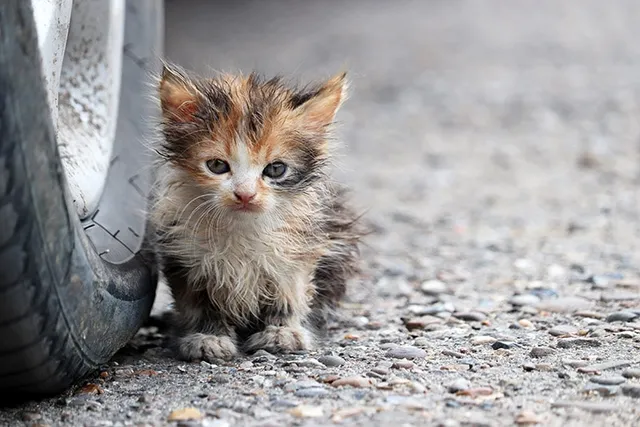
Finding a scared kitten can throw anyone off guard, leaving you wondering what to do and how to help. Many factors and scenarios come into play as to why you've found a scared kitten. An irresponsible owner could have dumped the kitten, or it could be the offspring of a feral or stray cat separated from the mother. Whatever the case, you'll likely be compelled to help the kitten, and the situation will play a role in how to proceed.
Let’s learn how to approach a scared kitten to produce the best possible outcome for the infant feline’s well-being. Below, you’ll find six steps and tips on how to proceed should you ever find yourself in this situation.

Before You Start
Try to Determine the Kitten’s Age
Before you do anything else, the first step is to try to determine the kitten’s age. A kitten under 8 weeks old will not yet be weaned from the mother, and the mother cat may still be around somewhere. But how do you determine the age?
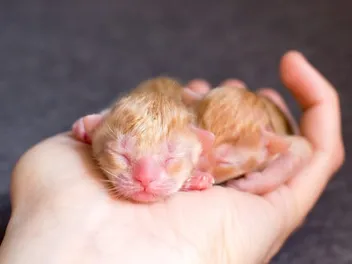
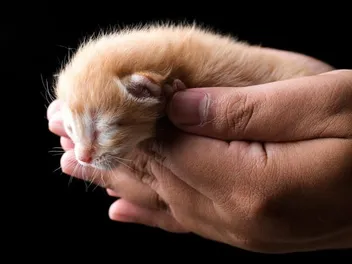
You can tell the kitten is too young to be weaned if the eyes are still closed. Kittens open their eyes around day 10. If the kitten's eyes are open and they are walking but with poor coordination, they’re likely only 2–3 weeks of age. If the kitten is walking pretty well, you can suspect 4 weeks of age or older, typically when the weaning process begins. In general, but especially if the kitten appears too young to be weaned, monitor the area to see if the mother returns. However, this may take several hours.
Tip: Try to make yourself invisible because the mother may be avoiding the area because of your presence. If the mother never returns and the kitten appears healthy, read on to discover our six steps and tips on how to proceed.

Try to Determine the Kitten’s Health
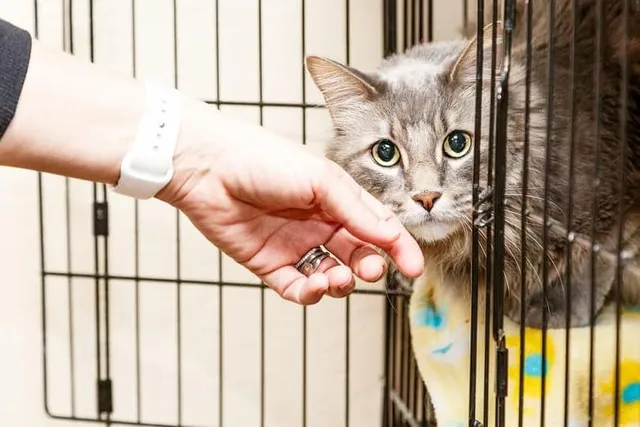
If the kitten appears injured, you should contact your local animal shelter straight away. The shelter will be experienced in using traps to retrieve the kitten safely. Stay with the kitten from a safe distance until help arrives. Be aware that even kittens can carry serious diseases such as rabies, so ensuring your personal safety is always important.
You can also contact your local veterinarian for help, but this situation will require somone to retrieve the kitten from the area and take them to the vet. Given that you do not know the illness or injury the kitten may have, it may be tricky to get the kitten safely to avoid further complications, and it may not be safe for you. Do not approach any wild or stray animals if you cannot safely do so, or if there is a risk of being injured by them.
You can also consult a vet online if you need quick and easy access to an expert's opinion.
The 5 Steps and Tips for How to Approach a Scared Kitten
Since a couple of factors—like the ones mentioned above—will alter how we proceed, we'll now move on to how to help a scared kitten who appears old enough to be weaned and healthy.
1. Move Slowly
The last thing you’ll want to do is rush toward the kitten or approach them in a fast manner. This will frighten the kitten even further, resulting in the kitten running from you. Take slow steps and movements, and do not try to swoop up the kitten just yet.

2. Talk in a Soothing Voice
It’s vital to remain calm and speak in a low, soothing voice. Even if the kitten is found in a noisy area, don't shout over the noise. Think of this scenario as approaching a frightened child; you want your voice to sound comforting to keep the kitten calm.
3. Get Down on the Kitten’s Level
You don’t want to tower over the kitten, as this will frighten the kitten even more. Instead, slowly get down on the kitten’s level so that your body is level with theirs. This will make you appear less threatening.
Continue to make slow movements and talk in a soothing voice. Don’t force the kitten to come to you. Instead, keep the situation as quiet and calm as possible. This may take several attempts before the kitten seems more relaxed in your presence.

4. Lure the Kitten With Food
If the kitten is not running away from your soothing voice and slow movements but is still not coming toward you, you can try to entice the kitten with kitten food. You can place food close to where you’re sitting and wait for them to approach.
5. Gently Secure the Kitten
Once the kitten is close, you must decide how to proceed. If the kitten seems friendly toward you, you might opt to pick them up with your bare hands. However, we recommend using a towel or another piece of large fabric to lay it over and wrap it around the kitten instead. This will keep the kitten secure and protect your skin from any sharp claws or teeth if they get scared and decide to defend themselves. If they do not appear friendly, contact a professional for assistance.

6. Consider Fostering the Kitten
It will take time, but once the kitten comes around when you’re near and eats by you, you may consider fostering the kitten until you can find them a loving home (perhaps that loving home is yours!). It’s crucial to gain the kitten’s trust before scooping them up, and that takes—you guessed it—time.
By fostering the kitten, you are saving them from possible euthanasia due to overcrowding in pet shelters. However, you may not be in a position to foster. Maybe you have other animals that do not do well with cats, or you may not have the financial means. In that case, try to hold on to the kitten until you can find a foster. Ask your local veterinarians for fostering resources, as they will likely be able to steer you in the right direction. Your vet's office may even take the kitten in until they’re adopted.
Conclusion
It’s disheartening to find a kitten abandoned. Not all humans are kind to animals, and if you find a scared kitten who’s been abandoned, the first action should be to determine the kitten’s age and wait to see if the mother is still around. It’s also important to determine if the kitten is injured or ill, as this affects how to proceed.
We advise using your local shelter and veterinarians as much as possible in this case. If the kitten appears healthy and is not too young to be weaned, implement the steps mentioned above to try and provide care for the kitten. If you cannot care for the kitten, use your local veterinarian as a resource.
Sources
Featured Image Credit: JumpStory
Expert cat care, straight to your inbox
News, insights, and useful advice, delivered to you.

No spam — unsubscribe anytime.
By signing up, you agree to our Terms & Conditions and Privacy & Cookies Policy.
How useful was this post?
Click a star to rate. You can leave written feedback afterwards. (We read all feedback.)
Rachel Giordano is a Pensacola, Florida-based musician and writer. She lives with her partner and their two dogs, Sophie, a Boston Terrier, and Aero, a Border Collie/Sheltie mix. Rachel holds a Bachelor of Arts degree in communication and loves writing about all types of cat breeds. When she’s not writing about cats, she loves to write suspense/thriller novels. A musician by night and writer by day, she enjoys sharing her knowledge of the needs and requirements of our furry friends.