13-18-Month-Old Kitten: What to Expect (Vet-Approved Guide)


When your kitten has turned from a cute ball of fluff to a full-sized killing machine, you may wonder just how much is going to change. After all, the first year of life brings about so many changes.
After your cat's first birthday, they start to take their first steps into adulthood. They will transform into their big-guy-or-gal selves, reaching full size and further developing their personalities. So, if you have a 13–18-month-old cat, congratulations, you have reached the adult stage. Here’s what you can anticipate.

13 to 18-Month-Old Kittens: What to Expect After the First Year
Although they are generally still considered adolescents at this stage, your cat is entering the adult chapter of their life. Things become less chaotic and more relaxed as your cat settles into their adult versions.
Diet
When your cat reaches the 13-month threshold, it’s time to think about what diet you’ll offer through adulthood. Most cats are considered full-grown when they reach 12 months of age. So, if you’re feeding commercial cat foods, it’s likely time to switch formulas.
Up until this point, your kitten has probably been eating a higher protein and calorie kitten formula to keep up with their growing body. Since they will no longer need this uptake in nutritional content, you can switch to food that offers health maintenance.
You should consider several factors when selecting a recipe. First, it's good to brush up on the pet food industry and speak to your vet for advice to see what's recommended and affordable on your budget. There are many different cat food options but here are some popular ones:
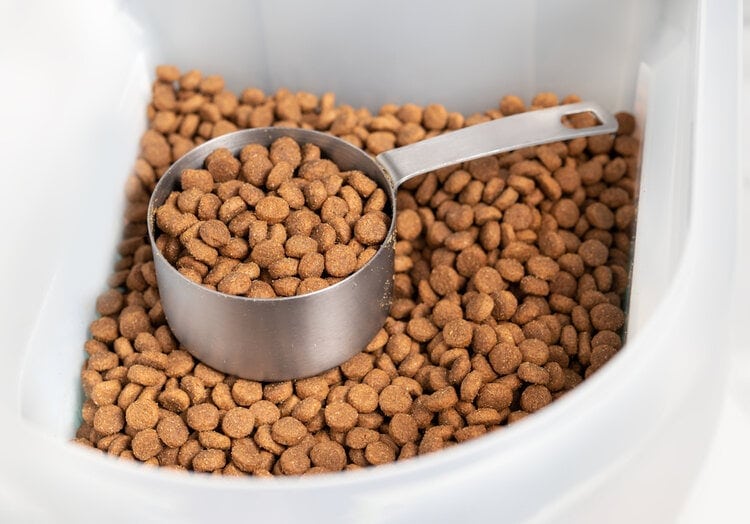
Dry Kibble
Dry kibble is still the most popular choice for pet cats. It has a long shelf life and is crafted to provide the appropriate amount of nutrients to your cat. However, it provides no additional moisture to your cat’s diet.
Wet Canned Food
Wet canned food is sure to spark the appetite in your kitties. It offers a bounty of hydration, fresh flavors, and hearty nutrients.
Fresh Food
There are also companies that offer balanced fresh food diets. These are usually highly palatable and digestible and naturally have a high water content.

Size & Appearance
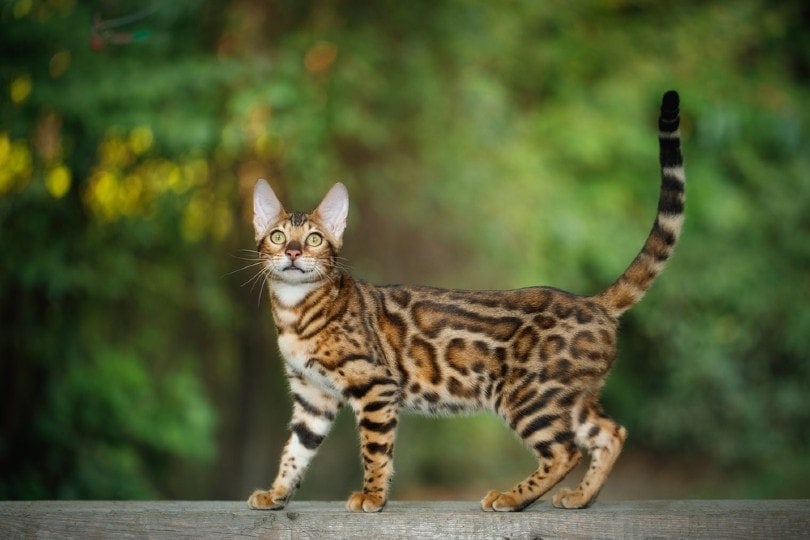
At this stage, most cat breeds will be the size they should roughly stay throughout their adulthood, permitting they don't overeat. Ultimately, the size at this stage will depend mostly on genetics. For example, a Maine Coon cat would be quite large compared to a Singapura and will not be fully grown at 13 months of age.
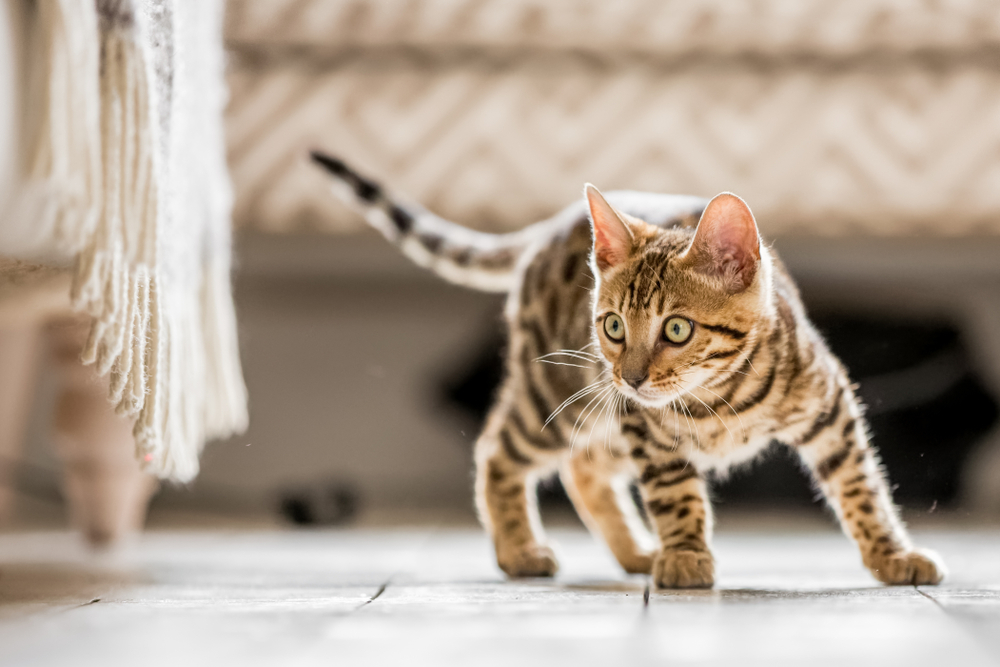
However, most standard domestic cats grow at similar rates and are sized pretty on point with one another. There should now be visible cues differentiating most males from females. Males are typically noticeably larger than their female counterparts. If they have not yet been neutered, they may even have a lanky body with a blocky head—a classic tomcat look. Fixed males might be a little rounder and not as gaunt. Females are usually dainty with smaller paws and frame. Next to a male, the size differences alone may be visible.
Both sexes of most cats will be completely fully grown by this point. So, there shouldn’t be any increases in height or length, but you might notice them filling out. We want to point out that this is different from gaining weight.
Some cats are very lanky until they hit roughly this age and then they start to thicken up some. But, if your cat looks a little rounder than they used to, it might be time to start measuring out portions and counting calories to trim that middle!
Primordial Pouches
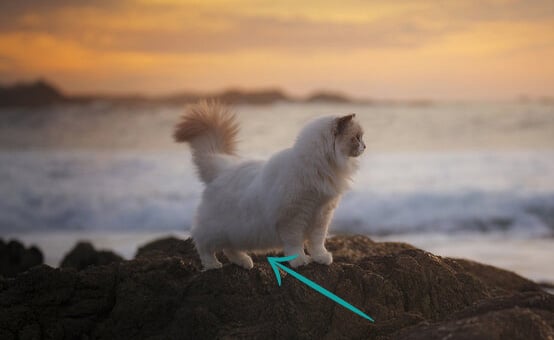
The primordial pouch, (also known as the abdominal or belly flap), is the loose flap of skin along their belly. It usually develops around 6 months, even if it's not totally visible when they are young and slim. These pouches typically become more pronounced with age and being fixed.
Between 13 to 18 months, you might notice your cat’s little adorable belly droop. Although all cats have a primordial pouch, not all show it. Some are much more pronounced, even with healthy weight, but many become more obvious as a cat gains excess weight.
So, if you notice weight gain throughout the second year, it’s crucial to tell your vet and have them suggest possible diet changes or portion control.
Exercise
Exercise should still be a staple in your cat’s daily routine. Solo indoor cats in particular need regular play time to keep them active and help them maintain a healthy weight.
It's crucial to keep lots of ways to entertain your cat at home. Many cats enjoy a combination of different activities to keep them busy. Some examples include cat trees, cat scratching posts, exercise wheels, interactive toys, lasers, cardboard boxes and anything with catnip!
During your cat’s first year, you might have already tested out a few types of cat toys. If so, you might already know your cat’s favorites and have several different selections at home. But if you haven’t been shopping for new toys in a while, it’s a good opportunity to do so. Playing with your cat also strengthens your bond, keeps them mentally stimulated and helps them to form good behavioral habits.

Sleep
When cats enter adulthood, they can sleep anywhere between 12 to 16 hours per day. But some cats at the 13–18-month-old stage may continue to sleep as much as 15 to 20 hours per day. Ultimately, it depends on their energy levels and bodily requirements. More lackadaisical cats will be partial towards cat naps, grooming sessions, and relaxing with their humans on the couch. More active cats might want to play with you but don't care too much to cuddle.
Also, as your cat starts to age later in life, you may notice that they start napping more frequently than they do now.
Behavior
Your cat is probably a fully formed independent creature until the food bowl is empty. All cats have different personalities, so it's hard to speculate how each will behave, but we can certainly give you some pointers. More active cats will likely continue to be active well throughout their first and second years.
Energy levels will change. Some kittens that weren’t extremely active when they were very small may continue to develop into a relaxed, lazy, house cat, or they could become a little more energetic. However, some cats, especially those that were wild and crazy as kittens, might actually end up slowing down a little at this stage.
They will likely have bonded with you very much at this point—but they may have gotten quite set in their ways in others. For example, they may realize they despise the family dog or hate it when they get petted in certain areas.

Ways to Keep Your 13–18-Month-Old Kitty Taken Care of
If you are thinking of new ways to keep your kitty pampered and loved, we thought of a few things that might strike your fancy.
1. Keep Lots of Napping Spots
Now that your cat is calming down a little bit, they likely want more basking, grooming, and napping spots around the home. Every cat loves a good warm, sunny windowsill. But there are tons of other places they love hanging out, too! Cats love vertical spaces as well as little cubbies and hideaways, so it's always exciting to get them to cat trees, hammocks, and other bedding options.
2. Keep Up with Routine Vet Appointments
Making sure your cat stays healthy their whole life should be a no-brainer on your list of to-dos.
3. Consider Pet Insurance
Your cat is still relatively young and likely has minimal to no health issues. If you haven't done so already, now is a great time to research a few pet insurance companies to see if a plan meets your needs. Insurance can be fantastic for so many reasons.
Mostly, it brings the owner peace of mind knowing that despite finances, they can give their pet the vet care they require. Some vet care can be extremely expensive, especially in the event of an unknown illness or medical emergency.
4. Don’t Forget to Help with Grooming
Short haired cats will need brushing once a week while long haired ones may even need a daily groom. Ideally your cat will be used to this already and may enjoy the attention, but continue to form positive associations with grooming and nail clipping, you can use treats if needed.
5. Keep Bonding with Your Cat
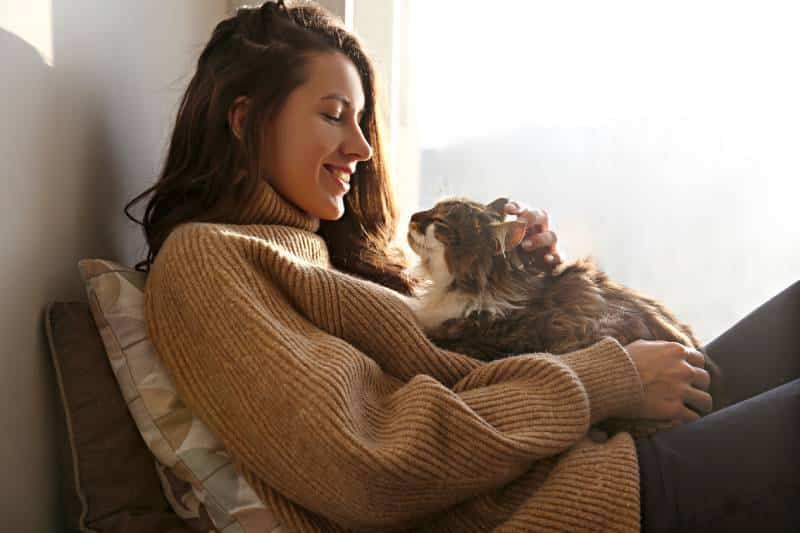
Don’t ever give up the bond you and your cat share. Continue to grow with your animals by continuing all sorts of interactive activities and laid-back affection sessions. Your cat will absolutely love interacting with you.
Some cats will have different ways of doing this. Some simply like being close to you, others love engaging in play, and many cats just love to be petted by their favorite person.
You can also enrich the lives of your indoor cats by learning to take them on walks on a leash and harness. This can be a little difficult but really fun to accomplish so your cat can explore the great big world outside.

Conclusion
What do you think? Did we explain what you might be experiencing, or help you learn what to expect? If you're not quite there—hang in there. You'll get to more solid ground once some of their energy wears down. Some cats can be more rambunctious, while others are chill—so it will ultimately depend on the cat.
Hopefully, we eliminated any surprises for you so you can better plan for the future.
Sources
Featured Image Credit: Zenza Flarini, Shutterstock

Expert cat care, straight to your inbox
Vet-reviewed advice, behavior tips, and the best of Catster. Free, and you can unsubscribe anytime.
By signing up, you agree to our Terms & Conditions and Privacy & Cookies Policy.
As a freelance dog writer and passionate pet enthusiast, Ashley Bates is pursuing studies in animal therapy. A mother to four human children and 23 animal companions, Ashley is dedicated to volunteering at shelters, advocating for animal rights, and rescuing animals in need. Her goal is to spread awareness, provide education, and offer entertainment about pets to reduce homelessness. Ashley's specialties include dogs and cats.
Join the conversation
Ask a question, share your story, or send private feedback.