How to Care For a 6-Month-Old Kitten: Vet-Verified Complete Guide


In this article
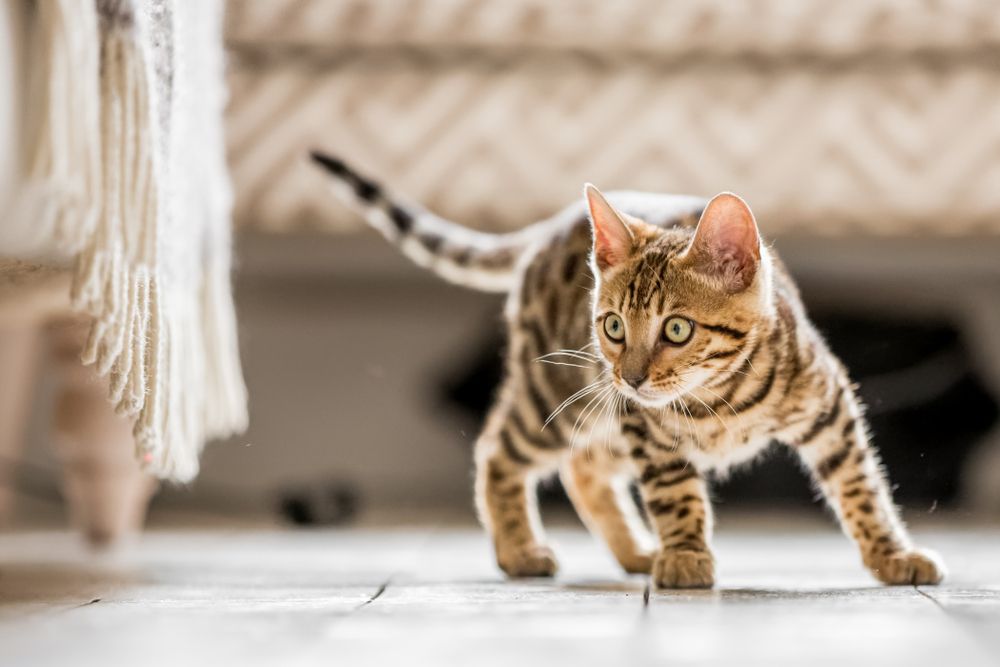
Kittens are typically curious, playful, feisty, and even mischievous. They are no longer tiny, fragile newborns, but they aren’t fully grown and matured either. It’s vital to understand the specific types of care that your kitty requires when they’re 6 months old because it's different from what’s needed for newborn and adult cats. For example, what should a 6-month-old kitten eat? When should they see the vet, and what should be expected during those visits? Is socialization necessary? Read on for the answers to these questions and more.

A 6-Month-Old Kitten Care Guide
Here, we break down the most important aspects of caring for a 6-month-old kitten so you can be a proud feline parent without (too many) doubts. Everything is separated by topic so you can easily refer to the factor that you’re working on.

Seeing the Veterinarian
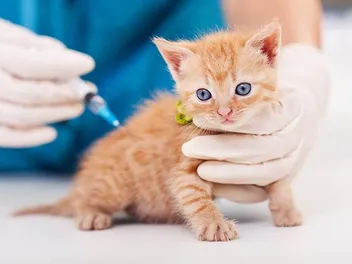
Your 6-month-old cat should have had all the vaccinations that they’ll need (until about 1 year old) by the time that they see a vet at the 6-month mark. However, a checkup should be scheduled at 6 months just to make sure that everything is good and that development is progressing healthily. If vaccines have not yet been administered, they may be during this visit. If your kitten is not yet spayed or neutered then a vet will discuss the benefits with you and schedule the surgery if you decide to go ahead.
Otherwise, future vaccinations will likely be recommended and even scheduled. You can expect the vet to examine your kitten's ears, eyes, nose, mouth, and body weight to determine how everything is developing. Flea-and-tick control is sure to be discussed, with treatment recommendations available if necessary. They may decide to do tests if there are any concerns about the health of your kitten. Most likely, it will be a visit that provides you with confidence and peace of mind, and gives you a chance to ask any questions you may have.
Get in touch with a vet online if you have any questions or concerns about the well-being of your pet.
Socializing Your Feline
It’s important to start socializing your kitten as early as possible. The Anti-Cruelty Society recommends that kittens should start the socialization process by 2 to 7 weeks of age because this is when they are typically most open-minded when it comes to new experiences.1 Whether your kitten has been socialized from a young age or not, you’ll need to continue to make socialization a priority when they're 6 months old.
Not all social experiences are created equal.
Here are a few things to consider when socializing your kitten:

Providing Your Kitty With Proper Nutrition
Kittens grow quickly and mature by the time they are about 1 year old. Their growth starts to slow by the time that they are about 8 months old. So, as a 6-month-old kitten, your furry family member must eat a diet that supports their growth and healthy development. Owners should strive for an optimal growth rate, which means their kittens will grow steadily and achieve an ideal body composition as an adult. How big your 6-month-old cat should be will depend on their breed, so you’ll need to talk to a vet about your pet’s ideal adult weight. A maximal growth rate is possible, though, which means a kitten will grow too quickly, and this can increase the risk of health problems. This is usually a result of a high-fat diet or overfeeding.
Three nutrients to consider when choosing a diet for your growing 6-month-old kitten are calcium, fat, and protein.
| Calcium: | There is a risk of skeletal deformities in growing kittens if there is too much or too little calcium, or if the calcium to phosphorus ratio is not ideal. The AAFCO guidelines for kittens recommend a minimum of 1% calcium and 0.8% phosphorus on a dry matter basis. |
| Fat: | All kittens need fat in their diet, as it’s a source of essential fatty acids, provides energy and ensures that fat-soluble vitamins are properly absorbed by the body. However, too much fat can lead to obesity, so the fat content should generally be kept between 18 and 35% on a dry matter basis. |
| Protein: | Between 35 and 50% of a kitten’s overall diet should be made up of protein sources to support optimal growth. |
Choose a high-quality commercial food formula that is designed specifically for kittens that is labeled to meet the nutritional adequacy standards established by the AAFCO (Association of American Feed Control Officials). This should help ensure that all your feline’s nutritional needs are being met as they grow into adulthood. Quality wet food products made for kittens are also ideal. Supplements should not be necessary unless a health problem is prevalent or if they’re recommended by a vet. Consult your veterinarian if you have any questions or concerns.
While many kittens grow out of the essential supplies you buy for them when they are young, finding a product that can last them a lifetime is like hitting the cat jackpot - which is why we love the Hepper NomNom Cat Bowl so much. Its unique cat-inspired design offers dual, stainless steel bowls that are wide and shallow, crucial for neck support when kittens are little and benefits mature cats by offering whisker relief. If you want to learn more about what other advantages the NomNom will provide for your growing kitten, click here.

- NO MESS - The 360° tray on this cat food and water bowl set has a raised design to catch and contain stray crumbs and drips. Protect your indoors and floors from wet and messy meals!
- WHISKER FRIENDLY - Shallow and wide metal containers with flat bottoms ensure your kitty can enjoy mealtime free from whisker fatigue!
- CHEW-SAFE MATERIALS - Kittens and cats love chewing on silicone and soft rubber - but it's a choking hazard. Our cat feeding station materials are anti-chew for a 100% safe feeding frenzy!
At Catster, we’ve admired Hepper for many years and decided to take a controlling ownership interest so that we could benefit from the outstanding designs of this cool cat company!
Grooming Your 6-Month-Old Kitten
Grooming can vary from breed to breed when it comes to cats, much like it does for dogs. However, there are basic grooming habits that you can get into no matter what breed your kitten is (which is great news for those who adopt a cat of an unknown breed from a rescue center!) that can help ensure that they stay clean, healthy, and happy. Here are the basics that every kitten owner should know:
| Regular Combing/Brushing: | Every cat can benefit from being brushed and/or combed a few times a week. The process helps keep the coat clean and shiny, the skin healthy, and the shedding to a minimum. A bonus is that brushing and combing can help you build a strong bond with your furry friend as time goes on. The best time to brush your kitten is when they are calm and relaxed, typically right after playtime but before one of their naps (a 6-month-old kitten typically sleeps 16 to 20 hours a day!). |
| Bathing: | This is only necessary if your kitten gets noticeably dirty or is exposed to a scent that you are not fond of. Cats don’t generally like bathing, so it’s best to opt for a sponge bath if that is sufficient. That said, if you get your cat used to baths at a young age, they may end up enjoying them. |
| Nail Trimming: | If you provide your kitten with scratching posts to utilize, they may be able to keep their nails “trimmed” themselves. If trimming is necessary, you will know it because your kitten's nails will be extremely long and sharp and painful when they come into contact with your skin. It’s important to use nail clippers or grinders made specifically for cats and/or dogs. Work slowly, and only trim as much as necessary to control the sharpness. |
If you are looking for recommendations on the best cat brush, nail clippers and pet wipes for at-home grooming, check out our top picks from Hepper. With the help of these great tools, grooming sessions will be easier and more enjoyable for both you and your cat.
| Image | Product | Details | |
|---|---|---|---|

|
Hepper Cat Brush |
|
Check Price |

|
Hepper Cat Nail Clippers Set |
|
Check Price |

|
Hepper Wash Wipes |
|
Check Price |
At Catster, we’ve admired Hepper for many years and decided to take a controlling ownership interest so that we could benefit from the outstanding designs of this cool cat company!
Ensuring Proper Kitten Behavior
A vital aspect of caring for your 6-month-old kitten is making sure they behave properly in the household and social situations. Here are a few tips to help ensure that your kitten gets along well in your household now and for years to come.
- Utilize a low-sided litter box so your 6-month-old cat can easily get in and out of it when they use the restroom. Your kitten will be more likely to use the box rather than the floor if they can easily gain access to it.
- Supervise your kitten as often as possible, and redirect their attention to toys and other appropriate items when they display unwanted behavior, such as scratching furniture, climbing on curtains, and tearing up books. As time goes on, they should learn to focus on their own items and climbing structures for play and exercise and leave your stuff alone.
- Teach the kids how to gently interact with their kitten to avoid accidents and injuries and to help ensure that the cat doesn’t become afraid of people and socialization. Make sure there is no tail pulling, teasing, or roughhousing, no matter what the situation is.


A Quick Recap
Taking care of a 6-month-old kitten can be incredibly fun, but the process also entails a great deal of responsibility. With the help of this guide, you can enter the world of kitten caring with confidence, peace of mind, and a positive outlook on the future.
Sources
Featured Image Credit: ANURAK PONGPATIMET, Shutterstock
Expert cat care, straight to your inbox
News, insights, and useful advice, delivered to you.

No spam — unsubscribe anytime.
By signing up, you agree to our Terms & Conditions and Privacy & Cookies Policy.
How useful was this post?
Click a star to rate. You can leave written feedback afterwards. (We read all feedback.)
Rachael has been a freelance writer since 2000, in which time she has had an opportunity to research and write about many different topics while working to master the art of fusing high-quality content with effective content marketing strategies. She is an artist at heart and loves to read, paint, and make jewelry in her spare time. As a vegan, Rachael is obsessed with helping animals in need both in her community and anywhere in the world where she feels she can make a difference. Animals also happen to be her favorite topic to write about! She lives off the grid in Hawaii with her husband, her garden, and her rescue animals including 5 dogs, a cat, a goat, and dozens of chickens.