Get

In Your Inbox

Catster is reader-supported. When you buy via links on our site, we may earn an affiliate commission at no cost to you. Learn more.

Is Weed Killer Safe for Cats? Vet-Reviewed Facts & FAQ

Share

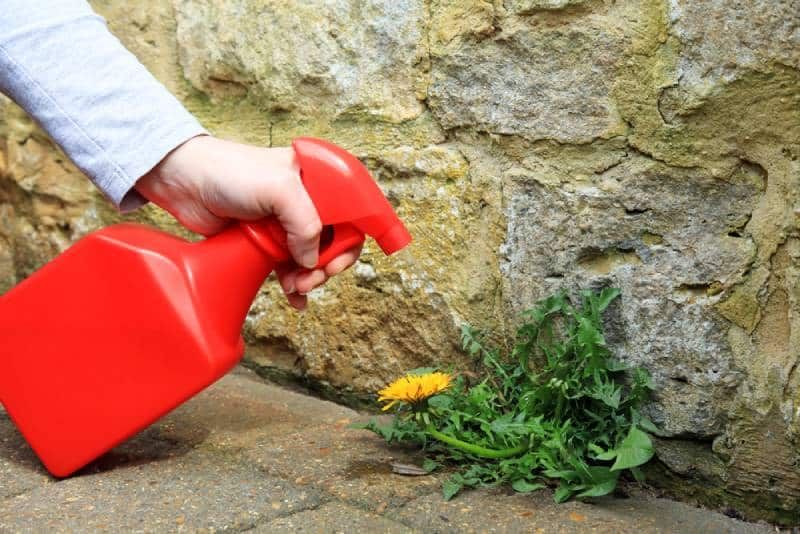
man spraying weed killer in a red container

Weed killers are ideal for keeping your lawn pristine, but are they safe for the kitties passing through? The answer is that it depends on the type of weed killer you’re using and how you use it. Some products are marked “pet safe,” but even these need to be used in a certain way to prevent harm to your furry friends. Read on to learn more.

divider cats oct 2024

Can Weed Killer Poison Cats?

Yes, especially if it’s not used according to the instructions. You can certainly find weed killers labeled “safe for pets” but with the caveat that they’re used as instructed.

For example, if the instructions say that a product is pet-safe as long as you wait 48 hours before letting your cat roam the area again, but you let your cat out before the product has fully dried, the product could end up on your cat’s fur, feet, or even in their mouth if they self-groom after getting product on their coat.

Toxic Ingredients

Some of the ingredients commonly found in weed killers that can cause toxicity if ingested include glyphosate, chlorophenoxy derivatives, ferrous sulfate, paraquat, and fatty acids like octanoic acid (caprylic acid), decanoic acid (capric acid), and nonanoic acid (pelargonic acid).

Products that need to be diluted with water before use are another risk factor, as these have higher concentrations of toxins compared with products that you simply spray on.

spraying weed killer outdoors
Image Credit: Daria Nipot, Shutterstock

Signs of Poisoning

Signs a cat has come into contact with or ingested toxic ingredients include eye irritation, skin irritation, respiratory problems, vomiting, diarrhea, lethargy, anorexia, pupil dilation, salivation, abdominal pain, mouth ulcers, and blood in the stool.

Signs and severity can vary depending on the toxin that was ingested and how much was ingested. Some cats get away with a minor stomach upset, whereas others experience more serious issues.

If you suspect poisoning, please get your cat checked by a vet right away and let them know what has or may have been ingested. This can help your vet determine the right course of action. If you think your cat may have walked in an area with herbicide, clean their paws with gentle soap and warm water straight away to reduce the risk of it being licked off.

If you need to speak with a vet but can't get to one, head over to PangoVet. It's an online service where you can talk to a vet online and get the advice you need for your pet — all at an affordable price!

PangoVet_Mention-in-Content for PangoVet2 save money

What About “Organic” or “Natural” Weed Killers?

Unfortunately, even if a product is labeled “organic” or “natural,” this doesn’t necessarily mean there’s no risk to your cat. These can still contain potentially poisonous ingredients like fatty acids, so it’s equally as important as it is with regular products to use “natural” or “organic” products only as directed.

Tips for Keeping Cats Safe

If your garden weeds are getting you down, here are some tips for tackling them while keeping your cat safe at the same time.

  • Always opt for pet-safe weed-killer products and follow the instructions on the package.
  • Chemical residue can linger on surfaces for 48 hours or even longer after application. Check the advised wait time on the packaging before you allow your cat access to the area, and consider exceeding it to be on the safe side.
  • Consider pulling weeds by hand, if possible, to make sure cats are completely safe.
  • Stick to pet-safe, ready-to-use products instead of concentrated products that you need to dilute.
  • When not using them, store weed-killing products where your cat can’t find them and knock them over.
rear-of-a-toyger-cat-lying-on-the-grass
Image Credit: Kutikova Ekaterina, Shutterstock

divider cats oct 2024

Final Thoughts

To recap, pet-safe weed killers are best if you have cats or dogs that spend time in the garden, but it’s imperative to use them as instructed and make sure you give them enough time to completely dry before letting pets out into the area.

While it’s unlikely that a cat would ingest a large amount of weed killer (the smell and taste would be enough to put them off), they can easily come into contact with it and lick it off their fur or paws while grooming, and this is where the danger lies.


Featured Image Credit: Dean Clarke, Shutterstock

Want content like this delivered to you?

Sign Up For Our Newsletter

News, insights, expert advice, and everything cat

* By submitting, you agree to our Terms & Conditions and Privacy & Cookies Policy.


How useful was this post?

Click on a star to rate (you can leave written feedback after clicking submit)

Help us improve Catster for pet parents!

Your feedback really matters.

What did you like about this post? Also how can we improve it?

Join the conversation

Leave a Reply

You’re very welcome to leave a comment or question. Please know that all comments must meet our community guidelines, and your email address will NOT be published. Let’s have a positive and constructive conversation.


Talk With A Vet Online

Peace of mind,
anywhere, anytime

Affordable vet advice

What Makes Orange Tabby Cats So Fascinating (It’s Not Just the Color)

Orange tabby cats are everywhere, and yet most people know surprisingly little about what actually makes them so fascinating (unless you are owned...

Mixing Business with Charity at the Purrfect Day Cat Cafe

Despite what the news headlines might indicate, the world is generally filled with a lot more good people than bad, and you might...

Ask Dr. Paola – Help! My Cat Pees on My Bed (April 27, 2026)

Welcome to our “Ask Dr. Paola” series, where every Monday we bring expert advice straight from Dr. Paola Cuevas (MVZ) to help our...

When Healing Goes Both Ways: Mochi’s Fight Against FIP and the Strength We Found Together

Why I’m Sharing This Now Five years ago, I was in the middle of one of the hardest seasons of my life. I...

More related

Catster Photo Contest: Cats of the Week Winners (November 27, 2025)

Every week our team gets the privilege of sorting through our readers photos to choose what cats will win this weeks contest! See...

Microchip Now: To Prevent Apocalypse Now

Hi, I’m Dr. Lauren! Read my introduction to learn more about me and my two adventurous cats, Pancake and Tiller. As a veterinarian,...

7 Types of Maine Coon Cat Colors (With Pictures)

Maine Coon cats are known not just for their size and tufted ears but also for their wide array of coat colors. Maine...

How to Get Cat Pee Smells & Stains Out of Carpets: Easy Steps

Dealing with the smell of cat pee in your house is off-putting for everyone who lives there, let alone any visitors who want...

Keep reading

Why is My Cat Throwing Up Yellow Liquid? 5 Vet Approved Reasons

Your cat vomiting can be concerning, but it may alarm you when they throw up yellow liquid. This colorful concoction surely could not be good, right? While yellow vomit looks incredibly unnatural, all it means is that it is mostly...

tabby white british shorthair cat vomit outdoors

How Much Exercise Does My Cat Need? Vet-Approved Advice & Methods

Cats are generally curious and playful pets that require a certain amount of daily exercise. The amount of exercise will vary depending on your cat’s age, breed, and health condition. In general, cats require at least 30 minutes of exercise...

blue tabby maine coon cat running outdoors

How Do Cats Hunt? Vet-Approved Instincts & Methods Explanation

If you bring a cat into your home, you have to realize you’re bringing a predator right into your living room. While cats don’t go after big game like humans, that won’t stop them from stalking around your home looking...

cat hunting in grass

3 Homemade Cat Gravy Recipes: Vet Approved Healthy Options

Cats are obligate carnivores, so they need nutrients only found in animal products for a complete diet—including animal protein and fat. Cats are also notoriously picky, so reliable kibble may not be enough to entice their appetite sometimes. While it’s...

kitten eating gravy food

Feline Idiopathic Cystitis in Cats: Signs, Causes, and Care

Urinary tract diseases are fairly common in cats, so it’s important for cat owners to be well-informed about this area of cat health. Cats can contract several different kinds of urinary tract diseases. Veterinarians will conduct tests to diagnose the...

cat pee on carpet

How to Tell the Sex of a Kitten: Vet-Reviewed Guide (With Infographic)

While it’s exciting to meet a litter of newborn kittens, it can be tricky to tell which of your fluffy new friends are male or female. Despite knowing how to tell the gender of a kitten, even experts can have...

Domestic kittens

Osteochondrodysplasia in Scottish Folds: Vet Approved Signs, Causes & Care

Scottish Fold cats are sweet, mellow, laid-back, and fun. They’re known for their folded ears, chubby faces, and sweet temperaments. The breed’s folded ears are related to a genetic mutation that causes skeletal and joint deformities. Cats with folded ears...

vet holding a senior cat

Can Cats Drink Mineral Water? Vet Approved Nutrition Advice

Just like how you require water, your cat also needs water to survive. If you prefer drinking mineral water and wonder if you can share it with your cat, you should know that cats can drink mineral water. There are...

Can Cats Drink Mineral Water

Love Cats? So Do We! Join the Catster Community

Stay informed with expert pet care insights delivered straight to your inbox! Discover professional guidance on animal behavior, feeding tips, trusted product picks, and much more.


Sign up for the Catster Email Newsletter

Stay informed with expert pet care insights delivered straight to your inbox! Discover professional guidance on animal behavior, feeding tips, trusted product picks, and much more.