Cat Ear Sores: Causes, Prevention Tips & Treatment (Vet Answer)


In this article
Cats can get sores or scabs on their ears from numerous different things. Sometimes it’s an injury to the ear, or potentially cancer. Other times the sores may develop from your cat scratching and rubbing at the ears themselves. In this article we’ll discuss why you can see sores on your cat’s ears, and what you may be able to do for treatment and prevention of these wounds. As a heads up, this article won’t be able to cover all of the possible causes of cat ear sores, but we will try to touch on the most common reasons.

What Are Cat Ear Sores?
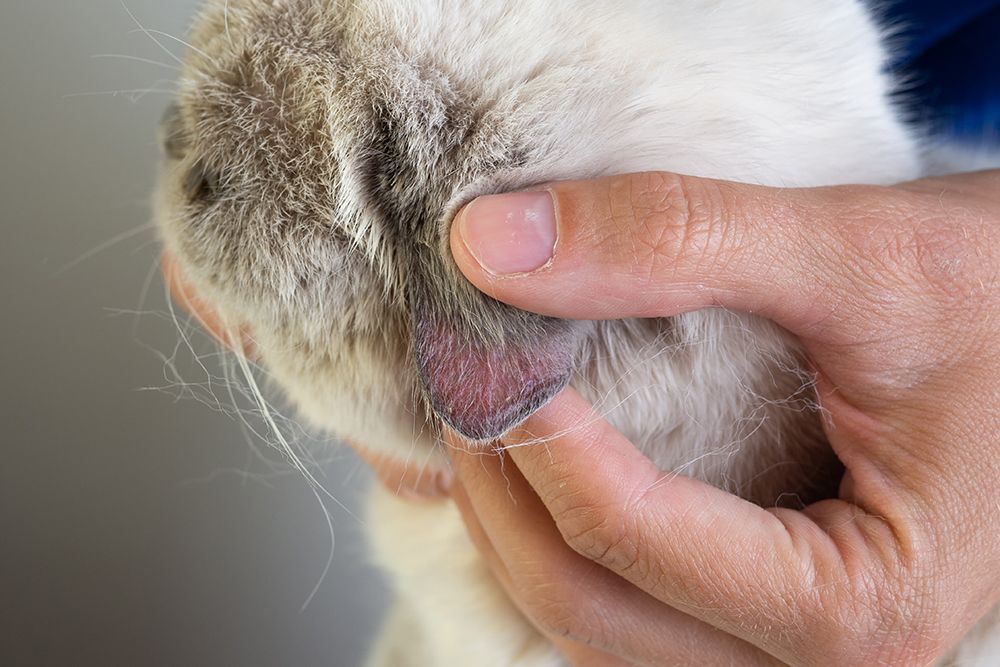
For the purpose of this article, we’ll define ear sores in the cat as any wound, crusts, scabs, or irritation to the ear pinna, or outside of the ears. The ear pinna is the part of the ear that is visible, and most of the time stands upright in cats. Each pinna has an inside and outside surface. We won’t focus on conditions that can affect the ear canal itself, though sometimes the two can be related.
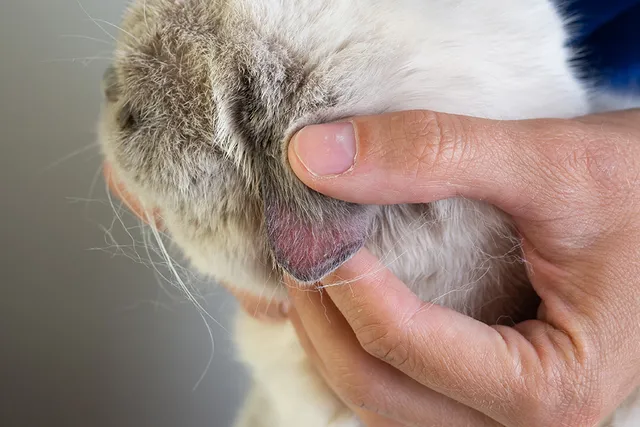
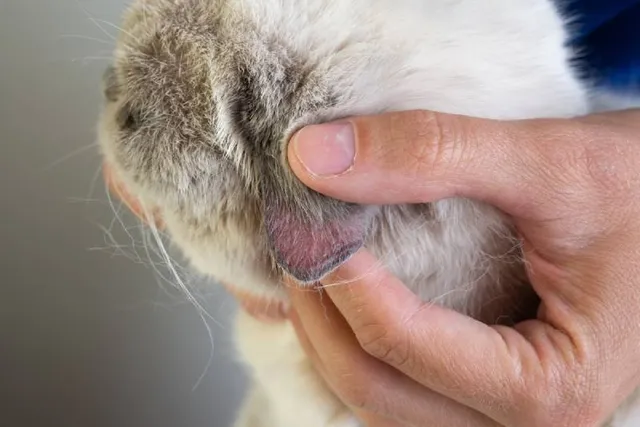
When we hear the word “sore,” we often think of an ulcerated, open and/or scabbed wound of some sort. Sometimes the sore is ulcerated and draining, completely open to the outside environment. Other times, there are scabs and/or crusts covering the sore. However, by definition, a sore is a broken patch of skin, or in the case of the inner ear pinna, it may be a broken-open portion of cartilage. A sore does not denote just swelling and/or a mass, though both can occur at the same time.

What Are the Signs of Cat Ear Sores?
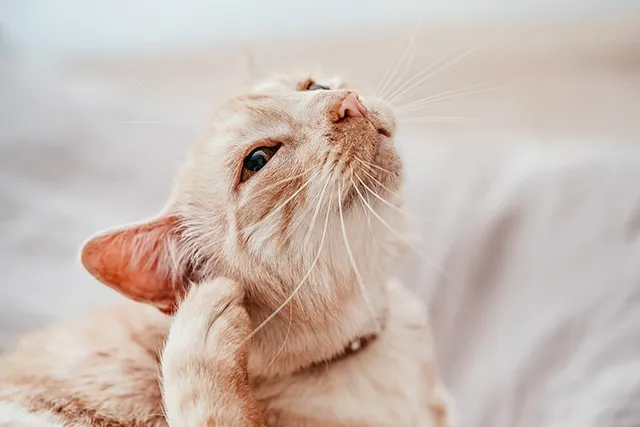
At first, you may notice your cat holding their ears down instead of having them normally stand straight up. Your cat may also be scratching at one or both of the ears, constantly trying to rub their head on the furniture and/or along the ground. Depending on your cat’s temperament, they may become angry or upset when you try to pet their head and/or scratch at their ears, or they may avoid human contact in general. If only one of your cat’s ears is bothering them, they may tilt their head to the affected side or act uncomfortable.
Sometimes the problem starts within the ear canal itself, and you may not notice anything abnormal externally. You may notice dark and/or malodorous discharge and/or debris within the ear canal itself. The pinna may at first appear normal. However, the pinna may also develop crusts, hair loss, scabs, swelling, and even discharge. Open sores may appear like ulcers, or red, oozing skin. Sometimes the ear may become swollen, either with a focal area of swelling or the entire ear puffs up like a pillow. No matter the appearance, your cat will likely show signs of being uncomfortable and often do not want that ear looked at or touched.
If you are concerned about the health and well-being of your pet, seek veterinary advice for the best course of action.
The 7 Possible Causes of Cat Ear Sores
While the following is not an all-inclusive list, these are some of the more common reasons we may see cats develop sores on their ear(s).
1. Otitis
If your cat has an ear infection (aka otitis) – typically caused by yeast and/or bacteria – then they may get sores on their ears from scratching at their irritated ears. It may involve one or both ears and will usually be accompanied by some crusting or discharge from the ear canals. However, if the infection is deeper in the ear, the sores on the pinnae may be the only sign.
Treatment
Although it may be tempting to purchase over the counter (OTC) antibacterial ear drops or cleaners, the best way to correctly diagnose and treat otitis is with the help of your vet. Using the wrong product on an infection can not only cause damage to your cat’s ears and hearing, but it can lead to antibiotic resistance, resulting in infections that are much more difficult to treat in future.
Your vet will examine a sample of the discharge from your cat’s ear/s to determine what sort of organisms are involved and whether further testing is needed to ensure the best medication is selected.
It’s important to attend any follow up appointments to make sure the infection has fully resolved before stopping treatment because if any organisms are left behind, this will also lead to the development of more antibiotic resistant infection.
2. Cat and/or Other Animal Bites
If you have multiple cats in the house, or your cat is indoor/outdoor, then they may be prone to getting bitten on the ears. Any type of animal bite can cause wounds and sores to develop.
Treatment
An important step here is identifying the culprit and taking steps to prevent/avoid further conflict. Minor sores or scratches on the ears may be able to be cleaned with an antibacterial solution (ensuring it is one that is safe to use in or around the ears), but if the ear becomes swollen, develops a discharge, or your cat shows signs of feeling unwell, you will need to seek veterinary attention as antibiotics are likely needed. Medicated wipes are a good option, as this reduces the risks of getting liquid into the ear canals.
3. Ear Mites
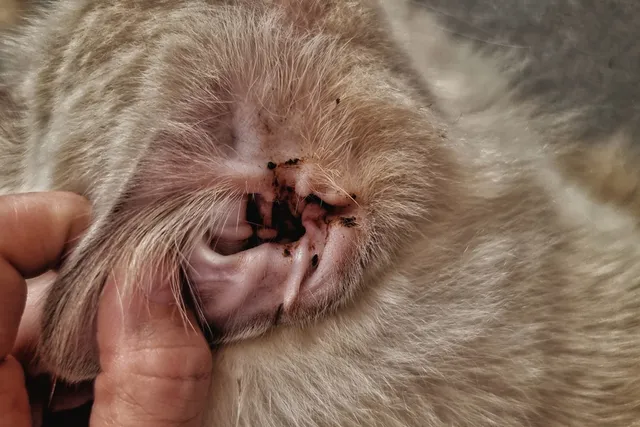
Ear mites are parasites that live and breed within the ear wax. The mites will cause a very thick, dark discharge to develop within the ear canal itself. Similar to the ear infection, your cat will self-traumatize their ear(s) from the itchiness. In most cases, it isn’t possible to differentiate between ear mites and a bacterial or yeast infection without examining a sample of the discharge under the microscope, and sometimes, secondary infections can develop as a result of the inflammation caused by the mites. Your vet will be able to make a diagnosis and prescribe the appropriate treatment.
Cats can also be affected by other species of mites, and this is often referred to as ‘mange.’ Mange in cats is more common in high-density or feral cat populations, and those with poor living conditions
Treatment
For uncomplicated cases of ear mites, you will need to clean the ears using an ear cleaner, then apply an ear mite treatment for cats. Most prescription strength feline flea & tick prevention products will also help eliminate and prevent mites. If in doubt or the problem isn’t resolving, there is likely a secondary infection and you will need to consult a vet.

4. Other External Trauma
Aside from bite wounds, cats can also get wounds on their ears from bushes, fences, other plants in the yard, going underneath furniture, etc. Any external trauma to the ear can cause open wounds and sores.
Treatment
As with animal bites or scratches, minor wounds can be cleaned with an appropriate antibacterial cleaner, but if there are signs of infection, you will need to seek veterinary attention, as antibiotics are likely needed.
5. Fleas
Fleas are extremely irritating, causing itching, redness, and skin irritation from flea bites. Add self-trauma to that, and your cat may have ear sores from flea infestation. Cats that suffer from flea allergy dermatitis (FAD) can have a disproportionately severe reaction to just a few fleas, so it’s not always obvious that this is the culprit, but they will usually be pruritic (itchy) all over, not just the ears.
Treatment
This is a pretty obvious one; we need to get rid of the fleas. It can be tempting to opt for home remedies to tackle the problem, but with the way the flea life cycle works, the only reliable way to get good, long term control of a flea problem is by using flea products prescribed by your vet. However, you can combine these products with some safe and natural ways to make your house an unwelcome home for fleas.
If your cat is particularly pruritic, you may be able to add antihistamines to relieve the itch, or, in more severe cases, your vet may prescribe steroids.

6. Allergies
Allergies in cats often manifests as itchy skin. Your cat may have allergies to their food, things in the environment, fleas, or things they contact. All of these may cause irritation to the skin, and your cat may also further cause damage to the skin by itching and scratching.
Treatment
The first (and usually most difficult) step is trying to identify what is triggering your cat’s allergies. Eliminating fleas is an easy way to determine if external parasites are the problem, and you may want to try a food elimination trial to see if your cat’s clinical signs improve when they are fed a novel protein diet. Things get a bit trickier when environmental allergens are the problem, and you will need to work with your vet to find the best balance between reducing your cat’s allergen exposure and using medications (eg. antihistamines, steroids, allergy vaccines) to manage the problem.

7. Cancer
There are certain cancers that will develop on the skin or underneath. Depending on the type of cancer, the tumor itself may rupture open and ulcerate, causing a sore. Other times it may cause the ear to be itchy and/or sore, and your cat may then scratch the tumor, causing the sore to develop.
Squamous cell carcinoma (SCC) is a relatively common skin cancer in cats, usually affecting skin that is light in color with thin fur coverage, such as the ears, nose, and eyelids. SCC usually appears as sores that scab over and open up, never fully healing.
Treatment
SCC is relatively slow growing and surgical excision is often curative, particularly in cases of SCC on the ears. Pinnectomy (removal of the ear pinna) is quite commonly performed, resulting in the earless or teddy bear-eared cats you may have seen.

How Do I Care for and Prevent Ear Sores?
First and foremost, if your cat is rubbing and scratching at their ears, you should place an e-collar on them so that they can’t irritate the ears even more. There are lots of options out there! Even cute food and character shaped e-collars that will also make your cat selfie-ready. These should be left on at all times, even when your cat is eating, so that they do not cause more trauma to the ears.
Second, you want to get your cat to a veterinarian so an appropriate diagnosis can be made. The reason for this is that treatment varies greatly depending on the cause. For example, many owners will make the mistake of buying an OTC “ear mite treatment” and use it for weeks with no improvement. And it could be because the cat actually has a bacterial ear infection. Sometimes cancerous masses need to be surgically removed or else the sore will never heal.
Sometimes topical medications are needed. This means that medication needs to be applied directly to the wound, and/or within the ear to treat the underlying problem. Other times your cat may need oral medications, such as steroids or antibiotics, to clear up any infected sores. Oftentimes the veterinarian will also want to clip the hair around the sore to help clean and dry the area so it can heal easier.
The safest approach to selecting products to use on your cat’s ears is to only use recommended and prescribed products from your veterinarian. This is because many OTC products are toxic to cats, especially those containing essential oils and scents. Some topical products can be very toxic if your cat is able to lick them off, or wipe their paw on the wound and then lick their paw. You also do not want any medications that aren’t prescribed dripping into the eye(s) causing irritation and/or ulcers.


Frequently Asked Questions
Will the Sores Come Back?
This completely depends on what the cause is. Oftentimes the underlying disease needs to be treated (e.g. fleas, ear infection) in order for the sores to resolve. If appropriate treatment either isn’t pursued, or isn’t done long-term, then the sores may come back.
What If the Ear Sores Are from Cancer?
Your veterinarian should be able to work-up your cat and determine a cause, even cancer. Treatment will depend on the type of cancer. Some cancers can be surgically removed, others may be treated with oral medications. The first step is knowing what type of cancer your cat has so that an appropriate treatment plan can be made.
How Often Should I Clean My Cat’s Ears?
In most cases, your cat will take care of their own ear cleaning, and your input will not be required. However, some cats are more prone to getting a build up of wax, while others are less fastidious about their cleaning habits! For these cases, you shouldn’t need to be cleaning the ears more than once a week, so if any discharge is building up more quickly than this, you should make an appointment for a checkup.

Final Thoughts
Ear sores on cats can have many different causes. Sometimes there is a wound on the ear pinna itself. Other times there is a disease process within the ear canal or associated with the skin, and the sores develop because the cat is scratching and self-traumatizing the ear(s). The most important thing you can do at home is to prevent your cat from hurting their ear more by purchasing and placing an e-collar on them. There are many good options both in stores and online. A diagnosis by a veterinarian should then be made so that appropriate treatment can be recommended. Most sores will resolve with treatment, but the success of this treatment relies on getting the correct diagnosis to begin with. As a general rule, we don’t recommend using home remedies or OTC products without first speaking with a vet, as some products may be harmful, and others will simply be a waste of time and money.
Sources
Featured Image Credit: Yekatseryna Netuk, Shutterstock
Expert cat care, straight to your inbox
News, insights, and useful advice, delivered to you.

No spam — unsubscribe anytime.
By signing up, you agree to our Terms & Conditions and Privacy & Cookies Policy.
How useful was this post?
Click a star to rate. You can leave written feedback afterwards. (We read all feedback.)
Dr. Kim Podlecki DVM (Veterinarian)
A graduate of The Ohio State University College of Veterinary Medicine, Dr. Podlecki has more than 12 years of experience working with small animals in the United States. Dr. Podlecki worked almost exclusively in emergency and specialty medicine for more than 10 years before transitioning to relief in both general practice and ER. Dr. Podlecki also owns her own consulting company (renewvetconsulting.com) with the focus of helping veterinary hospitals prioritize their staff to promote a healthier internal culture.