Do Electric Fences Work On Cats? Vet Approved Advice



In this article
Electric fences can be used to keep animals in or out of an area. They are commonly erected around farms to protect cattle, and some pet owners consider using them to keep their pets within a specific area. If you have wild predators in the area, it can be tempting to install an electric fence that serves the double purpose of keeping your cat in the relative safety of your yard and preventing most predators from getting in.
An electric fence will work on cats, in the sense that it will give them a shock, but they can be very dangerous, especially for cats with heart problems and other health complaints. And, if your cat is especially agile and athletic, there is a chance they could get out through the gap in the fence wires and not be able to get back in.
There are better alternatives to electric fences, which we look at below, along with details on how electric fences work and why you should avoid using them as a cat owner.

How Do Electric Fences Work?
An electric fence is essentially an incomplete circuit. When an animal touches the fence, it completes the circuit and a shock pulses through the animal and into the circuit ground. The apparent aim when using electric fences on cattle is to “train” them not to go near the fence. When they get a shock, they learn not to go back and touch the fence again.
Electric fences can be battery-operated or connected to the mains. The fences used for livestock tend to have three or four metal wires with large gaps: cats can generally jump through these gaps if they know how to avoid the metal wire. However, while the fences are considered safe for cattle, cats are much smaller, and the shock delivered can be too much for their small bodies and organs.
Home electric fences can be installed around a property or a specific part of a property to stop predators from getting in and cats from getting out. These have smaller gaps between the wires, providing a physical barrier, but the principle is the same and the fence works in the same basic way.

What Happens If a Cat Gets Shocked by an Electric Fence?
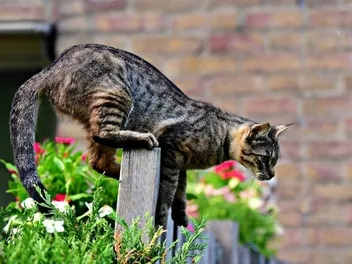
Generally, cats avoid electric fences. But, if a cat is chasing prey or running away from a predator, loud noise, or anything else that has startled them, they may try to clear the fence or jump through it. In these cases, the cat could get an electric shock.
The severity of the shock will depend on the fence itself and how your cat approaches the fence. A severe shock can cause internal damage to organs including the lungs and brain. It can also cause arrhythmia, which can lead to problems. These are severe reactions, but they are possible.
Why You Shouldn’t Use an Electric Fence for Cats
Although an electric fence will work on cats by delivering a shock when the feline touches the fence, they can be dangerous. Below are four reasons you should avoid using this kind of barrier.
1. Potential Health Risks
Although electric fences do not deliver massive shocks, there are still risks to a cat’s health if they do touch the fence. Even a healthy cat can suffer detrimental effects when shocked, while weak cats, especially those with conditions affecting their internal organs, are especially prone to serious affliction.

2. Fear and Anxiety
Even if your cat doesn’t suffer any ill effects physically, the shock can cause fear and anxiety, especially if the shock is bad or catches the cat by surprise. You may find your cat is unwilling to venture outside at all if they endure a particularly harrowing experience.
3. Natural Instinct
Cats are instinctive animals. Even though domestic cats rarely have to hunt for their own food, they still have a natural hunting instinct. If your cat sees a mouse or potentially even an insect and gives chase, this instinct may be enough to cause the cat to run unintentionally into the fence. Playful cats, and especially young cats, will chase leaves or anything that blows past, and this could lead to the same shocking result.

4. Repeated Shocks
If a cat cautiously approaches and touches an electric fence, they will typically jump back from the shock. A single shock is delivered, and the cat will likely learn not to go back. If a cat is chasing prey or not paying attention and runs full into the fence, they will receive multiple shocks. Panic can set in, which often causes cats to jump vertically, and this may lead the cat to receive more shocks, rather than deterring them.
5. No Return
Cats act on instinct and if your cat manages to chase something through the fence, either by avoiding the wires or pushing through the shock, they can end up on the other side of the fence. Once the adrenaline from the chase has passed, they will want to return, but might not be able to get through the fence. Your cat could be stuck in an area you were trying to prevent them from going to in the first place.

Alternatives to Electric Fences
If you’re looking to keep your cat in a confined space, there are alternatives to electric fences.
- Catio – A catio is a fenced outdoor area, typically attached to a property. They tend to look and act like a large cage and can have a direct entrance to the house.
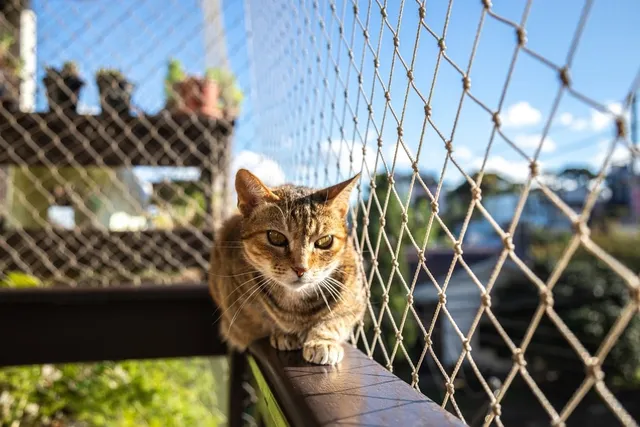
- Cat Balcony – For those that have balconies or live on an upper floor, a cat balcony can provide a safe enclosure so the cat can explore the balcony and enjoy the fresh air while eliminating the risk of falling or jumping onto other balconies.
- Cat Fencing – Cat fencing has narrow gaps. It generally attaches to the top of existing fencing, forming a higher barrier that cats can’t jump over, but cats are athletic and resourceful, so you will need to remove any potential escape routes.
- Cat Enclosures – A cat enclosure is a cage or other type of enclosure that is placed in a yard or other outdoor area. It doesn’t usually attach to a property and the owner has to transport the cat to and from the enclosure.
- Keep Them Inside – If you do live in an area where it is unsafe to let your cat wander, because there are natural predators or something else that might potentially cause harm to your cat, you can keep them as an indoor cat. Indoor cats don’t face threats from traffic, other people, or wild animals.

Conclusion
Electric fences are typically used to keep livestock in and predators away. They can also be used to keep predators away from homes, protecting animals and the home itself. But, while they can work to prevent cats escaping, or other cats getting into your yard, they do deliver electric shocks that can cause physical damage to cats. They can also cause fear and anxiety. Alternatives, such as catios and cat enclosures, offer the same effects without the potential risks associated with electric fences.
Sources
Featured Image Credit: Roxane 134, Shutterstock
Expert cat care, straight to your inbox
News, insights, and useful advice, delivered to you.

No spam — unsubscribe anytime.
By signing up, you agree to our Terms & Conditions and Privacy & Cookies Policy.
How useful was this post?
Click a star to rate. You can leave written feedback afterwards. (We read all feedback.)
Catster is a cat magazine and cat website where cat lovers come together and get expert advice about cat behavior, cat health and cat news.