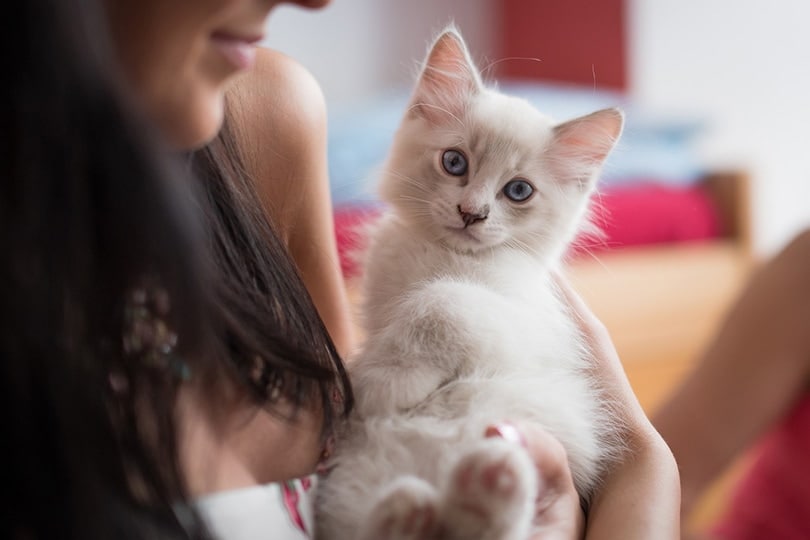
How to Care for a Cat While Working Full-Time: 7 Vet-Approved Tips


Cats are popular pets for a lot of reasons, but partly due to their independence. As long as they have food, water, and a clean litter box, cats will entertain themselves until you’re around for playtime and snuggling.
This helps when you have a full-time job that takes you out of the house for 8 to 9 hours each day, leaving your cat alone. Fortunately, there are ways you can ensure that your cat has what they need while you’re working.
Here are seven ways to care for your cat while you work full-time.

How to Care for a Cat While Working Full-Time
1. Provide Food & Water
When you’re gone for a big chunk of the day, you may be concerned about your cat eating and drinking. As long as you provide a small bowl of food and free access to fresh drinking water, your cat is more than capable of tending to their own needs while you’re gone. If your cat is a big eater, consider getting an automatic feeder to dispense food throughout the day at set times. A water fountain is a great way to keep fresh water available for your cat while you are at work.

2. Keep a Clean Litter Box
As long as cats are healthy and have a clean litter box in a secure, comfortable area of your home, they will use a litter box readily. You won’t need to return home or ask someone to let your cat out. Better yet, you can get an automatic litter box that does the work for you.
That said, cats must be litter box trained, which can take some time. Most cats catch on quickly, but kittens and rescue cats or semi-feral cats may require a few litter boxes in different parts of your home to avoid accidents. In addition, cats that have health problems, such as a urinary tract condition, may soil outside of the litter box.
3. Install a Cat Door
Cat doors are a helpful way to give your cat access to your home that you may not want to leave open all day. If you have a dog, for example, you may want to restrict access to the area where you keep the cat’s food and litter.
Though it’s not recommended, if you have indoor/outdoor cats, a cat door allows your cat to go in and out during the day. This is also helpful if you have a catio or similar setup for your cat to get some fresh air and enrichment.

4. Cat-Proof Your House
Some cats can get into trouble without supervision. You don’t want to come home to broken vases and destroyed plants, so make sure to cat-proof your home. This isn’t always easy with an agile, curious cat, but consider moving valuables onto high shelves or into closed rooms where your cat can’t get to them.
5. Leave Toys Around
Active cats require a lot of entertainment to avoid boredom and destructive behaviors. While you’re gone all day, leave toys around the house for your cat to enjoy. They don’t need to be fancy or expensive. Variety is key, so include scratch posts, cat trees, and plenty of small toys.
Many cats will find endless entertainment from simple things like empty boxes. If your cat is really high energy, consider getting electronic toys that mimic chasing prey.
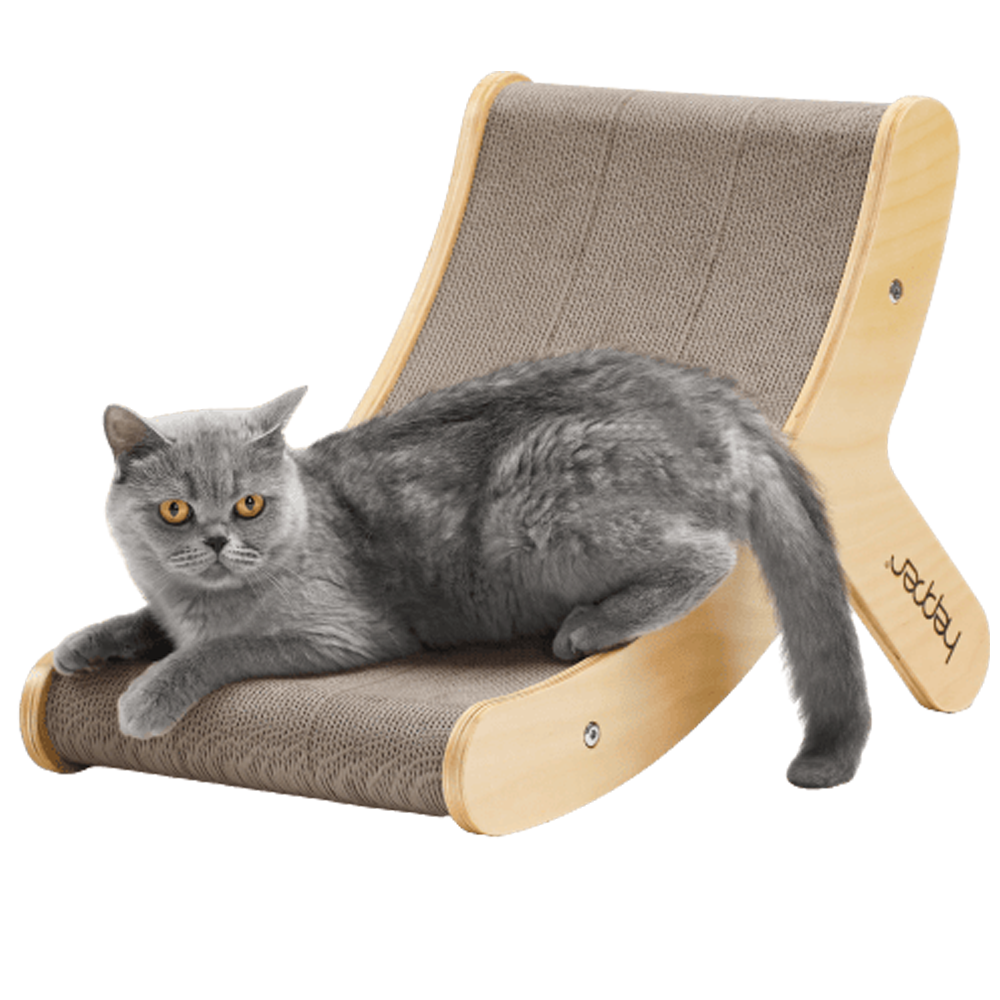
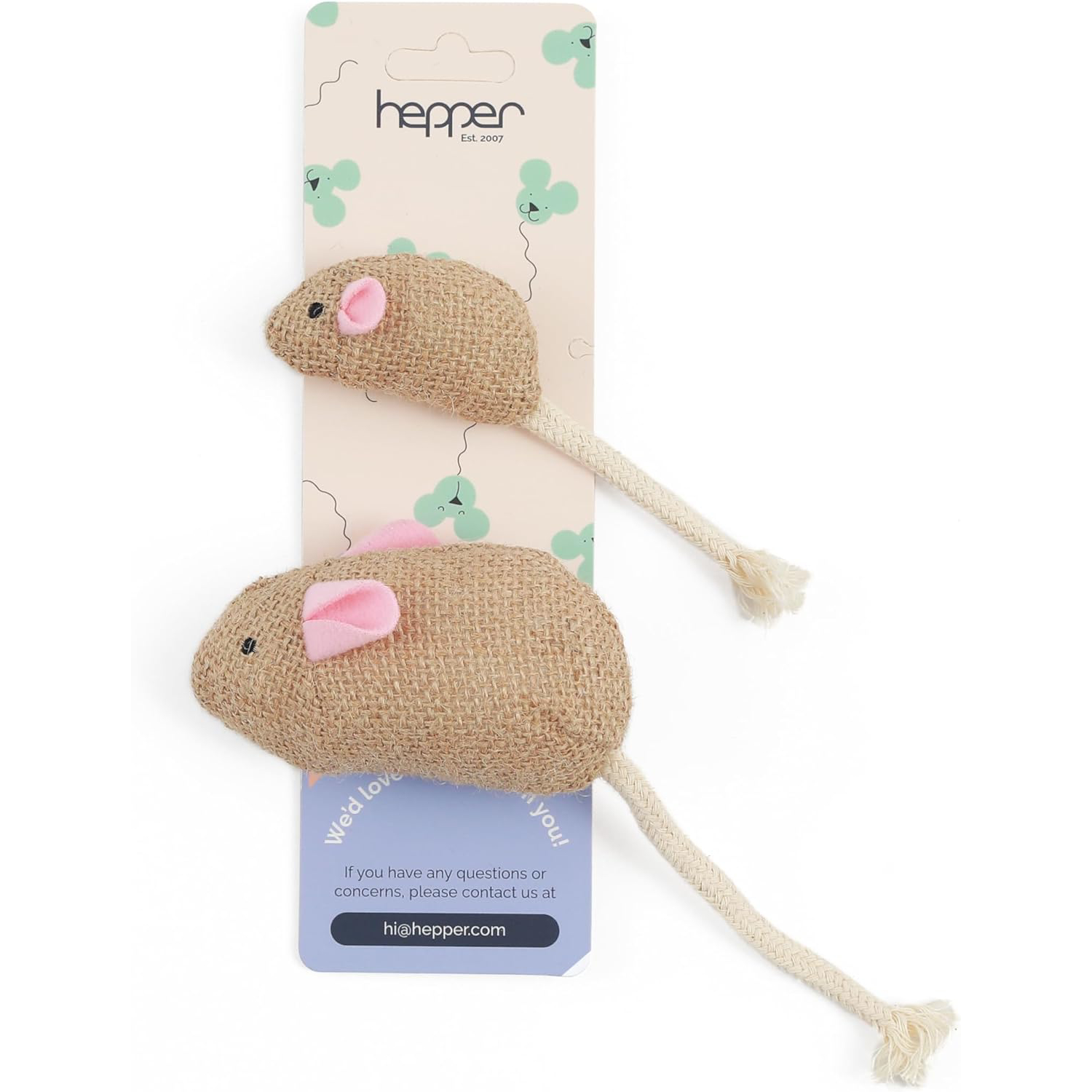
Looking for toys that will cater to the many needs of your cat? The Hepper Hi-lo Cat Scratcher is one of our favorite cat products, and it will encourage your cat to get active. Its clever three-angle design offers multiple ways for your cat to climb, stretch, and exercise. Made of a sturdy plywood base and a replacement cardboard insert, this scratcher is an option that cats can enjoy for years to come. If your cat requires a little encouragement for self-play, the Hepper Catnip Mice Toy Set is a fantastic choice for their instinctual needs. Made with natural, bite-resistant hessian fabric and filled with organic catnip. Cats can satisfy their natural prey instincts while getting the physical activity they need to thrive.
| Image | Product | Details | |
|---|---|---|---|
|
Hepper Hi-Lo Cat Scratcher |
|
Check Price |
|
Hepper Catnip Mice Toy Set |
|
Check Price |
At Catster, we've admired Hepper for many years, and decided to take a controlling ownership interest so that we could benefit from the outstanding designs of this cool cat company!
6. Schedule Check-Ins
If your cat is young or new and doesn’t do well on their own, schedule check-ins. If possible, take time off when you bring a new cat home or plan to pick up your cat ahead of a long weekend to spend some time together before going back to work.
If taking time off isn’t possible, see if a friend or family member can stop in to check on your cat and spend some time with them.
7. Make Your Return Interactive
You’re probably tired when you come home, but celebrate your return with treats and playtime. Your cat has been alone all day and will be excited to see you, so plan some fun before getting settled in. Your cat will eventually look forward to when you come home from work.


Is It Good to Get a Cat if You Work Full-Time?
Many people work full-time, so that’s not a reason not to get a pet. Cats are highly independent and may be a better choice than a dog for people who work full-time, but they still need care and attention. As long as you provide for all of your cat’s needs throughout the day and give your cat plenty of quality time when you come home, they will learn to adjust to their alone time.
That said, it may not be ideal to bring home a kitten or a stressed rescue cat if you work a lot. Some cats are better at being alone than others, so your kitten or rescue may not adjust well to 8 or 9 hours alone during the day. In this case, it’s best to adopt an adult cat breed that’s not particularly clingy.
Conclusion
Cats are great pets for people who work full-time, but they’re not entirely self-reliant. If you provide your cat with everything they need throughout the day, they will be fine on their own while you’re at work. Then, you both can look forward to quality time together when you return.
See Also:
Sources
Featured Image Credit: Maxim Artemchuk, Shutterstock

Expert cat care, straight to your inbox
Vet-reviewed advice, behavior tips, and the best of Catster. Free, and you can unsubscribe anytime.
By signing up, you agree to our Terms & Conditions and Privacy & Cookies Policy.
Christian started writing for a local newspaper as a teenager, and he's been involved in the publishing industry for most of his adult life. Combining his love of writing with a passion for animals, he is currently the Director of Editorial at Pangolia and the Editor-in-Chief at Catster.
Christian lives in the Philippines with his wife, son, and four rescue cats: Trixie, Chloe, Sparky, and Chopper.
Join the conversation
Ask a question, share your story, or send private feedback.