How to Introduce a Kitten to a Cat: 10 Vet-Approved Tips


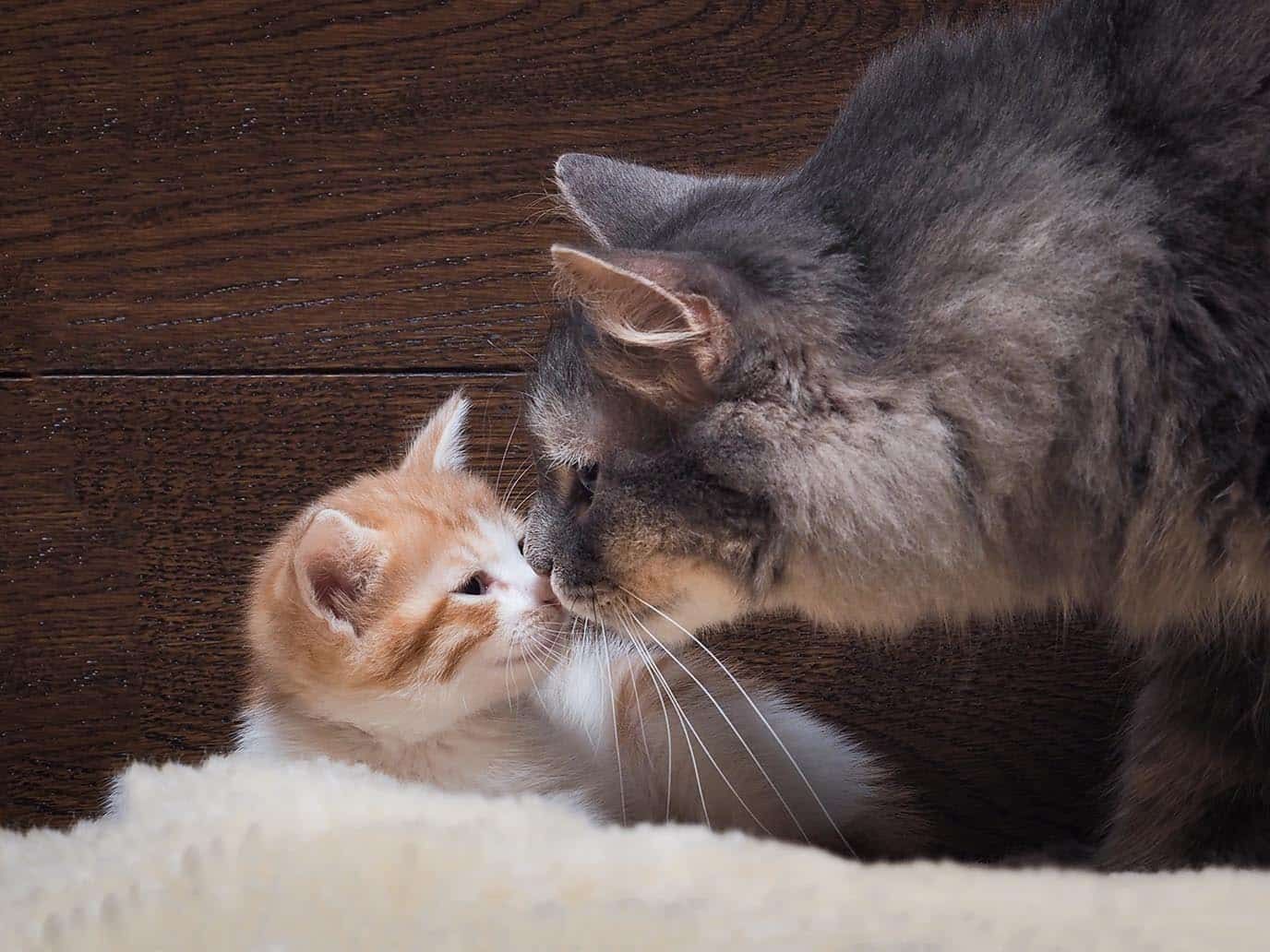
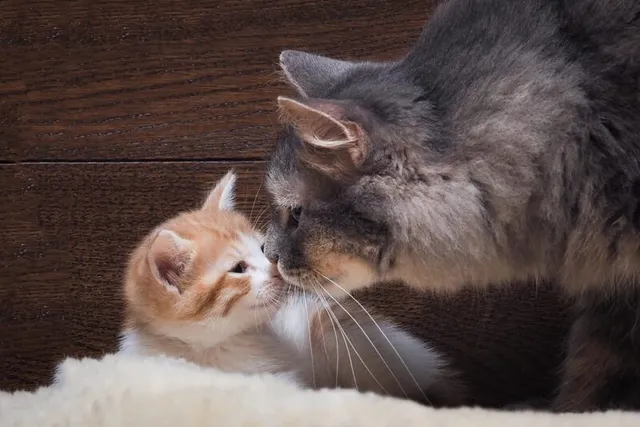
Bringing home a new kitten is an exciting time for any cat owner, but if you already have a cat, you’ll need to think carefully about how to introduce them to their new furry friend. You can follow our vet-approved tips to ensure the initial meetings go smoothly. Before you know it, your cat and kitten will happily spend time in each other’s company. They may even become the best of friends!

The 10 Tips for How to Introduce a Kitten to a Cat
1. Create a safe space for your new kitten

Before you even bring your new kitten home, make sure you have a dedicated space for them in your house. It needs to be a quiet room that your adult cat doesn't have access to. Choose somewhere your cat doesn’t spend much time, like a spare room. Your kitten needs to have somewhere to feel safe to sleep and get used to their new home without being overwhelmed.
Make sure your kitten’s new zone has everything that they need to stay comfortable. You’ll need to include:
2. Take your kitten for a vet check
Next is booking a health check with your vet. Don’t start introductions between your cat and kitten until you’ve been given the all-clear from the vet. They may want to vaccinate your kitten or treat them for parasites and fleas before allowing them to mix with your cat.
Also, ask your vet about the appropriate time to spay or neuter your kitten.
3. Start with scent

Cats can be territorial, so it will take your existing cat time to get used to sharing their territory with another cat. The best way to start this process is before allowing your cat to meet the new kitten eye-to-eye. Cats communicate using scent markers, so the first step in introducing your cat and kitten is to allow them to get used to each other’s scent.
After your kitten has been home a few days and has had all their health checks, place a fleece blanket, cat bed, or another soft item in their room. Do the same with your cat. This item will become saturated with the scent of each cat. After a few days, swap the items between the cat and the kitten. All you need to do is place it in the room and allow your cat or kitten to investigate it in their own time. Don’t be tempted to put the item in their bed and expect them to want to sleep in it, as first, they need to become familiar with the scent of each other.
If either cat has an extreme reaction to the item, like hissing, keep repeating this process and swapping the items between rooms until your cat and kitten are less reactive. You can also use pheromone diffusers to help your cat and kitten feel less anxious.
4. Allow the cat and kitten to see each other

Once your cat and kitten are used to each other’s scent, it’s time for their first face-to-face meeting! It's best to keep it short and sweet. You could install a plastic screen in a door frame so they can see each other but not interact.
The goal is to let each cat observe each other briefly. Depending on their personalities, they may be instantly curious or fearful. Watch both cat’s reactions closely, and don’t move to the next stage until they seem comfortable seeing each other.
5. Do short meetings

Once your cat and kitten get used to seeing each other, it’s time to allow a closer face-to-face meeting. Again, keep the first meetings short, and watch the cat and kitten for any signs of stress or aggression. Older cats can take longer to come around to the idea of accepting a new kitten into their home, and this stage may take time.
6. Feed your cat and kitten together

As your cat and kitten get used to spending short time together, you can start feeding them in the same room. This is an excellent way to get them used to spending time together doing something pleasurable.
Place the food bowls somewhere that your cat and kitten can see each other but not so close that one cat or kitten is tempted to eat the food from the other bowl! Keep these short meetings supervised, and allow your cat and kitten to return to their own spaces once they’ve finished their food. If they want to interact at this point, that’s great! Just ensure you stay with them as they get to know each other.
7. Watch for signs of stress

As your cat and kitten get used to spending more time together, keep an eye on their behavior. Warning signs that you need to go back a few steps include:
If you’re concerned, speak to your vet and ask them if there’s anything else that you can do to reduce the stress or anxiety in either or both cats. You may find that your cat and kitten will start to try to work out where the boundaries between them are. They may play fight, pounce on each other, or compete for their toys.
Watch that none of these interactions escalate into violence. Hissing and puffing up their fur indicates that your cats are not feeling comfortable with each other's presence, so at that point, end the interaction, and allow them both to return to their own safe spaces before trying again later.
8. Offer plenty of treats

Treats almost always help! Make sure you have enough for both cats. When you see them interacting nicely with each other, offer a treat to help reinforce this positive behavior. If you’ve already been training your older cat using positive reinforcement methods, doing the same with your kitten is a great idea.
9. Maintain a routine

A routine can help your cat and kitten feel more confident and secure in their daily life. Try to schedule things like meal times, and stick to a routine with meetings between your cat and kitten. They’ll both need time to relax on their own after meetings, so make sure you give them plenty of time to do so. Keeping to a routine can also help minimize stress.
10. Stay patient!

Introducing a new kitten to your cat can feel like a big step, and you indeed need to prepare to make it a success. But with a little planning and patience, you can look forward to spending time with both your cat and kitten as they get to know each other.

Conclusion
Although some cats and kittens only take a short time to become friends, others require several weeks or more to be comfortable around another feline. Introducing a new kitten to an adult cat is a gradual process you can't rush, and some adults have more problems with a new creature invading their territory. However, if you follow our tips and are patient with the process, your felines will eventually learn to live together.
See Also:
Should I Get a Kitten for My Cat? Vet-Reviewed Introduction Tips & FAQ
How to Introduce Your Cat to a New Cat: 8 Vet Approved Tips & Advice
Featured Image Credit: Irina Kozorog, Shutterstock
Expert cat care, straight to your inbox
News, insights, and useful advice, delivered to you.

No spam — unsubscribe anytime.
By signing up, you agree to our Terms & Conditions and Privacy & Cookies Policy.
How useful was this post?
Click a star to rate. You can leave written feedback afterwards. (We read all feedback.)
Christian started writing for a local newspaper as a teenager, and he's been involved in the publishing industry for most of his adult life. Combining his love of writing with a passion for animals, he is currently the Director of Editorial at Pangolia and the Editor-in-Chief at Catster.
Christian lives in the Philippines with his wife, son, and four rescue cats: Trixie, Chloe, Sparky, and Chopper.