How to Cat-Proof Your House: 11 Vet-Approved Tips


Before you get your heart set on a kitten and bring one home, you should take a moment to do some essential cat-proofing. Cats don’t know how to exist in a human world by default, so you need to make it as safe and hospitable as possible. This ranges from removing dangerous hazards to tidying tips, but all of it will benefit your new cat by keeping them safe! Let’s check out the most important cat-proofing tips just below so you can get started today.

The 11 Tips for Cat-Proofing Your Home
1. Choose Cat-Safe Houseplants

Part of being a cat owner and a plant lover is that you have to make compromises. A fair number of common flowers and houseplants are outright toxic to cats, including some you may have at home. Some folks like to use fake plants to avoid the problem altogether, but you don’t have to go that far. Avoiding the most dangerous plants gives you a pretty good head start. So, let’s review some of those to stay far away from as a new cat owner below.
Keep in mind that there are thousands of plants out there, so it’s impossible to list them all. However, there are a few common ones that you definitely need to keep out of the house. One of the more common, but not well known, is lilies, which can be fatal. This includes Lilium and Hemerocallis species.1
Cats like to nibble on greenery from time to time, so this is the best way to add green to your home without risking danger to your feline friend. Another possibility is fake plants, which don’t need water or regular care and pose no risk to your kitty.
Cat-Safe Houseplants:
- Spider plants
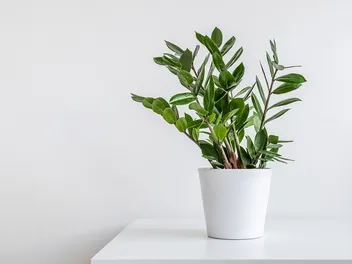
- Chinese money plant
- True ferns
- Roses
- Calathea
- Bamboo
2. Hide Household Hazards

A lot of the stuff around your house can be extremely toxic to your cat if they accidentally get into it. Just like you have to child-proof your home before a new baby arrives, you have to put away the biggest dangers before you bring your kitty home.
It’s best to keep these behind closed doors your cat doesn’t have access to, but child-proofing measures can be effective too.
More Common Household Hazards to Cats:
- Cleaning products (bleach, laundry detergent, ammonia, soaps, etc.)
- Medications
- Cosmetics
- Car products (antifreeze, oil, fuel cleaners, etc.)
- Potpourri
- Essential oils
3. Secure Electrical Cords & Cables

Cats are notorious for playing with cords and don’t know that the fun, tail-like wires can actually hurt them, so it’s up to you to keep your cables out of reach. We recommend using cable protectors to bundle disparate cords and make them nearly chew-proof, and consider mounting your cords onto the undersides of tables or behind furniture your cat can’t access.
This also means hiding your appliance power cords in the kitchen, laundry room, or other rooms your cat has access to. For instance, tuck your vacuum, washer, and dryer power cords behind the machines if possible.
4. Keep Your Doors & Windows Closed

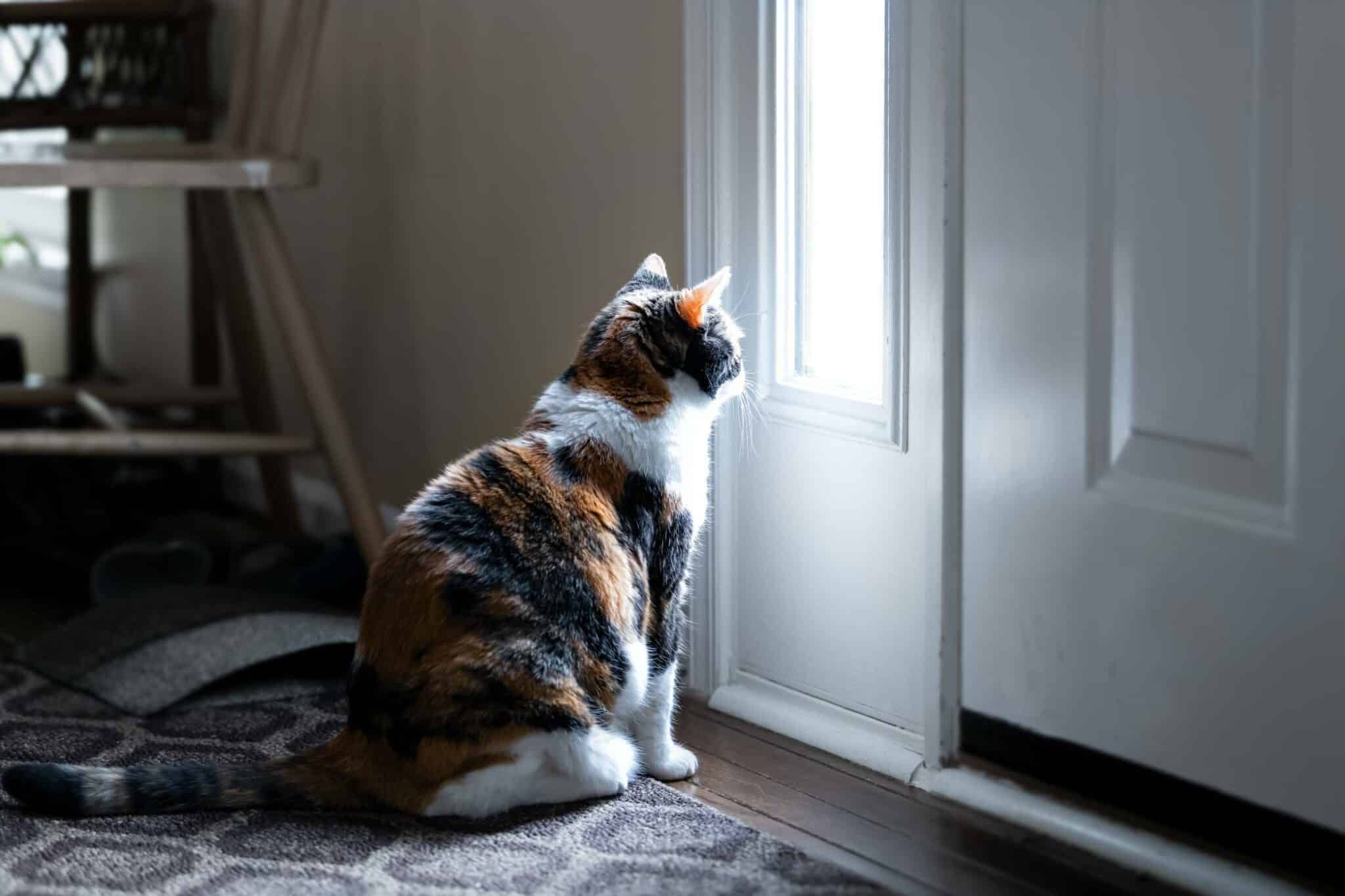
Many cats are smitten with the outdoors and may try to bolt out an open door or window, especially a curious new kitten or an older intact cat trying to find a mate. That makes it vital that you keep all windows and doors closed at all times. It may require a conscious effort every time, but it’ll soon become second nature.
If you open windows for air, make sure you have a 100% secure screen to prevent adventurous kitties from escaping. Cats that fall from great heights can get seriously injured, a condition so common that vets call it high rise syndrome.2
5. Keep Lids Closed

Inquisitive young cats may be drawn to a shiny, warm dryer drum, the running water of a toilet, the smell of food from an open trash lid, or an open washing machine, so you should keep these closed whenever you’re not actively using them. Some cats are enterprising enough to pry open loose lids, so keep an eye out to make sure you don’t need to buy a more secure trash can or perhaps a heavier toilet lid.
Whenever using anything with a lid around the house, get into the habit of checking to make sure your cat didn’t sneak in there before you’re done.
6. Provide Scratching Posts & Pads
Cats have an instinctive need to scratch, and if you don’t accommodate this instinct, you may find your furniture scratched to ribbons! We recommend a two-pronged approach: buy scratching posts and covers to protect your furniture.
Tactile scratching posts are available in every conceivable shape and size, from simple posts to multi-level apartments with cozy nooks for your cat. Scratching pads, sometimes infused with catnip, are a smaller and portable scratching toy that can help add some variety. We suggest at least one scratching post and scratching pad per cat to both help them thrive and save your furniture.
The Hepper Hi-Lo Modern Cat Scratcher is a functional and stylish design that makes it the ultimate scratching spot for your cat – and a superhero in the battle against furniture destruction. Unlike most cat toys that end up being ignored, this one's a crowd-pleaser for both cats and their hoomans.
With its 3 configurations, thick textured cardboard, and solid birch plywood frame, it encourages your cat's natural scratching instincts, so they stay away from your precious furniture, rugs, and curtains, among all other things they shouldn't scratch. The Hi-Lo is like your home's mini guardian, keeping it safe while looking super sleek and trendy.
At Catster, we’ve admired Hepper for many years, and decided to take a controlling ownership interest, so that we could benefit from the outstanding designs of this cool cat company!
7. Keep Up With the Litter Box
Every cat needs their own private litter box to do their business. You should scoop your cat’s box every day and completely replace the litter once a week. Boxes with hoods help keep the mess to a minimum if you dislike stepping on cat litter.
If your cat’s litter box gets too dirty, they may find somewhere else more “suitable” to do their business, like your dirty laundry, so don’t neglect it! Litter liners can help make cleaning and emptying the box easier, but they’re not mandatory.
Combating tough cat litter smells is an ongoing battle for pet parents but luckily, there are products out there designed to help! Two products that significantly reduce odors are the Hepper Litter Additive and the Hepper Enzyme Spray.
| Image | Product | Details | |
|---|---|---|---|

|
Hepper Advanced Bio-Enzyme Pet Stain & Odor Eliminator Spray |
|
Check Price |

|
Advanced Bio-Enzyme Cat Litter Deodorizer |
|
Check Price |
At Catster, we’ve admired Hepper for many years and decided to take a controlling ownership interest so that we could benefit from the outstanding designs of this cool cat company!
8. Cat-Proof Your Blinds
Anything dangly around your home could look like a toy to your new cat, from your blinds to your curtains, decorations, and more. You can buy some cat-safe blinds that don’t use cords at all, or mount a hook next to the blinds where you can wrap the cord to keep it out of feline reach. Any lamps with dangling cords should be moved to hide the cord, or the cord should be shortened so your cat can’t play with it.
9. Secure Furniture

Any and all furniture in your home will be your cat’s personal jungle gym, and there’s little you can do about it except make it safe to play on. Top-heavy furniture is the most dangerous to the unsuspecting cat, like dressers, vanities, bookshelves, nightstands, and entertainment centers. When possible, you should secure your furniture to the studs in your walls and keep your shelving more stable by not overloading top levels with objects. Go around your house and lightly shake any potential offenders to see if they’re sturdy enough to withstand feline frolicking and reinforce them as necessary.
10. Kitchen Cat-Proofing

Kitchens can be very dangerous to the sly, hungry cat, and you should keep your wits about you any time you cook. Knives, kitchen appliances like food processors, ovens, rangetop stoves, and pots of boiling liquids can seriously injure your cat. Keep these objects put away when not in use and keep your countertops wiped down so your cat is less likely to jump up there in search of food.
11. Holiday Decorating With Cats

Your new cat will drastically affect how you decorate your home during the holidays. Tinsel should be avoided altogether because it can become an intestinal blockage, and you should expect your cat to knock down ornaments. Put breakable ornaments or sentimental decor closer to the trunk on the higher branches, out of your cat’s reach. It’s also important to turn the lights off when you’re not around because your cat might be tempted to climb the tree to attack them.

Conclusion
Cat-proofing doesn’t have to be an expensive, drawn-out affair. It’s really just a painless safety checklist with one or two major considerations like furniture or scratching posts. It can be hard to remember all of these off the top of your head, which is why we suggest saving this page for easy reference later.
Sources
Featured Image Credit: Andriy Blokhin, Shutterstock
Expert cat care, straight to your inbox
News, insights, and useful advice, delivered to you.

No spam — unsubscribe anytime.
By signing up, you agree to our Terms & Conditions and Privacy & Cookies Policy.
How useful was this post?
Click a star to rate. You can leave written feedback afterwards. (We read all feedback.)
Codee Chessher is a freelance writer with extensive knowledge on a variety of subjects that include travel, DIY, pets, and more. He has a colorful past but the written word was always his first love. He believes there's nothing a well-worded sentence can't accomplish!
When not writing, Codee enjoys reading fantasy novels, tackling DIY projects around the house, and memorizing useless pop culture trivia. He has lived in many places around the US, and most recently resides in northern Mexico.