How Do Tabby Cats Get Their Stripes? Vet-Verified Facts & Info

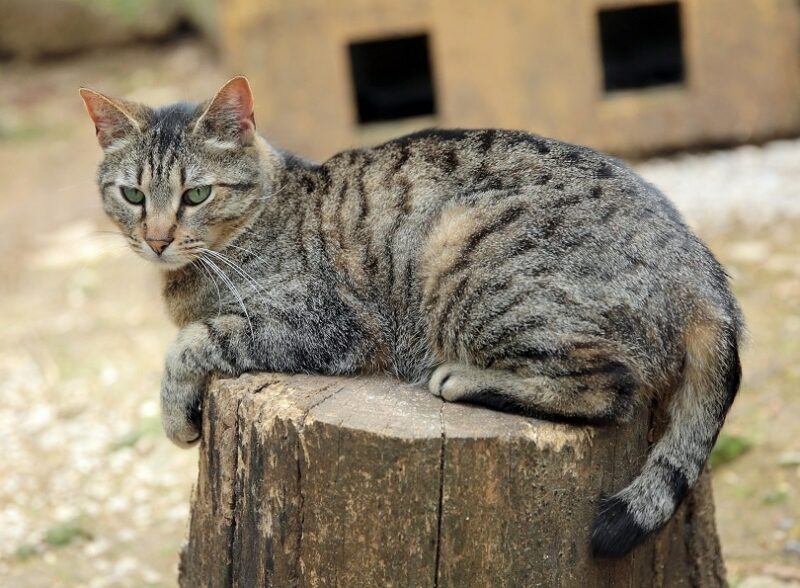
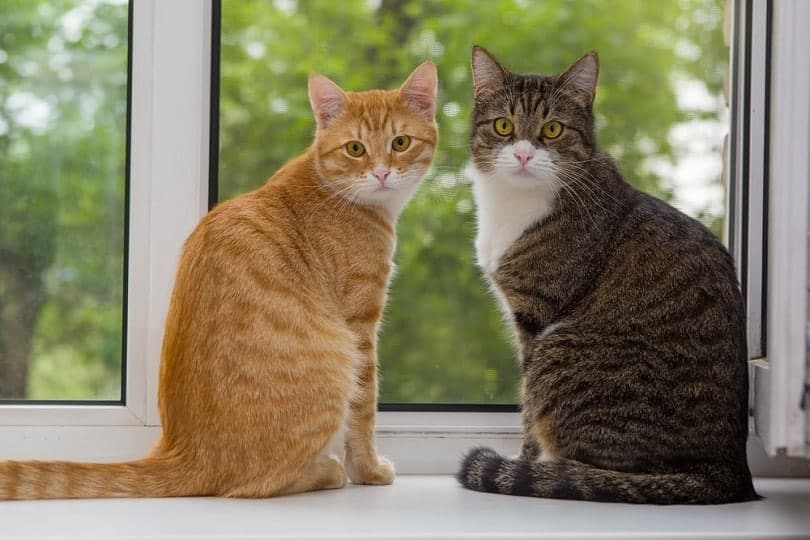
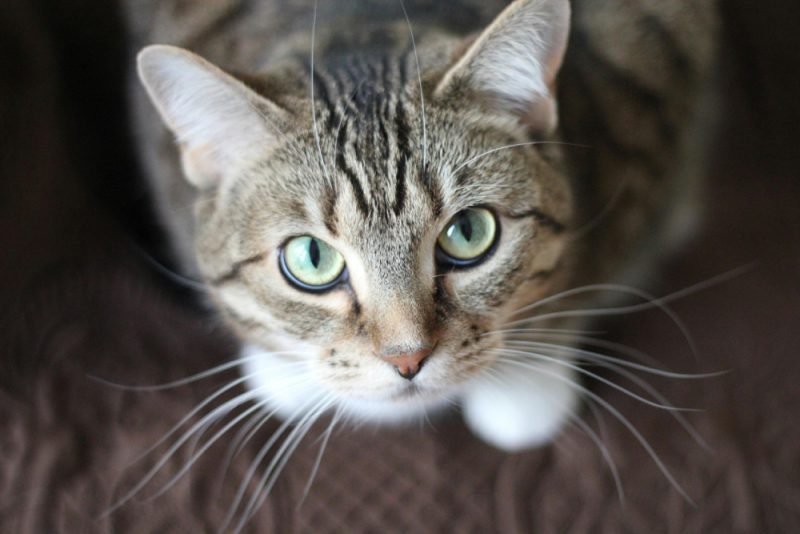
The tabby cat can differ in appearance, from stripes to spots, whorls, and more. All of these variations have their own names, but typically an “M” is marked on the head of a tabby, just above the eyes. We see this pattern across a wide range of pure and mixed-breed cats, but where exactly does it come from? Well, it turns out the tabby gets their stripes from the same place the cheetah gets their spots: genetics. So, let’s take a closer look at this below.

Where Do Tabby Cats Come From?
The tabby cat genes can be traced back 9,000–10,000 years to the domestication of the African wildcat. It’s thought that the array of patterns we see today in tabby cats started with the mackerel pattern and is the closest to the natural pattern of the African wildcat. Other tabby patterns occurred from spontaneous genetic mutations and later selective breeding.

What Does Science Say?
While we have a rough idea of how long tabbies have been with us, researchers are still working on understanding what made their fur look the way it does. In a study published in Science, all the mackerel tabbies had a normal version of a gene called Transmembrane Aminopeptidase Q (Taqpep), while all the blotched tabbies had a mutated form of the gene.1
The Taqpep gene establishes the pattern of a cat’s coat while still in the womb, likely by influencing the distribution of signaling pathways that affect pigment cell development. It remains unknown why some domestic cats don’t have any pattern at all despite the status of their Taqpep gene.
Variants in this gene are responsible for the arrangement of the color patterns, and their expression will depend on the A-Locus (agouti signaling protein gene).2 Of course, further mutations can occur, which result in different coat colors and patterns, like thinner stripes, various-sized spots, or alterations in pigmentation.
The 5 Types of Tabby Coat Patterns
1. Classic Tabby
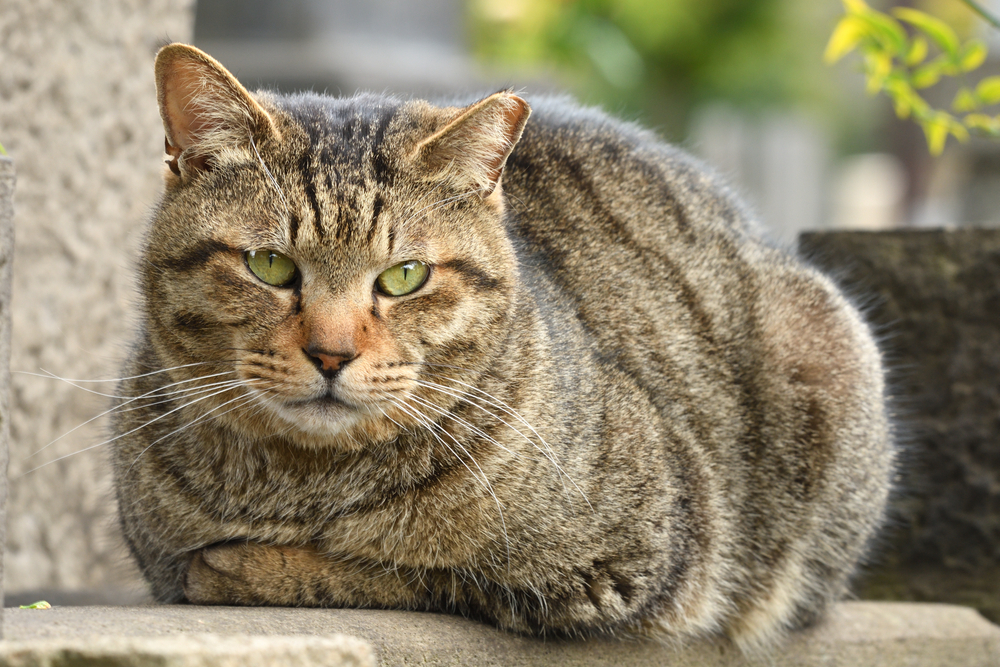
The classic pattern is made up of whorls, which create a shape resembling a target on the side and, as a result, is sometimes known as the “blotched tabby”, as this pattern is a more recent mutation.
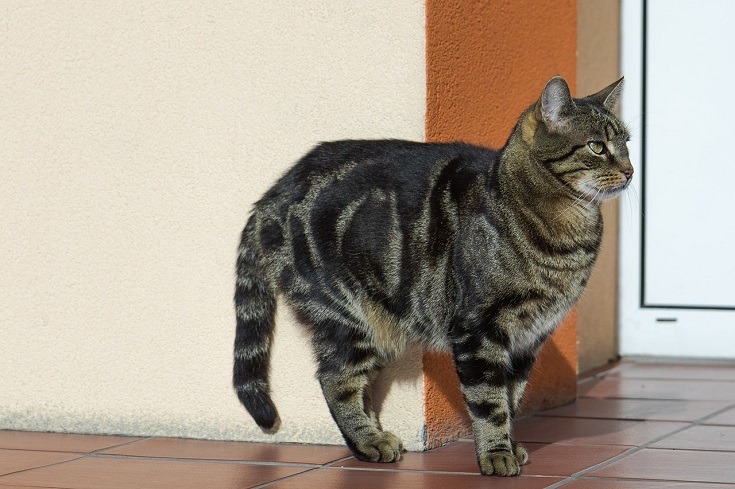
2. Mackerel Tabby
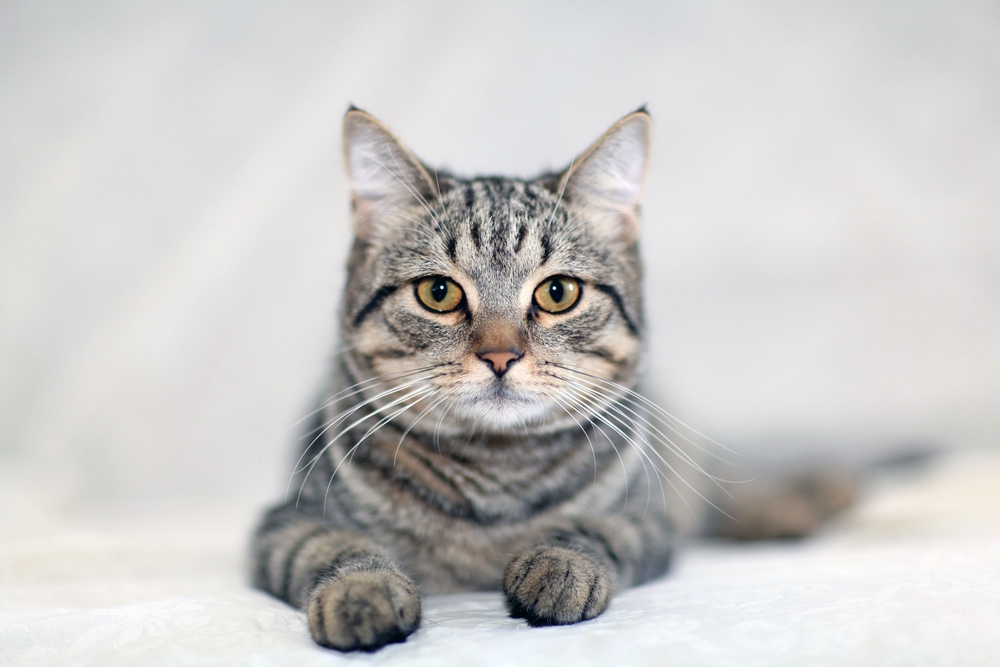
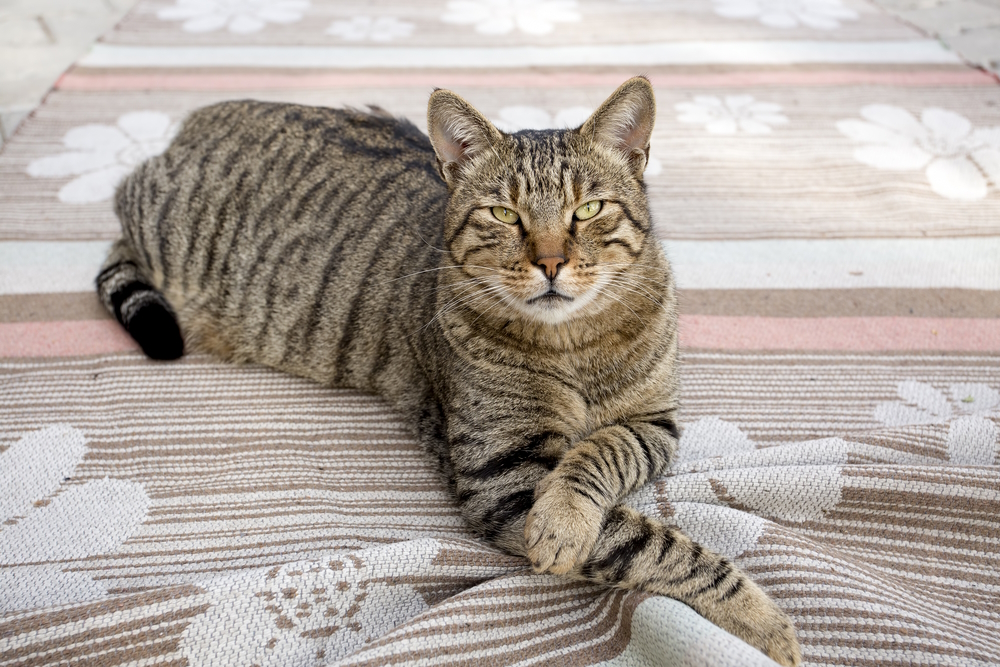
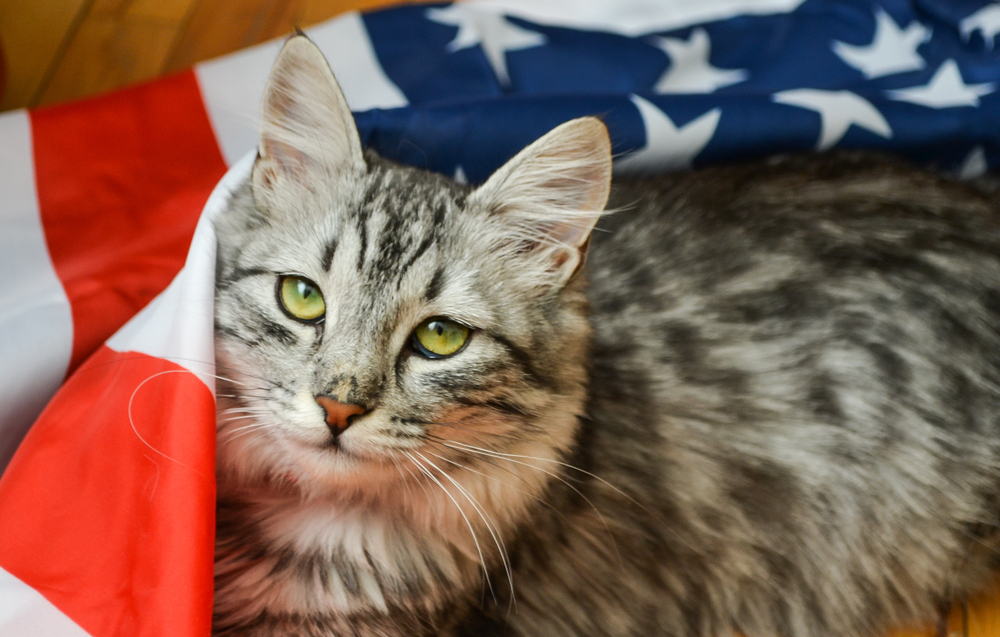
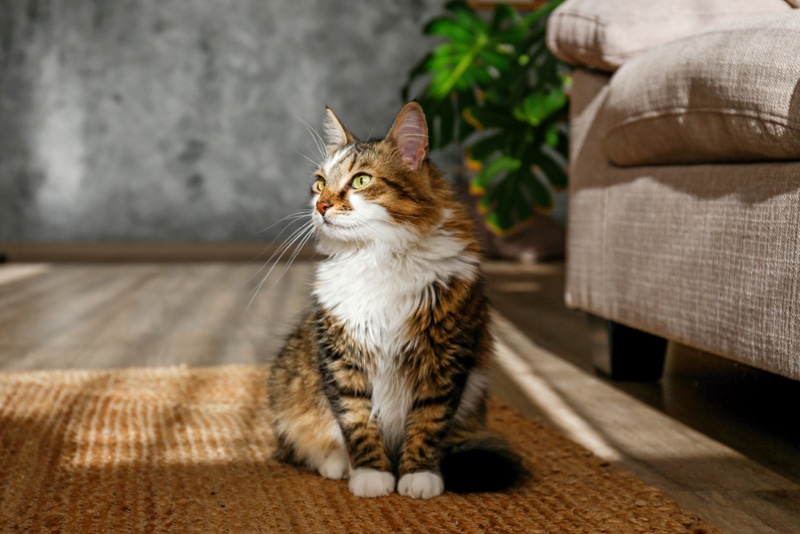
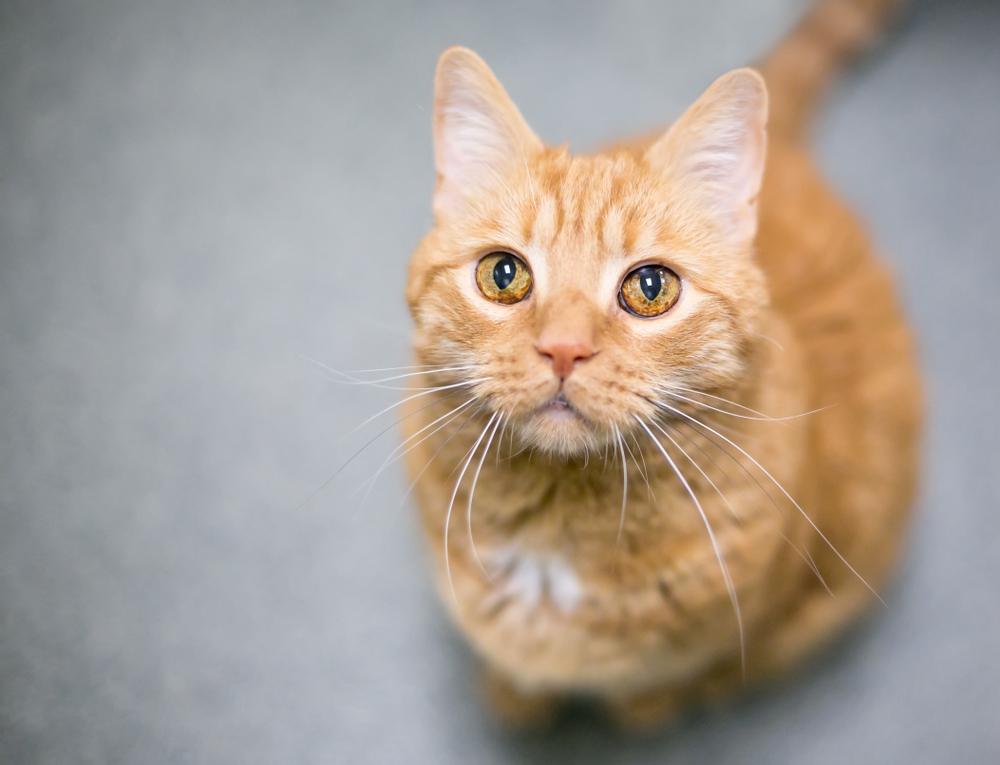
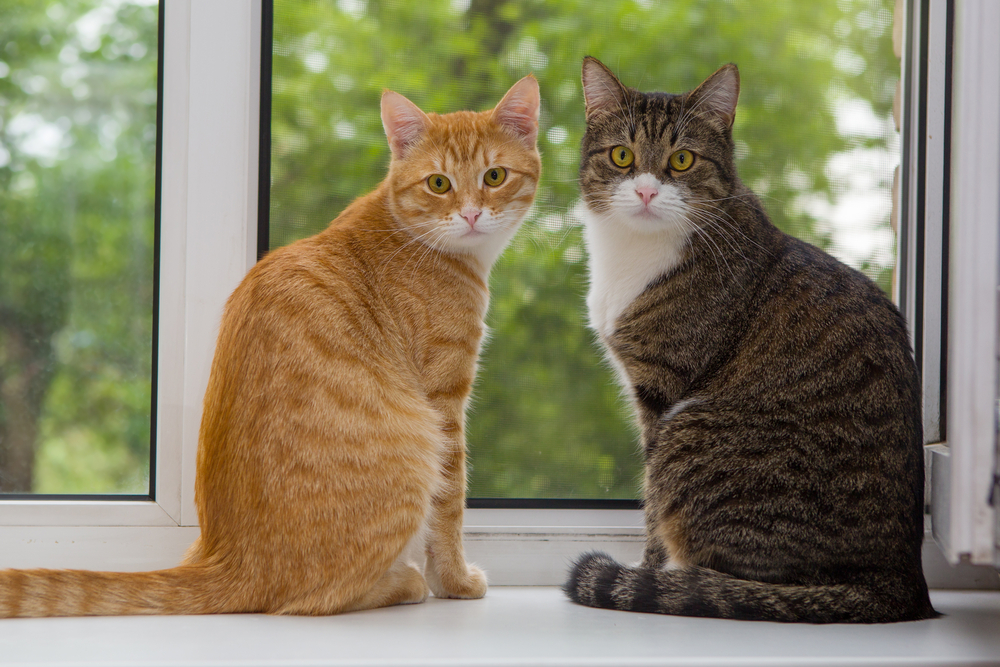
The Mackerel tabby has rings around the legs and tail with bands of solid or broken stripes around their body. These stripes may also branch out and resemble a fish skeleton, which is where the name came from.

3. Spotted Tabby
The spotted tabby has spots, and these spots can vary in size. They can also resemble broken stripes, which you find on the mackerel tabby.

4. Patched Tabby
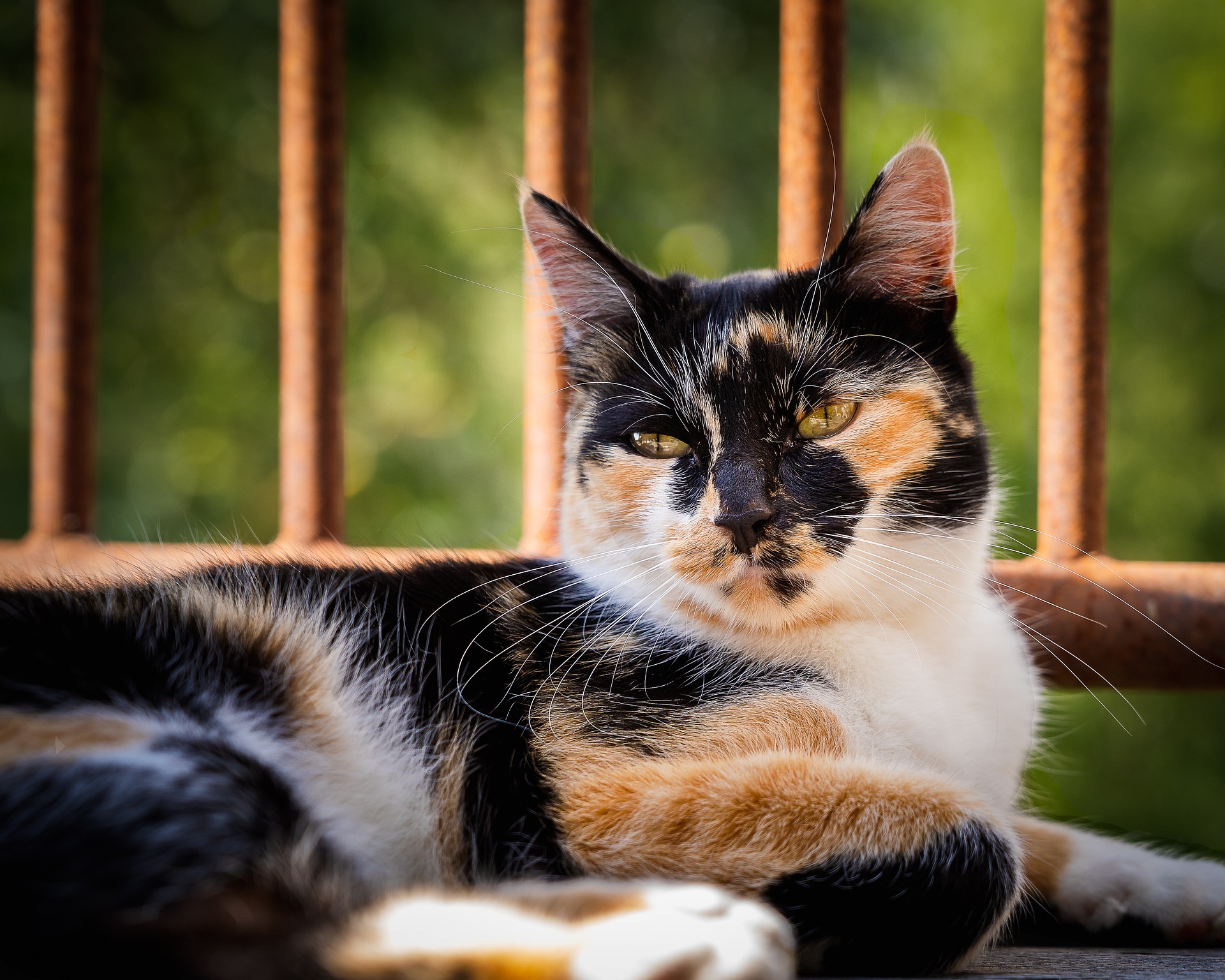
Patches of dark or grayish brown, red, or orange with the tabby pattern throughout make up the patched tabby. They are sometimes referred to as torbies because the pattern is similar to what you’d find on the shell of a tortoise. The markings are usually more apparent on the head and legs.

5. Ticked Tabby
A ticked tabby is sometimes known as the Abyssinian tabby or agouti tabby and doesn’t have traditional spots or stripes. At first glance, they might not even look like a tabby. However, on closer inspection, you’ll notice the tabby pattern on the face and sometimes the legs, with light and dark bands on each individual hair shaft.


Final Thoughts
Tabby cats are one of the most popular coat patterns in cats, but you might not have considered the science behind your cat’s stripes until now. The reason your tabby cat has stripes was determined genetically, before hair follicles and coat developed in the embryo. If you’ve never really thought about what type of tabby your cat is, look at the patterns on their coat to help you figure it out!
Featured Image Credit: No-longer-here, Pixabay
Sources
Developmental genetics of color pattern establishment in cats | Nature Communications
Specifying and Sustaining Pigmentation Patterns in Domestic and Wild Cats - PMC.
Same Gene Guides Cheetah and Tabby Cat Coat Patterns | Science| Smithsonian Magazine
LABOKLIN (UK)| Coat Colours / Length | Cats| Mackerel Tabby and Blotched Tabby (Taqpep)

Expert cat care, straight to your inbox
Vet-reviewed advice, behavior tips, and the best of Catster. Free, and you can unsubscribe anytime.
By signing up, you agree to our Terms & Conditions and Privacy & Cookies Policy.
Kerry-Ann lives in Scotland and would love to have a bigger garden so she could have her very own Highland cow. But her dogs probably wouldn’t like that idea very much. She has a La Chon called Harry who was sick with a liver shunt when he was a puppy. It wasn't likely he would make it into adulthood, which was difficult to comprehend, but he beat the odds and is a healthy old man now. She also has a Pug called Maddie who is a big foodie. She’s small, sassy, and every day she finds a new way to wind her brother up.
When she isn’t writing you can find Kerry-Ann going for long walks when it isn't raining, reading, or watching cartoons. She would one day like to be a tourist in her own country and travel through the Highlands with her family.
Join the conversation
Ask a question, share your story, or send private feedback.