Classic vs Mackerel Tabby: Key Differences (With Pictures)


In this article
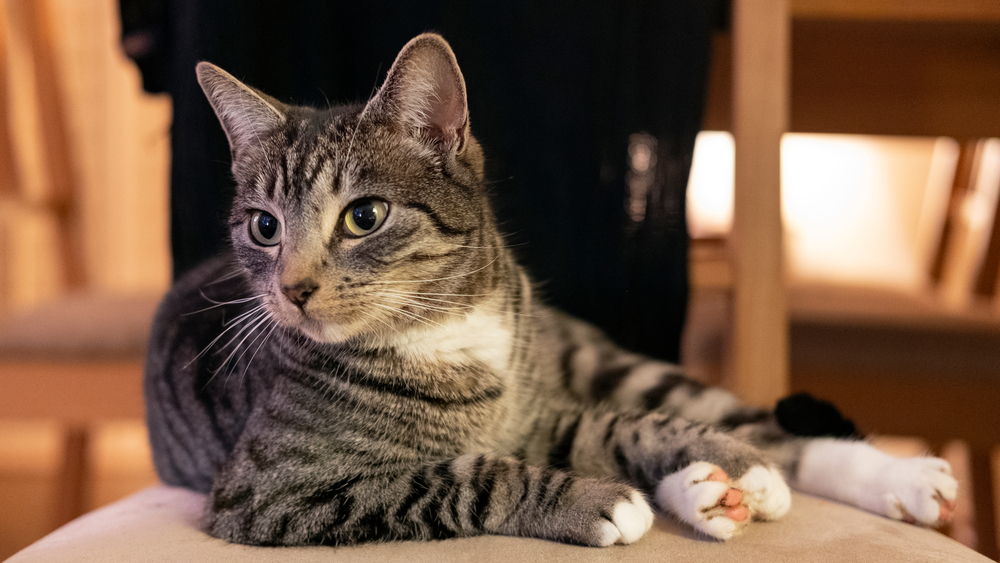
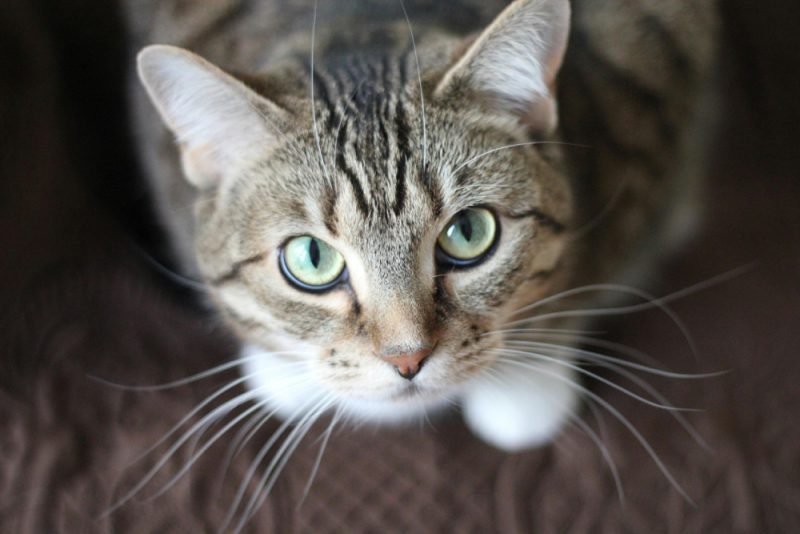
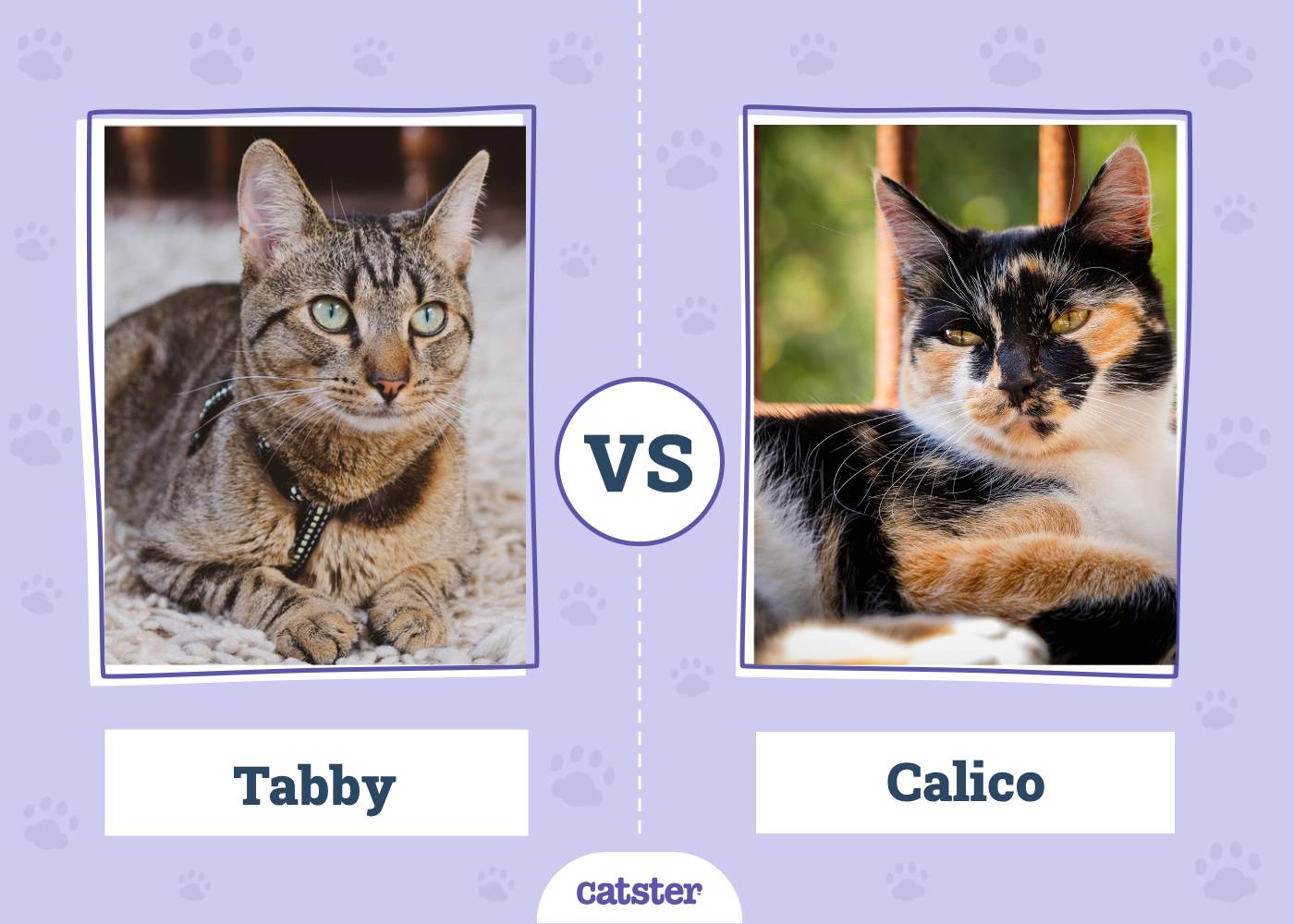
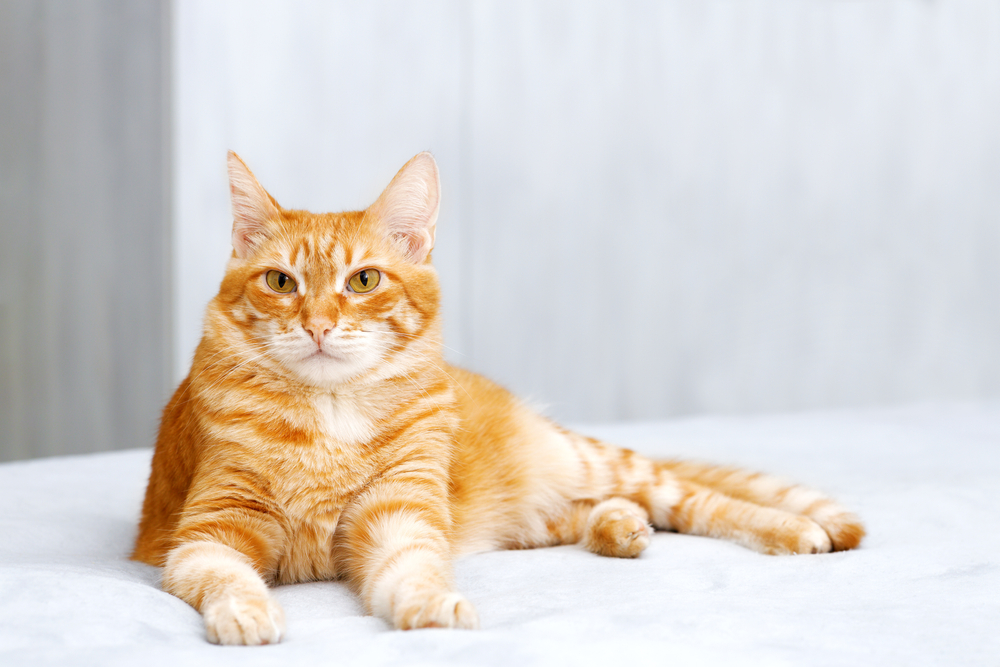
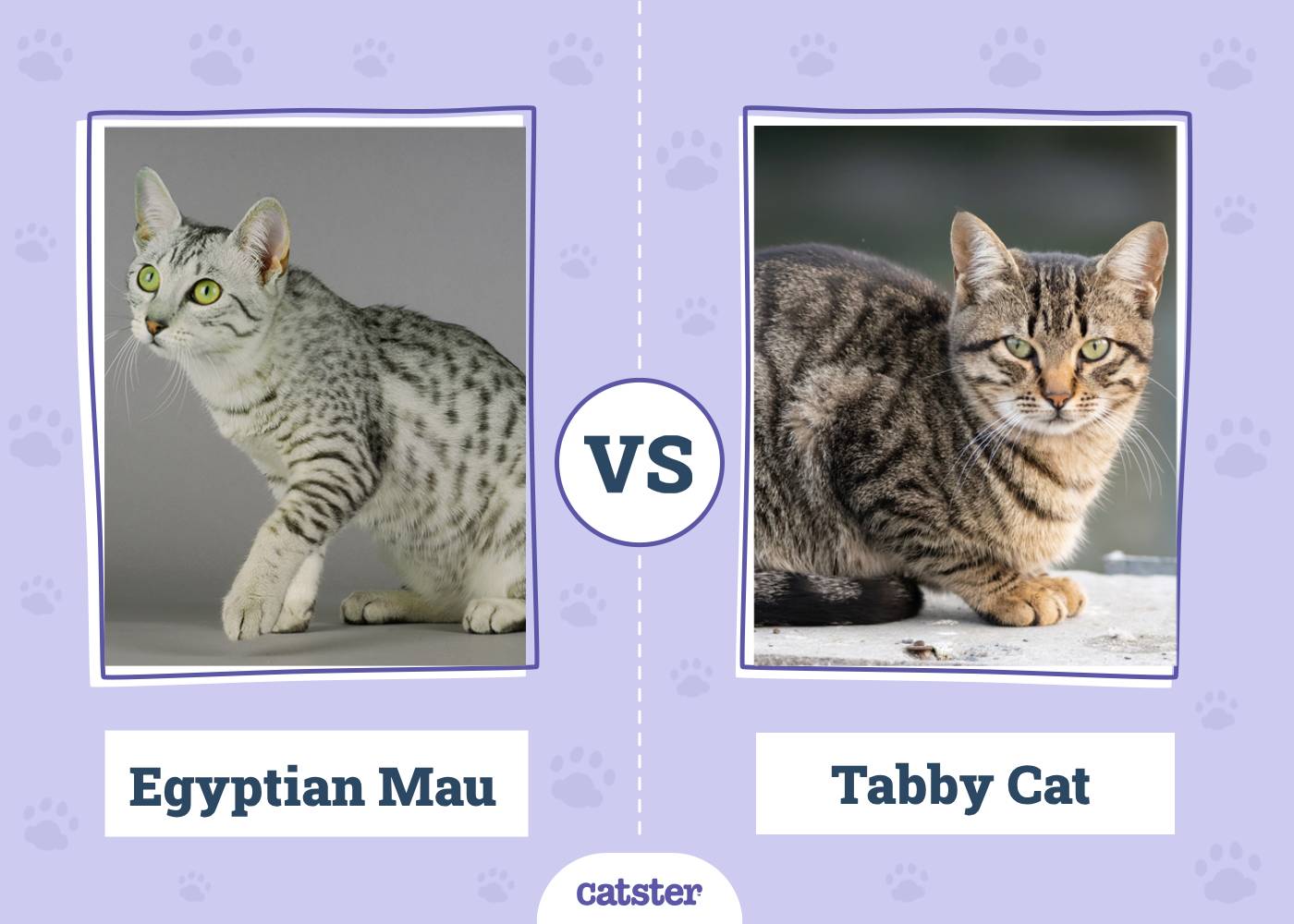
Contrary to popular belief, a Tabby is not a breed but a type of pattern found in almost all cat breeds. Tabby patterning is one of the most commonly seen patterns across all breeds, and due to basic feline genetics, most cats are born with tabby markings in their DNA, even if you can’t see them. Some cats look solid-colored because other genes cover up the tabby pattern, not because it isn’t there. Tabbies can come in almost any color variation, including brown, black, gray, orange, or ginger.
The Tabby pattern is caused by the agouti gene, characterized by individual hairs having bands of light and dark coloring, which can result in stripes, spots, swirls, or a combination of these markings. The Classic Tabby and Mackerel Tabby are two popular and commonly found Tabby patterns, and in this article, we will take a look at the key differences between the two.

Visual Differences

Classic Tabby vs Mackerel Tabby at a Glance

Classic Tabby Overview

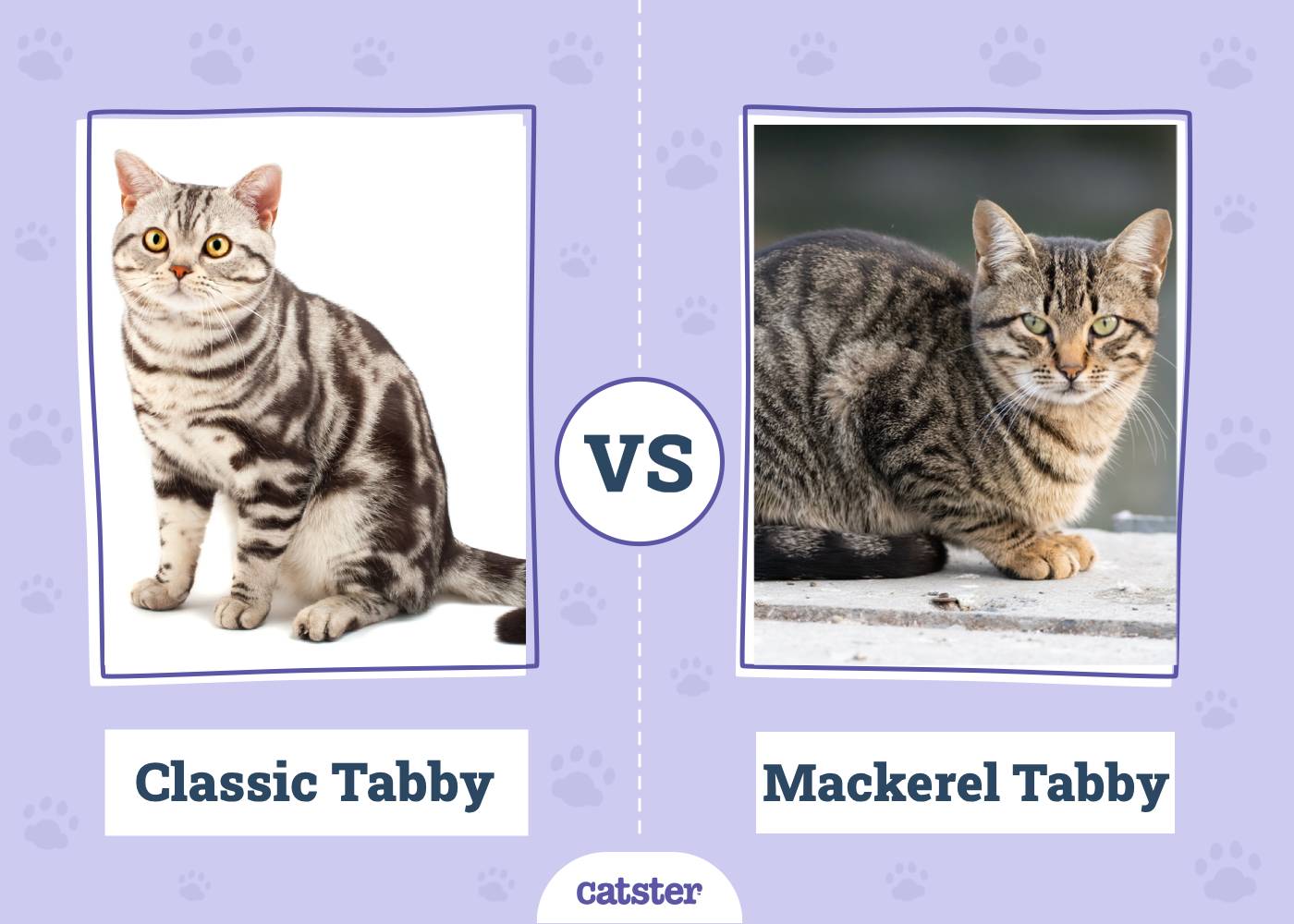
The Classic Tabby pattern is also known as the marbled or blotched tabby pattern and is defined by the thick, curving bands of color that often swirl into a bullseye on the side of the cat's body. Like all Tabbies, they have the characteristic "M" marking on their forehead, usually matching the color of the bands of darker color throughout their bodies. In the United Kingdom, Classic Tabbies are commonly observed, and they are also widely seen in the United States.
Classic Tabbies usually have lighter-colored butterfly markings on their shoulders, with three distinctive stripes running down their backs along their spine, with the center stripe often being thicker and darker than the other two. They have thick stripes and bands on the legs, tail, and cheeks, with varying shades of darker-colored bands throughout their bodies.
Personality / Character
The Classic Tabby is typically an intelligent, friendly, and sociable animal, regardless of breed. Although these are somewhat generalized traits, many Tabby owners report that Classic Tabby cats are often affectionate and loving animals. They are playful animals that are generally not aggressive or moody, and since they have been so closely associated with human companionship for centuries, the Classic Tabby is often considered a great family pet. This is likely influenced more by early socialization, positive human interaction, and a stable environment than by tabby patterning itself, as past experiences play a major role in shaping feline behavior and emotional security.

Training & Exercise
All cats, regardless of breed or patterning, require regular exercise to stay healthy and happy. Depending on their size and age, they'll need around 20–40 minutes of interactive exercise per day. This shouldn't be much of an issue, as most Tabbies love a good play session and love to be around their owners. They are generally easy to train and can be house-trained in no time.
Suitability
The Classic Tabby is often considered an ideal family cat. They are affectionate, loving, and easy-going animals that make a great addition to many family homes. They are typically not overly needy or attention-seeking and are often comfortable spending time alone, provided their physical and emotional needs are met, as well as interacting with their family.
Mackerel Tabby Overview

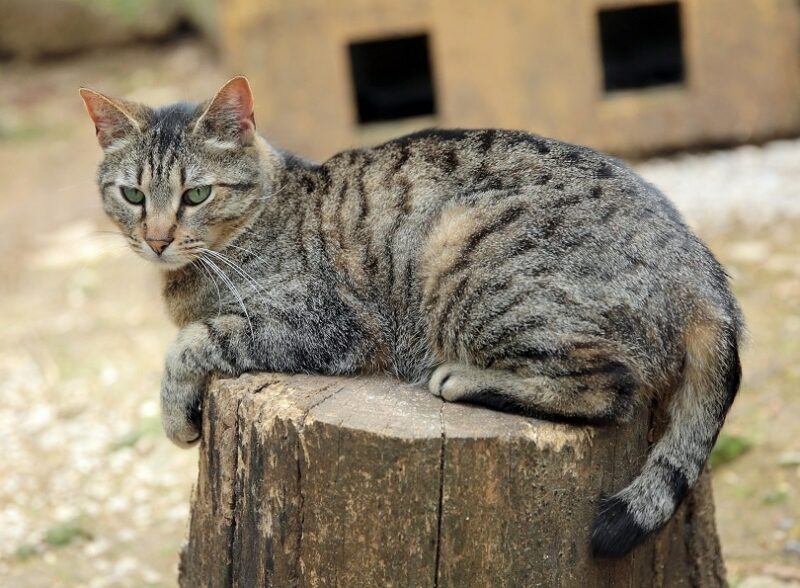
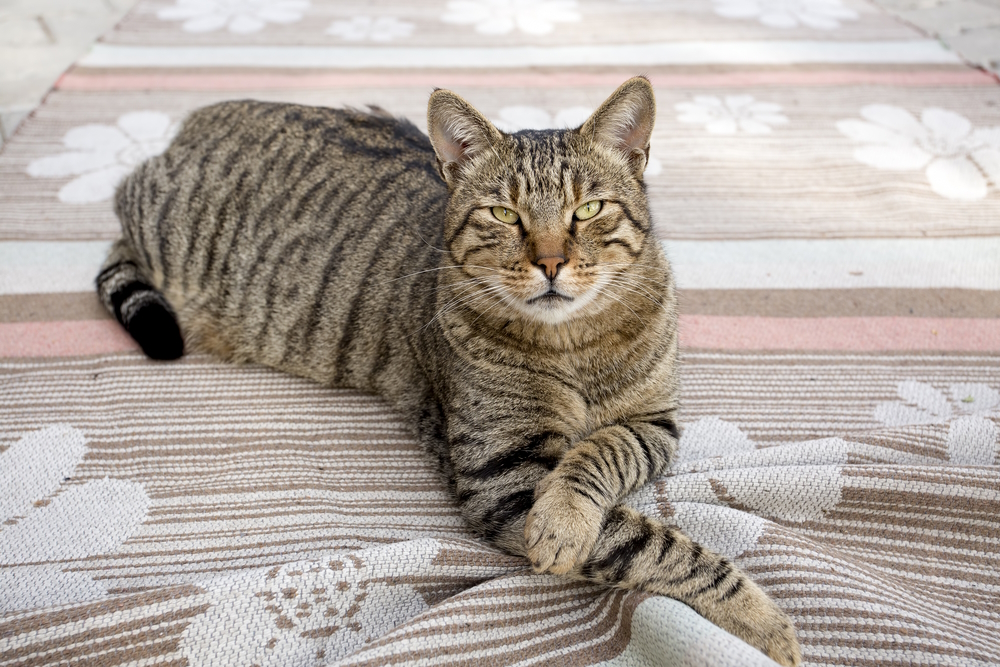
The Mackerel Tabby has slender, curving stripes throughout its body, which may be broken into shorter segments resembling spots, especially on the belly and legs, or continue unbroken. They also have the characteristic "M" marking on their forehead, along with dark stripes crossing vertically up toward their ears and dark lines crossing from the corners of their eyes.
They have a single stripe running down their backs that branches out around their bodies, giving the appearance of a fish skeleton, and this is where the unique pattern gets its name. Mackerel Tabbies are among the most commonly seen Tabby patterns, and this is the pattern that most people think of when the term Tabby is used.
Personality / Character
Mackerel Tabbies are friendly and affectionate cats in general, and the dominant gene that causes their unique patterning has been present in domestic cats for centuries alongside human domestication. They are considered to be intelligent cats that are easy-going and full of character, and they generally make great family pets, no matter the breed. Ginger or Red Mackerel Tabbies are sometimes described as feisty and bossy at times, but there is no scientific evidence linking coat color to personality, and these traits are more likely related to individual temperament and environment than genetics alone.

Training & Exercise
The Mackerel Tabby, like any other cat, needs dedicated interactive exercise every day. They love to play, so games that involve chasing and hunting with toys are often a sure winner. Around 20-40 minutes a day is ideal, depending on their size and age, but they'll soon let you know when they've had enough!
Suitability
The Mackerel Tabby is, like most Tabby variations, often considered a wonderful family animal. These cats are generally gentle, affectionate, and loving animals that have a long history of being close to humans. Of course, Tabby markings can occur in almost any breed, so this is somewhat of a generalization, but most Tabby owners will attest to their typically loving and affectionate behavior! This may be because cats that are raised by attentive, loving owners are more likely to feel safe and secure, as early experiences, handling, and environment play a much larger role in personality development than coat pattern or genetics alone.
What Are the Differences?
Both Classic Tabbies and Mackerel Tabbies can occur in any breed and can come in a wide variety of sizes and colors. They can also vary widely in temperament, but in general, anecdotal reports suggest that Tabby variations are often considered among the most family-friendly felines despite their wild-looking markings.
Classic and Mackerel Tabbies are easy to tell apart once you know what to look for. Classic Tabbies have swirled, randomized banding and patterning, with distinctive butterfly markings on their shoulders, bullseye markings on their sides, and three distinct stripes running down the length of their spines.
Mackerel Tabbies, on the other hand, have thinner, more evenly spaced striping throughout their bodies that may break into smaller segments, with a single stripe running down their spines that branches into a distinctive "fish-skeleton" pattern.
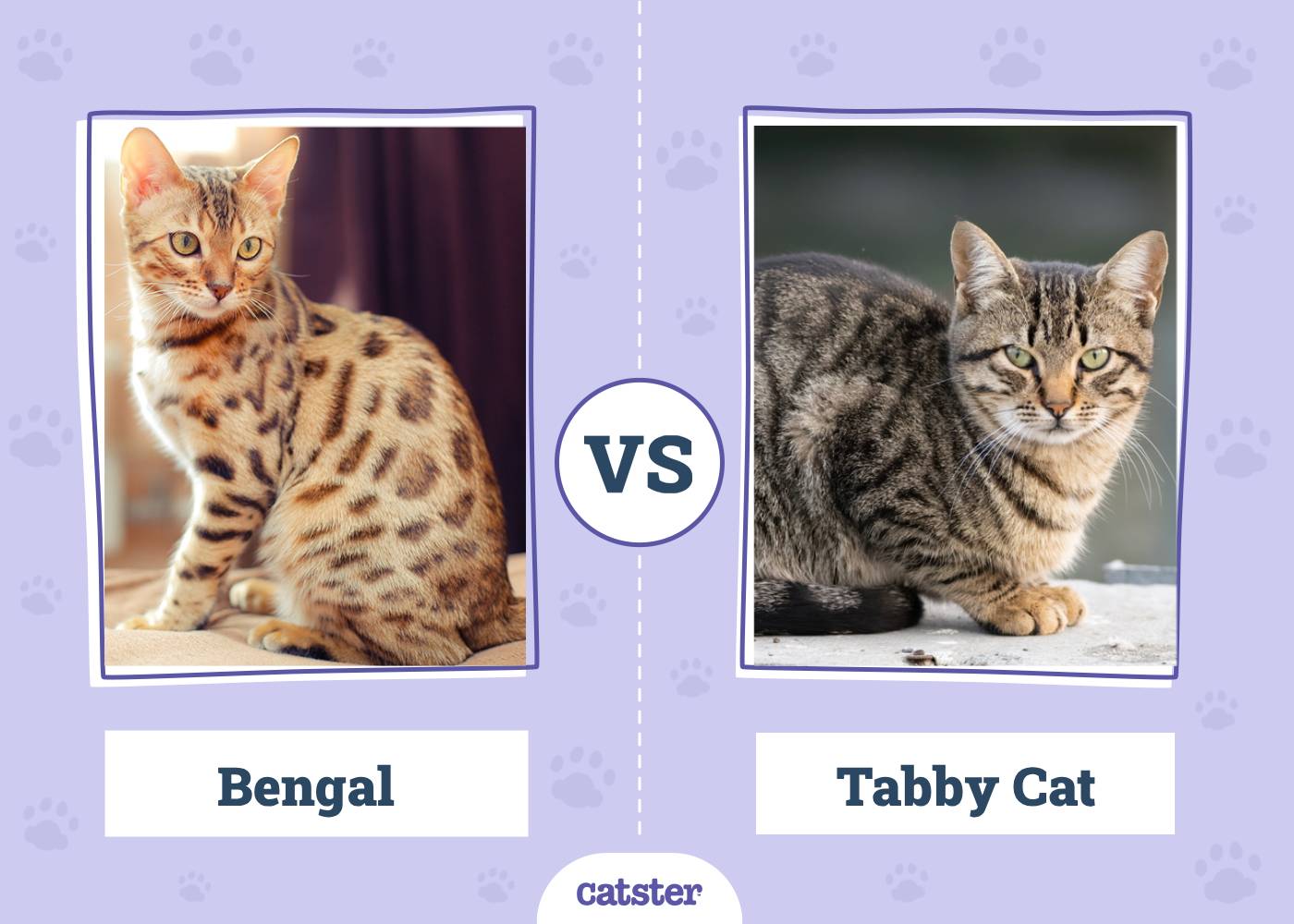
Featured Image Credit: Left - Vladyslav Starozhylov, Shutterstock | Right - Burhan Oral GUDU, Shutterstock

Expert cat care, straight to your inbox
Vet-reviewed advice, behavior tips, and the best of Catster. Free, and you can unsubscribe anytime.
By signing up, you agree to our Terms & Conditions and Privacy & Cookies Policy.
Christian started writing for a local newspaper as a teenager, and he's been involved in the publishing industry for most of his adult life. Combining his love of writing with a passion for animals, he is currently the Director of Editorial at Pangolia and the Editor-in-Chief at Catster.
Christian lives in the Philippines with his wife, son, and four rescue cats: Trixie, Chloe, Sparky, and Chopper.
Join the conversation
Ask a question, share your story, or send private feedback.