Dwarfism in Cats: Causes & Care Tips (Vet-Verified)


In this article
Different cat breeds are predisposed to certain genetic conditions, and knowing which conditions your cat may be prone to can help you prepare preventative care for your pet. While not all genetic conditions are easily observed, some are much more obvious. One such example is achondroplasia, more commonly referred to as dwarfism, which results in abnormally short limbs.
If you have a dwarf cat, their care needs to be adapted for their condition. In this article, we will discuss how to best care for a cat with dwarfism, and examine the signs of dwarfism so you can recognise them more easily.

What Is Dwarfism?
Dwarfism is a heritable condition derived from a single, naturally occurring mutation, and the existence of cats with dwarfism has been recorded for generations. This condition is somewhat unique in the way that it is publicly perceived.
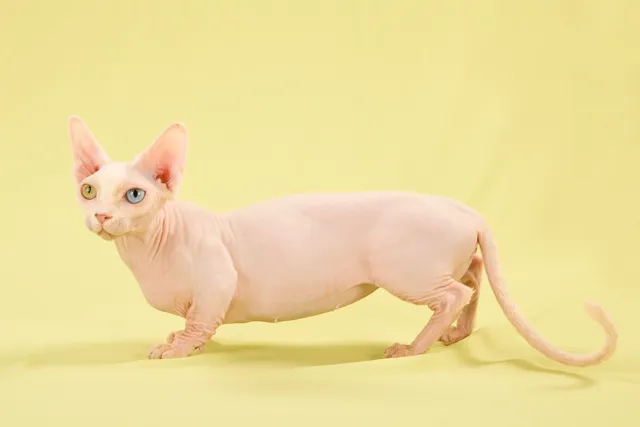
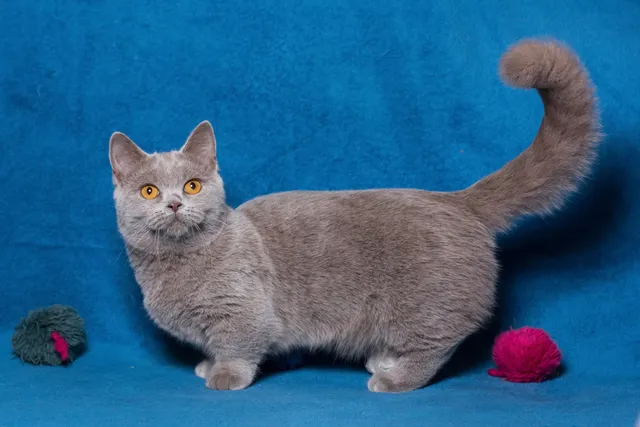
Unlike most genetic disorders, many cat breeders covet and even encourage the presence of dwarfism. Cats with dwarfism have short, stubby legs that are widely seen as adorable. If you spend any time on the internet looking at cat videos, you’ve seen plenty of clips of stout, low-riding kitties that capture hundreds of thousands of hearts all across the world.
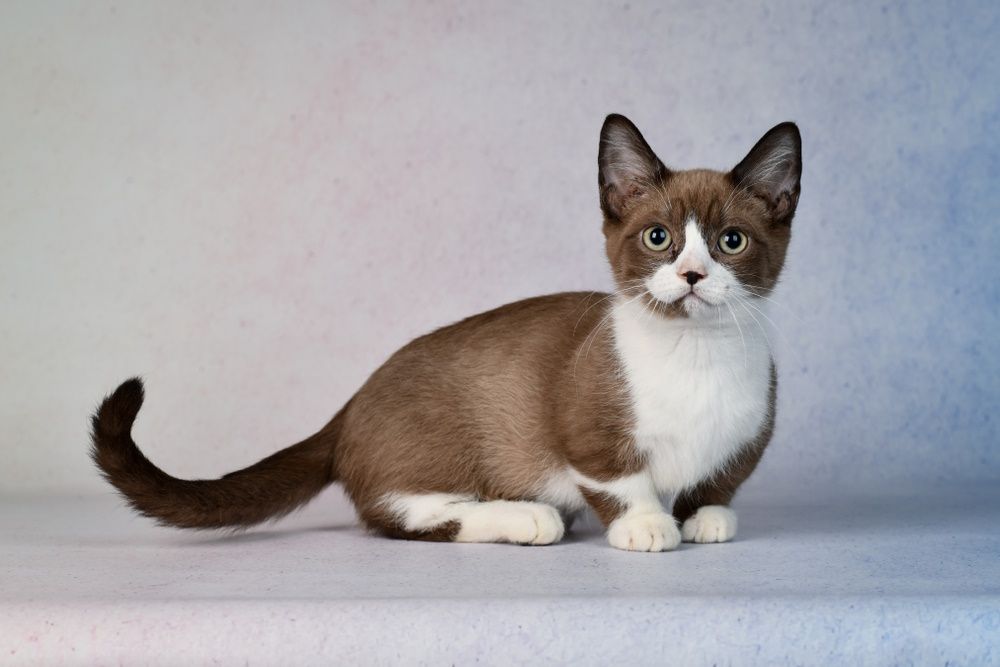
The Munchkin is a breed of cat that is sadly increasing in popularity, largely due to the fact that many people are not aware of the serious health implications of selectively breeding cats with this health condition. Dwarf kittens that inherit two copies of the dwarfism gene usually die before birth.
As adorable as these miniature cats may appear, dwarfism is still a genetic condition, and there are often negative consequences. Cats with dwarfism experience an impediment to developing proper cartilage and bone structures, and suffer from early onset osteoarthritis. While cute, such a stark adjustment to the cat’s body can throw other parts of the body out of balance and contribute to health conditions later in life.


What Are the Signs of Dwarfism?
If you are uncertain whether your cat has dwarfism, there are some notable signs that you can look for. These signs include:
- A head that is disproportionate to the body
- A short nose often coupled with an undershot jaw
- Abnormal bone shapes
- A shorter jaw, often causing crooked teeth
- Limb bones that are shorter than average
- Joints that appear enlarged
- A lack of sufficient bodily growth
- Spinal deviation
- Forelimbs that are bowing sideways, most often the front legs
If you suspect your cat has dwarfism or notice any of these signs, contact a vet for a consultation. They can diagnose your cat and provide you with information and resources to ensure the best quality of life for your pet.
What Are the Causes of Dwarfism?
Dwarfism is a genetic condition, and a cat inherits it from their ancestors. If your cat has dwarfism, another cat passed down the condition somewhere in their family line. Dwarfism is a form of osteochondrodysplasia, an autosomal dominant disorder.
Non-sex chromosomes pass down the condition, and if even one parent possesses the gene, their offspring can inherit it. Dwarfism is caused by a mutated gene known as the fibroblast growth factor receptor gene. Dwarf cats can develop other health issues due to this genetic condition.
For example, weight maintenance can be an issue for some cats, as their short legs make it difficult to engage in active play. Some cats with dwarfism may even suffer from mobile dysfunction or chronic pain due to their condition, and the structure of their legs can add additional strain to their spine. Many vets recommend joint supplements for cats with dwarfism since their joints will also suffer additional strain.
Due to these potential health issues, the adoration of dwarfism is controversial. Some believe that when done with intention and care, dwarfism can be an appealing feature with limited drawbacks. However, others insist that the condition inherently prevents cats from being…well, cats.
Cats with dwarfism are unable to run, jump, and climb to the same extent as other cats, so many cat lovers claim that the propagation of cats with dwarfism is cruel and irresponsible.

How Do I Care for a Dwarf Cat?
Although dwarfism can cause significant health issues for cats, with attentive care and preventative treatments, cats with the condition can live a happy, fulfilling life. Firstly, cats with dwarfism should not be free-fed unless given explicit permission from a vet. Free-feeding may encourage your cat to overeat. When overeating habits are combined with dwarfism, cats can easily slip into obesity. Excessive weight on an already tiny frame can place added strain on your cat’s bones, joints, and spine, so monitoring your cat’s food intake is imperative.
Providing size-appropriate exercise opportunities is advised. For instance, cat trees may not be the best choice for your cat with dwarfism since jumping can be difficult for them. Instead, look for cat furniture that sits lower to the ground, allowing your cat to jump and climb shorter, more accessible distances. Similarly, providing your cat with interactive toys can help engage them in play without wearing them out.
Another concern is the possibility of arthritis. Arthritis is common among cats with dwarfism, so preventative treatment is essential. Giving your cat joint supplements can help to strengthen their joints against the onset of arthritis.
If your pet develops chronic pain due to their condition, a vet may recommend regular doses of painkillers to ensure that your cat does not suffer unnecessarily. When administering painkillers to your cat, pay careful attention to the dosages you give them. The vet can instruct you on which dosage is appropriate for your cat. Overdosing can be extremely harmful. Never give your cat human medications; some are merely dangerous, others can be fatal.
As with any cat, genetic condition or not, you should take them to the vet regularly. Establishing a good relationship with a trusted veterinarian can ensure your cat receives quality, personalized care that meets their needs.
At a minimum, you should take your cat to the vet once per year for an annual checkup. If you are concerned that your cat’s dwarfism is beginning to contribute to other health issues, you may want to increase your annual visits to semi-annually or more, depending on your cat’s needs.

Frequently Asked Questions
How Is Dwarfism in Cats Diagnosed?
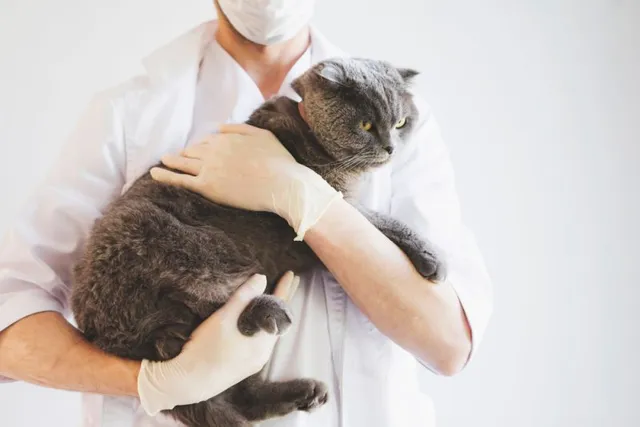
While signs of dwarfism can be obvious, the only way to receive a confirmed diagnosis is to take your cat to the vet. The vet may ask for your cat’s medical history, the first signs of the condition, and their genetic background.
Routine examinations may be performed, such as a blood count, a urinalysis, and other laboratory tests to rule out the possibility of other conditions. X-rays and other scans may be taken, and the vet may take a tissue sample from your cat’s small bones.
Can Cats With Dwarfism Live Normal Lives?
While cats can live happy, long lives with dwarfism, they do not live as an average cat does. Normal cats run, jump, climb, and participate in other activities that require a normal leg length. In this regard, cats with dwarfism can't live normal lives because they are physically incapable of doing some of the things that other cats can do.
However, with proper care and awareness of your cat’s condition, you can provide an excellent quality of life for your cat. Staying on top of chronic pain, obesity, and other conditions that may result from dwarfism is crucial to ensure that your cat can make the most of their life and enjoy every moment of it.
Are Any Breeds Predisposed to Dwarfism?
The Munchkin is often seen with dwarfism because the condition is actively encouraged within the breed. This makes the breed highly controversial among cat enthusiasts and veterinary experts.
Conclusion
Dwarfism results in adorable stubby legs, but it can also lead to serious health issues and chronic pain. Therefore, if you suspect that your cat has dwarfism, do not delay in receiving a professional diagnosis.
Remaining vigilant against arthritis, obesity, and other conditions will allow you to provide the best possible care for your cat. Despite their physical limitations, cats with dwarfism can still experience an excellent quality of life.
Sources
https://www.vetstreet.com/our-pet-experts/why-i-cant-stand-the-hype-over-dwarf-cats
https://www.petmd.com/cat/conditions/musculoskeletal/c_ct_osteochondrodysplasia
https://www.petmd.com/cat/slideshows/8-unusual-genetic-anomalies-cats
https://www.petmd.com/cat/conditions/musculoskeletal/c_ct_osteochondrodysplasia
Featured Image Credit: MDavidova, Shutterstock
Expert cat care, straight to your inbox
News, insights, and useful advice, delivered to you.

No spam — unsubscribe anytime.
By signing up, you agree to our Terms & Conditions and Privacy & Cookies Policy.
How useful was this post?
Click a star to rate. You can leave written feedback afterwards. (We read all feedback.)
Cats are Jordyn’s passion. Whenever she has the opportunity she loves to learn about animals and share her knowledge with everyone. She is devoted to her sassy tabby cat named Jack and works hard to buy him his favorite treats and toys. Discovering new ways to better care for her cat is always on her to-do list, and she is eager to help pet parents everywhere. In Jordyn's spare time, she loves to write, read, and take long walks. She has a creative spirit, which often helps her to come up with funny cat names.