Sudden Death in Cats: 10 Vet-Verified Causes


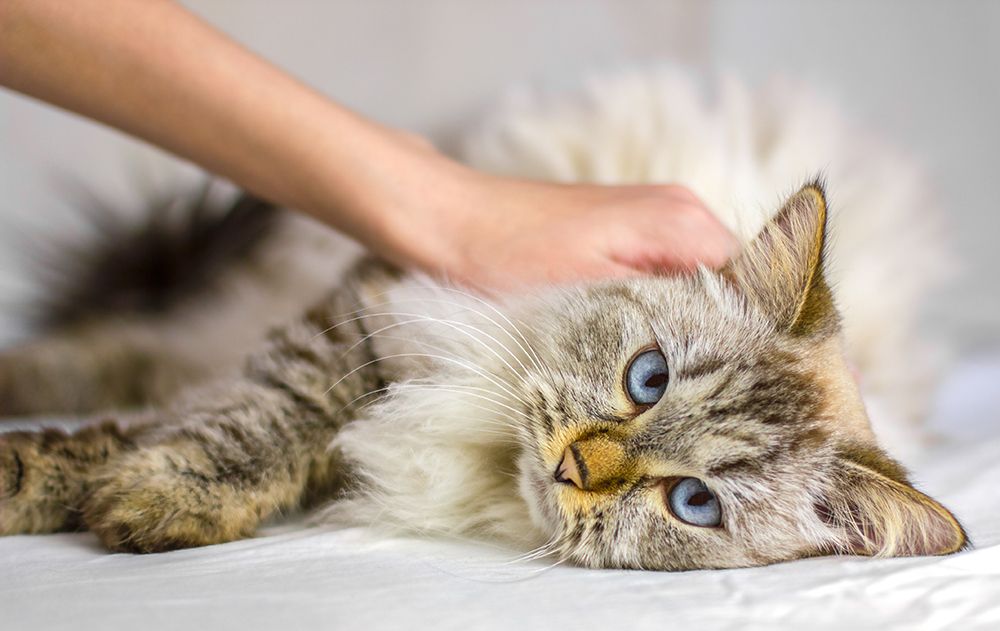
Sudden death in cats is a tragic event that often occurs without any warning. There are many possible causes of sudden death in cats, although some preventative steps can be taken to help avert this tragedy.
One of the most effective ways to prevent sudden death in cats is to have them regularly examined by a veterinarian. This will allow for the early detection and treatment of any underlying health conditions that may be present. It is also vital to keep up with routine vaccinations and parasite control measures to help keep your cat healthy. In cats, sudden death is often caused by a long-term illness that is nearing its end. If you want to prevent your furry friend from being exposed to dangerous external factors, such as traffic, toxic substances, and predators, you may wish to keep your cat indoors throughout the day or create an enclosed outdoor area for your cat to spend time in.
If your cat has suddenly died, your veterinarian will immediately be able to perform a necropsy (animal autopsy) and determine the cause of death. We will uncover some of the different reasons why felines die suddenly in the following article.

The 10 Most Common Causes of Sudden Death in Cats
1. Trauma
Many circumstances can cause a traumatic injury to a cat, including being hit by a car, falling from a height, or being attacked by another animal. According to a study published in the Canadian Veterinary Journal, trauma is the number one cause of sudden death in cats.1
No matter what the cause, sudden death in cats is always tragic. If you suspect that your cat has suffered a traumatic injury, it is important to seek veterinary care immediately. With prompt treatment, many cats can recover from their injuries and go on to live long and happy lives.
2. Feline Leukemia Virus
Feline leukemia virus (FeLV) is a leading cause of sudden death in cats. The virus is spread through contact with infected saliva, blood, or feces. It can also be spread from an infected mother to her kittens before they are born.
Most cats who are exposed to the virus do not become sick. However, some cats develop a form of cancer called lymphoma. Lymphoma is the most common type of cancer seen in cats with FeLV. Other health problems that can occur include anemia, infections, and blood clotting disorders.
Cats with FeLV are more likely to die suddenly than cats without the virus. If your cat has FeLV, it is important to take steps to keep them healthy and watch for signs of illness.

3. Heart Disease
Heart disease is the second most common cause of sudden death in cats.2 Many distinct types of heart disease can occur in cats. The most common is hypertrophic cardiomyopathy (HCM). HCM is a condition where the heart muscle becomes thickened, making it more difficult for the heart to pump blood effectively. This can lead to congestive heart failure, which can be fatal.
Other types of heart disease that can affect cats include valvular heart disease, congenital heart defects, and arrhythmias. While there is no cure for heart disease, early diagnosis and treatment can improve the chances of survival and quality of life for affected cats.
4. Infectious Intestinal Disease
Infectious intestinal disease is the third most common cause of sudden death in cats. Feline distemper or feline panleukopenia is the most common form of intestinal disease in cats and is caused by a virus. The virus affects the intestine, causing inflammation and diarrhea. In severe cases, the virus can cause death. Feline distemper is highly contagious and can be spread through contact with infected feces or vomit. The best way to prevent feline distemper is to vaccinate your cat.
5. Urinary Tract Blockages
Urinary tract blockages are another reason cats may suddenly die. This can occur when the urethra or other segment of the urinary tract becomes blocked preventing the cat from urinating. The blockage can be caused by a variety of things, including stones, tumors, or even an infection. If the blockage is not treated quickly, it can lead to kidney failure and death. Signs of urinary tract disease include straining to urinate, blood in the urine, and loss of appetite. If you notice any of these signs, you should take your cat to the veterinarian as soon as possible.

6. Meningoencephalitis
Meningoencephalitis is an inflammation of the brain and meninges and can be caused by several different viruses, bacteria, or parasites. Meningoencephalitis is often fatal in cats, and there is no known cure. Treatment focuses on relieving symptoms and supporting the cat's respiratory and cardiovascular systems.
Meningoencephalitis is a serious disease that can lead to sudden death in cats. If your cat shows any signs of neurological problems, such as seizures or walking oddly, take them to the vet immediately. Early diagnosis and treatment are critical for the best chance of survival.
7. Hepatic Necrosis
Hepatic necrosis is a condition in which the liver cells die and are replaced by scar tissue. The causes of hepatic necrosis are many and varied, but the most common cause is liver disease. Liver disease can be caused by several things, including infectious hepatitis, cancer, and toxins. Treatment for hepatic necrosis is typically surgery to remove the diseased liver tissue. However, if the liver damage is too severe, a transplant may be necessary.
8. Sepsis
Sepsis is a potentially life-threatening condition that occurs when an infection sets in and spreads throughout the body. In cats, sepsis can occur as a result of bacteria entering the bloodstream through a wound or other openings in the skin. The infection can then cause inflammation and organ damage. Signs of sepsis in cats include fever, lethargy, loss of appetite, and difficulty breathing. If left untreated, sepsis can lead to death. Early diagnosis and treatment are crucial for the best possible outcome.

9. Hemorrhage Not Associated With Trauma
Hemorrhage not associated with trauma is a serious condition that can occur in cats. It is usually caused by a ruptured blood vessel or an injury to the blood vessels. “Not associated with trauma” means that the hemorrhage did not occur because of an accident or fight—hemorrhages can also be caused by toxins, tumors or cancer. Signs of hemorrhages include weakness, pale gums, and collapsed veins. If your cat is showing any of these symptoms, it is important to seek emergency veterinary care.
10. Poisoning
Poisoning is one of the leading causes of sudden death in cats. Cats are very curious creatures and will often put their noses where they don’t belong, which can lead to them ingesting harmful substances. Even something as innocuous as a houseplant can be deadly to a cat if they eat enough of it.
Many common household items can be poisonous to cats, including cleaning products, medications, and plants. If you suspect your cat has ingested something toxic, it’s important to act quickly and bring them to the vet for treatment. In some cases, such as with antifreeze poisoning, there is an antidote that can save your cat’s life if administered in time. With prompt treatment, many cats who have been poisoned will make a full recovery.
Conclusion
In conclusion, sudden death in cats is a real and serious problem. It can be caused by many different things, but trauma and heart disease are the most common causes. Keeping your cat indoors, getting them their vaccinations, and taking them to the vet regularly are the best ways to keep your cat safe from sudden death. If you think your cat may be at risk, talk to your veterinarian about it.
Featured Image Credit: Olesya_Alexandrova, Shutterstock

Expert cat care, straight to your inbox
Vet-reviewed advice, behavior tips, and the best of Catster. Free, and you can unsubscribe anytime.
By signing up, you agree to our Terms & Conditions and Privacy & Cookies Policy.
Christian started writing for a local newspaper as a teenager, and he's been involved in the publishing industry for most of his adult life. Combining his love of writing with a passion for animals, he is currently the Director of Editorial at Pangolia and the Editor-in-Chief at Catster.
Christian lives in the Philippines with his wife, son, and four rescue cats: Trixie, Chloe, Sparky, and Chopper.
Join the conversation
Ask a question, share your story, or send private feedback.