Feline Distemper: Signs, Causes, and Care (Vet Answer)

In this article
Distemper in cats is also called feline panleukopenia, so we will use the terms interchangeably in this article. It is a viral disease that can be deadly, especially in kittens.
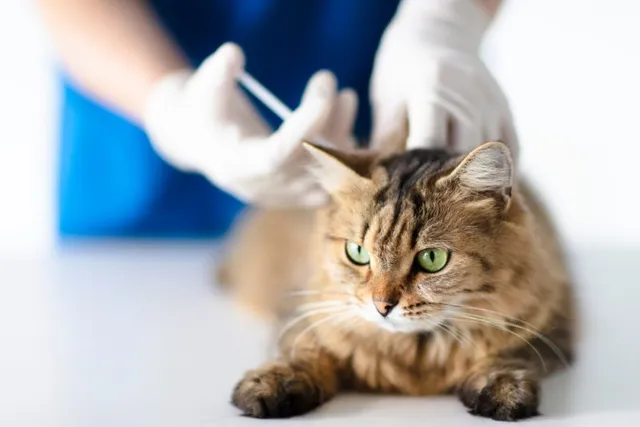
Vaccines help control it in many countries, but there have been large outbreaks even in vaccinated countries. The vaccine is considered one of the core vaccines because the disease is so contagious. Both indoor and outdoor cats should be vaccinated. Read on below to find out more.

What Is Distemper?
Feline panleukopenia virus is highly contagious and can progress to severe illnesses in as little as 1–2 days. It can be deadly and may require intensive hospitalization. It mostly infects kittens and also affects them the most severely.
Infected kittens progress from lethargic and depressed to severely dehydrated and sick fairly quickly. The goal of veterinary treatment is to treat the signs of the illness while the body does its work to fight off viral infection.

What Are the Signs of Distemper?
- Lethargy
- Inappetence
- Hypersalivation (nausea)
- Vomiting
- Diarrhea
- Sudden death
It is difficult to know if a cat has a fever at home, but the vet will usually confirm a high fever as well. Cats will also become dehydrated quickly but do not drink very much despite needing to.
Is your cat presenting any of these signs? We suggest you speak with a vet online.
What Are the Causes of Distemper?
The panleukopenia virus infects dividing or multiplying cells. So, it mostly affects body systems with cells that multiply quickly. This often includes the immune system and the lining of the GI tract in particular. As a result, cats can be immunocompromised—their immune system will not work as well because the white blood cells have all been infected.
They may also experience vomiting and diarrhea because the lining of their digestive tract is compromised. Because the virus impedes the immune system, kittens are often susceptible to secondary infections, so they can easily be infected with other viruses or bacteria.

How Do Cats Catch It?
The virus lives in the environment for long periods of time. So, a cat can be directly exposed cat-to-cat or can pick it up in the environment. For example, a cat can pick it up off the sidewalk after a cat with distemper has pooped there—even months later.
How Do I Care for a Cat With Distemper
The disease can be deadly and will usually require hospitalized care for kittens to survive. By providing intensive supportive therapy the body will hopefully have a chance to fight off the infection. All cats with distemper will need to be isolated in a veterinary hospital.
Cats will need intensive treatment and ICU care. This will possibly include but is not limited to:
- IV fluid therapy
- Medication
- Pain management
- Nutritional support
- Fever management
- Antibiotics (in some cases)

Frequently Asked Questions (FAQ)
When Should Kittens Receive Their Vaccination?
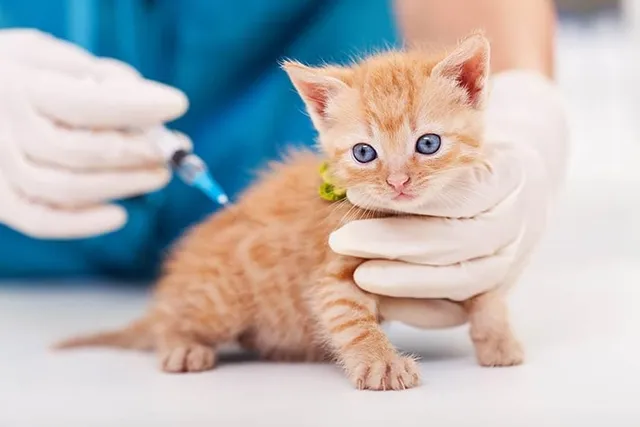
The panleukopenia vaccine is considered one of the main core vaccines for kittens. The vaccine will need to be boosted one month apart for both adults and kittens. Kittens should start receiving their vaccine as young as 6–8 weeks old. Bring your kitten back for boosters once every 3–4 weeks until they are old enough.
If you are unsure of how old your kitten is, still bring it in for a vaccine and discuss the situation with your vet. Once fully vaccinated, your cat will need a booster once a year or once every 3 years, depending on the vaccine brand.

How Would an Indoor Cat Catch Distemper?
The feline panleukopenia virus is very resistant and can survive for long periods in many environments. It is even resistant to many disinfectants. So, it can easily be picked up on your shoes or clothing and brought indoors to your cat.
Are There Other Diseases with Similar Signs?
Many diseases start with lethargy as the first sign and progress to dehydration and GI signs. So, it will be important for a veterinarian to confirm the diagnosis of panleukopenia while also providing medical support. Some other possibilities could include:
- Salmonella infection
- Feline leukemia virus
- Feline immunodeficiency virus
How Is Distemper Diagnosed?
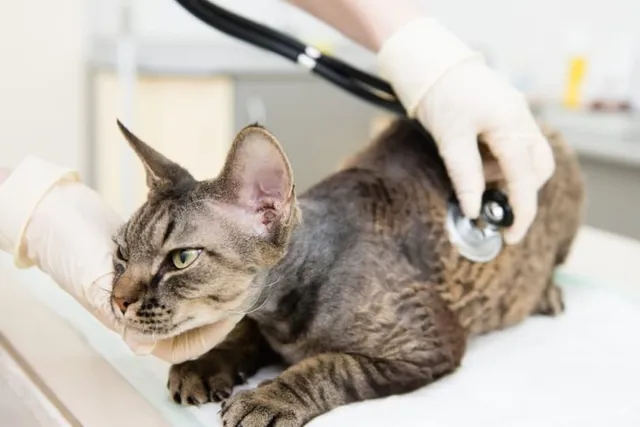
A vet will correlate the signs of distemper, including dehydration and fever, with changes in the blood. Because the immune system is infected the white blood cell count will be low. There is also a PCR or antigen test that can be performed on the feces to confirm an infection.

Conclusion
The most important thing to remember about distemper in cats is that it's very contagious, and all kittens, indoors and outdoors, should be vaccinated against it. It is a severe illness that often requires your kitten to stay in the hospital for days, and it’s very possible that your kitten may not survive. This is why vaccination is so vital, as well as recognizing the signs and acting quickly if you suspect infection.
“Sources”
Featured Image Credit: Kginger, Shutterstock
Expert cat care, straight to your inbox
News, insights, and useful advice, delivered to you.

No spam — unsubscribe anytime.
By signing up, you agree to our Terms & Conditions and Privacy & Cookies Policy.
How useful was this post?
Click a star to rate. You can leave written feedback afterwards. (We read all feedback.)
Dr. Chantal Villeneuve MS BVetMed (Veterinarian)
Dr. Chantal is passionate about the human-cat bond and improving pets' lives through their connections with their human companions. She has worked with almost every species of animal from dogs to guinea pigs, birds to amphibians, and even horses and mice - all are welcome. She is excited to use her writing to help people connect with their cats.