Papillomas in Cats: Causes, Care & Treatment (Vet Answer)
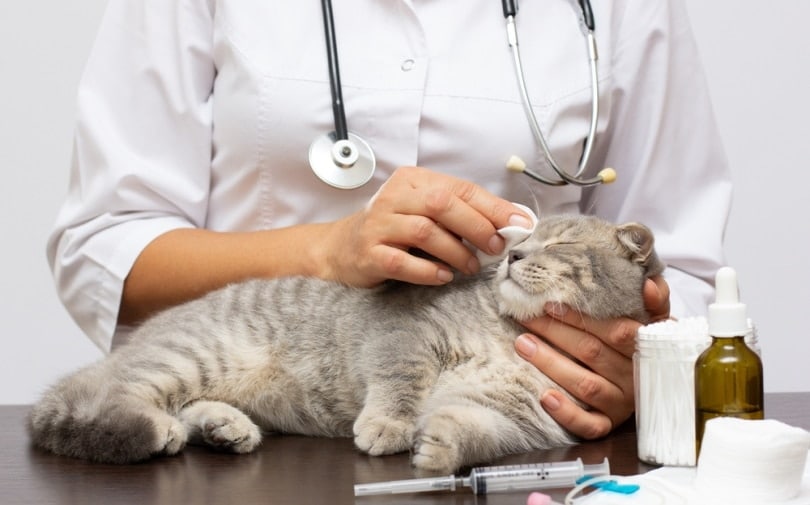
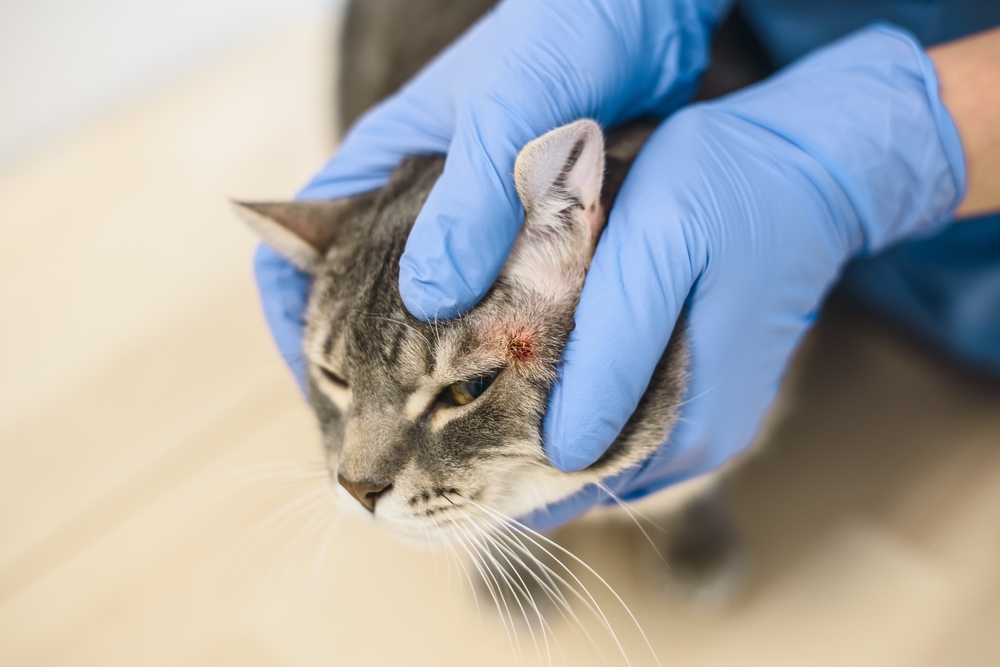
Papillomas is a fancy term for warts. Warts can be singular, or there can be multiple—sometimes to the point that an entire region of the body is impacted. Warts grow on the skin, and while they generally aren’t painful, they can be visually quite striking. In cats, many warts are caused by a subset of viruses that cause excessive skin growth. It was only relatively recently that such viruses were discovered and linked with these growths, so a lot of information has yet to be fully determined about papillomas in cats.
Generally, signs are pretty straightforward: skin growths that look warty! Most cats with papillomas generally feel okay and don’t show other typical clinical signs of illness, such as weight loss, gastrointestinal upset, changes in behavior, or poor haircoats.
Read on to learn more about papillomas in cats—the causes, the care, and the treatment.

What Causes Papillomas in Cats?
Warts, or papillomas, are generally thought of as benign or non-cancerous skin growths. They can arise anywhere on the body and be visually striking when they occur in large numbers. When they do occur in large numbers, it is generally referred to as papillomatosis.
Many warts in cats are believed to be caused by a virus. The virus infects the deeper layers of the skin and causes spots of increased production of skin cells, which leads to the formation of papillomas. There is currently no vaccine to prevent papillomas from forming in cats.
Papillomas can form for weeks or longer after the initial infection with the virus occurs because it takes that long for the virus to actually work its way to the upper layers of the skin, producing the warty growths. If a cat infected with papillomavirus is exposed to other factors that might aid the virus in reproducing, in rare cases, the virus can actually become cancerous. With these cats, instead of producing benign papillomas, it can cover large regions of the skin, sometimes producing ulcers and causing local irritation. In even rarer instances, it can then spread or metastasize to other parts of the body, such as the lungs.

Where Are the Signs?
Signs of papillomas in cats are usually fairly straightforward: growths on the skin! Most cats seem to feel fairly well otherwise. Though, in very rare instances, these growths may become cancerous—and, even more rarely, may spread to other parts of the body.
Signs can include:
- Warts or skin growths
- Scabbing, particularly of the face, head, or neck
- Growths in the mouth
- Lethargy or acting dull
- Hiding or other changes in behavior
- Weight loss
Many times, a cat or kitten with papillomas will show no signs of feeling unwell. They will simply have growths on their skin. Generally, these do not present an emergency, and therefore, while contacting a vet is always advised to alert them to what you are seeing (a photo is even better!), you can often monitor these cats at home.
How to Care for a Cat With Papillomas
Oftentimes, cats with papillomas actually need little to no care—which is fantastic! Just like in people, many of these skin growths, given time, will go away on their own through a process called “regression”.
Therefore, you might care for a cat with papillomas by taking a photo of the growth(s) when you first notice them. This allows you to compare whether the papillomas are getting bigger, smaller, or staying the same. It helps to have a size reference in your photo—for example, a ruler or a coin placed next to the growth. This allows you to have a better comparison of the size of the growth, as well as any changes occurring.
If the growth doesn’t go away after a few weeks, then it is time for your cat to see a vet—sooner is better if you have any pressing concerns, such as bleeding or irritation at the site of the growth.

What Are the Treatment Options?
Treatment options can vary for cats with papillomas. As mentioned previously, sometimes it is a case of “wait and see”, since many will go away on their own without actual treatment. However, if this doesn’t happen, then a vet might recommend other treatment options, which can include freezing, surgical removal, or topical medications.
Treatment is not always as effective as we may hope since papillomas caused by a virus can be resistant to treatment. And for cats that develop advanced forms of papilloma that are more aggressive and cancerous, treatment can be very difficult, if not impossible.

Frequently Asked Questions (FAQ)
What should I do if I suspect my cat might have papillomas?
If you suspect your cat might have papillomas, start by taking a photo and sharing it with a veterinarian. Many times, they can provide initial guidance on skin concerns through a photo, which would include telling you how soon your cat needs to be seen and what to expect at that visit. Sometimes, they might have you monitor the growth for a while at home if your cat otherwise seems well.
Are feline papillomas contagious?
Potentially, but this has not yet been documented from cat to cat. They are considered unlikely to spread to humans, however.
What can look similar to papillomas in cats?
Normal skin growths, such as nipples in male and female cats, might sometimes look a bit like a wart. Hair follicles can also become blocked in a process known as a sebaceous gland adenoma. These, too, can look especially warty! Skin tags can be present from birth and also look a lot like papillomas.
Fatty lumps aren’t as common in cats as they are in dogs, but they might also look a bit like a papilloma. Other skin cancers that are a bit more serious include mast cell tumors, which might look like a papilloma early on. If you notice any odd changes on your cat’s skin and you aren’t sure of the cause, definitely speak with a vet about your concerns.

Prevention
Prevention of papillomas in cats isn’t quite possible at present. Human medicine has developed vaccines for the viruses found in humans that cause similar issues, but this has not yet translated into feline medicine. However, because the condition is relatively rare, it is not a large concern. Therefore, a preventative option isn’t likely any time in the near future.

Conclusion
Papillomas in cats is an uncommon disease. Because it is not considered to be highly contagious, and because the disease is often quite subtle and not life-threatening, it will likely remain off many cat owners’ radar. Most people will never see a papilloma in a cat.
Treatment can be difficult, but many papillomas will go away without requiring treatment. If you notice signs that the papillomas are not going away, however, it is time to consider what treatment options are available. The good news is that papillomas generally aren’t emergencies, but they do require close observation once noticed. And, it never hurts to include some photos and start a conversation with a vet about what you’ve found!
Related Reads:
Sources
Featured Image Credit: Irina Vasilevskaia, Shutterstock

Expert cat care, straight to your inbox
Vet-reviewed advice, behavior tips, and the best of Catster. Free, and you can unsubscribe anytime.
By signing up, you agree to our Terms & Conditions and Privacy & Cookies Policy.
Dr. Lauren Demos DVM (Veterinarian)
As a veterinarian, Lauren is eager to share her experience in emergency medicine and cats, with our readers. She loves sharing helpful, real life tips for having cats as part of your life, and what to do in critical situations with your pets.
Lauren is a vet with over a ten years of experience in cats and dogs, along with infectious diseases. She enjoys teaching, and lectures for students, pet owners, and clinicians, on various topics.
Lauren received her degrees from Murdoch University, in Perth.
Join the conversation
Ask a question, share your story, or send private feedback.