Cat Fur Everywhere? Fabrics That Help - and Ones That Make It Worse

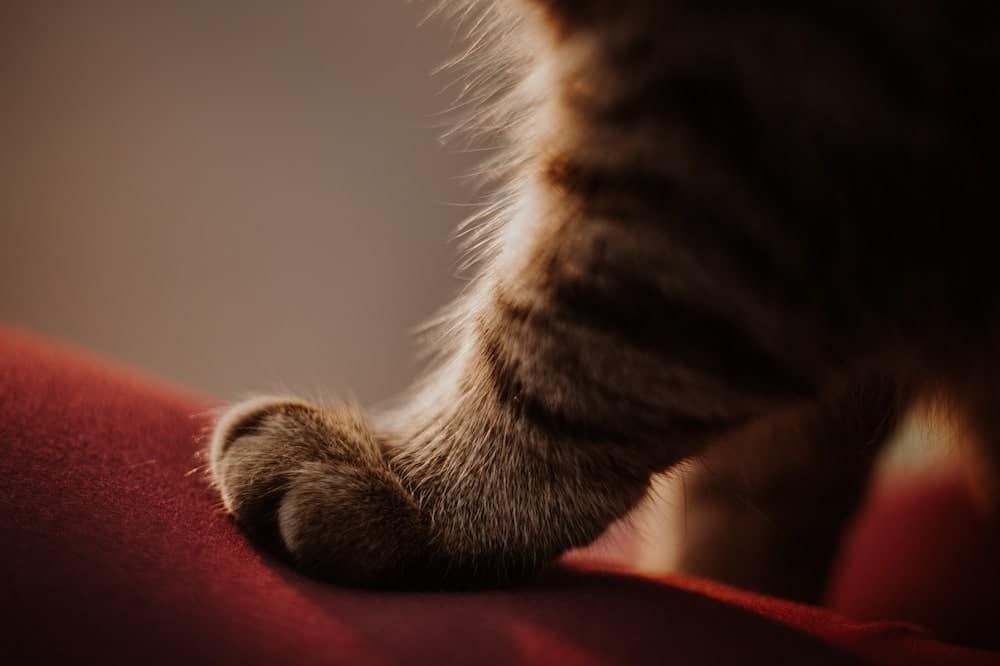
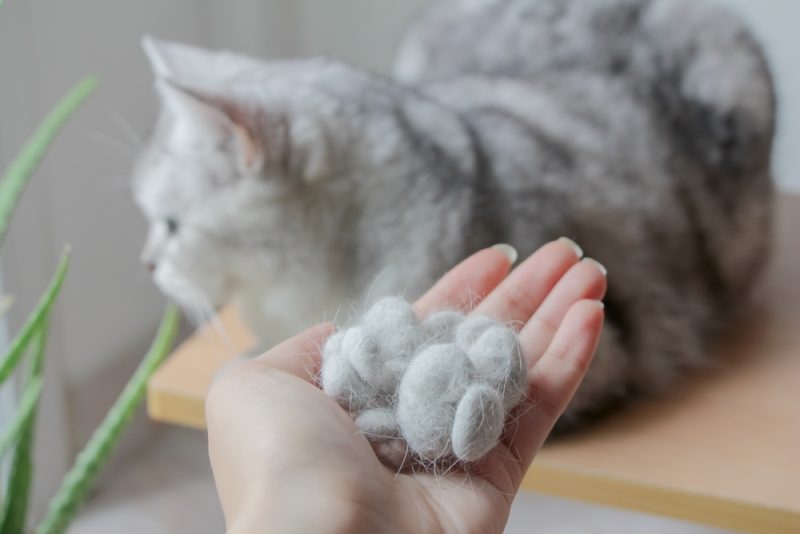
You're getting dressed for work. You pull on a clean sweater, glance in the mirror, and somehow it's already covered in cat hair. Your cat hasn't even been in the room. You don't know how this keeps happening, but you're starting to suspect your clothes are cursed.
They're not cursed. They're just made of the wrong fabric.
Cat fur has a supernatural ability to attach itself to certain materials and completely ignore others. It's not random. Some fabrics are smooth and tightly woven, making it hard for fur to stick. Others are textured, staticky, or loosely knit, basically designed to collect every stray hair your cat sheds. And if you've ever owned a velvet couch or a wool sweater, you already know which category those fall into.
You can't stop your cat from shedding. But you can stop dressing yourself and your home in fabrics that turn into fur magnets. Here's what works—and what absolutely doesn't.

Fabrics That Actually Repel Cat Hair

These materials have one thing in common: they're either smooth, tightly woven, or both. Cat hair slides off instead of embedding itself.
- Canvas is tightly woven, often blending cotton with synthetic fibers for extra durability. Its structure makes it harder for fur to burrow in and stay there. The downside? Some synthetic blends create static, which can attract hair instead of repelling it. But overall, canvas holds up well. You'll find it in furniture, bags, jackets, and shoes.
- Denim is already a staple in most wardrobes, and it happens to be great at resisting cat hair. The tight weave makes it difficult for fur to cling, and it's durable and easy to clean. If you've noticed your jeans stay relatively fur-free compared to other clothes, this is why.
- Leather has a smooth surface that cat fur just slides off of. Genuine leather is expensive, but it's durable and resistant to scratching if you take care of it. Faux leather also repels fur, though it scratches more easily and won't last as long. Either way, leather is one of the best options for keeping fur at bay.
- Microfiber is smooth, tightly woven, and surprisingly resistant to claws, which is why it's such a popular choice for cat-friendly furniture. It does contain polyester, so static cling can be an issue. But even with that, microfiber generally repels cat fur better than most other upholstery fabrics.
- Silk is luxurious, smooth, and naturally resistant to cat hair. It's one of the strongest natural fibers, though it doesn't handle scratching well. Static cling can also be a problem, so silk requires a little extra care in a home with cats. But if you can manage it, fur won't stick.

Fabrics That Are Basically Fur Magnets

These materials don't just attract cat hair; they trap it. Once fur gets in, it's not coming out without a fight.
- Corduroy has ridges. Those ridges are fur traps. The wider weave and textured surface make it easy for hair to settle in and stay there. It's durable, sure, but if you live with cats, it's best to avoid it entirely.
- Polyester is a synthetic fiber, which means it's prone to static cling. Static cling attracts cat fur like a magnet. It's affordable and widely available, but if you're trying to minimize pet hair, polyester is working against you.
- Tweed is rough, thick, and textured, basically the opposite of everything that repels fur. It attracts cat hair easily and holds onto it stubbornly. Trying to remove fur from tweed is an exercise in frustration. Skip it.
- Velvet and velour look elegant, but they're some of the worst offenders when it comes to pet hair. Their knitted texture and tendency to produce static make them especially good at grabbing and holding onto fur. There's a reason velvet brushes are so effective at removing hair from other fabrics—they're designed to trap it.
- Wool is warm, durable, and stylish. It's also a nightmare if you own a cat. The structure of wool fibers makes it incredibly easy for fur to cling and incredibly hard to remove. If resisting pet hair is your goal, wool should be at the bottom of your list.

What This Means for Your Home and Wardrobe
You can't stop your cat from shedding, but you can make smarter choices about what you bring into your home. Smooth, tightly woven materials will save you time, lint rollers, and sanity. Textured and synthetic fabrics will make you wonder why you even bother vacuuming.
A few intentional swaps, for example swapping that velvet throw pillow for a microfiber one, choosing denim over corduroy, opting for leather instead of wool, can dramatically reduce the amount of fur you're dealing with on a daily basis.
Your cat's going to shed. That's not changing. But with the right fabrics, you can at least stop wearing half of it.
Feature Image Credit: Victoria Emerson, Pexels
Did You Know?
- Our brand-new posts are rounded up and included in our weekly emails. Don't miss out on the latest - sign up for our newsletter below!
Expert cat care, straight to your inbox
News, insights, and useful advice, delivered to you.

No spam — unsubscribe anytime.
By signing up, you agree to our Terms & Conditions and Privacy & Cookies Policy.
How useful was this post?
Click a star to rate. You can leave written feedback afterwards. (We read all feedback.)
Dan has been working in the pet world for over 4 years covering cats, dogs, and all other pets in between. He loves helping pet parents keep their companions happy, healthy, and of course, totally spoiled! Originally from London, Dan now travels and works remotely, which unfortunately means no pets at home, but it gives him plenty of opportunities to fuss over other people's furry friends.