Are Savannah Cats Legal in Massachusetts? Facts & FAQ
In this article
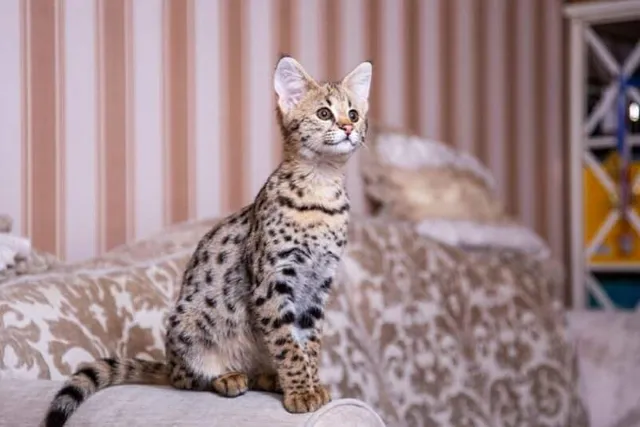
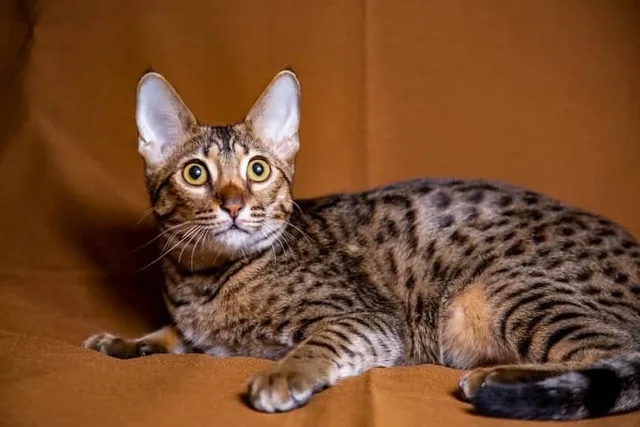
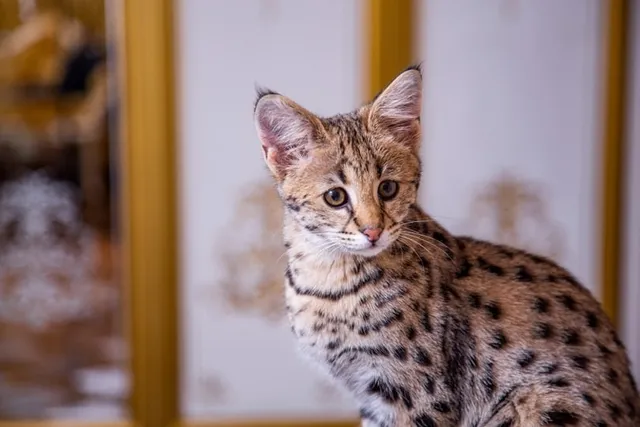
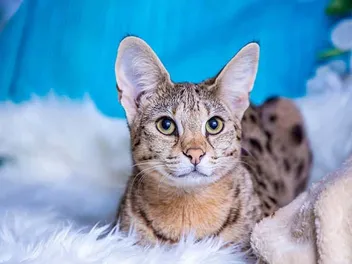
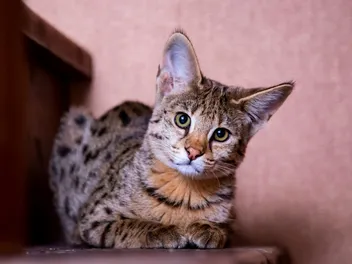
The Savannah Cat is a domestic cat breed that was originally bred from a Serval cat, which is a type of wild cat from Africa, and a domestic cat. The breed is still relatively new and because of its links to wild cats, some states have strict ownership and breeding rules on this breed.
Some states explicitly forbid ownership of the breed while others have no rules or regulations regarding the breed. Massachusetts allows for F4 Savannah cats, which means that a Savannah must be the fourth generation down from its wild cat ancestor.

What Are Savannah Cats?
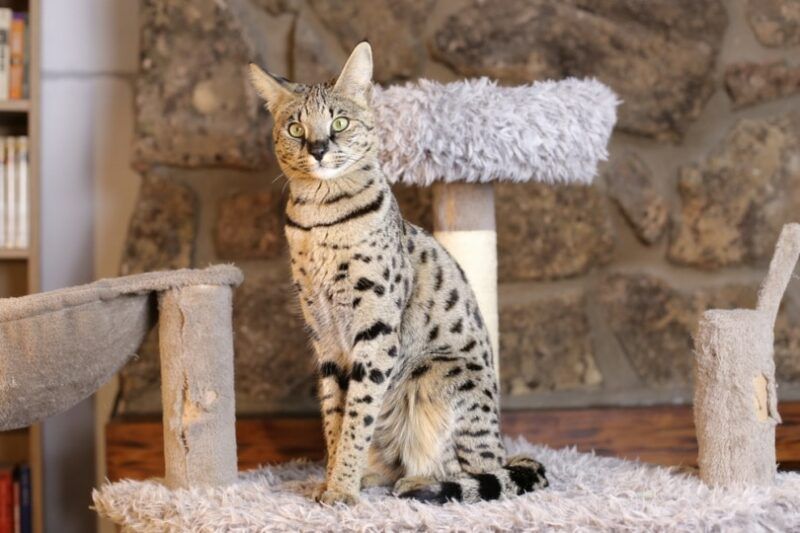
Savannah Cats are a relatively new breed of cat, having been first bred in the 1980s and recognized by The International Cat Association in 2001. They are a hybrid cat breed that was created from the mating of a Serval cat and a domestic Siamese.
Today’s Savannahs are bred from Servals and any domestic breed, although large breeds are often chosen to complement the wild look of the Savannah standards.

What Does F4 Mean?
When looking at Savannahs, or when attempting to show or register one, you will often see the letter F accompanied by a number, which signifies how many generations the cat is away from its wild ancestor.
So, for example, an F1 is a direct descendant of a Serval cat crossed with a domestic cat. Kittens from that F1 are F2 Savannahs, and so on. An F4 Savannah is four generations down from a wild cat. F4 Savannahs are estimated to have between 10% and 20% wild blood.
Are They Legal in Massachusetts?
The F4 reference is important because Massachusetts allows the ownership of Savannah Cats but only if they are F4 or above. This is done to ensure that the cat is domesticated and to prevent people from owning exotic pets and keeping wild animals as pets. Some other states, including Iowa and Alaska, have the same limitations placed on the breed and their owners.
Some states, including Georgia, do not allow the Savannah breed to be kept as pets at all, regardless of its generation, and states like Texas have very strict licensing rules that make it virtually impossible to own one. In Maryland, it is legal to own any Savannah of any generation, as long as it weighs less than 30 pounds.

Do Savannahs Make Good Pets?
Savannahs can make excellent pets. They are loyal and friendly, and they will form a very close bond with their human owners. They can be wary of strangers, though, and this will necessitate the early and ongoing socialization of the cat to ensure that it isn’t too standoffish. They are very energetic, too, which means that you will need to dedicate some time to playing with a Savannah cat.
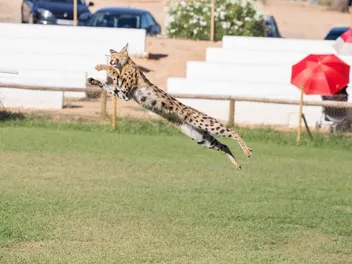
Because they are also very intelligent, if you don’t provide the physical and mental stimulation that a Savannah demands, they can become destructive or they can suffer anxiety and depression. Savannahs may only be 20% wild, but they are still capable of jumping tall heights and they enjoy getting in the water, unlike most domestic cats that dislike the very idea of water unless there are fish in there.
Will a Savannah Cat Run Away?
Savannah cats do enjoy the outdoors and if given free rein in the garden, it can be difficult to contain them or convince them to come back inside until they are ready. They are also skilled escape artists, so if you keep a Savannah as an indoor cat, you will need to be careful to ensure that yours doesn’t get out through open windows or when you leave the house.

How Long Do Savannah Cats Live?
Savannah Cats have an average lifespan of 12–15 years but they can live as long as 20 years or more, so owning one is a major commitment and you need to be sure before buying or adopting this breed.
Do Savannah Cats Bite?
Like most cat breeds, the Savannah can bite if it is provoked or feels threatened. Their size and strength mean that extra care should be taken around this breed because they can draw blood and cause damage. However, if your cat is well-socialized and trained, and as long as it isn’t threatened, there is no more danger with an F4 Savannah than with any other breed of cat.
Conclusion
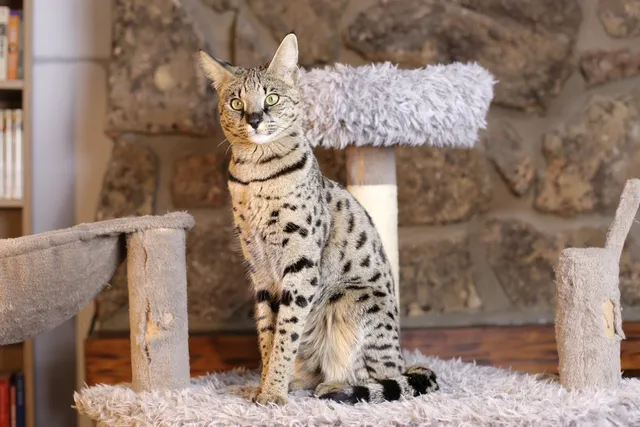
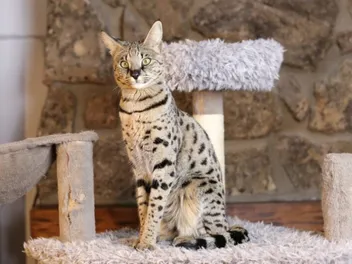
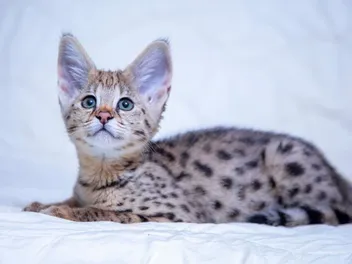
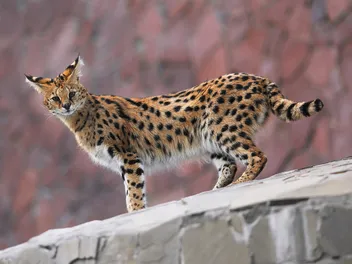
The Savannah cat was bred from Serval cats, which live in the Savannah region of Africa. The resulting cat, although domestic, does retain some of its wild characteristics. It has large ears and an astute sense of hearing. They have long legs and are capable of jumping onto tall ledges. They also form close bonds with their owners and do need early socializing to ensure that they aren’t anxious or scared of strangers.
The breed is not legal in all states. Some states allow people to own a Savannah, but some have strict license requirements that make it virtually impossible to own one. Others place a limit on the size of the cat. Massachusetts allows ownership of this incredible breed but only F4 and above, which means that the cat is four generations away from its wild ancestors.
See Also:
Featured Image Credit: AJR_photo, Shutterstock
Expert cat care, straight to your inbox
News, insights, and useful advice, delivered to you.

No spam — unsubscribe anytime.
By signing up, you agree to our Terms & Conditions and Privacy & Cookies Policy.
How useful was this post?
Click a star to rate. You can leave written feedback afterwards. (We read all feedback.)

Christian started writing for a local newspaper as a teenager, and he's been involved in the publishing industry for most of his adult life. Combining his love of writing with a passion for animals, he is currently the Director of Editorial at Pangolia and the Editor-in-Chief at Catster.
Christian lives in the Philippines with his wife, son, and four rescue cats: Trixie, Chloe, Sparky, and Chopper.