How to Choose Your Second Cat: Vet-Approved Tips for Finding a Great Friend for Kitty


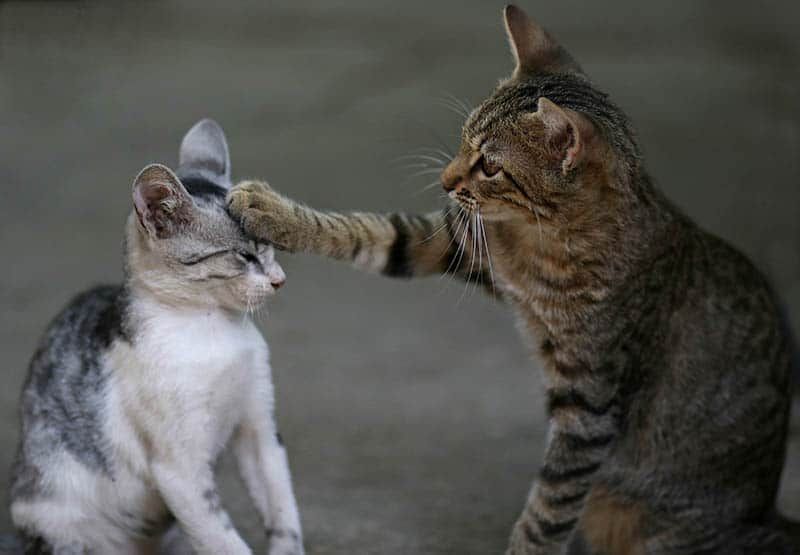
If you currently have a cat and are planning to add another to your family, there are several critical factors to consider and steps to take before you can bring your new feline companion home. Once you've thought things through, spoken to a vet, and decided to adopt another cat, you'll need to get a few things ready before your new fur baby arrives.
At the very minimum, your new cat will need a couple of litter boxes, food and water bowls, toys, scratching posts, and a high perch. Remember to take a carrier with you to get your new pet safely home. If you've adopted a cat with special needs, make sure you're set regarding prescription foods and any medications.
But before you get to that joyful moment of seeing your new cat explore their home for the first time, you'll have to decide what kind of cat best suits your current cat's needs. Here, we provide a step-by-step guide for selecting a great friend for your cat.

How to Choose Your Second Cat
1. Determine If Your Cat Needs a Companion
While you may want to adopt a stray cat you keep feeding, they might not be the best partner for your cat. Older cats that have never lived with other pets often become incredibly stressed by the presence of another animal in the house.
Cats are territorial, so your first cat may be unable to adjust to having another pet around. But if they are accustomed to living with a companion, adopting another cat with a similar personality may be just the thing.
Cats bond deeply with animals that they spend lots of time around, even mourning the loss of close felines and canine companions. However, don’t rush to get a companion, and make sure to choose the perfect one for your cat.
2. Think About Your Cat’s Age
Cats are just like humans; they slow down as they age. If you're considering adopting a cat, select one in the same age range as your current pet. Older pets often become annoyed with the nonstop antics of energetic kittens, creating a stressful environment for both cats.
If your pet is mourning the loss of a beloved companion, the last thing they probably want to deal with is an inquisitive kitten. Senior pets can be happily paired with adult kitties, and adult cats often do well with kittens, but avoid pairing a senior cat with a kitten to minimize the potential for conflict.

3. Consider Your Cat’s Health
Cats with health problems might lack enough energy or need longer resting times. Many don't have the patience to deal with an active addition to the family. Cats suffering from arthritis may not be in the mood to play with rambunctious younger animals and since they're often in pain, may be just a bit more inclined to lash out.
If your cat has health issues that limit mobility or energy levels, consider adopting an older companion with a similar energy level. A cat with arthritis probably won’t appreciate having to move around to avoid the play bites of a well-meaning kitten.
If you're uncertain about your cat's health before considering having another one, consult a veterinarian for guidance.
4. Decide on Long-haired vs. Short-haired
If you already have a short-haired cat and are comfortable with the amount of grooming and vacuuming required, you might prefer to adopt another short-haired or "hairless" cat. Long-haired cats require substantially more grooming than short-haired ones.
Most long-haired cats require daily brushing to avoid developing tangles and skin lesions. If a long-haired kitty has access to the outdoors and lives in a temperate or cool climate, they will shed heavily at least twice a year. However, if your cat is a long-haired kitty, adding a second will make a slight difference when grooming and vacuuming pet hair.

5. Determine How Much Space You Have
Living in a tiny apartment doesn't have to be an issue if you want to adopt a second kitty. But before you take the plunge, make 100% sure you have enough room for two of everything.
You should reduce competition between cats. Sharing litter boxes and food bowls often leads to aggression between feline housemates. Don't just eyeball your room and imagine where things might go. Create paper cutouts of your current cat's food bowls, bed, and litter box, and ensure that you have enough room in your space for everything to fit. Remember that if you want to avoid problems, the rule of thumb is one litter box per cat, plus an additional one.
6. Pick Male or Female
You don't need to worry too much about sex if you adopt an adult cat. There are few, if any, sex-based behavioral differences between spayed female and neutered male cats. Factors such as age and general temperament are more important than sex when selecting a good buddy for your cat, with one exception. If you have a young adult male, consider adopting a female kitten to minimize territorial behavior.
Adult cats tend to be more accepting of kittens, and male cats often become territorial in the presence of other male cats.

7. Know Your Cat's Feline Leukemia Virus Status
If your current cat is feline leukemia virus (FeLV) positive, you'll need to consider that when selecting a new pet, as current veterinary guidance suggests that FeLV-positive cats only live with other cats also carrying the virus. FeLV spreads through saliva and is easily transmitted between cats that live together.
When active, the virus weakens the feline immune system, drastically increasing the risk of various infectious diseases, including cancer. Many FeLV-positive cats and kittens are thriving worldwide, but potential adoptive families often pass over cats that test positive for the virus.
8. Decide on Indoor or Outdoor
If your cat is an indoor pet, you might lean toward adopting another indoor cat. Cats that are kept indoors are less exposed to infectious diseases, like rabies virus, and parasites, like intestinal worms, fleas, and ticks.
Keeping your cat indoors and providing fun activities is critical to ensuring that they live a long, healthy life. But your indoor cat will lose many of the health benefits associated with staying inside if they regularly sleep next to an adventurous outdoor cat that comes into contact with dangerous viruses, bacteria, and parasites every day.

Final Thoughts
Adding a new pet to your family is a huge commitment, and finding the right one can take a bit of time. Considering the characteristics you're looking for in a second cat can go a long way toward ensuring the change doesn't prove too stressful for anyone.
Keep your current cat's background in mind when deciding whether or not to extend your family. Cats that have never really lived around other kitties may not appreciate the presence of another animal. But even if your cat has spent most of their life around other animals, there's no guarantee they'll accept a new housemate. Introduce the two slowly under supervision to reduce the chances of a conflict.
Related Reads:
Should I Get a Kitten for My Cat? Vet-Reviewed Introduction Tips & FAQ
Is It Disrespectful to Want to Get Another Cat Right After the Death of Your Cat?
Sources
Featured Image Credit: AdinaVoicu, Pixabay
Expert cat care, straight to your inbox
News, insights, and useful advice, delivered to you.

No spam — unsubscribe anytime.
By signing up, you agree to our Terms & Conditions and Privacy & Cookies Policy.
How useful was this post?
Click a star to rate. You can leave written feedback afterwards. (We read all feedback.)
Lorre Luther is a writer who is firmly convinced that cats are smarter than humans. She left her law career in the United States and moved to the Netherlands to follow her dream of becoming a writer. Lorre currently lives in Rotterdam, she enjoys traveling and greatly appreciates the beauty of nature. Lorre has a spot for animals and admires the intelligence of cats.