6 Cats Tongue Facts: Vet Reviewed Feline Anatomy Guide


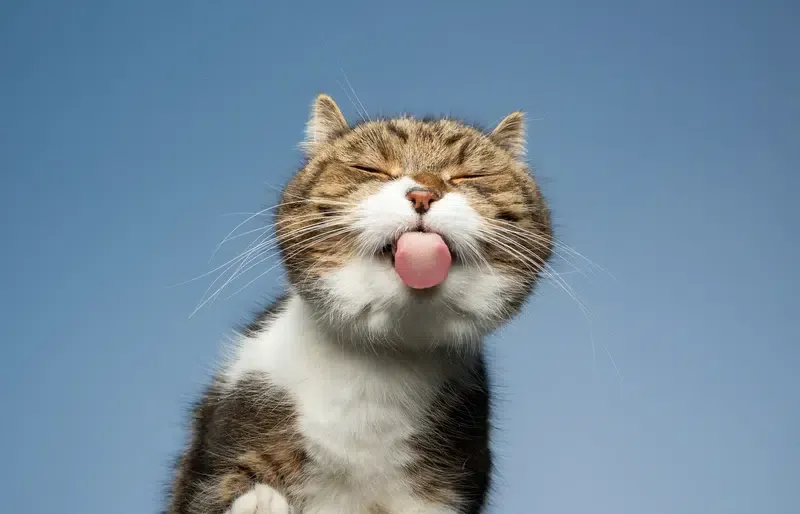
If you have ever had a cat lick you, you may have been caught off guard by just how rough their tongue was. Cats have very interesting tongues that serve multiple purposes for them. You likely don’t even realize how fascinating your cat’s tongue is. Let us talk about all the cool facts about cat tongues.

The 6 Facts About Cat Tongues
1. They’re About 2.5-3 Inches Long
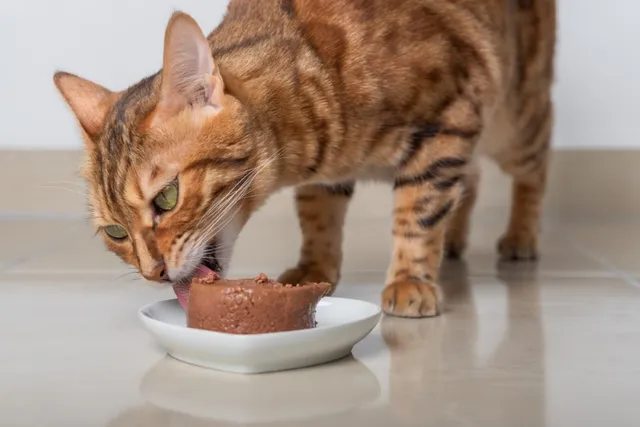
How long is a cat’s tongue? Well, believe it or not, a domestic cat’s tongue is around 2.5-3 inches. Of course, you likely only see the last inch or so when your cat’s tongue comes out. The tongue attaches far enough back into your cat’s throat that you are not going to be able to see the final attachment by looking into your cat’s mouth. The length of a cat’s tongue allows them to effectively groom themselves, as well as allowing them to properly eat their food and drink.

2. All Cats Have Tongue Papillae
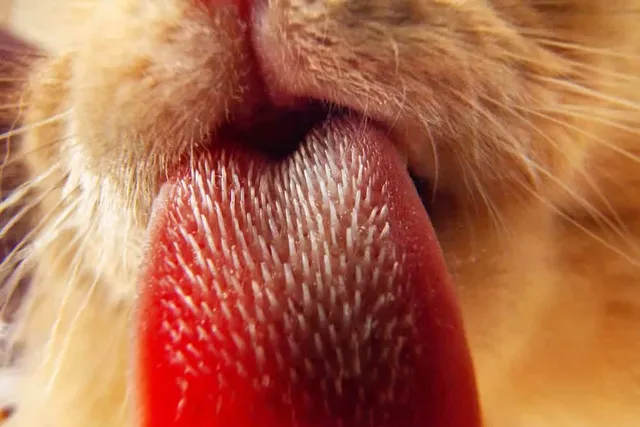
The rough feeling of a cat’s tongue is caused by the presence of hundreds of papillae. These papillae are made from keratin, which is the same thing that your cat’s claws are made from. All cats, including lions, tigers, jaguars, and bobcats, have tongue papillae, so these are not unique to domestic cats.
The keratin papillae on cats’ tongues are perfect for the needs of a carnivore. The hooked shape of the papillae helps the tongue to serve as a rasp while eating prey, allowing them to use it to strip small bits of meat and tissue from bone and hard-to-reach areas, ensuring they get the most out of a hunt.
A fascinating fact about the papillae on cats’ tongues is that they lay flat pointing backward when not in use. Much like goose bumps in people and hair standing on end, the papillae on a cat’s tongue are activated by a muscular reflex that raises them for use.
3. They’re Ideal for Grooming
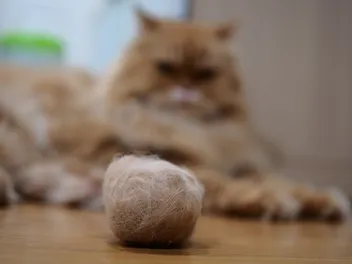
A cat’s tongue is also the perfect grooming tool for a cat’s coat. These papillae help to grasp loose hair, dirt, dander, and things trapped in the coat, allowing a cat to keep its coat clean and healthy. Some of this hair and debris becomes trapped in the hooked papillae and then is swallowed by your cat forming hairballs. Grooming also distributes natural oils throughout their fur to keep it healthy and shiny.
Researchers have found that the spines on a cat’s tongue have a U-shaped cavity at their tip which acts as a wick in the mouth to take up saliva. The tongue then distributes the saliva in the fur closest to the skin, which as well as helping them keep clean, also provides an effective method of cooling down.

4. Their Tongues Employ Physics to Drink
Rather than using their tongues to scoop water into their mouth, a cat has a much less messy and more sophisticated way of drinking! Cats flick their tongues against the surface of the water lightly, without breaking surface tension, and then quickly return it to their mouth, dragging a column of water with it. This drinking method requires cats to lap at just the right speed to keep the water moving upwards against gravity and is an amazing feat of physics!
5. Their Sense of Taste Is Low
We all know that cats have a stronger sense of smell than humans, but did you know that humans have a much stronger sense of taste than cats? While humans have around 9,000 taste buds, cats only have approximately 473.
Like people, they can detect salty, bitter, sour, and umami, but cats have a very weak ability to detect sweet. This inability to taste sweet tastes in the same way that humans can is reflective of a cat’s natural carnivore diet. Cats tend to be quite averse to bitter tastes, though, which is why bitter spray is an effective way to keep cats from chewing on things like electrical cords.

6. A Cat’s Tongue Can Tell You About Their Health
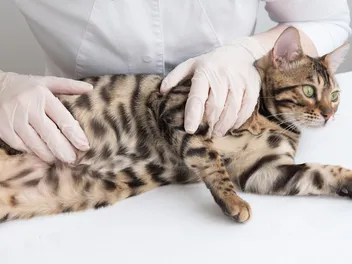
The normal appearance of a cat’s tongue is pink and slightly moist with distinct papillae. A cat that is drooling or has a noticeable amount of saliva on their tongue is abnormal and can indicate that the cat tasted something they didn’t like, consumed a toxin, or is experiencing a medical issue.
Inflammation of the tongue and the presence of sores, ulcers, or white patches can also indicate that there may be something wrong with your cat. In some cases, a cat’s tongue may change color from pink to blue, white, bright red, or extremely pale pink. All of these changes are concerning and should be evaluated straight away by a veterinarian.
A blue tongue indicates that your cat is not receiving enough oxygen, while a white or extremely pale pink tongue can indicate severe anemia or internal bleeding.
What You Should Know About Cat Grooming
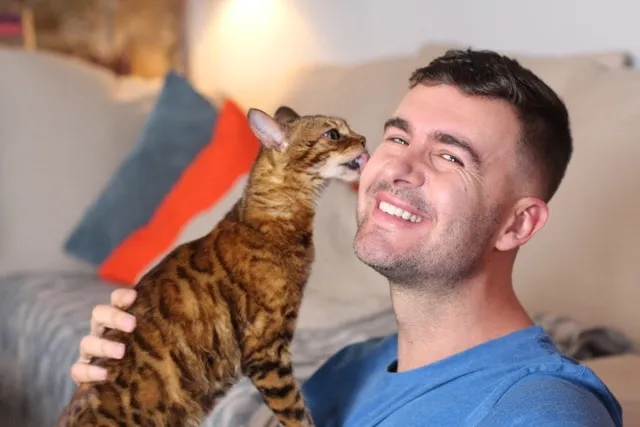
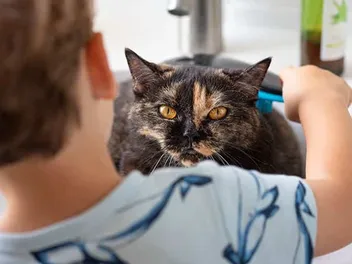
Most cats spend 30-50 percent of their day grooming themselves; however you may have noticed that some cats don’t groom other cats or lick people. This is because grooming in the cat world is generally reserved only for their closest and most trusted companions. Some cats will groom each other, while others may only have one groomer in the relationship. If your cat chooses to lick and “groom” you, then they’re usually showing you trust, love, and care.
Conclusion
Who knew that there were so many interesting things about cat tongues? Cat tongues are highly specialized and very different from our own tongues. They serve many essential functions from grooming and helping your cat cool down to drinking water in a gravity defying manner!
Sources
Featured Image Credit: Nils Jacobi, Shutterstock

Expert cat care, straight to your inbox
Vet-reviewed advice, behavior tips, and the best of Catster. Free, and you can unsubscribe anytime.
By signing up, you agree to our Terms & Conditions and Privacy & Cookies Policy.
Brooke Billingsley, a former veterinary assistant for nine years, became a nurse in 2013. She lives in Arkansas with her boyfriend of five years, surrounded by her beloved pets: three dogs, two cats, five fish, and two snails. Brooke has a soft spot for special needs animals, caring for a three-legged senior dog and a widely known cat with acromegaly and cerebellar hypoplasia. She has developed a keen interest in fish keeping and is always learning how to provide the best environment for her aquatic pets. In addition to her passion for animals, Brooke enjoys gardening and maintains a vegetable garden during the summer. She stays active with yoga and received her 200-hour yoga teacher certification in 2020. Brooke also hosts a podcast that delves into folklore and myth, dedicating her spare time to research and writing. She embraces the philosophy that every day is an opportunity for learning and growth, continually working to acquire new skills and knowledge.
Join the conversation
Ask a question, share your story, or send private feedback.