Working Cats: Felines That Have Important Jobs & How to Have One
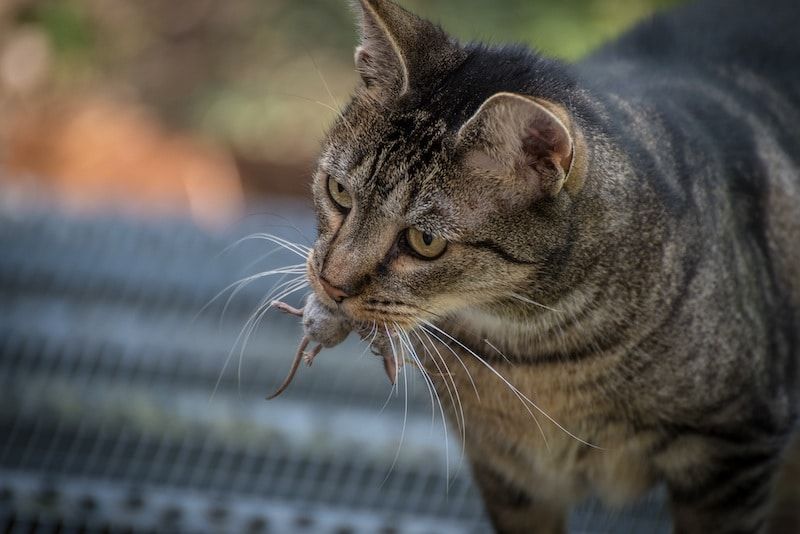
As your cat basks in the glow of the high noon sun, you may be wondering if felines ever do anything except eat, play, and sleep. The truth is, that cats are so domesticated now that some are spoiled beyond employment for heavy-duty jobs such as pest control. My cats have become so lazy that they don't always bother to catch the occasional annoying fly, but simply follow it with their eyes.
Not all felines are fortunate enough to live in loving homes where everything is provided for them. Some cats live on the streets with the minimum necessities for life. They've never known the love of a human and aren't typically fit to be good pets since they're partially wild. However, working cat programs can give these cats a second chance when they're caught in trap-neuter-return (TNR) programs and find themselves unable to be released back into their former environment.

What Is a Working Cat?
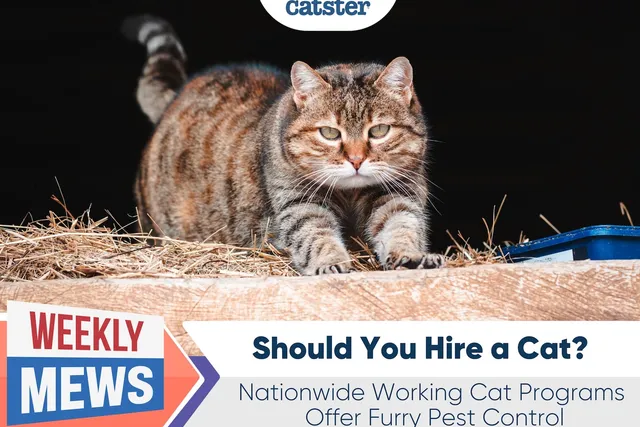
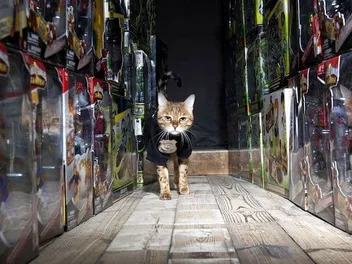
A working cat is a feline who's “employed” as a pest control alternative to harsh chemicals. It's a symbiotic relationship for humans and felines, since humans are able to eradicate rats, and the cats generally enjoy a lifestyle that's a step above what they're used to. Working cats usually come from shelters as part of the TNR program. Under this plan, feral community cats are caught, neutered, treated with medicine and vaccines as needed, and then ideally released back into the wild.
However, sometimes there's a reason why they can't go back home. Since they're unfamiliar with humans, feral cats who can't go home are in danger of being put on the euthanasia list since they can't be adopted either.
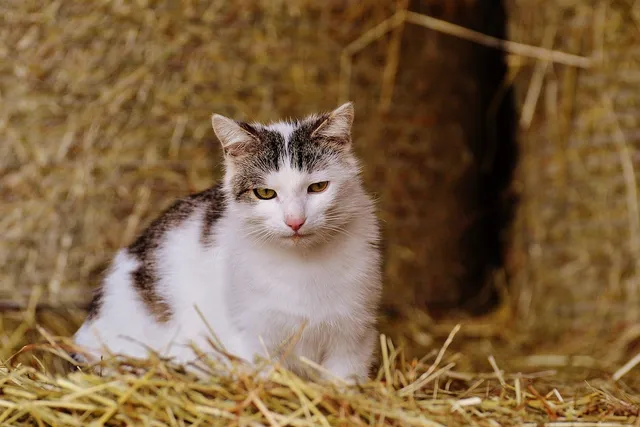
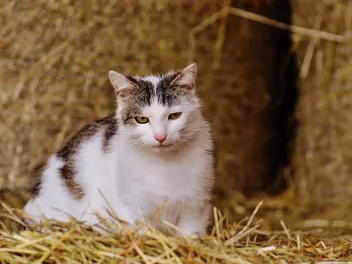
Most community animal shelters or humane societies have implemented a working cat or feral cat program to save these animals that would otherwise slip through the cracks. These cats are often called “barn cats” or “warehouse” cats, denoting their typical places of employment. A working cat will catch mice just like they did in the wild, but on the grounds of a farm, church, or warehouse. Otherwise, that facility would have to implement alternate pest control measures that might not be as healthy for their crops or congregation, such as chemical pesticides.

How to Acquire a Working Cat
If you have a pest control problem at your business or if you own a facility such as a small farm that needs constant maintenance, you might consider contacting your local humane society to inquire about their feral cat program. Just know that the process is a little different than adopting a pet.
Feral cat adoptions are usually free. However, oftentimes you must take a minimum of two cats, and you aren't necessarily allowed to choose which ones. Feral cats are scared of humans and wouldn't tolerate people “shopping” in their shelter all day long, so the staff usually picks the cats to relieve them from the stress of constant visitors.
To adopt a feral cat, you'll need to make sure you can always provide:
Food
Water
Litter
An enclosure or shelter that's safe from rain or harsh weather
This list is your working cat's “minimum wage.” Some cats may even develop a friendship with their employer, even if they're not quite as friendly as devoted house cats.
What Is a Therapy Cat?
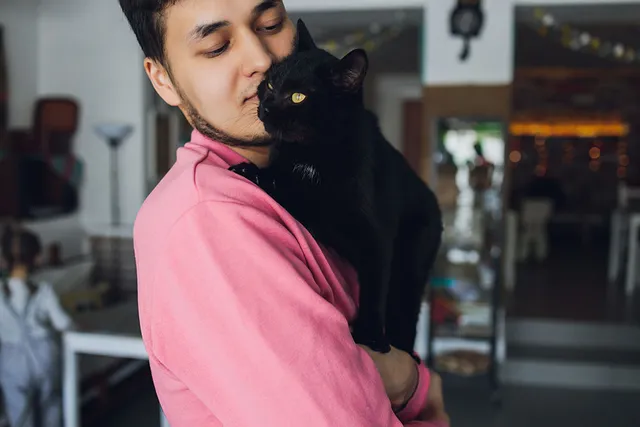
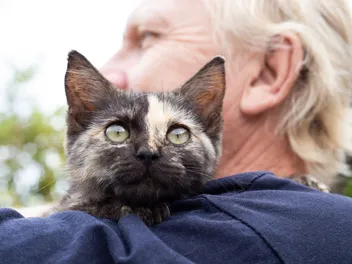
Therapy cats use their purring skills to provide calming and healing benefits to the people they meet. They're often taken to nursing homes to comfort residents who may be feeling lonely.
Unfortunately, the current Americans with Disabilities Act only grants the title of service animal to canines, which means there are many restrictions on where a therapy cat can go. For example, no laws currently permit felines to visit restaurants or grocery stores, or unconditionally allow cats in any public area. However, a trained and licensed therapy cat may be received into specific hospitals, schools, and other public places where they can work if their handlers obtain prior permission.

How to Train Your Cat as a Therapy Cat
Cats and their handlers must undergo several hours of supervised training and pass individual inspections to be qualified as a therapy team. If you're interested, research organizations like Love on a Leash for more details and requirements.
How to Adopt an ESA
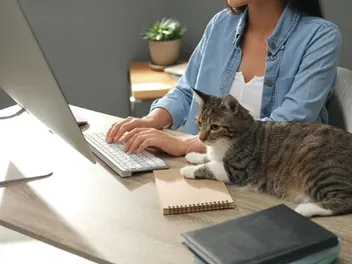
Since they're not granted the full rights of a service animal, therapy cats basically function as emotional support animals (ESAs) for the community. Individuals may also acquire an emotional support cat to give them comfort day and night. There are no strict requirements for registering a cat as an ESA, and you can even register a pet you already have, but you'll need a letter of recommendation from a licensed mental health professional to qualify for registration. Since there really aren't any qualifications for the type of cat, you might try to visit your shelter and ask for a feline with a calm demeanor to serve as your ESA if you don't currently have a kitty.
The benefits of registering your cat as an ESA include fewer housing restrictions. Per the Fair Housing Act, your landlord must accept an ESA under their roof without requiring a pet deposit—even if the house isn't deemed “pet-friendly.” Only a few exceptions apply, such as if the landlord also lives in the house or if the complex is designated for senior living. Some airlines may also allow emotional support cats to fly in the cabin without an additional fee, although this practice has been on the decline over the last couple of years.
Conclusion
They may try to fool us by napping for long stretches on the couch, but cats are capable of many different types of jobs, depending on the particular cat. Even your own cat may be registered as an emotional support animal if you obtain a letter of recommendation from a licensed mental health professional. Feral felines who are unfit for adoption may be drafted into a local working cat program, where they're guaranteed to have at least food, water, litter, and shelter in return for catching pests.
While felines currently don't have the same service animal protections available to canines, cats may serve as therapy animals in certain settings, as long as they're trained, registered, and have particular permission from the hospital or school where they'll be visiting.
Sources
Featured Image Credit: Jumpstory
Expert cat care, straight to your inbox
News, insights, and useful advice, delivered to you.

No spam — unsubscribe anytime.
By signing up, you agree to our Terms & Conditions and Privacy & Cookies Policy.
How useful was this post?
Click a star to rate. You can leave written feedback afterwards. (We read all feedback.)

Catster is a cat magazine and cat website where cat lovers come together and get expert advice about cat behavior, cat health and cat news.