Why Is My Cat’s Butt Red? Our Vet Explains 8 Common Reasons

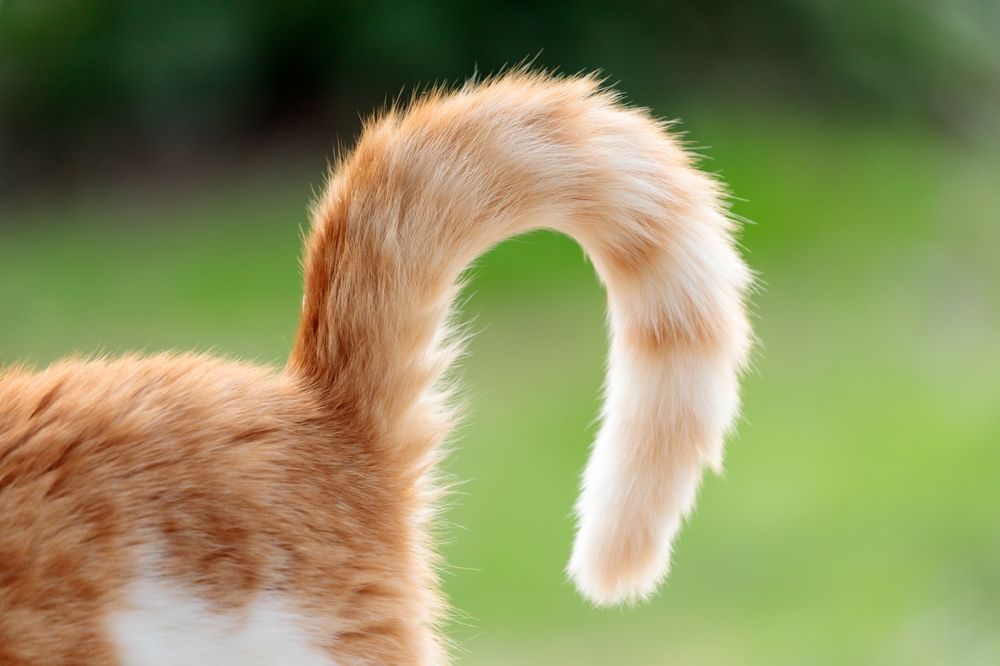
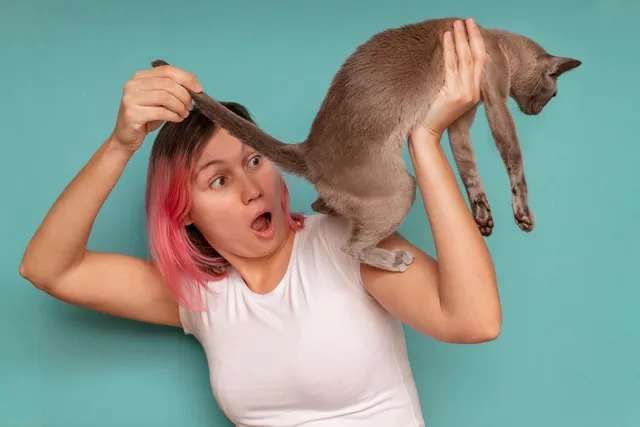
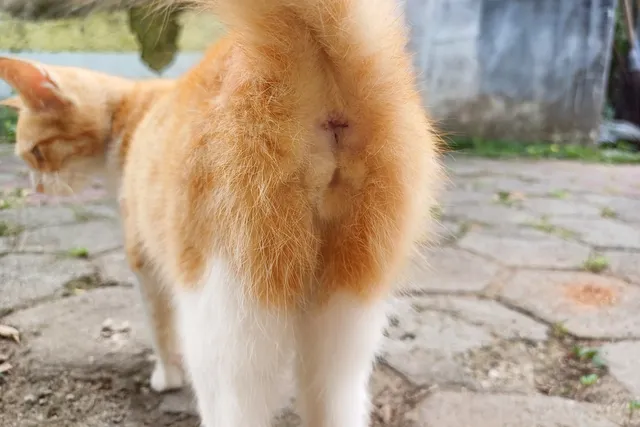
One common trait of cats is that they’re not known for their modesty. When your cat’s way of demanding scratches on their tail in the air grants you an up close and personal view of their rear end, you might notice it looks redder than usual. Inflammation of the anus or the skin around it can lead to this red hue. Why is it inflamed? We’ll go through a few common problems in this article.

The 8 Reasons Your Cat’s Butt Could Be Red
1. Worms
Intestinal worms infect your cat’s gastrointestinal tract, which can lead to inflammation in the intestines, straining, and diarrhea. All this can cause the anus to become irritated and inflamed. The tapeworm is a type of intestinal worm that releases egg packets that look like grains of rice.
These egg packets can stick to the anus, causing irritation. Cats should be given a broad-spectrum wormer every 3 months to prevent intestinal worms. Kittens need to be dewormed every 2 to 4 weeks, depending on their age.

2. Gastrointestinal Upset
As we mentioned, diarrhea can lead to inflammation of the anus. There are many possible reasons for your cat passing loose stools. Commonly, food intolerances, a change in diet, or eating something they shouldn’t have cause diarrhea. Viral, parasitic, bacterial, and fungal infections can also be problematic.
Internal problems like kidney or liver disease can also cause diarrhea. If your cat has gastrointestinal upset, you may also notice signs like vomiting, not wanting to eat, and potentially even abdominal pain or lethargy in more severe cases.
Diarrhea can cause dehydration, which is a real concern. If you think your cat has a gastrointestinal issue, we recommend contacting a veterinarian.
- Catster Recommends: Best Cat Foods for Diarrhea - Our Reviews & Top Picks
3. Constipation
Not being able to poop when needed can cause cats to strain. All the straining can lead to their anus becoming inflamed, but please note if your cat is straining in the litter box, it is very important to rule out a urinary obstruction since it is an emergency.
If your kitty is straining to poop or hasn’t managed to pass feces for a couple of days, they need help. Underlying illnesses, diet, or lifestyle factors can cause constipation. Once the stool has been sitting in the colon for a while, it becomes very dry and difficult to pass. Your cat will need to see a veterinarian to resolve their problem.

4. Anal Gland Issues
The anal glands are two secretory glands that sit around the anus at roughly the 4 and 8 O’clock positions. The anal glands can become impacted, infected, rupture, or even turn cancerous.
Anal gland problems can lead to severe swelling and irritation around the anus. Thankfully, anal gland issues aren’t as common in cats as they are in dogs. However, if your cat has an irritated rear end with no obvious cause, it’s worth having a veterinarian check the anal glands.
5. Dermatitis
If the problem with your cat’s backside looks more like a skin issue, they may have dermatitis. You could see inflammation, hair loss, scabs, or discharge if there is dermatitis around the bottom.
Dermatitis is a non-specific sign but may be caused by allergies, insect bites, external parasites, or infections. For mild dermatitis, there are some home remedies like oatmeal shampoos that can help. However, if the problem is ongoing, your veterinarian will need to make a treatment plan to help your cat.

6. Growths
Growths like benign polyps or tumors like lymphosarcoma can arise from the rectal wall. These growths can cause irritation and difficulty passing feces, which can lead to inflammation around the anus.
These growths need to be felt by a veterinarian doing a rectal exam, but occasionally the growths can be seen if they protrude through the anus. In addition, skin cancers can arise around the rear end that can be red, ulcerated, or inflamed in appearance. In most cases, your veterinarian will surgically remove these growths or biopsy.
7. Intestinal Foreign Body
Intestinal foreign bodies are indigestible materials that your cat has eaten, which have passed into the intestines. Kittens and younger cats are notorious for eating string, bone shards, or sharp objects.
If the foreign body causes an obstruction, it can lead to straining, abdominal pain, vomiting, and lack of appetite. Some foreign bodies can damage the intestinal wall. If the wall is perforated, severe complications like peritonitis and sepsis can occur. You should seek urgent veterinary care if you think your cat is unwell due to an intestinal foreign body.

8. Rectal Prolapse
Rectal prolapse is when part of the rectum comes out of the anus, and it looks like a red bubble or tube. This usually happens after a cat has severe diarrhea or straining, which means the cat usually has a rectal prolapse or another illness.
A rectal prolapse should be treated urgently. Treatment involves an anesthetic procedure to replace the prolapse and potentially surgery, as well as treating the underlying disease.
Final Thoughts
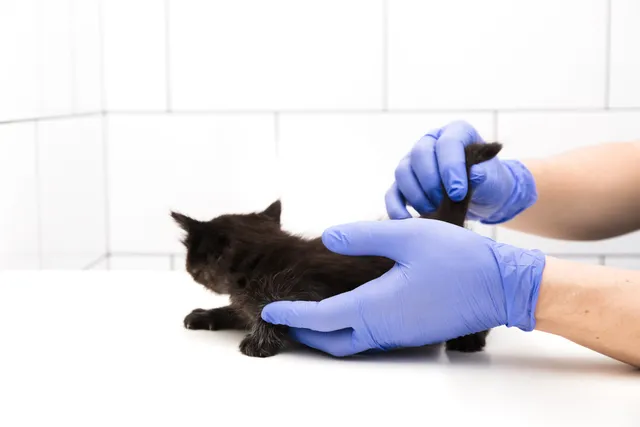
If you’re not sure why your cat’s butt is red, the best thing to do is have them checked by a veterinarian. They can take a history and examine your cat to determine the best course of action. They might perform a rectal exam to check for anal gland issues or growths in the rectum. We hope you’re able to resolve the issue for your cat soon!
Sources
Featured Image Credit: olivier.laurent.photos, Shutterstock
Expert cat care, straight to your inbox
News, insights, and useful advice, delivered to you.

No spam — unsubscribe anytime.
By signing up, you agree to our Terms & Conditions and Privacy & Cookies Policy.
How useful was this post?
Click a star to rate. You can leave written feedback afterwards. (We read all feedback.)
Dr. Ashley Darby BVSc (Veterinarian)
Ash has worked in mixed and small animal emergency clinics and general practice ever since 2017 after graduating from Sydney University. She grew up in South Africa and England before moving to Australia, and her passion for animals came from many childhood safaris in the Kruger National Park.
Ash lives with her husband Ben, two energetic Springer Spaniels, and one very tolerant black cat. She also competes in dressage, eventing, and show jumping with her horse, Atlas.