Why Does My Cat Scratch Around Their Food Bowl? 4 Likely Reasons


In this article
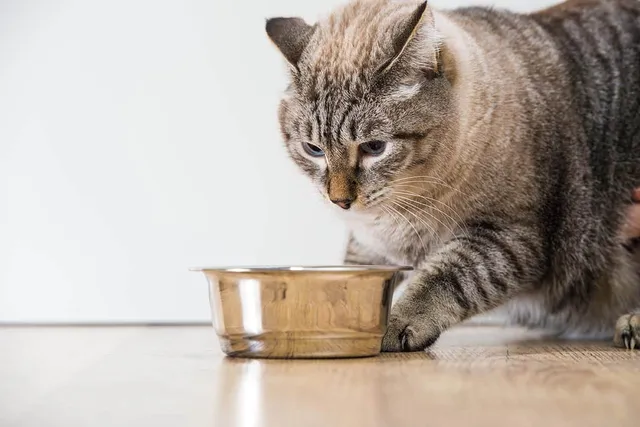
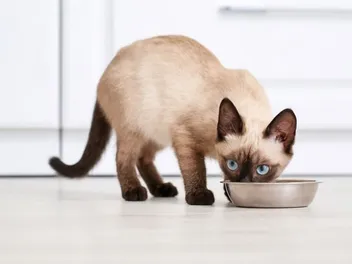
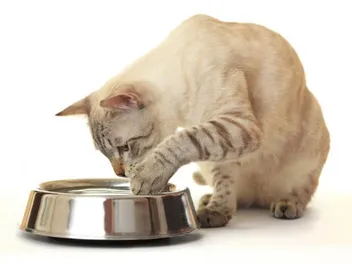
If you've ever had a cat, you know that they can be very particular about their food. They may sniff it, walk away, and come back to it multiple times before they finally decide to take a bite. And, as any cat owner knows, cats like to scratch. They scratch furniture, they scratch their claws on the door frame—and they even scratch around their food bowl. Why do they do this?
Food behaviors and scratching behaviors both have a lot to teach you about your cat’s state of mind and needs. Whether a cat is scratching before or after eating, a careful analysis of what else is going on in their lives can really help you figure out what the problem is. In order to understand what might be going on when this is happening, read on below.

The 4 Likely Reasons Why Cats Scratch Around Their Food Bowls
1. Hiding Leftover Food or Food Smells
Your cat's scratching behavior around their food bowl could be due to a natural instinct to hide their leftover food or even any remaining smell. Your cat's scratching could be a reflex attempt to cover their food. In the wild, cats are obligate carnivores and must hunt to survive. But after hunting live prey, the food leftovers could attract predators.
In burying and covering their food, the cat is able to mask the smell of the food and make it more difficult for predators to find them.

2. Protecting Kittens
One potential reason your cat scratches around their food bowl is to protect their kittens. When a mother cat gives birth, she will often feel a heightened sense of risk. She has more at stake in the world, more to protect. This may give her extra motivation to try to remove anything in her environment that would risk attracting a predator.
Her attempts to scratch around her food and hide the smell are probably not going to be successful in a modern, tiled kitchen. In spite of this, she may still act on some of the instincts that she was born with.
3. You Are Overfeeding Your Cat
Another reason could be that you are overfeeding your cat. If your cat is eating more than they need, they may scratch around the bowl to try to hide the leftover food. If your cat is leaving food in their bowl or scratching around it after eating, it may be a sign that they are getting too much food. Try portioning out their food a bit more and see if that helps.
When a cat is overfed, they often have difficulty digesting all of the food, which can lead to discomfort, other gastrointestinal issues, and eventually obesity.

4. Keeping Their Environment Clean
Your cat may be scratching around their food bowl for a few different reasons. One reason could be that they are trying to keep their environment clean. By scratching around the bowl, they can move the food debris and any potential contaminants away from their eating area. This helps them to maintain a clean and safe space to eat in. Cats are naturally clean animals and they instinctively want to avoid eating in a dirty area. If the area around their food bowl is cluttered or dirty, they may scratch it to tidy up the area before eating.
Additionally, if there is any food or water spilled outside of the bowl, they may also scratch the floor to clean it up.
How to Stop Your Cat from Scratching Around Their Bowl
It is perfectly normal for your cat to behave this way. If they behave in this way, you shouldn't punish them. Using punishment to curb natural behaviors is unlikely to be effective. Your cat may develop serious behavioral problems instead. The key to stopping scratching behavior and perhaps protecting your flooring from damage is how you manage your cat's feeding. Here are our top tips for putting an end to this behavior without freaking out your cat:

- NO MESS - The 360° tray on this cat food and water bowl set has a raised design to catch and contain stray crumbs and drips. Protect your indoors and floors from wet and messy meals!
- WHISKER FRIENDLY - Shallow and wide metal containers with flat bottoms ensure your kitty can enjoy mealtime free from whisker fatigue!
- CHEW-SAFE MATERIALS - Kittens and cats love chewing on silicone and soft rubber - but it's a choking hazard. Our cat feeding station materials are anti-chew for a 100% safe feeding frenzy!
Choosing the right food and water bowls for our feline companions can pose certain challenges for pet owners. The Hepper NomNom Cat Bowl provides a chic and innovative solution that supports cat specific needs, such as shallow bowls and a subtle elevation that fosters whisker relief, posture comfort, and improves digestion. It features an elegant contemporary design with a wide wrap-around tray aimed at minimizing any messes from ending up on your floor! Furthermore, this bowl is entirely dishwasher safe, so pet owners are able to spend more time with their cats instead of cleaning up after them. Discover why the Hepper NomNom Cat Bowl is right for both you and your kitty by clicking here.
At Catster, we’ve admired Hepper for many years and decided to take a controlling ownership interest so that we could benefit from the outstanding designs of this cool cat company!
1. Smaller Portions are Better
Your cat will have nothing to bury if it finishes its food in one sitting. Divide the feeds into smaller portions rather than one or two large ones. This will prevent them from having any food to scratch around or try to bury.
2. Use an Automatic Feeder
By using an automatic feeder, it will be easier to set feeding times and serve small portions. By using this gadget, you won't have to constantly feed small meals throughout the day.
3. Remove Their Bowl After Meals
When your cat finishes eating and goes to bury the food, simply pick up the bowl and store or dispose of excess food. However, this will physically stop the behavior, rather than the cause. You should wash the bowls after every meal to keep them free of bacteria.

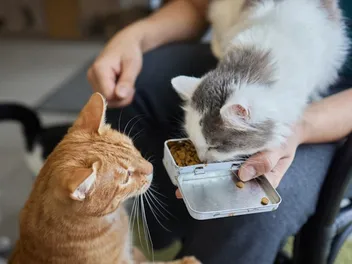
4. Separate Feeding of Cats
Your cats may benefit from being fed separately if the behavior is driven by social factors. This behavior may occur if it feels insecure about its food around others. To prevent your cats from hiding food from each other, feed them in completely separate areas.
5. Feed with a Mat
You can use a feeding mat under your cat's bowls if all else fails and burying behavior simply can't be prevented. By doing so, you can protect your floor from messes and scratches, while still allowing your cat to behave naturally. If you go this route, don’t forget to clean the mat along with the bowl, after every meal.
Conclusion
In conclusion, cats scratch around their food bowls for a variety of reasons. Most of these have to do with instincts and overfeeding. If your cat is scratching around their food bowl, there is no need to worry. By understanding these reasons, cat owners can help to alleviate the problem. If your cat is scratching around their food bowl, try to provide them with smaller meals more often throughout the day.
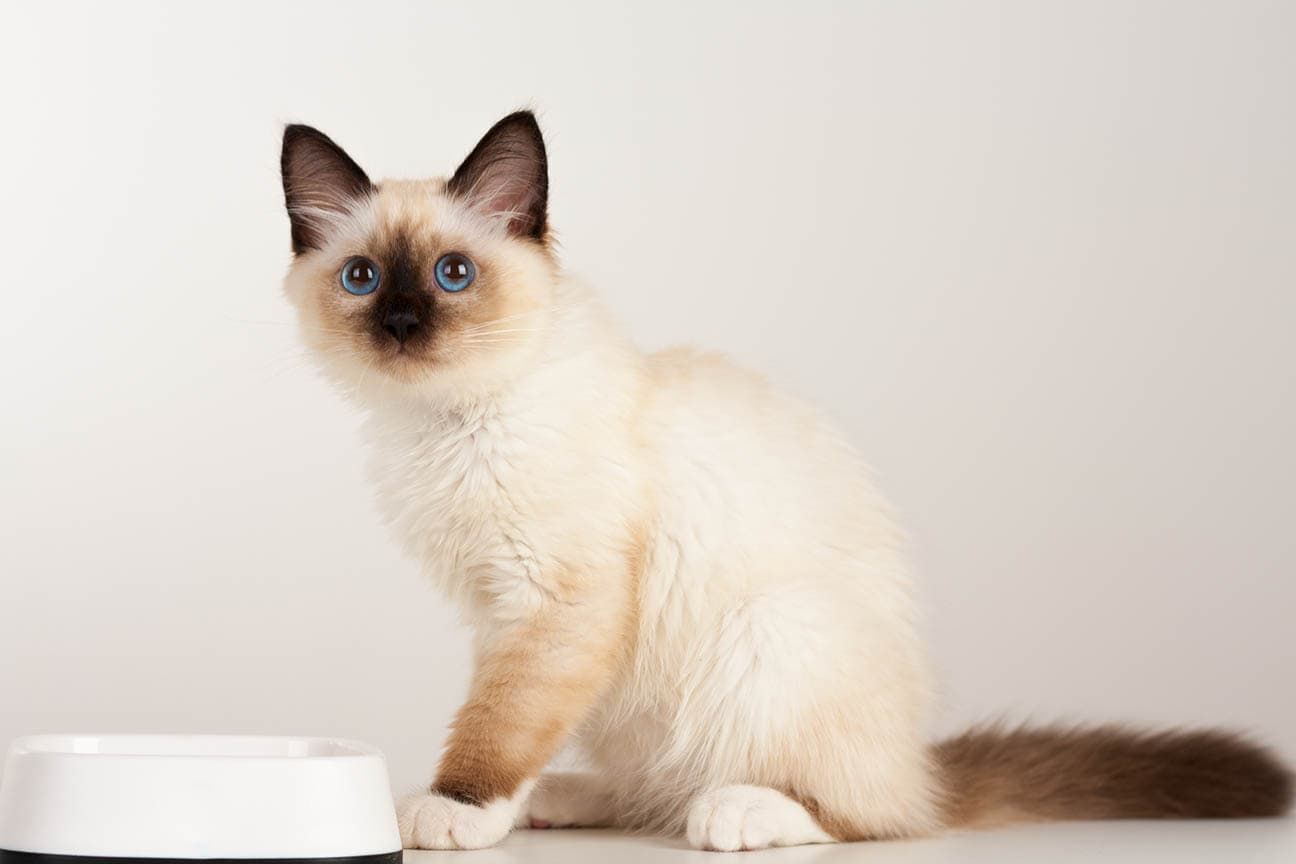
Featured Image Credit: Patrik Slezak, Shutterstock
Expert cat care, straight to your inbox
News, insights, and useful advice, delivered to you.

No spam — unsubscribe anytime.
By signing up, you agree to our Terms & Conditions and Privacy & Cookies Policy.
How useful was this post?
Click a star to rate. You can leave written feedback afterwards. (We read all feedback.)
Christian started writing for a local newspaper as a teenager, and he's been involved in the publishing industry for most of his adult life. Combining his love of writing with a passion for animals, he is currently the Director of Editorial at Pangolia and the Editor-in-Chief at Catster.
Christian lives in the Philippines with his wife, son, and four rescue cats: Trixie, Chloe, Sparky, and Chopper.