Why Do Feral Cats Cry at Night - 7 Vet Reviewed Reasons


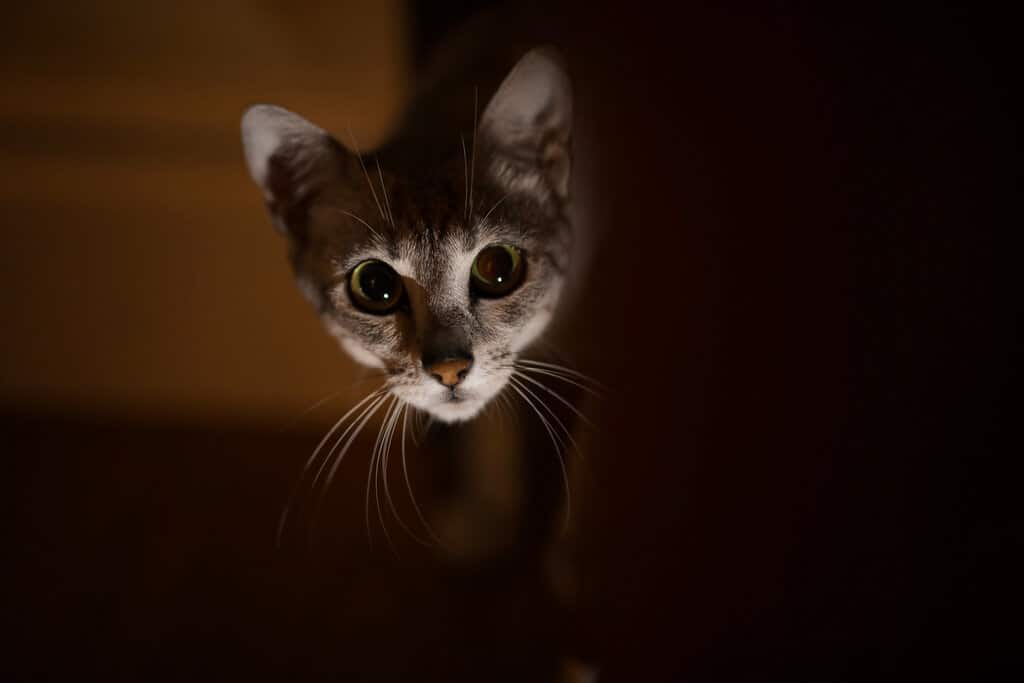
Have you ever been kept up at night with the sounds of cats vocalizing outside your bedroom window? We’ve all been there, which can be frustrating and disrupt our sleep patterns.
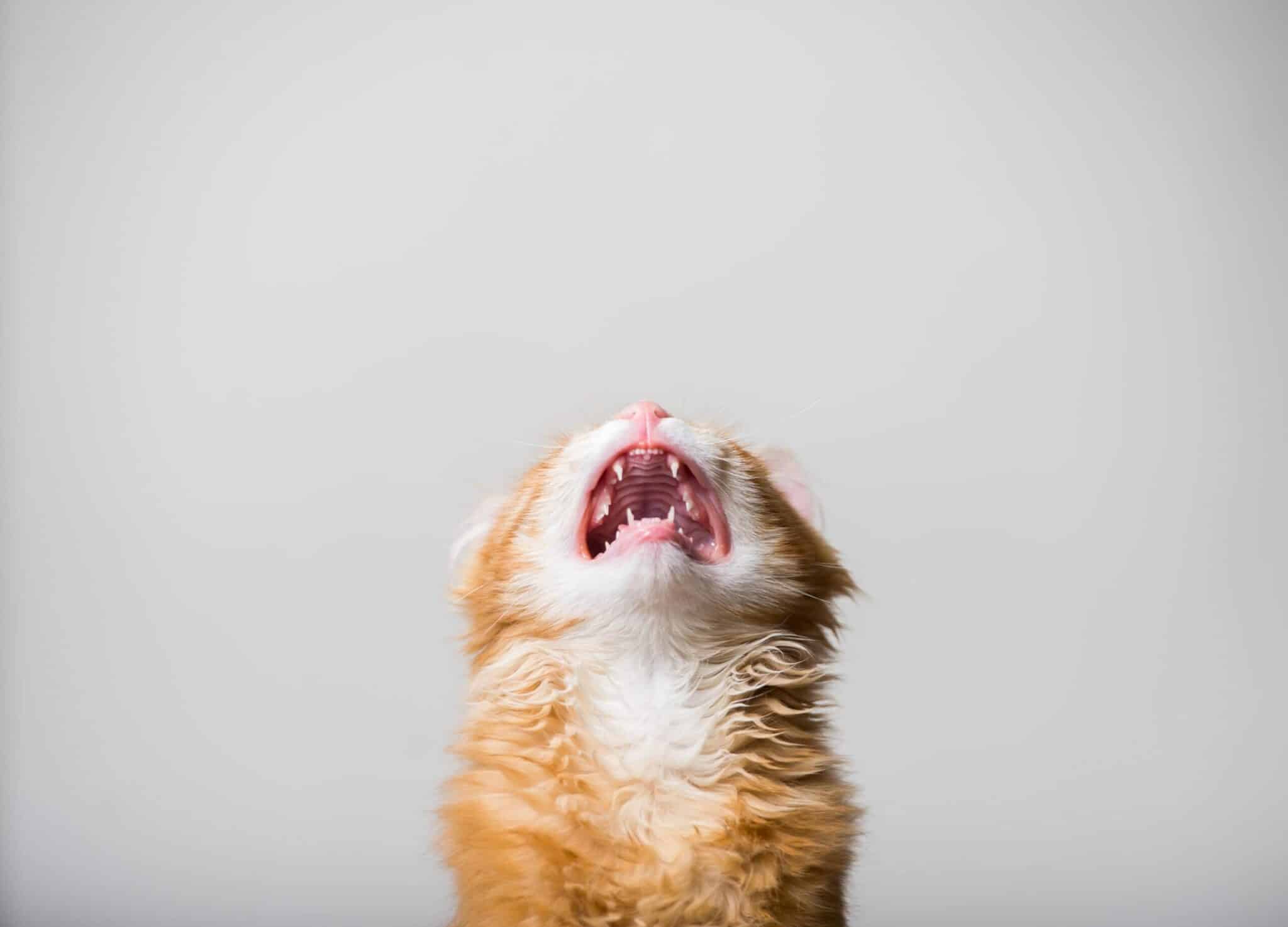
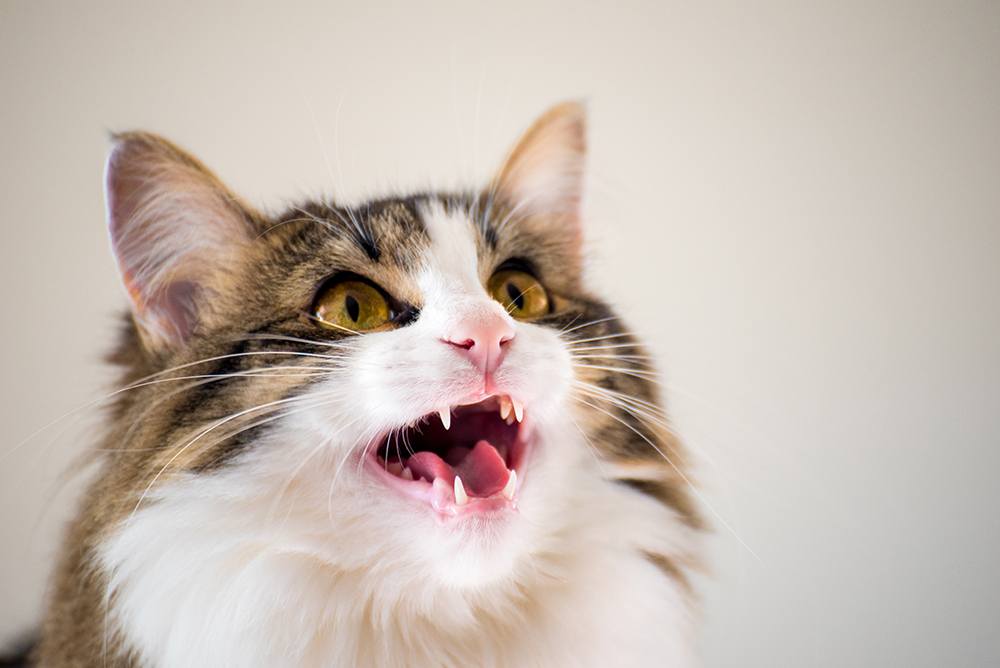
If you have feral cat colonies or a stray cat in your neighborhood, you’re probably curious why the cats stay up all night crying and yowling. From defending their territory and mating behavior to displaying their hungriness, there are many reasons why they’re making a racket.

First, What Is a Feral Cat? How to Distinguish Them from Stray Cats
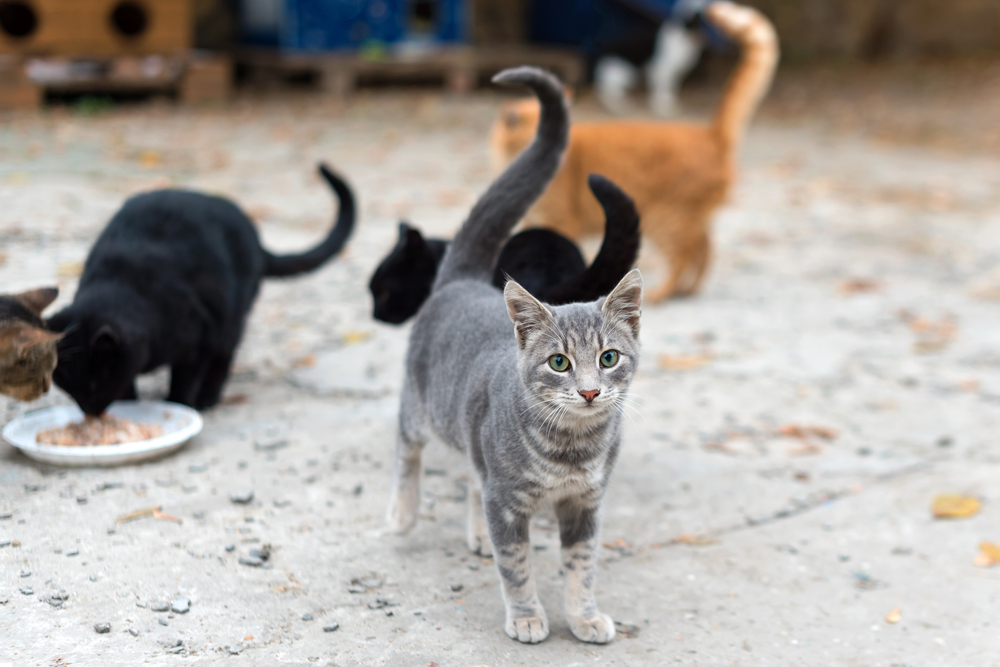
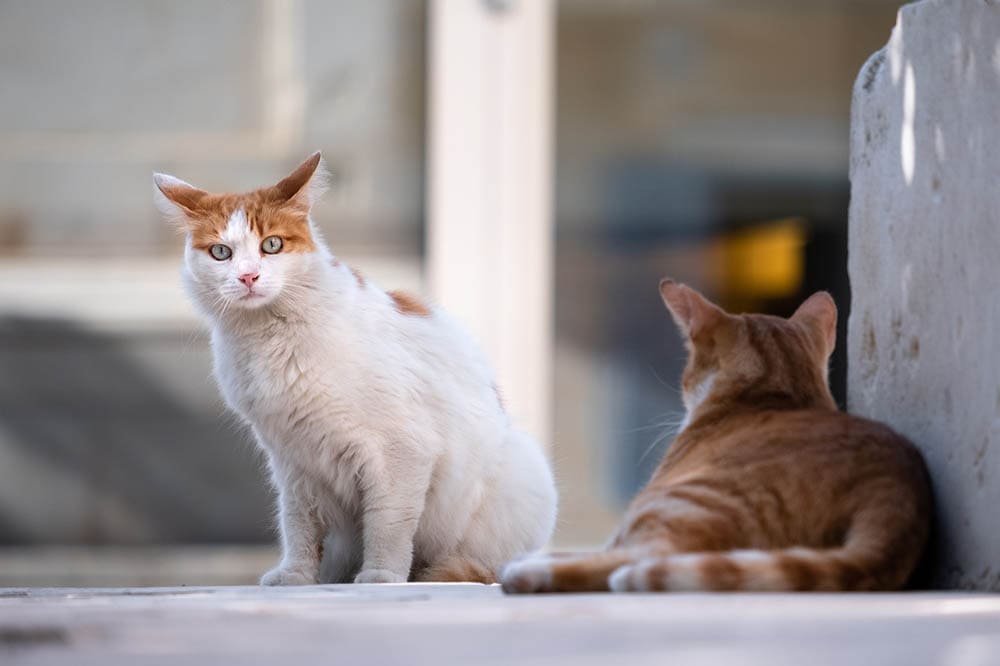
First, let’s explain the difference between a feral and a stray cat. A stray is a cat that has been socialized as a domestic pet but has become lost or left their home for some reason. They may appear anxious and frightened around people, but these cats can often successfully be rescued and rehabilitated as pets in a suitable home environment. On the other hand, a feral cat has not had positive human interactions during the socialization period and is therefore fearful of humans. They have usually never lived with people and are accustomed to surviving in the “wild” 1.
Now read on to find seven common reasons the feral or stray cats in your community are keeping you up at night.
The 7 Main Reasons Why Feral Cats Cry At Night
1. They’re Mating
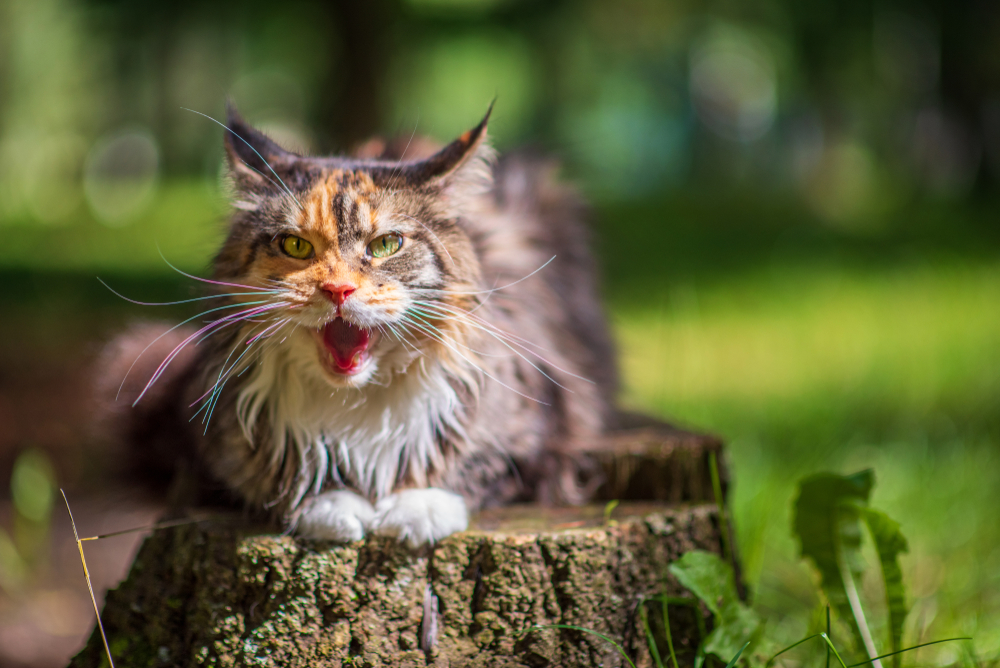
Female cats can produce a scream-like sound when they’re in heat or mating. This shrill, wailing noise is referred to as caterwaul and is persistent and dramatic. This is how cats that are not neutered attract the opposite sex and let them know it’s time to mate. Male cats can also produce this sound when they sense a female in heat.
Female cats will cry and produce various strange sounds while mating due to a male cat’s barbed penis. These barbs scrape against the female cat’s vagina during copulation, putting her in great pain. Females will sometimes put up a fight and try to escape, but the males hold them in place firmly by biting at their necks.

2. They’re Fighting
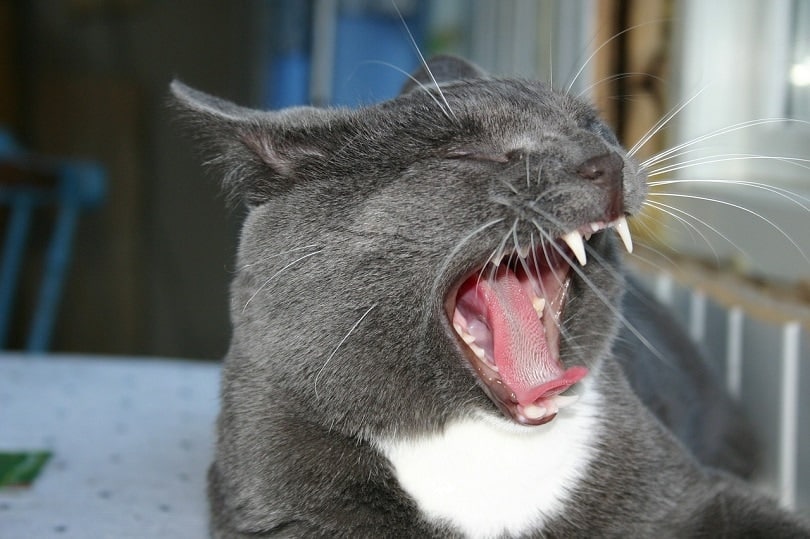
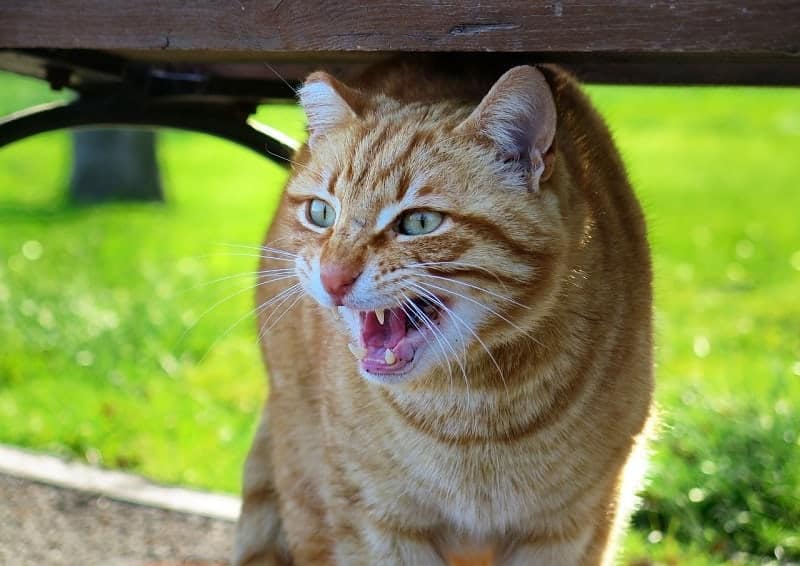
If you’ve ever heard two cats fighting, you know the sounds that escape them are like no other. Even before the actual act of fighting begins, the cats often square up with each other, growling, yowling, hissing, spitting, and crying.
Cats are very particular about their territory. Many cat owners who have tried to introduce two cats to each other can attest to this. The same applies to stray and feral cats, except their territory is on a much grander scale, so the reason you hear feral cats crying at night may be due to territory disputes.
3. They’re in Pain
Cats will cry, yowl, and howl loudly and persistently when they’re in extreme pain. Unfortunately, living on the streets means stray and feral cats can get into all sorts of trouble. They can be hit by vehicles, fight with other animals, or fall victim to countless other injuries.
Most cat owners know the sound of an “in pain” cry versus one indicating hunger, but if you don’t have a cat and are not familiar with their usual ways of vocal communication, these sounds can seem similar. If you find an injured cat and think you can safely take them to the local vet clinic, you can attempt this. However, be aware that cats that are in pain, especially ones that are not used to being handled by people, can still scratch or bite you badly. So it would be best to contact your local shelter or vet clinic first and allow them to advise you on what to do.
4. They’re Hungry or Thirsty
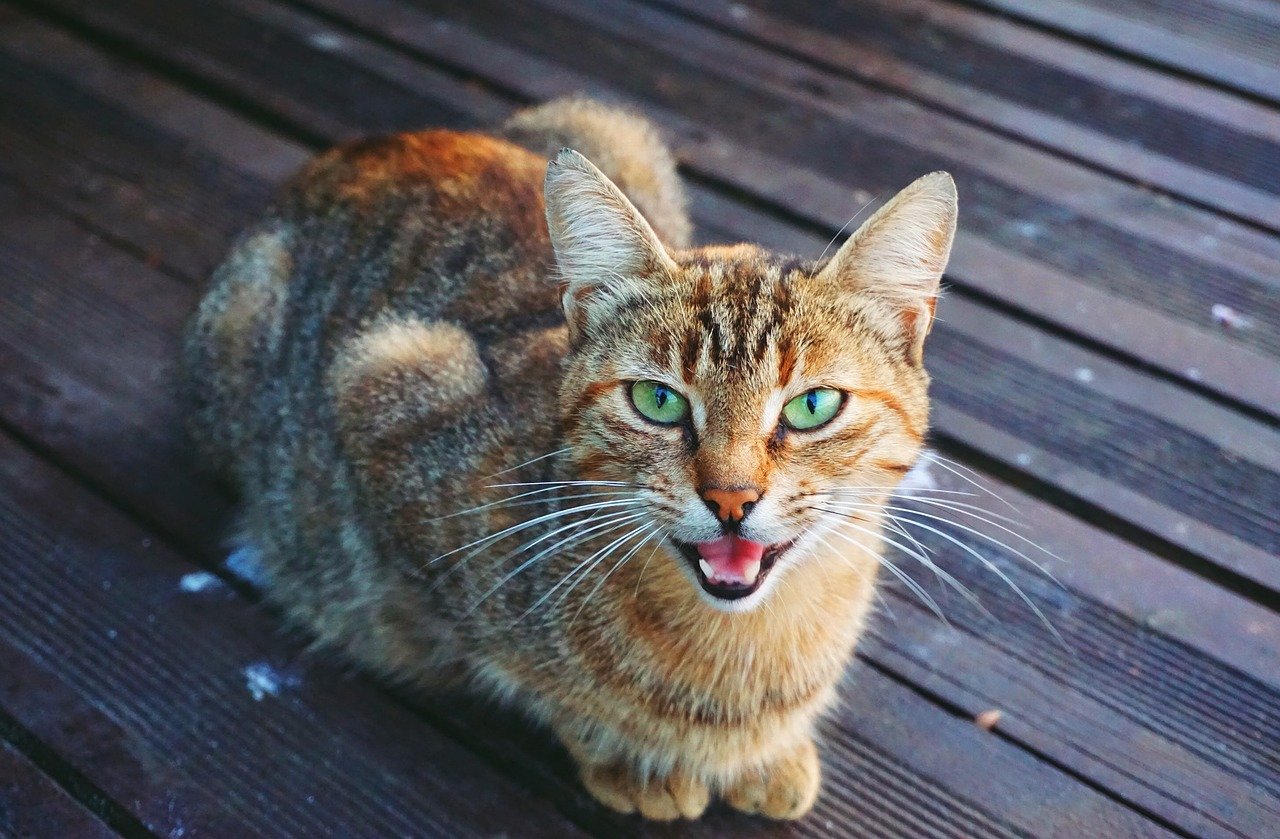
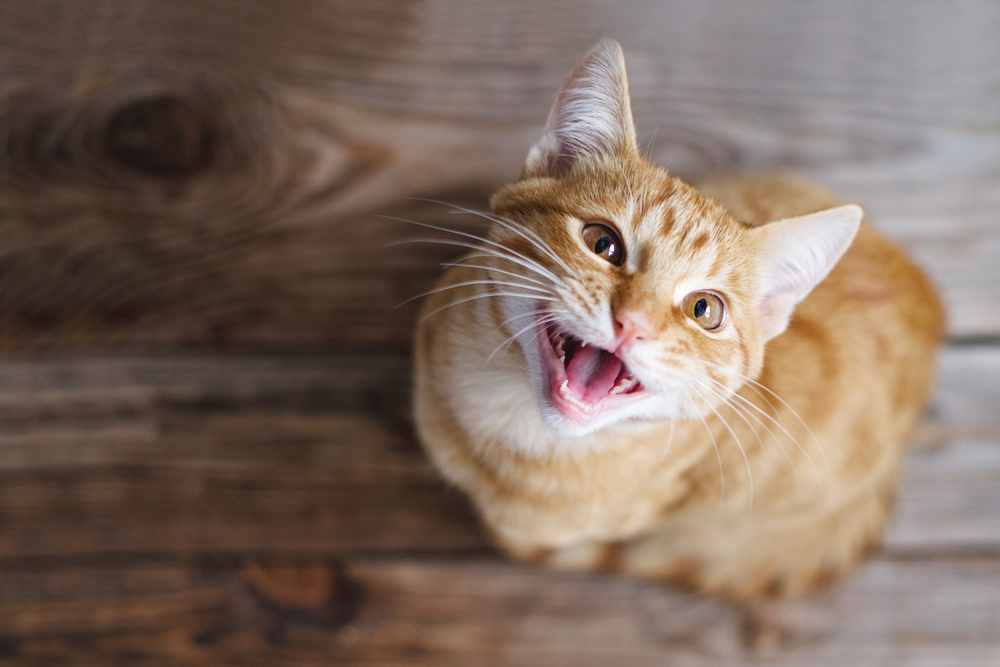
Finding food and clean water when living on the streets can be a challenge. Stray cats can sometimes go for days without eating or drinking, so if you hear the feral cats in your community crying at night, it could be that they’re hungry or thirsty.
Cats are highly intelligent and motivated creatures, so they have ways to find food and water. Feral cats choose to live near humans because they can get into their garbage to find food or prey on the rodents that also rely on our garbage to eat. Lucky for them, stray animals aren’t as picky about their water sources as their domesticated counterparts. They’ll drink from rain puddles or gutters if they need to.
5. They’re Unwell
Cats meow at their owners to try to communicate that they feel unwell. Meowing as a form of communication is used between kittens and their mother, or as a way for pet cats to seek attention from their humans. Feral cats do not have owners, unlike stray cats that might have been pets or raised around people, but it may still be instinctual for them to vocalize when ill. However, this is more likely to be howling or yowling.

6. They’re Afraid or Anxious
Cats that are anxious or fearful can make sounds that resemble a human’s whine or whimper, though yowling and howling are more typical. They might be afraid of another animal or humans in their space, and may be using repeated vocalization to show that they’re stressed out.
7. They’re Lost
Lastly, but no less importantly, pet cats that are lost and can’t find their way home might be crying and looking for attention. Stray cats that have been living outside their home for a while and feral cats are unlikely to meow and cry for this reason, as they have adapted to living independently without the help of people. Continue reading to find out what to do if you believe the cat keeping you awake all night might actually be someone’s lost pet.
What Should I Do About the Feral Cats in My Neighborhood?
If the cat is very friendly and affectionate, it might be someone’s lost pet, so you may want to advertise them on your social media or on the radio to help their owner find them. However, never try to catch a stray or feral cat on your own; as sweet as they can seem, they might think of you as a threat and feel cornered if you attempt to pick them up or put them in a box. It’s best to contact your local shelter or stray animal catcher and see if they can assist in catching the animal and checking if they have a microchip number. This way, they might get reunited with their owner.
A final option, depending on your jurisdiction and the local rules and regulations, might be actually caring for these cats after they have been neutered. However, this is not a decision to take lightly, as every cat is a big responsibility, especially one that is feral. If you decide to start offering them food and water, you have to be aware of the risk of other feral cats and strays coming to feed as well, along with other animals. This means there is a higher chance of disease transmission between these animals. Plus, you can get bitten or scratched and potentially pick up some nasty infections. These are not cats that you can cuddle and give affection to, as they have learned to live without your help and are mostly doing fine. If you do decide to provide them with food and/or water, be aware that they will get used to this and become more reliant on you as a source of their food, rather than scavenging and hunting. So this is something you would need to accept as a responsibility and continue doing long-term.

Should I Feed Feral Cats?
Please be mindful that in some jurisdictions, feeding feral animals that aren’t neutered or spayed is strongly discouraged. For example, the AVMA doesn’t recommend feeding feral cats for public health reasons. Areas frequently visited by feral cats may have many different pathogens present in the environment (including microscopic ones that you can’t see). In the event of a heavy feral cat population near your residence, please contact the local authorities and follow their lead. Feeding feral cats without any intention of adopting, neutering, or rescuing them is considered counterproductive to animal welfare, as the animals will continue to reproduce in the area while still facing the many struggles of being feral. Feeding feral cats with the intention of rescuing them is considered acceptable in most instances.
As we already mentioned, do not attempt to trap a feral cat. Depending on the laws of your city, state, or country, this might be illegal. Please be mindful that trapping may capture other animals as well, some of which may be legally protected species.
Final Thoughts
Feral and stray cats can be incredibly annoying with the sounds they make in the middle of the night. But hopefully, our article has shed some light on why your neighborhood cats are yowling so much. As tempting as it can be to provide the kitty with what they’re asking for (e.g., food, water, shelter from the cold, etc.), it’s best to first speak to a local neutering clinic, shelter, or vet practice to get advice and learn the local rules and regulations. It’s in your best interest not to engage in order to avoid encouraging the behavior and unintentionally welcoming the cat back into your yard.
If the cat gets neutered or spayed, you can and wish to provide them with food and water in the long term, and you accept the risks and responsibilities that come with it, this might be an option as well. Please do keep in mind the public health risks associated with feeding neutered and spayed feral cats and do not make this decision lightly, as the cats will get used to having a constant source of food and water, which will make them less competent to care for themselves if you decide to stop feeding them.
Featured Image Credit: Anastasiia Chystokoliana, Shutterstock

Expert cat care, straight to your inbox
Vet-reviewed advice, behavior tips, and the best of Catster. Free, and you can unsubscribe anytime.
By signing up, you agree to our Terms & Conditions and Privacy & Cookies Policy.
For Chantelle, writing and animals are the two driving forces in her life. Growing up on the Canadian prairies surrounded by pets, she now shares her home with five cats, two guinea pigs, and a bearded dragon. Chantelle, her husband, and their child pride themselves on being dedicated pet parent, even spending a fortune on wall-mounted cat shelves to provide their cats with an indoor jungle gym. When she's not snuggling with her cats or photographing their humorous moments, Chantelle is exploring the Rocky Mountains, rewatching her favorite Netflix series, and reading up on various random subjects.
Join the conversation
Ask a question, share your story, or send private feedback.