Cats & Stalking: Why Do They Do It? 4 Vet-Reviewed Reasons


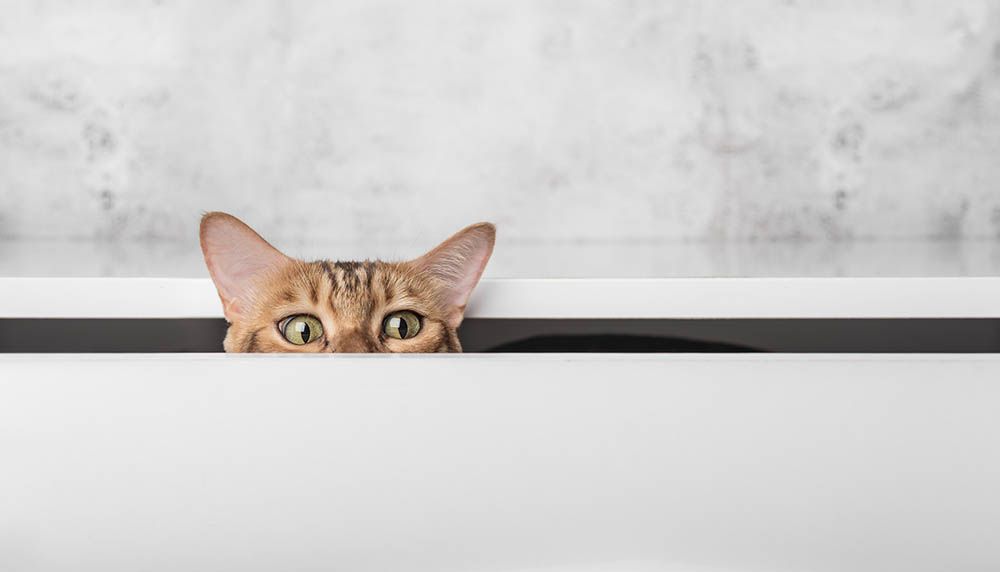
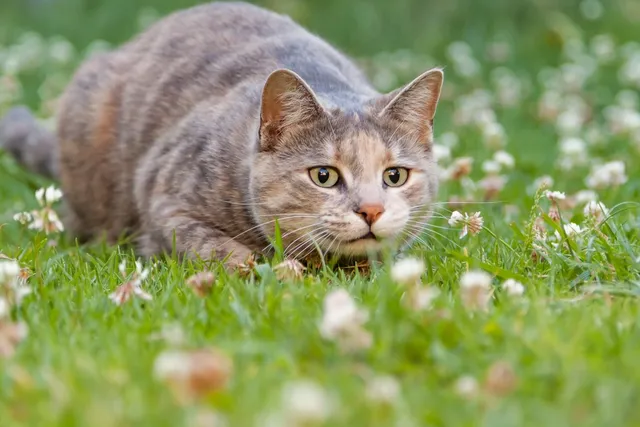
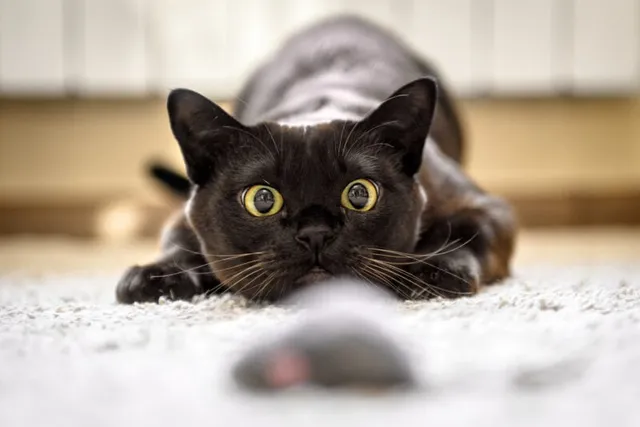
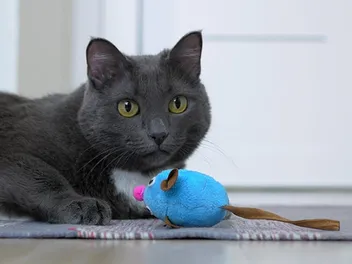
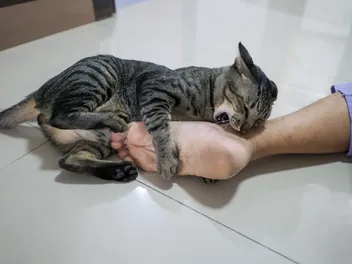
It’s happened to all cat parents—you’re walking through the house, minding your own business, when you notice your kitty is stalking you intently before they suddenly strike, attacking your ankles! You’ve also seen your feline stalking its toys, bugs, and even mice. But why do cats stalk things?
Turns out there are a few reasons, but the best explanation is that as hunters, it’s just in their nature. Want to learn more about cat stalking and why it happens? We’ll share the possible reasons felines are prone to this behavior and how you can discourage it if it’s leading to your ankles being constantly attacked.

Top 4 Reasons Why Cats Stalk
Your cat has a few reasons for its stalking behavior, but a big chunk of the cause is that it’s in your pet’s DNA, and instincts are hard to ignore. As ambush predators, cats need to stalk their prey and conceal their presence as best as possible to maximize the chances of success.
1. Natural Instinct
Did you know that your kitty shares 95.6% of its DNA with tigers1? It’s true! It’s theorized that domesticated and big wild cats came from the same ancestor, but house cats diverged from the family tree roughly 10.8 million years ago. But that shared DNA means your cute little kitty still has the instincts of a wild predator.
You’d think that since your cat doesn’t need to stalk and hunt down prey to be fed, they would have lost the urge for the behavior, but it’s not that simple. Your cat's body is built to be a stealthy predator, and their brain is naturally hardwired toward stalking, hunting, and pouncing. So, when your kitty stalks you or one of their toys, it’s because that instinct has kicked in. Cats also don’t mind hunting even when satiated, so being well-fed doesn’t mean a cat will stop stalking “prey” around the house.
2. Redirected Aggression
Though it’s not a well-accepted consensus, some theories postulate that felines can get frustrated just like us2. But unlike us, they don’t have many outlets to express that frustration. Whereas we would punch a pillow, hit the gym, or even yell, your cat is much more limited in their options for releasing frustration. Sometimes, cats resort to aggressive behaviors when they are agitated. There are also instances where a cat may end up redirecting their aggression on their humans, and they may attack you out of the blue in response to another stressor.

3. Learned Behavior
Our feline friends are quite intelligent, and they learn from watching us. So, if your cat routinely stalks and attacks your ankles, take a look at your response to this behavior. If you give your kitty attention after they do this (positive or negative) or start playing with them, that’s positive reinforcement, and your pet will continue to stalk you. For instance, if your cat stalks your ankles and you offer them a treat, they will quickly learn that stalking you will result in a positive experience for them.
4. Boredom
Sometimes your kitty goes into stalking mode because they're simply bored. If your cat isn’t getting enough mental and physical stimulation, it can easily lead to you or other things being stalked. You might think your cat doesn’t need a lot of exercise—after all, felines spend the majority of the day sleeping—but that isn’t true.
Our feline friends need daily activity and require mental stimulation too. And if they don’t get enough of either, they can get up to mischief. Therefore, it's important to ensure your cat has sufficient avenues to channel their boredom, such as cat wheels, cat trees, interactive toys, or dedicated playtime with you.


How to Discourage Your Cat From Stalking
Remember that stalking is a natural instinct for our cats, so you wouldn’t be able to prevent it entirely. But if your kitty has taken to stalking your ankles every time you move, you can discourage them from doing that.
The best ways to do this are by:
Looking for toys that will cater to the many needs of your cat? The Hepper Hi-lo Cat Scratcher is one of our favorite cat products, and it will encourage your cat to get active. Its clever three-angle design offers multiple ways for your cat to climb, stretch, and exercise. Made of a sturdy plywood base and a replacement cardboard insert, this scratcher is an option that cats can enjoy for years to come. If your cat requires a little encouragement for self-play, the Hepper Catnip Mice Toy Set is a fantastic choice for their instinctual needs. Made with natural, bite-resistant hessian fabric and filled with organic catnip. Cats can satisfy their natural prey instincts while getting the physical activity they need to thrive.
| Image | Product | Details | |
|---|---|---|---|

|
Hepper Hi-Lo Cat Scratcher |
|
Check Price |

|
Hepper Catnip Mice Toy Set |
|
Check Price |
At Catster, we've admired Hepper for many years, and decided to take a controlling ownership interest so that we could benefit from the outstanding designs of this cool cat company!
For especially problematic cats, the services of a professional (your veterinarian or a cat behaviorist) are advised. Remember that some cats display an increased amount of aggression and hyperactivity when they are medically unwell. For instance, cats with hyperthyroidism can be easily agitated and are often quick to attack.

Final Thoughts
While there are a few reasons that cats like stalking, the biggest reason is that it’s simply a part of their DNA. Since our domesticated kitties share so much DNA with big wild cats, stalking is an instinctive behavior they need to engage in. Your cat might also be practicing the fine art of stalking for other reasons, such as boredom, redirected aggression, or because they want your attention.
No matter the reason, though, this is natural feline behavior. While you likely won't be able to curb it entirely, you may want to discourage your pet from stalking you while you move through the house if that has become a problem. The best ways to do this are by redirection (in the form of toys as alternatives to stalk), providing plenty of exercise for your kitty, and not giving your cat positive reinforcement.
Finally, do not hesitate to seek professional help if your cat seems overly agitated and aggressive, as these can be signs of an underlying health issue.
Featured Image Credit: Svetlana Rey, Shutterstock
Expert cat care, straight to your inbox
News, insights, and useful advice, delivered to you.

No spam — unsubscribe anytime.
By signing up, you agree to our Terms & Conditions and Privacy & Cookies Policy.
How useful was this post?
Click a star to rate. You can leave written feedback afterwards. (We read all feedback.)
Misty Layne lives out in the woods in small-town Alabama with her two Siamese cats —Serafina and Jasper. She also has an array of stray cats, raccoons, and opossums who like to call her front porch home. When she’s not writing about animals, you’ll find her writing poetry, stories, and film reviews (cats, by far, her favorite writing topic, though!). In her free time, Misty enjoys chilling with her cats, playing piano, watching indie and foreign films, photographing abandoned places, and catching up on her never-ending TBR list.