Get

In Your Inbox

Catster is reader-supported. When you buy via links on our site, we may earn an affiliate commission at no cost to you. Learn more.

Why Do Cats Have Black Lips? How This Trait Evolved

Share

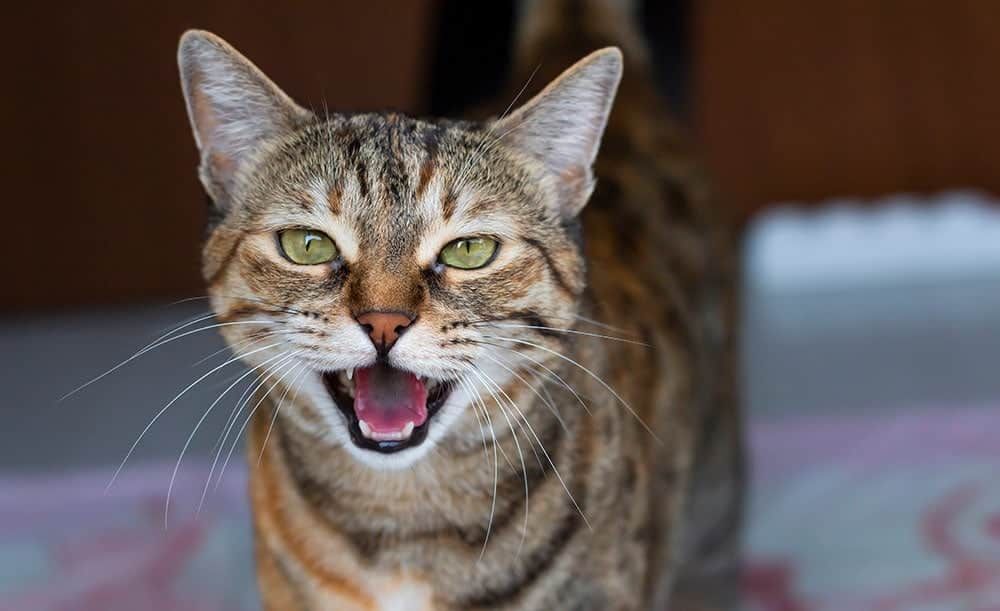
Tabby-cat-meows-with-its-mouth-open

Cats are fascinating animals, not only because of their silly antics but also how close they are to their wild counterparts. Domestication has only influenced 13 genes in our pets. Selective breeding has had a greater impact, yielding the 73 breeds accepted by The International Cat Association (TICA). They come in a broad spectrum of colors, patterns, and sizes, from the relatively enormous Maine Coon to the regal Persian.

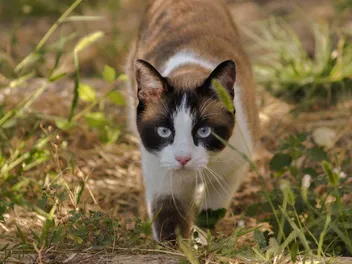
Among the apparent differences are the variations in the color of the animals’ noses, ears, and lips. Have you ever noticed that your cat has pure black lips and wondered why? Again, selective breeding is at work, with official standards for each one. However, cats with black lips can trace their origin back 130,000 years to a wild common ancestor with the African Wild Cat (Felis silvestris lybica). Therein lies the fascinating answer to this question.


What Is Melanism in Animals?

Melanism describes the condition of a high concentration of the pigment melanin that accounts for the dark coloration of scales, fur, and hair in the animal kingdom. It also applies to a cat’s lips. Melanism isn’t always an all-or-nothing thing. Think about the color variations you see in many species, such as coyotes, chinchillas, and cats. Scientists refer to this trait as polymorphism for melanism or multiple variations.

The benefit is clearly demonstrated by the evolution of the so-called peppered moth. Environmental pressures caused by the Industrial Revolution led to a novel adaptation in these insects that allowed them to survive. The reason was camouflage. The change in coloration made it more challenging for predators to find their prey. That also explains polymorphism for melanism in cats.

Abyssinian-cat-opened-its-mouth
Image By: Slava Dumchev, Shutterstock

Melanism in Felines

Cats are obligate carnivores and must hunt for food to survive. Many felines stalk their prey and rely on stealth. Most are either active during dusk and dawn or crepuscular or come out at night and are nocturnal. Camouflage comes in handy for these lifestyles. It also explains the range of melanism, from the spotted leopard to the tabby coloration of the African Wild Cat.

The takeaway message from the peppered moth case is that white makes you visible to your cohorts and prey. A cat with light-colored mucous membranes will similarly stand out when they open their mouth to yawn. It doesn’t take much to put a prey species on high alert. It’s worth noting that felines aren’t always successful hunters, with many only prevailing 60% of the time or less. Black lips can be advantageous.

We must also put melanism in context with feline communication. Felines rely heavily on smell for a good reason. Your kitty has 200 million olfactory receptors to your 5 million. That ability allows them to detect prey from over 650 feet away. However, remember the typical cat’s activity period. They are hunting during low-light conditions. And felines don’t see distance well compared to our vision.

Why Aren’t All Cats Black?

That means a dilemma exists of being an all-black feline. Visual communication is essential, especially between conspecifics and offspring. Many species have white or light-colored fur on the backs of their ears to make it easy to be seen when it’s important, such as bringing food to their kittens. It’s also a distinguishing feature of the African Wild Cat.

The placement of the light coloration is significant. It allows the animal to communicate visually with cohorts while preventing prey or other predators from detecting their presence. It also explains polymorphism in melanism with its varying degrees.

Interestingly, research has shown being an all-black feline is a limiting factor to evolutionary success because it interferes with necessary visual communication. That’s true for wild felines, but it’s a different story with domestic cats. The same study suggested a decrease in the normal appearance of our pets because the same environmental pressure doesn’t exist.

That’s why you’ll see entirely black cats, including their lips and ears. The chances are your pet follows your household’s activity pattern and is diurnal instead of crepuscular or nocturnal. However, there’s another wrinkle to our tale that we must discuss.

black bombay cat sitting on grass
Image Credit: xiclography, Pixabay

Abnormal Pigmentation

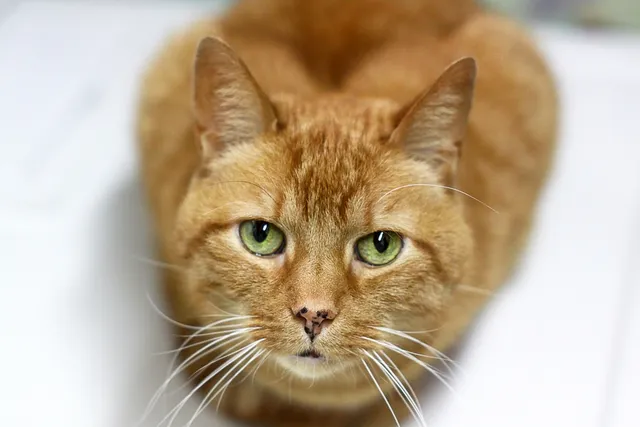
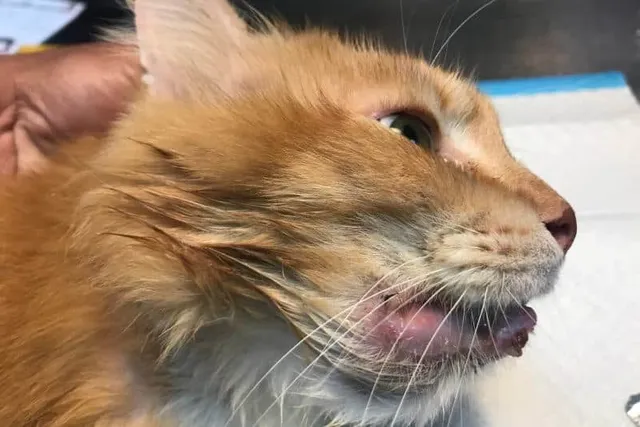
Some cats that have light-colored lips and mucous membranes may develop black spots on these areas, typically occurring under 1 year old. Veterinarians usually see it in orange male felines, referring to this condition as lentigo. This coloration is also similar to the African Wild Cat, supporting a genetic link to its development. The spots are not cancerous nor a cause for concern.

divider 2 cats

Final Thoughts

Black lips in cats are likely a holdover from the distant past when wild felines hunted the grasslands and steppes of their native land. They may have given them a competitive edge to improve their success and survival. After all, it’s not easy making a living, even if you are an apex predator. Evolution is nature’s selective breeding, with the ultimate goal of passing your genes onto the next generation.


Featured Image Credit: Kaan Yetkin Toprak, Shutterstock

Want content like this delivered to you?

Sign Up For Our Newsletter

News, insights, expert advice, and everything cat

* By submitting, you agree to our Terms & Conditions and Privacy & Cookies Policy.


How useful was this post?

Click on a star to rate (you can leave written feedback after clicking submit)

Help us improve Catster for pet parents!

Your feedback really matters.

What did you like about this post? Also how can we improve it?

Join the conversation

Leave a Reply

You’re very welcome to leave a comment or question. Please know that all comments must meet our community guidelines, and your email address will NOT be published. Let’s have a positive and constructive conversation.


Talk With A Vet Online

Peace of mind,
anywhere, anytime

Affordable vet advice

Why Chicken Bones Are More Dangerous for Cats Than Most Parents Realize

Chicken bones seem harmless enough, but for cats, they can cause serious damage quickly. Whether your cat swiped a piece off the counter...

Fantastic Pet Pantries and Where to Find Them

Let’s face it: times are really tough right now, and those of us in the 99% are struggling with the cost of just...

Ask Dr. Paola – Help! My Cat Refuses to Drink Water! (April 13, 2026)

Welcome to our “Ask Dr. Paola” series, where every Monday we bring expert advice straight from Dr. Paola Cuevas (MVZ) to help our...

Why Healthy Cats Still Vomit Sometimes (And How to Respond)

A cat that just vomited needs a specific kind of care, and the feeding decisions you make in the next few hours actually...

More related

10 Best Cat Trees Under $50 in 2026 – Reviews & Top Picks

No one wants to see giant shred marks in their favorite upholstery, but elaborate cat trees can be expensive. Now, you don’t have...

13-18-Month-Old Kitten: What to Expect (Vet-Approved Guide)

When your kitten has turned from a cute ball of fluff to a full-sized killing machine, you may wonder just how much is...

Can Cats Eat Pepperoni? Vet-Reviewed Nutritional Facts & Safety Info

You might have left out a leftover pizza only to be interrupted by a phone call. When you come back, you find your...

7 Adorable Short Eared Cat Breeds (With Info & Pictures)

Modern domestic cats still resemble their ancestors in many ways, from leopard-like spotted coats to tiger-like stripes and large, lynx-like ears. But there...

Keep reading

Crave Cat Food Review 2026: Recalls, Pros & Cons

Crave Cat Food is manufactured by Mars Petcare and has been on the market since 2017. The brand currently offers a limited variety of dry foods, all of which are grain-free and high in protein. The food is affordable and...

Crave Cat Food Review

Do Cats Play Fetch? Trainable Breeds & Useful Tips

Fetch has long been associated with dogs. This active game is so pleasing to dogs, as they’ve spent centuries domesticated to work with and for humans, many for retrieving purposes. Cats have also been domesticated for a long time, not...

Main Coon running on a field

Can Cats Eat Ginger? Vet-Approved Nutritional Info & FAQ

Ginger has many bioactive compounds like phenols which make it beneficial for human consumption. But can cats have ginger? Yes. Besides being safe for cats to eat, ginger may have several potential health benefits. However, you should not provide ginger-flavored...

Can Cats Eat Ginger

My Cat Isn’t Interested in Playing: 5 Vet-Reviewed Reasons & Solutions

Playing is beneficial for cats in so many different ways as it encourages independence, promotes positive brain development, relieves stress, and keeps your cat healthy. Because of this, playing is an essential activity in every feline’s life, and most felines...

two cats playing with a toy indoors

Is Weed Killer Safe for Cats? Vet-Reviewed Facts & FAQ

Weed killers are ideal for keeping your lawn pristine, but are they safe for the kitties passing through? The answer is that it depends on the type of weed killer you’re using and how you use it. Some products are...

man spraying weed killer in a red container

How to Tell If a Cat Is Going Into Labor: 6 Vet-Approved Signs to Look For

If your cat is expecting kittens, it can be an exciting time waiting for those adorable little bundles of fluff to arrive. You’ll want to make sure you have everything ready, so you should start watching for early signs of...

pregnant cat lying on the table

My Cat Just Had Kittens, What Do I Do? (7 Vet-Recommended Tips)

If you’ve been waiting patiently for your cat to have her kittens, and now the time has come, it can be stressful. But if you’ve never overseen a kitten birth or cared for a cat mom and her newborn babies,...

mother cat and its kittens

My Cat Ate a Mouse: Vet-Approved Dangers & Prevention

Cats are born hunters, and it’s natural for them to pursue and catch prey such as mice. If your cat just consumed a mouse, you may be wondering if you need to be concerned. What if your buddy ate a...

My Cat Ate a Mouse

Love Cats? So Do We! Join the Catster Community

Stay informed with expert pet care insights delivered straight to your inbox! Discover professional guidance on animal behavior, feeding tips, trusted product picks, and much more.


Sign up for the Catster Email Newsletter

Stay informed with expert pet care insights delivered straight to your inbox! Discover professional guidance on animal behavior, feeding tips, trusted product picks, and much more.