Why Do Cat Scratches Itch? Our Vet Explains 4 Common Reasons


In this article
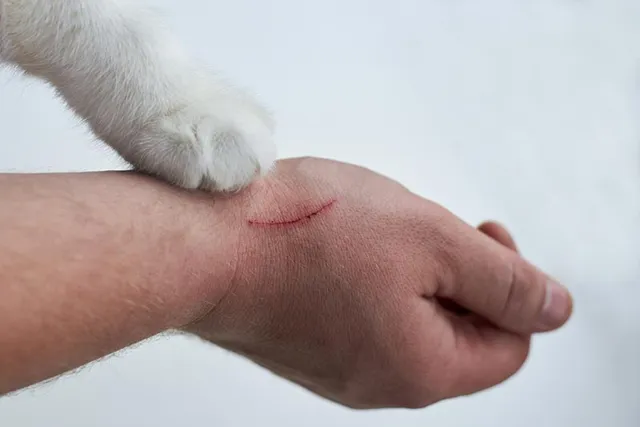
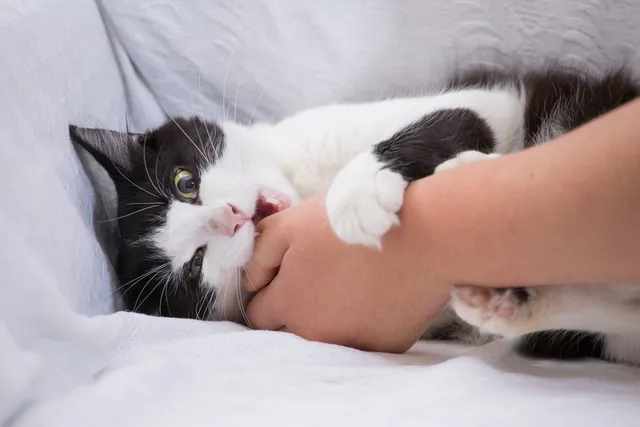
It is not uncommon for cat owners to get scratched from time to time, whether by accident during play or as a result of an irritated swat. Most of us know how important it is to clean the area right away to prevent infection. Even when cleaned properly though, cat scratches often feel itchy.
So why do cat scratches itch? Well, there are several possible reasons for this.
Common causes for itching:
This article will discuss each of these in more detail.

The 4 Reasons Why Cat Scratches Itch
1. Skin Barrier Disruption
Anything that breaks the skin, including a cat scratch, can cause our cells to release inflammatory molecules1. These molecules activate specific nerve fibers, which produce a sensation of itchiness. This is a normal process but the degree of itch can vary from person to person. People with pre-existing skin conditions (e.g., eczema) may react more intensely than people with healthy skin.
Tempting as it may be, it is important not to scratch at the area! This may actually increase the itchy sensation through something called the “itch-scratch” cycle2.
Covering the wound with a bandage may be helpful, and your doctor may be able to recommend a topical cream or ointment to provide some relief.
2. Normal Part of Skin Healing
When our skin is injured, healing occurs according to the following pathway:
- Any bleeding is stopped by specialized cells called platelets; they form clots, which dry into scabs
- Underneath scabs, an inflammatory response occurs and white blood cells arrive to clean the wound by “eating” debris and bacteria
- New blood vessels are created, cells called fibroblasts produce collagen, and the edges of the wound are pulled together (contraction)
- The collagen is remodeled and the scab falls off, revealing either new skin or a scar (depending on the size of the wound)
Some of these stages naturally produce an itchy sensation. For example, we have all experienced the itch associated with a scab! Try to resist the urge to scratch, however, as this may delay healing and increase the likelihood of scarring.

3. Bacterial Infection
Cats’ nails often harbor bacteria that can contaminate wounds resulting from scratch injuries.
Signs of an infected wound include:
If you are concerned that a wound resulting from a cat scratch may be infected, seek medical attention promptly.
Some cats carry a specific bacteria called Bartonella henselae which, in rare cases, can lead to cat scratch disease3.
4. Allergy to Cats
Allergies to domestic cats are reportedly becoming more common, particularly in the Western world. These allergies are currently thought to be caused by a specific protein (Fel d 1), which is primarily secreted from:
- Feline sebaceous glands (which secrete sebum, a skin moisturizer, into hair follicles)
- Feline salivary glands (which secrete saliva)
If you are allergic to cats and happen to be scratched by one, you will likely feel itchier than a person who is not allergic to cats. In addition to standard wound care, ask your doctor if an antihistamine medication might also be helpful. This can either be taken by mouth or applied directly to the wound as a topical cream or ointment.


Is There Anything I Can Do to Help Manage My Cat Allergy?
People who are allergic to cats and come into contact with them regularly (at home and/or work) may wish to consult their doctor about strategies to help reduce their allergy symptoms.
These might include:
Purina has developed a very unique cat food that may help reduce the allergy-causing potential of cats who eat it, but this should not be considered a guaranteed fix. Always talk to a veterinarian before changing your cat’s diet.
Certain breeds may be less likely to cause allergic reactions than others, but there is no such thing as a truly “hypoallergenic” cat. Every person’s immune system is unique, so it is a good idea to spend time with a cat you are considering bringing into your home (to make sure they do not trigger allergy symptoms) before making a commitment.

How Can I Protect Myself from Cat Scratches?
Here are some things you can do to reduce your risk of being scratched by a cat:
- Trim your cat’s nails regularly to keep them short; consult this guide for tips on how to make it a fear-free experience
- Do not encourage your kitten or cat to play with your hands (especially if you have children); redirect play behavior toward toys
- Avoid petting your cat in areas they are sensitive about (for example, some cats do not enjoy having their belly touched)
- If your cat is sick or injured and needs to be transported to a veterinary clinic, carefully pick them up with thick gloves, a towel, or a blanket instead of your bare hands

- Complete Set - These cat nail clippers include both a large and small pair, meaning it works well as a kitten claw trimmer when they're a small kitty, and then before you know it, as a cat nail cutter
- Razor Sharp Stainless Steel - The most comfortable cat nail clippers for indoor cats provide a fast and clean cut. And for rough residuals remaining, the free cat nail file included can smooth it all.
- Safety First - With a safety nail guard and locking spring, you can make sure every grooming cut is stress free for you, and pain free for your purry pal
Stopping your cat from scratching can be tricky, but keeping their nails trimmed can help. Hepper's Cat Nail Clipper Set can make it easier, with sharp stainless steel blades for precision clipping and ergonomic, non-slip handles. The built-in safety guard and locking switch will keep you and your cat safe, and the two different sizes of clippers will allow you to handle any size or angle of nails.
At Catster, we’ve admired Hepper for many years and decided to take a controlling ownership interest so that we could benefit from the outstanding designs of this cool cat company!
Please note that declawing is NOT recommended!

Conclusion
So now you know why cat scratches sometimes itch and what you can do about it. This may be nothing to worry about, especially if you are allergic to cats, but it can also be a sign of infection.
If you are scratched by a cat, wash the area immediately and thoroughly with soap and water. Monitor for signs of infection (redness, swelling, discharge) and seek medical attention right away if you have any concerns.
See Also:
Featured Image Credit: Anna Kraynova, Shutterstock
Expert cat care, straight to your inbox
News, insights, and useful advice, delivered to you.

No spam — unsubscribe anytime.
By signing up, you agree to our Terms & Conditions and Privacy & Cookies Policy.
How useful was this post?
Click a star to rate. You can leave written feedback afterwards. (We read all feedback.)
Dr. Sharon Butzke DVM (Veterinarian)
Sharon has been drawn to animals for as long as she can remember. She was raised in Ontario, Canada and fulfilled her childhood dream when she obtained her Doctor of Veterinary Medicine (DVM) degree from the Ontario Veterinary College in 2009. Since then, she has worked in a variety of small animal clinics, with a focus on cats and dogs. She loves sharing her knowledge and empowering people to take the best possible care of their pets! Sharon currently resides in British Columbia with her husband, daughter, and a loveable Great Dane named Parker.